What To Do in an Emergency When You Have No Medical Training
The moment an emergency happens, your heart starts racing and your mind might go blank. You see someone collapse or get injured, and your first thought is that you aren't a doctor or a nurse, so you might not be able to help. However, the truth is that the most important work in saving a life happens in the first five minutes, long before the ambulance arrives. You do not need years of school to keep a person stable; you just need a clear plan and the courage to act. This guide is built to show you exactly how to handle a crisis using simple steps and common sense. By learning these basics, you can turn a scary situation into a manageable one, giving the victim the best chance at a full recovery.
The Power of the Prepared Bystander
Many people freeze during an emergency because they think they will do something wrong. This is known as the bystander effect, where everyone waits for someone else to take charge. In reality, doing something is almost always better than doing nothing. When a person's heart stops or they are bleeding heavily, their survival depends on immediate action. You are the first first responder on the scene. Your goal is to be the bridge that keeps the person alive until professional help gets there. By staying calm and following a few basic rules, you provide a massive service to your community and the person in need.
The Myth of the Expert
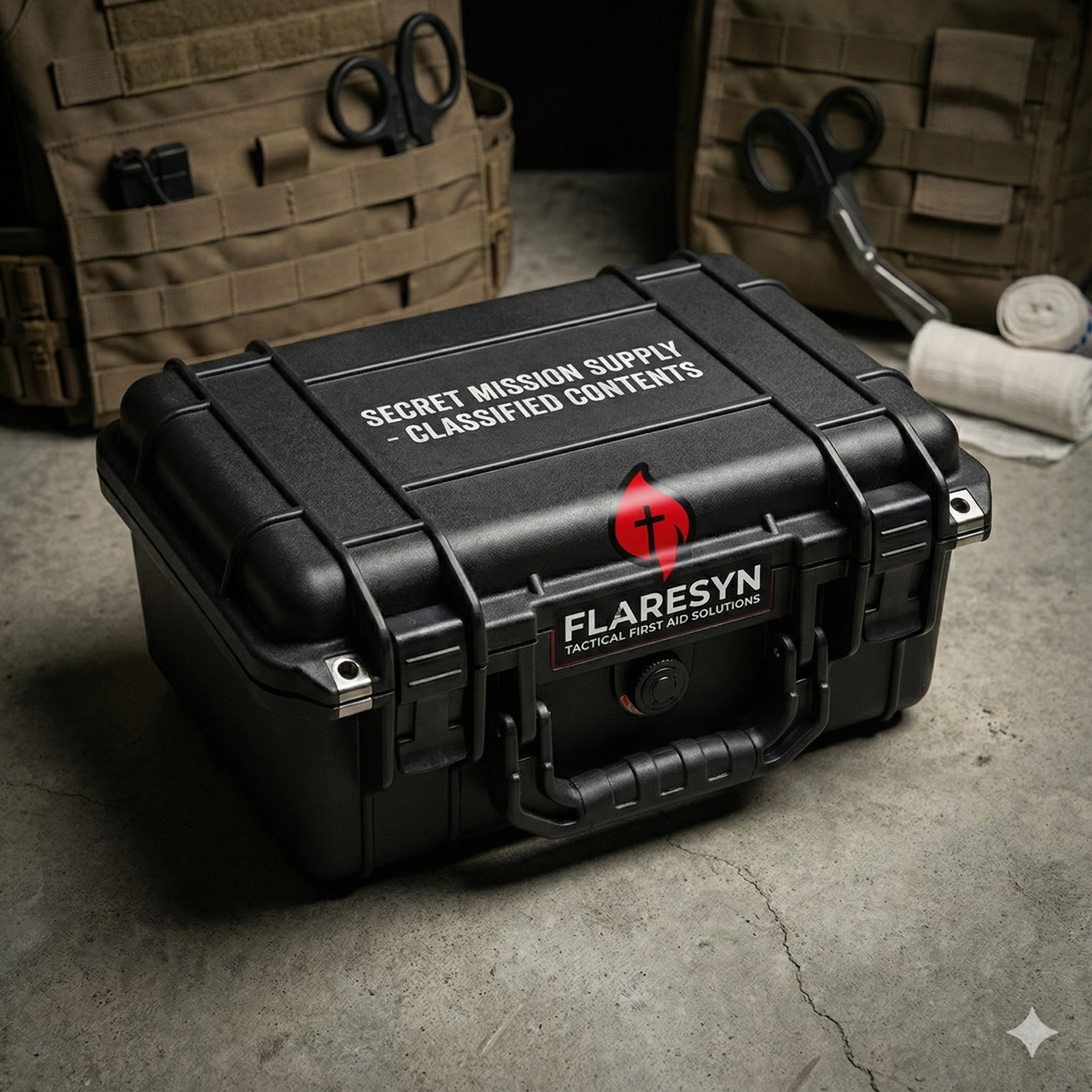
You might feel like you lack the skills to help, but many life-saving techniques have been simplified so that anyone can do them. For example, Hands-Only CPR was created specifically for people who have no formal training. You don't have to worry about mouth-to-mouth or complicated ratios anymore. Modern medical gear, like the trauma kits found at FlareSyn, is also built with the beginner in mind, using clear labels and easy-to-use parts. Most of the time, the expert skill needed is simply the ability to follow instructions and stay focused under pressure.
The Critical Minutes: The Golden Hour
In the medical field, there is a concept called the Golden Hour, which refers to the period of time where medical treatment is most effective at preventing death. However, for severe bleeding or cardiac arrest, that window is actually much shorter, often only a few minutes. If a person is losing blood rapidly, they can die in less than five minutes. This is why a bystander is so important. By applying pressure to a wound or starting chest compressions immediately, you are essentially buying time for the surgeons and paramedics. Your quick thinking is what makes the later professional care possible.
Overcoming Panic: Stop, Look, Listen
When adrenaline hits your system, your vision can narrow and your breathing might get shallow. Before you run toward an emergency, take three seconds to breathe deeply. Use the Stop, Look, Listen method. Stop your movement, look at the entire area to see what is happening, and listen for sounds of danger or people calling for help. This tiny pause helps your brain switch from a panic mode to a problem-solving mode. Once you feel centered, you will be much more effective at helping the victim without putting yourself in danger.
Phase 1: Scene Survey and Personal Safety (The S Rule)
Your safety is the most important part of any rescue. If you get hurt while trying to help, you become a second victim, which makes the job twice as hard for the paramedics. Always check for Scene Safety before you step in. Look for downed power lines, leaking gas, heavy traffic, or unstable structures. If the area is dangerous, stay back and call 911. You can still help by directing traffic or guiding the ambulance to the right spot. Remember, you cannot save a life if you are also in need of rescue.
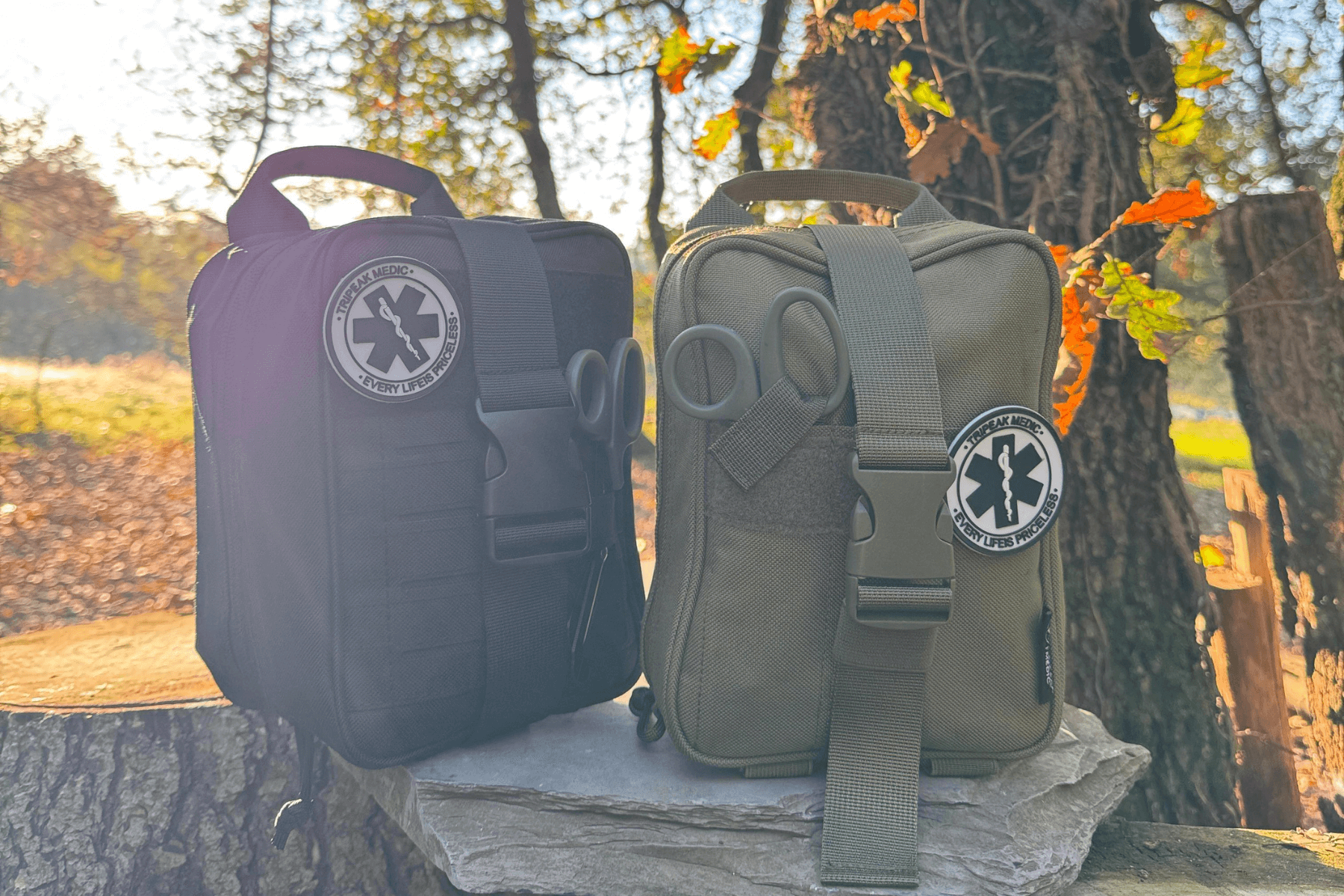
Understanding the importance of trauma kits is your first step; these kits are no longer just for soldiers but are essential tools for every household.
Is the Scene Safe? Identifying Hazards
In the United States, roadside accidents are a common place for emergencies. If you see a car crash, look for fire or the smell of spilled fuel. On a busy highway, the biggest hazard is other cars that might not see you. If you are at home or in an office, look for water on the floor near electrical outlets or signs of a violent struggle. Always take a moment to scan for hidden dangers like needles or broken glass. Once you are sure the environment won't hurt you, you can move in to check on the victim.
Protecting Yourself First
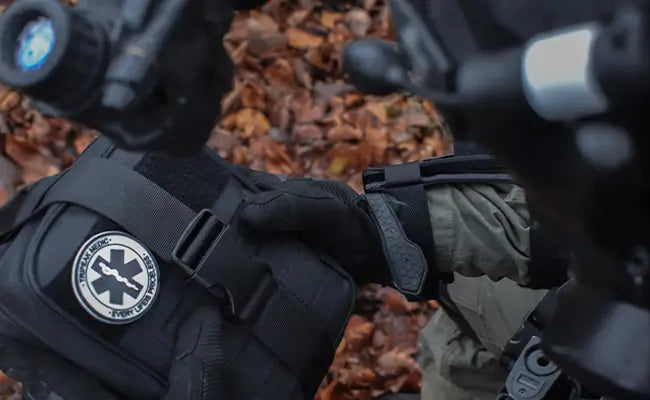
Helping someone often means getting close to blood or other fluids. If you have access to a first aid kit, put on a pair of gloves immediately. If you don't have gloves, you can use plastic bags or a thick piece of clothing to create a barrier between your skin and the victim's wounds. This isn't just about your health; it also protects the victim from any germs on your hands. Personal protection is a core part of being a smart responder. Once the scene is safe, your next priority is barrier protection. Even if you don't have a professional IFAK trauma kit, you must create a barrier between yourself and bodily fluids.
The Good Samaritan Law (U.S.)
A common fear is that you might get sued if you try to help and the person doesn't recover. Fortunately, every state in the U.S. has Good Samaritan Laws. These laws are designed to protect people who provide help in an emergency as long as they are acting in good faith and are not being intentionally reckless. As long as you are trying your best to help and you don't ask for money in return, the law is on your side. These protections exist specifically to encourage people like you to step in without fear of legal trouble.
Phase 2: Effective Emergency Communication (Calling 911)
Calling for help is the single most important action you can take. When you dial 911, stay as calm as possible so the dispatcher can understand you. They will need to know your exact location, the phone number you are calling from, and exactly what happened. Don't hang up until they tell you to. Knowing what to check first during an emergency allows you to maintain focus while waiting for 911 dispatchers to guide you. In many parts of the U.S., 911 dispatchers are trained to give you Pre-Arrival Instructions, which means they will literally talk you through how to do CPR or stop bleeding over the phone.
What Dispatchers Need to Know
When you speak to a dispatcher, be specific. Instead of saying there's an accident, say there is a two-car crash at the corner of Main and 5th, and one person is trapped. Tell them if the person is awake, if they are breathing, and if there is heavy bleeding. If you are in a large building or a park, give them a specific entrance or landmark to look for. This information helps them send the right type of help, like a fire truck for a fire or a specialized trauma unit for a bad injury.
Putting it on Speaker
As soon as the 911 call connects, put your phone on speakerphone and set it on the ground next to you. This allows you to use both of your hands to help the victim while still being able to hear the dispatcher's advice. You can tell them what you see in real-time, and they can count out the rhythm for chest compressions if you need to start CPR. Using speakerphone turns your cell phone into a powerful coaching tool that guides you through the entire emergency.
Phase 3: Immediate Life-Saving Actions (The ABCs for Beginners)
When you reach a victim, you need a simple way to remember what to check first. Professionals use the ABC method, which stands for Airway, Breathing, and Circulation (or Bleeding). First, look at the person's face to see if anything is blocking their mouth or nose. Second, watch their chest for at least five seconds to see if it is rising and falling. If they are not breathing, their heart has likely stopped, and you must act immediately. Finally, check for Circulation by looking for signs of life or heavy bleeding. In modern first aid, we often prioritize Stop the Bleed because a person can bleed out faster than they can suffocate. Having a high-quality trauma kit from FlareSyn nearby is a huge advantage here, as it contains the specific tools needed to manage these life-threatening issues in order.
A - Airway & Breathing: Checking for Life
If a person is unconscious, their tongue can actually block their throat and stop them from breathing. A simple way to help is the Head-Tilt, Chin-Lift maneuver. Gently push back on their forehead with one hand and lift their chin with the other to open the path to their lungs. Put your ear near their mouth and look toward their feet; you are listening for breath, feeling for air on your cheek, and watching for the chest to move. If the person is gasping or making strange snoring sounds, this is not normal breathing, and you should treat it as an emergency.
B - Bleeding Control: The Pressure First Rule
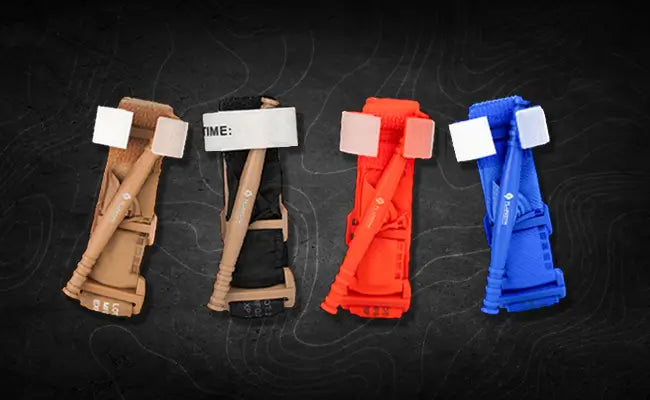
If you see blood soaking through clothing, you must stop it immediately. The most basic and effective way to do this is with direct pressure. Take a clean cloth, a shirt, or sterile gauze from your kit and push down on the wound as hard as you can with both hands. Do not lift the cloth to see if it has stopped; this can break the clot that is trying to form. If the blood soaks through, just put another layer of cloth on top and keep pushing. For severe limb injuries where pressure isn't working, a professional tourniquet is the best tool. It is a thick strap that you tighten above the wound to completely stop the flow of blood, and it is a lifesaver when help is more than a few minutes away.
C - Compressions: Hands-Only CPR
If the victim is not breathing and has no pulse, you need to become their heart. Hands-Only CPR is the standard for untrained bystanders in the United States. You don't need to do mouth-to-mouth. Simply place the heel of one hand in the center of their chest, put your other hand on top, and push down hard and fast. You should aim for a depth of about two inches and a speed of 100 to 120 beats per minute. A great way to keep the right pace is to push to the beat of the song Stayin' Alive. This constant motion keeps oxygen-rich blood moving to the person's brain, which prevents permanent damage until the paramedics arrive with a defibrillator.
D - Defibrillation: Using an AED
An Automated External Defibrillator (AED) is a device that can shock a heart back into a normal rhythm. These are now found in almost every American mall, airport, and gym. The best part about an AED is that it is designed to be used by someone with zero training. Once you turn it on, a loud voice will tell you exactly what to do. It will tell you where to stick the pads and when to stand back. The machine is smart; it will only deliver a shock if the person actually needs one, so you don't have to worry about accidentally hurting someone. If an AED is available, send someone to go get it immediately while you continue chest compressions.
Handling Specific Scenarios Without a Kit
Not every emergency involves a heart attack or a major wound. Sometimes you will encounter situations like choking or seizures where the ABC rules change slightly. If an adult is choking and cannot cough or speak, you should perform the Heimlich Maneuver. Stand behind them, wrap your arms around their waist, and make a fist just above their belly button. Pull inward and upward sharply. For seizures, the most important thing is to move objects away so the person doesn't hit their head. Never try to put something in their mouth or hold them down, as this can cause broken bones or choked airways. Just stay with them and time how long the seizure lasts so you can tell the doctor later.
Burns and Allergic Reactions
For burns, the most common mistake is putting ice or butter on the skin. Ice can actually damage the tissue further. Instead, run cool (not cold) tap water over the burn for at least ten minutes. This stops the cooking process of the skin and provides immediate pain relief. If someone is having a severe allergic reaction and is struggling to breathe, ask them if they have an EpiPen. Most people who know they have allergies carry one. You can help them by pressing the auto-injector into the outer part of their thigh and holding it for the amount of time listed on the label (usually 3 to 10 seconds).
Emergency Action Checklist for Bystanders
|
Step |
Action |
Why It Matters |
|
Check |
Look for traffic, fire, or electricity. |
Keeps you from getting hurt. |
|
Call |
Dial 911 and use speakerphone. |
Starts professional help. |
|
Compress |
Push hard and fast on the chest. |
Keeps the brain alive. |
|
Control |
Push down hard on any bleeding. |
Prevents death from blood loss. |
|
Cool |
Use cool water for burns. |
Stops the injury from spreading. |
The Improvisation Guide: Using Everyday Objects
While having a professional kit from FlareSyn is always the preferred option, you may find yourself in a situation where you have to use what is around you. If someone has a broken bone or a deep cut and you are empty-handed, look at your surroundings. A sturdy umbrella, a rolled-up magazine, or even a straight branch can be used as a makeshift splint to keep a broken limb from moving. You can secure these items using a scarf, a belt, or strips of a torn t-shirt. For heavy bleeding, a clean dish towel or a thick sweatshirt can act as a pressure bandage. The goal is not to be perfect; it is to use the materials available to mimic the function of real medical supplies until the ambulance arrives.
Thermal Protection: Preventing Shock
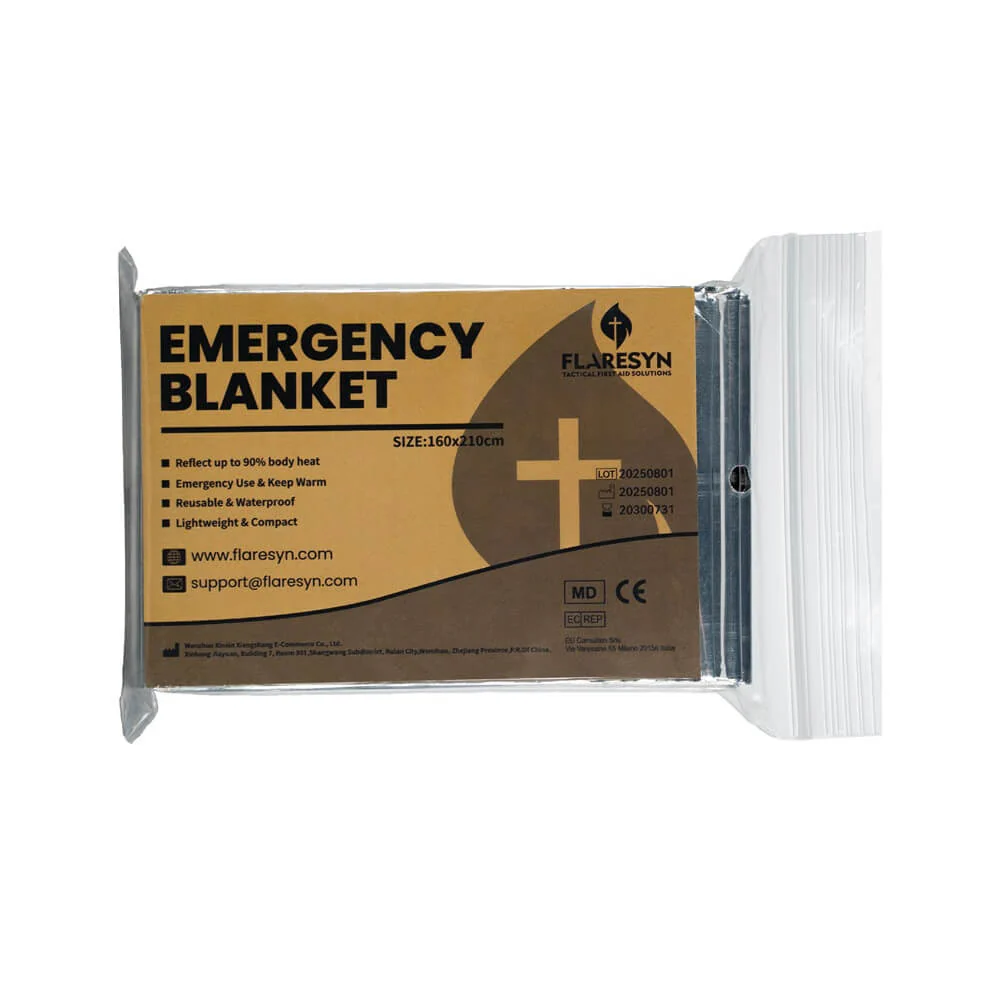
When the body undergoes a major injury or loses blood, it struggles to maintain its internal temperature. This often leads to shock, which can be just as deadly as the injury itself. Even on a warm day, a victim can become dangerously cold. You can help by placing a jacket, a car floor mat, or a blanket over the person to trap their body heat. If the ground is cold or wet, try to slide something underneath them to create a barrier. Keeping a person warm and dry is a simple but powerful way to support their circulatory system and keep their heart from working too hard.
Psychological First Aid: Supporting the Conscious Victim
If the person is awake, your voice is one of the most effective tools you have. Fear increases a person’s heart rate, which can actually make bleeding worse and cause more physical stress. Sit or kneel at their eye level and tell them your name. Let them know that help is on the way and that you are going to stay with them. Avoid saying things like you're going to be fine if the injury is clearly bad; instead, say I’m here with you, and the paramedics will be here soon. This simple act of reassurance can keep a victim from spiraling into a panic that makes their condition harder to treat. If you are building a kit for the first time, refer to the first aid kit checklist to ensure you have the basics: pressure bandages, tourniquets, and chest seals.
Gathering Information for the Paramedics
While you wait for the sirens to get closer, try to gather a few key facts that will help the medical team. If the person can speak, ask them if they have any allergies, if they take any daily medications, or if they have heart problems or diabetes. If they lose consciousness before help arrives, this information is invaluable. You can also look for medical alert jewelry like bracelets or necklaces. When the paramedics walk up, give them a hand-off report: tell them exactly what happened, what time it happened, and any changes you noticed in the person's breathing or alertness.
FAQ
How do I know if someone truly needs CPR?
You should start CPR if the person is unconscious and not breathing, or only making occasional gasping sounds. If they are moving or talking, they do not need compressions.
What if I accidentally break a rib during CPR?
This is a common occurrence even when professionals perform CPR. A broken rib can heal, but a stopped heart cannot. The priority is always to keep the blood moving to the brain.
Where should I keep my emergency supplies?
It is best to keep a trauma-focused kit in your car and another in a central location in your home, like the kitchen or a hallway closet, so you never have to search for it during a crisis.
Is it possible to do more harm than good?
It is very rare to make a life-threatening situation worse by trying to help. For example, the risk of a cracked rib during CPR is a small trade-off for saving a life. Most errors in first aid happen because people wait too long to act; your immediate intervention is almost always better than doing nothing at all.
What if the victim refuses my help?
If a person is awake and alert, they have the right to say no. In that case, stay nearby and call 911 so professionals can take over. However, if the person is unconscious or confused, implied consent applies. This means the law assumes they would want life-saving help if they were able to ask for it.
The Value of Having the Right Tools
Even though you can improvise with household items, there is a massive difference in speed and safety when you use real medical gear. Products like those at FlareSyn are specifically designed for use under stress. They feature high-strength materials that won't snap like a belt might when used as a tourniquet, and sterile dressings that reduce the risk of infection. FlareSyn ensures you have the intuitive tools and training resources needed to save lives in those first critical minutes. For any American household, investing in a basic trauma kit is a one-time step that provides years of peace of mind. Knowing you have the right tools tucked away in your glove box or pantry makes it much easier to step forward when an emergency strikes.
Conclusion: From Bystander to Responder
In an emergency, you are the most important person on the scene because you are already there. You don't need a medical degree to make a life-saving difference; you just need to remember the basics: keep the scene safe, call for help, stop the bleeding, and keep the person breathing. Every minute you spend helping is a minute that gives the victim a better chance at surviving. While the situation may feel overwhelming, focusing on one small step at a time will help you stay calm. By taking the time to read this guide and preparing yourself with a quality kit, you have already moved from being a helpless bystander to a capable responder.