Car Emergency Kit List: Safety Checklist Every Driver Should Have
A car breakdown rarely happens at a convenient time. It could be a dead battery on a quiet highway, a flat tire during rush hour, or getting stuck in extreme weather with limited phone signals. In these moments, panic often sets in because most drivers are unprepared. A well-thought-out car emergency kit list solves this problem before it starts. It gives you tools to stay visible, safe, and in control until help arrives. This guide is created for U.S. drivers who want practical safety preparation, whether for daily commuting, family travel, or long road trips. With the right emergency supplies stored in your vehicle, small issues stay manageable instead of becoming dangerous situations.
What Is a Car Emergency Kit?
A car emergency kit is a collection of essential safety, repair, and survival items kept inside a vehicle for unexpected roadside situations. These kits are meant to help drivers handle common problems such as flat tires, dead batteries, minor injuries, bad weather delays, or temporary isolation while waiting for assistance. A basic kit may cover visibility and first aid, while a complete car emergency kit list includes vehicle tools, personal safety items, food, water, and communication backups.
Unlike optional accessories, an emergency kit supports real-life safety needs. Many roadside incidents do not require towing or professional repair but do require basic tools, warmth, hydration, or visibility. Keeping these items organized and easy to access makes a major difference during stressful events.
How to Build a Car Emergency Kit (Planning Before Packing)
Building a useful emergency kit starts with planning. Random items tossed into a trunk often fail to meet real needs. A proper setup considers your vehicle, travel habits, and the conditions you drive in.
Factors That Affect Your Emergency Kit Contents
Every driver’s needs are different, and your car emergency kit list should reflect how and where you drive.
-
Vehicle type: Sedans have limited space, while SUVs and trucks can store larger kits. Electric vehicles may need different power solutions.
-
Driving habits: Daily commuters face different risks than long-distance or rural drivers.
-
Climate: Snow, heat, storms, and flooding all affect which supplies are needed.
-
Passengers: Families, older adults, and pets require extra planning.
For example, drivers in northern states should prepare for cold exposure and snow-related delays, while southern drivers should focus on heat, hydration, and sun protection. Stores like Flaresyn help simplify this planning by offering emergency-focused gear suited for real roadside use.
Where to Store Items in Your Car
Storage matters just as much as what you pack. Emergency items must be reachable when you need them most.
-
Glove compartment: Small tools, flashlight, emergency contacts, and documents
-
Trunk: Larger items such as jumper cables, air compressors, and safety triangles
-
Back seat or side panels: First aid kit and reflective gear for quick access
Items should be stored in durable containers to protect them from heat, moisture, and movement. Keeping related supplies grouped together saves time and reduces stress during emergencies. Many drivers prefer compact kits that stay organized without taking up excessive space.
Planning for Accessibility and Safety
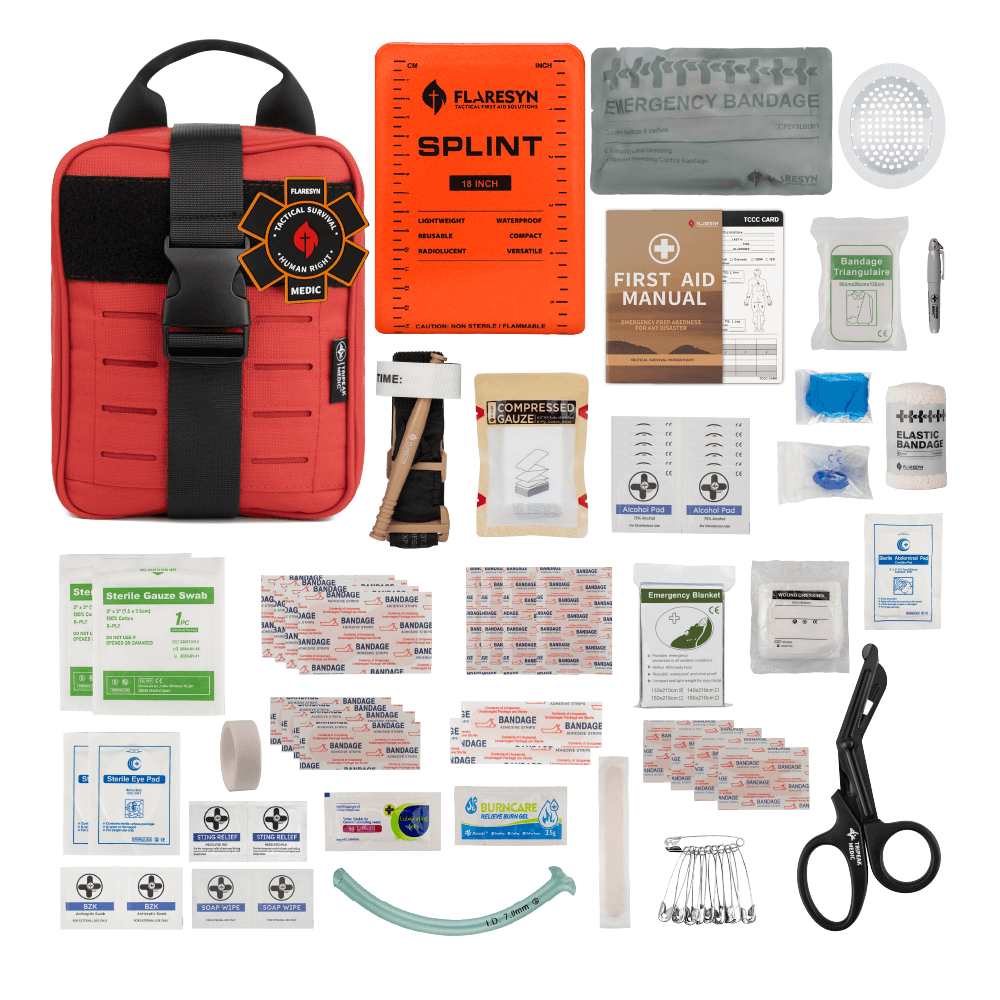
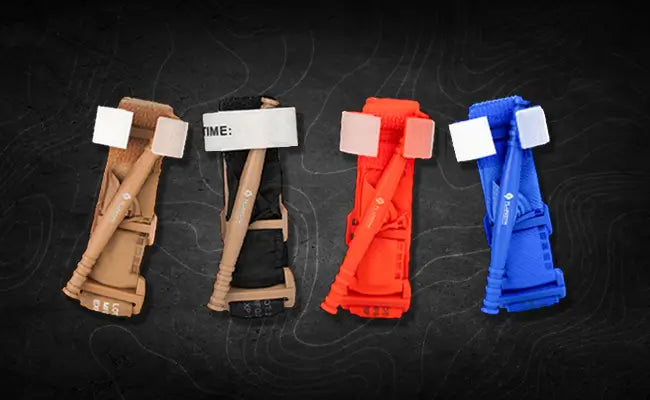
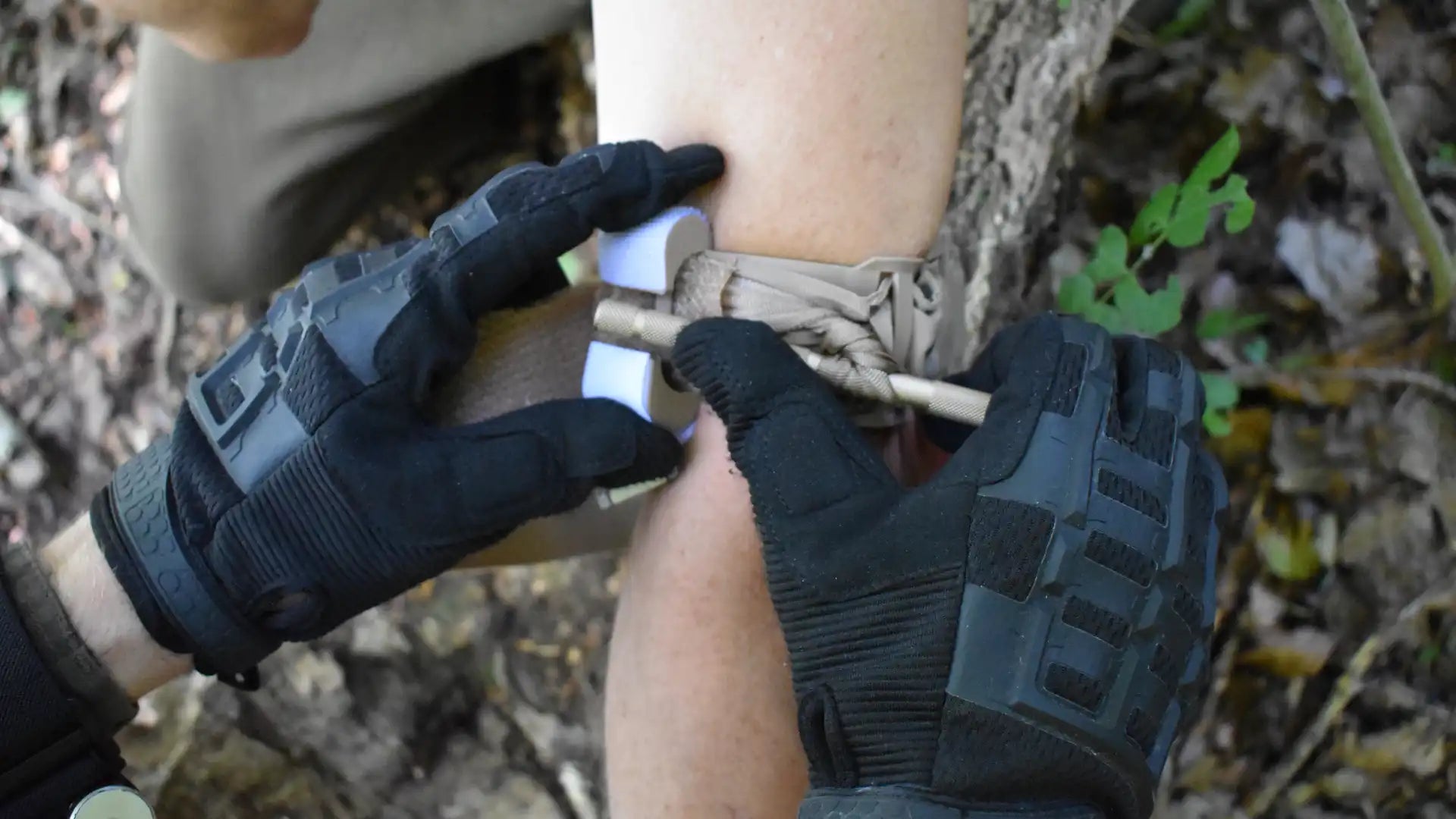
An emergency kit only works if it can be used safely. Heavy tools should be secured so they do not shift during driving. Flashlights and power banks should be easy to reach in low-light conditions. Supplies should be checked seasonally to ensure they remain usable. A planned setup allows drivers to act calmly and confidently, even in difficult roadside situations. This level of preparation is what separates a helpful kit from a forgotten box in the trunk. For life-threatening situations where every second counts, the IFAK Trauma Kit provides paramedic-grade supplies in a compact, organized pouch that fits perfectly in a glovebox or side door pocket.
Essential Car Emergency Kit List
A reliable car emergency kit is built around items that keep you safe, visible, and capable of handling common roadside problems. These essentials address the most frequent emergencies drivers face across the United States, from flat tires and dead batteries to unexpected delays caused by weather or traffic accidents. Each category below plays a clear role in protecting both the driver and passengers.
Roadside Safety and Visibility Items
Visibility is one of the most critical factors during a roadside emergency, especially at night or in poor weather. Drivers who cannot be seen are at higher risk of secondary accidents. Safety and visibility tools help alert other drivers and create a safer space around your vehicle. Key items include reflective warning triangles, high-visibility safety vests, LED flashlights, and road flares or electronic flares. Warning triangles should be placed several feet behind your vehicle to give approaching traffic enough time to react. A safety vest allows drivers to be seen clearly if they need to exit the vehicle. The federal government initiative highlights the importance of seasonal kit adjustments, particularly for drivers traveling through areas prone to extreme heat or winter storms. Flashlights are essential for nighttime repairs, while flares help mark your location during breakdowns or accidents. These items are small but play a major role in preventing further danger.
Vehicle Repair and Mobility Tools
Many roadside issues can be handled without professional assistance if the right tools are available. Vehicle repair tools help restore mobility or stabilize a situation until help arrives. Common tools found in a strong car emergency kit list include jumper cables or a portable jump starter, a tire inflator, tire pressure gauge, basic tool kit, duct tape, and zip ties. Jumper cables allow drivers to restart a dead battery with help from another vehicle, while portable jump starters offer independence when help is not nearby. Tire inflators and pressure gauges help manage slow leaks and underinflated tires, which are common causes of roadside stops. Simple tools can secure loose parts or temporary fixes, reducing the need for towing.
Personal Safety and First Aid Supplies
Injuries, even minor ones, can happen during breakdowns or accidents. A well-stocked first aid section helps manage cuts, scrapes, burns, and other minor issues while waiting for medical help if needed. A proper first aid kit should include bandages, antiseptic wipes, gauze pads, medical tape, gloves, pain relief medication, and emergency blankets. Thermal blankets are especially useful during cold nights or extended waits. Gloves protect hands while handling tools or damaged vehicle parts. Hand sanitizer and face masks add an extra layer of hygiene, especially when assisting others. These supplies help maintain calm and control during stressful situations.
Weather-Specific Emergency Kit Add-Ons
Weather conditions play a major role in roadside safety. Preparing for seasonal risks ensures your emergency kit remains useful year-round.
Winter Car Emergency Kit Additions
Cold weather increases the risk of breakdowns and delays. Snow, ice, and freezing temperatures can trap drivers for hours. Winter-specific items include an ice scraper, snow brush, traction aids such as sand or tire grips, extra warm blankets, and cold-weather gloves. These supplies help clear visibility, improve tire grip, and prevent cold-related health risks. Drivers in northern states or mountain regions should treat these items as non-negotiable parts of their emergency setup.
Summer and Extreme Heat Additions
Heat-related emergencies are just as serious as cold exposure. Vehicles can become dangerously hot during breakdowns in summer months. Extra drinking water, sun protection, cooling towels, and lightweight shade items help manage heat stress. Water is essential for hydration, especially if help is delayed. Sunscreen and hats protect against sun exposure, while cooling towels help regulate body temperature. These additions are especially important for families, older drivers, and those traveling with pets.
Food, Water and Survival Essentials
Unexpected delays can leave drivers stranded for long periods. Food and water supplies help maintain energy and comfort during these situations. Non-perishable foods such as protein bars, trail mixes, or canned goods are ideal because they store well and require no preparation. Water should be stored in sealed containers and rotated regularly. A good rule is to keep at least one gallon of water per person when possible. Survival essentials like emergency blankets and ponchos add comfort and protection during extended waits.
Communication, Navigation, and Power Backup
Staying connected during an emergency improves safety and speeds up assistance. Power and communication tools help maintain contact when phone batteries run low or signals are weak. Essential items include phone chargers, power banks, and emergency radios. Power banks should be kept charged and checked regularly. Emergency radios with hand-crank or battery power provide access to weather alerts and emergency broadcasts. Paper maps are also useful backups if digital navigation fails. Keeping emergency contact details written down ensures access even if devices stop working.
Car Emergency Kit for Families, Kids, and Pets
Roadside emergencies become more stressful when children or pets are involved. Their needs are different from adults, and failing to plan for them can quickly turn a manageable delay into a serious problem. As vehicle technology evolves, so should your kit. Discover the wearable emergency gear to see how smart tech can assist you during a roadside breakdown. A family-focused car emergency kit ensures comfort, safety, and stability for everyone in the vehicle during unexpected stops or long waits for assistance.
Family and Child-Specific Items
Children require extra care during emergencies, especially when routines are disrupted. A well-prepared kit should include baby essentials such as diapers, wipes, formula, bottles, and any feeding tools your child regularly uses. For older children, pack shelf-stable snacks, bottled water, and comfort items that help reduce anxiety.
Long roadside waits can feel overwhelming for kids, so including simple entertainment like books, coloring supplies, or small toys helps keep them calm and occupied. If any family member relies on daily medication, extra doses should always be stored in the kit. These supplies help parents focus on resolving the situation without added stress.
Pet Emergency Kit Additions
Pets depend on their owners during emergencies, and basic planning helps keep them safe and comfortable. A pet-ready emergency kit should include dry or canned pet food, bottled water, and a collapsible bowl for easy feeding. A leash is essential, even for well-trained pets, as unfamiliar surroundings can cause anxiety or sudden movement.
Waste bags help maintain cleanliness, while basic pet first aid items such as bandages or antiseptic wipes can assist with minor injuries. Including these supplies ensures pets are protected and reduces the risk of them becoming distressed or running off during roadside stops.
What Not to Keep in Your Car Emergency Kit
While preparation is important, adding the wrong items can create safety risks or reduce the usefulness of your kit. Some materials degrade quickly in heat or cold, while others may become hazardous inside a closed vehicle. Avoid storing perishable food, aerosol cans, flammable liquids, or items that melt easily. Medications that require temperature control should not be left in a car for long periods. Loose heavy tools can also become dangerous if they shift during sudden stops. Keeping your kit focused on safe, stable items ensures it remains reliable throughout the year.
How Often to Check, Update, and Replace Emergency Kit Items
A car emergency kit is not a one-time setup. Items need regular checks to stay effective. Batteries lose charge, food expires, and tools may become damaged over time.
Review your kit at least twice a year, ideally during seasonal vehicle maintenance. Replace expired food, water, and medical supplies. Recharge power banks and test flashlights and radios. If your driving habits or vehicle change, adjust the kit to match new conditions. Routine checks help ensure everything works when needed.
Pre-Assembled Kits vs DIY Emergency Kits
Drivers often choose between pre-assembled kits and building their own. Both options have clear advantages depending on personal needs. Pre-assembled kits save time and offer organized solutions for common emergencies. They are helpful for new drivers or those who want a quick setup. DIY kits allow full control over item quality and quantity, making them ideal for families, pet owners, or drivers in extreme climates.
Many drivers combine both approaches by starting with a pre-assembled kit from a reliable supplier like Flaresyn and then adding personal items based on travel habits and regional risks.
Common Mistakes Drivers Make With Car Emergency Kits
Many drivers believe they are prepared, but small oversights can make an emergency kit far less effective. Understanding common mistakes helps ensure your supplies work as intended when they are truly needed.
One frequent issue is keeping an incomplete kit that lacks key safety or medical items. Another mistake is poor storage, where supplies are buried under luggage or placed in hard-to-reach areas. Emergency items should always be accessible, even in low light or stressful conditions.
Drivers also forget to check and replace supplies over time. Expired food, drained batteries, or outdated medications can render a kit useless. Relying only on a mobile phone for navigation and communication is another major risk, as signal loss and battery failure are common during roadside emergencies. A balanced kit includes backup power, paper maps, and emergency signaling tools to cover these gaps.
Quick-Reference Car Emergency Kit Checklist
The table below offers a clear overview of what every driver should keep in their vehicle.
|
Category |
Essential Items |
|
Safety & Visibility |
Reflective triangles, flashlight, safety vest |
|
Vehicle Tools |
Jumper cables, tire inflator, basic tool kit |
|
Medical |
First aid kit, gloves, emergency blanket |
|
Survival |
Water, non-perishable food, poncho |
|
Power & Communication |
Phone charger, power bank, emergency radio |
|
Seasonal |
Ice scraper or cooling towel |
|
Family & Pets |
Medications, snacks, pet supplies |
This checklist helps ensure nothing important is missed.
Frequently Asked Questions
What should be in a basic car emergency kit?
A basic kit should include safety gear, a flashlight, first aid supplies, jumper cables, and water.
How many items should a car emergency kit have?
There is no fixed number, but it should cover safety, vehicle repair, communication, and survival needs.
Is a car emergency kit legally required?
Most states do not require one by law, but many safety organizations strongly recommend keeping one.
How much water should I keep in my car?
At least one gallon per person is recommended, especially for long trips or hot climates.
Do electric vehicles need different emergency kits?
Electric vehicles benefit from the same safety items, with added focus on portable power sources and roadside visibility.
Final Takeaways: Be Ready Before You Need It
A reliable car emergency kit list helps drivers stay calm and safe during unexpected roadside situations. From safety gear and vehicle tools to food, water, and communication backups, each item plays a clear role. Preparation reduces risk, protects passengers, and helps drivers regain control during stressful moments.
For U.S. drivers who value readiness and safety, Flaresyn offers dependable emergency gear suited for daily driving, family travel, and long road trips. Building or upgrading your kit today ensures peace of mind every time you get behind the wheel.