First Aid Myths and Misconceptions: Debunking Dangerous Advice
Many of us grew up hearing first aid advice from our parents or seeing dramatic rescues in movies that made us feel prepared for an emergency. However, much of that common sense is actually based on outdated folklore that can make an injury much worse or even lead to permanent damage. Imagine trying to help a loved one with a burn by using butter, only to realize later that you have trapped the heat and caused a deep infection. In a crisis, your brain often reaches for the first piece of information it remembers, which is why it is so important to clear out the myths and replace them with modern, science-based facts. This guide solves that problem by identifying the most common first aid mistakes and showing you exactly what to do instead. By updating your knowledge today, you ensure that when an emergency happens, your actions are actually helpful rather than harmful.
Why Old Advice Can Be Dangerous
The field of medicine moves fast, and what was taught in a first aid class twenty years ago has likely been updated based on new research into how the human body heals. Many old remedies were focused on what people had available in their kitchens or workshops, rather than what was biologically best for the wound. When you use outdated methods, you risk introducing bacteria into a clean cut or damaging the very cells your body is trying to create to close a gap in the skin. Relying on folklore also creates a false sense of security; you might think a wound is treated when it actually needs professional attention. Transitioning to modern standards, like using the medical-grade supplies found at FlareSyn, ensures you are giving the body the best possible environment to recover without unnecessary setbacks.
The Danger of the Hollywood Effect
Movies and television shows are some of the biggest sources of first aid misinformation in the United States. We see characters on screen wake up instantly after being slapped or perform CPR for thirty seconds and have the victim sit up and start talking. In real life, these actions are either useless or dangerous. Slapping a person who has fainted doesn't address the reason they lost consciousness, and CPR is a physically demanding process meant to keep blood moving to the brain, not a magical restart button. Understanding that Hollywood prioritizes drama over accuracy helps you stay calm and stick to the real protocols that save lives, rather than trying to mimic a fictional hero. Use firm direct pressure or chitosan hemostatic gauze. These gauzes are treated with minerals that trigger the body's natural clotting cascade without the risk of infection.
Myths About Wound Care and Infection Control
One of the most stubborn myths is that you should clean a cut or scrape with hydrogen peroxide or rubbing alcohol. While these liquids do kill bacteria, they are non-selective, meaning they also destroy the healthy white blood cells and new skin cells that are trying to heal the wound. This chemical damage actually slows down the healing process and can lead to worse scarring. Instead of reaching for the brown bottle in your medicine cabinet, the modern standard is to use plain, cool running water and mild soap to wash away debris. This mechanical cleaning is safer and much more effective at letting the body's natural repair systems do their job without interference. For wounds that go beyond a simple scrape, first aid kit checklist to see which sterile dressings and ointments you should actually be using.
The Breathe and Scab Misconception
Many people believe that a wound needs to breathe or that a hard scab is a sign of good healing. This is actually a misconception that leads to slower recovery and more pain. Research shows that cells grow and move much faster in a moist environment. If a wound dries out and forms a thick, hard scab, the new skin cells have to tunnel underneath that scab to close the wound, which takes more time and energy. By keeping a wound covered with a sterile bandage and a bit of antibiotic ointment or petroleum jelly, you maintain a moist environment that allows the skin to knit back together quickly and with less chance of a permanent scar.
Dangerous Home Remedies for Bleeding
For generations, people have suggested using coffee grounds, tobacco, or even wood ash to stop a wound from bleeding. This is incredibly dangerous because these materials are not sterile and can cause a massive infection deep inside the tissue. Furthermore, once a person gets to the emergency room, the doctor has to spend time scrubbing those gritty materials out of the wound, which is painful and causes more bleeding. If you are facing a serious bleed, you should never put food or dirt into the injury. Instead, use firm direct pressure or a dedicated hemostatic gauze from FlareSyn that is specifically designed to interact with your blood to stop the flow safely and cleanly.
Myths About Burns and Skin Injuries
Applying butter, grease, or toothpaste to a burn is perhaps the most famous first aid myth, and also one of the most harmful. Burns occur because heat has damaged the skin layers; when you cover that area with a thick fat like butter, you are effectively sealing the heat inside the tissue. This allows the burn to continue cooking the skin even after the initial flame or liquid is gone. Toothpaste is equally bad, as the menthol can feel cool initially but the chemicals can irritate the raw skin and lead to infection. The only correct way to treat a minor burn is to run cool (not cold) tap water over it for at least ten minutes to draw the heat out and stop the injury from spreading deeper.
The Ice Water and Blister Myths
While heat is the enemy of a burn, extreme cold is not the solution. Putting ice or ice-cold water directly onto a burn can cause ice burn or frostbite, further damaging the already fragile skin. The transition from extreme heat to extreme cold causes the blood vessels to constrict too quickly, which can hinder the healing process. Additionally, you should never pop the blisters that form after a burn. That bubble of fluid is a natural, sterile barrier that protects the raw skin underneath from the air and bacteria. If you pop it, you open a direct doorway for infection. If a blister is large or in a painful spot, let a doctor handle it with sterile tools rather than doing it yourself at home.
Current Evidence-Based Standards (Quick Reference)
|
Category |
The Old Myth |
The Modern Fact |
|
Infection |
Use Peroxide or Alcohol. |
Use plain soap and running water. |
|
Healing |
Let it air out and scab. |
Keep it covered and moist. |
|
Burns |
Apply butter or grease. |
Run cool tap water for 10-20 mins. |
|
Cold Injuries |
Rub frozen skin with snow. |
Use warm (not hot) water slowly. |
|
Bleeding |
Use coffee grounds or ash. |
Apply direct pressure with sterile gauze. |
Myths About Severe Trauma and Life-Saving
In high-stakes situations like a car accident or a sudden medical collapse, the pressure to act quickly often leads people to fall back on what they have seen in movies. Unfortunately, dramatic first aid is rarely effective and often causes additional trauma. For example, many people still believe that if someone faints, you should slap their face or splash cold water on them to wake them up. This does nothing to address why they fainted, usually a temporary drop in blood pressure, and can cause injury if the person is actually suffering from something more serious like a stroke or a head injury. Modern trauma care focuses on stability and professional intervention. Using a high-quality Individual First Aid Kit (IFAK) from FlareSyn allows you to follow a structured process rather than relying on adrenaline-fueled guesses.
The Nosebleed Misconception: Stop Tilting Your Head Back
The most common mistake made during a nosebleed is tilting the head backward. While people do this to prevent blood from dripping on their clothes, it causes the blood to flow down the throat. This can lead to choking, or more commonly, it irritates the stomach and causes the victim to vomit, which can restart the bleeding even more forcefully. The correct evidence-based method is to lean the person slightly forward and firmly pinch the soft part of the nose just below the bridge. You should maintain this pressure for a full ten minutes without letting go to allow a solid clot to form.
Snake Bites: Don't Be a Sucker
For decades, popular culture suggested that you should cut a V into a snake bite and suck out the venom. Medical science has proven this is not only ineffective but incredibly harmful. Snake venom is injected deep into the tissue and enters the lymphatic system almost instantly; human suction cannot pull it back out. Furthermore, your mouth is full of bacteria that can cause a severe infection in the wound, and the venom can actually harm the person trying to help if they have any small cuts in their mouth. The modern protocol is simple: keep the victim still to slow their heart rate, remove any jewelry or tight clothing before swelling starts, and get them to an emergency room immediately for antivenom.
Seizure Safety: Protecting the Mouth and Body
One of the most persistent and dangerous myths is that a person having a seizure might swallow their tongue and choke. This is physically impossible because the tongue is firmly attached to the floor of the mouth. Trying to force an object, like a spoon, a wallet, or your fingers, into the mouth of someone having a seizure can result in broken teeth, jaw injuries, or a severe bite to the rescuer. You should also never try to hold someone down to stop their movements, as this can cause broken bones or torn muscles. Instead, clear the area of sharp objects, place something soft under their head, and time the seizure while waiting for it to end naturally.
The Tourniquet: From Last Resort to Lifesaver
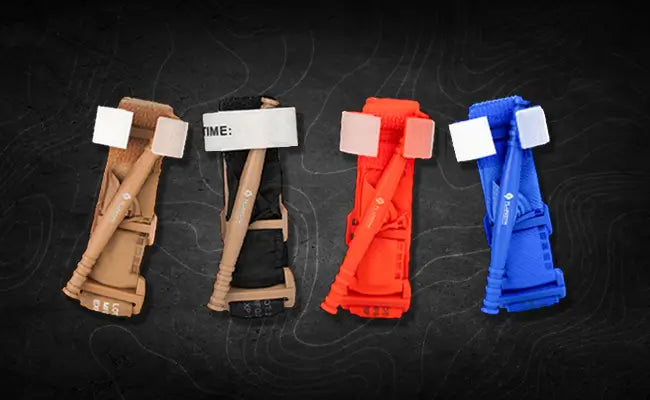
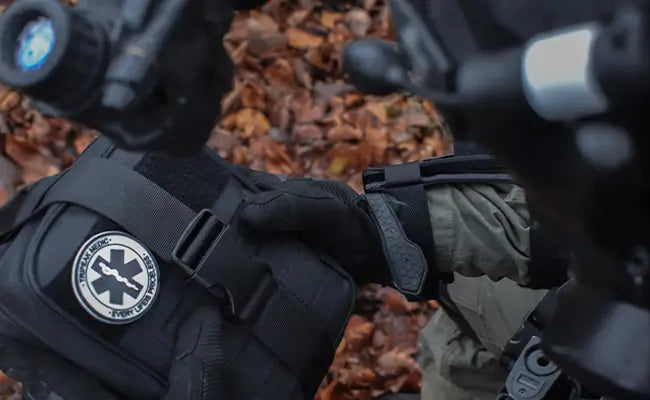
For a long time, the public was taught that using a tourniquet was a guaranteed way to lose a limb. Because of this, many people waited far too long to use one, leading to preventable deaths from blood loss. Modern data from U.S. military and civilian trauma centers show that a professional windlass tourniquet is extremely safe and can be left on for several hours without causing permanent damage. If a person has life-threatening bleeding from an arm or leg that doesn't stop with direct pressure, you should apply a tourniquet immediately. It is much better to have a sore limb that a doctor can treat than to let a person bleed out on the side of the road.
CPR and the Mouth-to-Mouth Debate
Many bystanders hesitate to help during a cardiac arrest because they are afraid of performing mouth-to-mouth resuscitation on a stranger. The good news is that for adult victims, Hands-Only CPR is just as effective in the first few minutes of a collapse. The body usually has enough oxygen left in the blood to keep the brain alive, provided that someone is pushing on the chest to keep that blood moving. By focusing entirely on high-quality chest compressions, pushing hard and fast in the center of the chest, you avoid the delay of trying to give breaths and keep the heart working until the paramedics arrive with more advanced equipment.
Myths About Poisoning and Internal Emergencies
When a person swallows something toxic, the immediate reaction of many people is to try and get it out by inducing vomiting. For years, Ipecac syrup was a staple in American medicine cabinets for this exact reason. However, modern toxicology has proven that making someone vomit can be much more harmful than the poison itself. If the substance is a corrosive chemical, like a drain cleaner or a strong acid, it will burn the throat and esophagus a second time as it comes back up. There is also a high risk of the victim inhaling the poison into their lungs, which causes severe chemical pneumonia. The correct action is to call the Poison Control Center immediately at 1-800-222-1222 and follow their specific instructions, as different poisons require very different responses.
The Stroke and Aspirin Misconception
We are often told that Aspirin is a lifesaver during a heart attack, which is true because it helps stop the blood clots that block the heart. However, a common mistake is giving Aspirin to someone who appears to be having a stroke. Strokes come in two main types: ischemic (caused by a clot) and hemorrhagic (caused by a bleed in the brain). If a person is having a hemorrhagic stroke, giving them Aspirin will thin their blood and make the bleeding in their brain significantly worse. Because a bystander cannot tell the difference between these two types of strokes without a hospital CT scan, you should never give a stroke victim medication. Instead, focus on noting the time the symptoms started and getting them to an emergency room as fast as possible.
Rubbing Alcohol and Fever Reduction
An old home remedy for a high fever involves rubbing the skin with alcohol or giving an alcohol bath to cool the blood. This is incredibly dangerous, especially for children. Alcohol evaporates quickly, which can cause the body to shiver. Shivering actually raises the internal body temperature because the muscles are working to generate heat, which is the exact opposite of what you want. Even worse, the skin can absorb the alcohol, or the person can breathe in the fumes, leading to alcohol poisoning. To manage a fever safely, use over-the-counter medications as directed by a doctor and keep the person hydrated and dressed in light, breathable clothing.
First Aid Fact vs. Fiction
|
The Myth |
The Danger |
The Correct Action (Fact) |
|
Ipecac/Vomiting |
Causes secondary burns and lung damage. |
Call Poison Control immediately. |
|
Aspirin for Stroke |
Can worsen bleeding in the brain. |
Call 911; do not give medication. |
|
Alcohol for Fever |
Causes shivering and potential toxicity. |
Use fever-reducing meds and hydration. |
|
Sucking Snake Venom |
Causes infection and tissue damage. |
Keep the limb still and seek antivenom. |
|
Objects for Seizures |
Causes broken teeth and choking. |
Protect the head; do not touch the mouth. |
Why Common Sense Often Fails in an Emergency
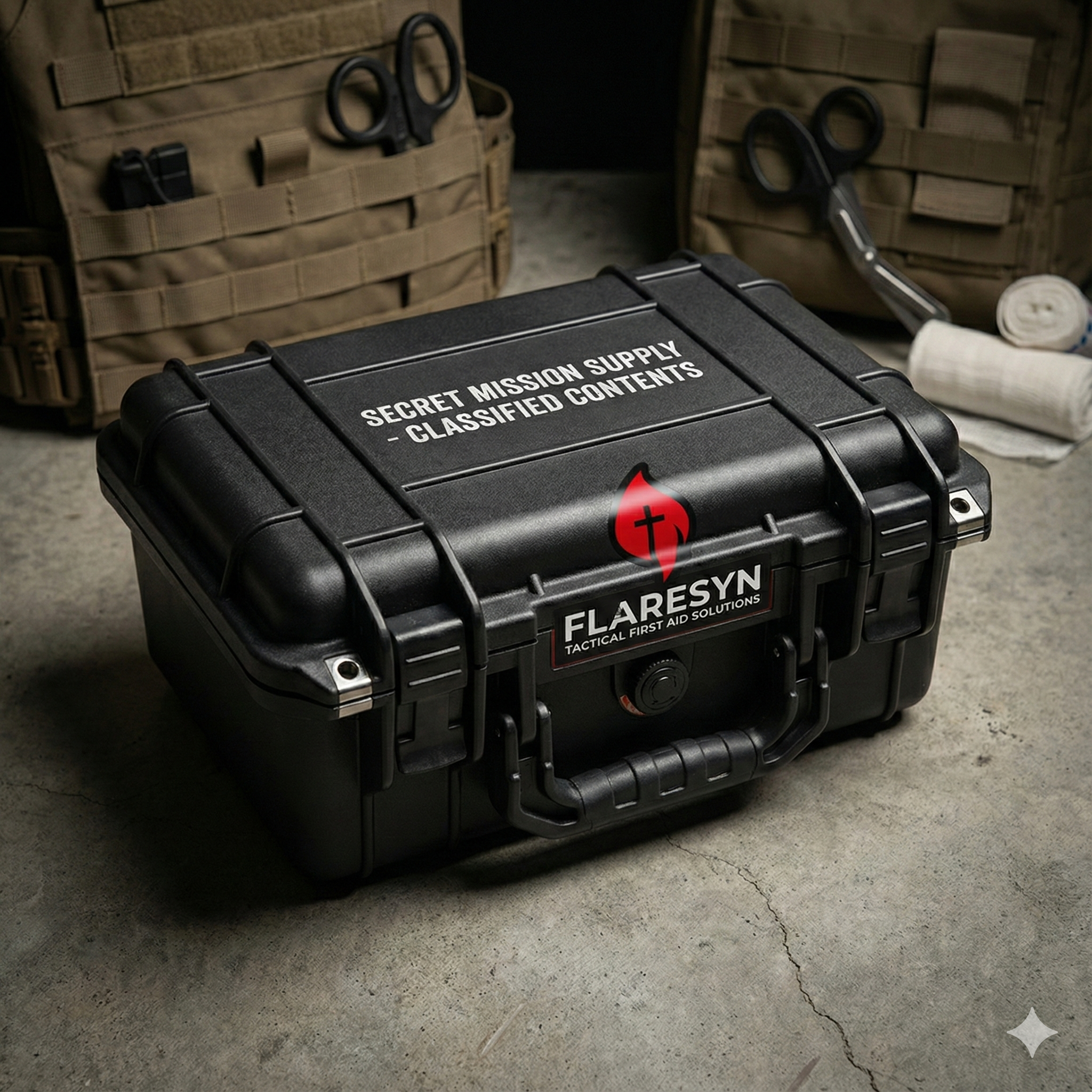
In a high-stress moment, the human brain enters a fight-or-flight mode that makes it difficult to think through complex problems. We often default to what we have seen most frequently, even if that information is wrong. This is why common sense is a poor substitute for actual training. To combat this, you should rely on tools that simplify the process. A FlareSyn Individual First Aid Kit (IFAK) is built with this reality in mind. It contains high-quality, medical-grade components like chest seals and compression bandages that allow you to follow a clear, mechanical process. When you have the right gear, you don't have to rely on memory or folklore; you just follow the evidence-based steps that the gear was designed for.
Essential Tools for Modern First Aid
The transition from old myths to modern reality requires a change in your equipment. A standard box of colorful bandages is fine for a playground scrape, but it won't help in a real trauma situation. Modern first aid requires Trauma Gear, items like windlass tourniquets, hemostatic dressings, and trauma shears. These tools are designed to work even when the lethal triad of trauma (cold, thin blood, and acidity) is present. Investing in a professional kit from FlareSyn is a statement that you value the life of your family and community enough to provide them with care that meets the standards of 2026, rather than the misconceptions of the past. Professional kits, like the SE IFAK Trauma Kit, include these specific materials to replace outdated home remedies.
Conclusion: Update Your Skills, Save a Life
The difference between a life saved and a life lost often comes down to the quality of the information the first responder possesses. By letting go of outdated myths like putting butter on burns or sucking out snake venom, you are removing the obstacles to effective care. First aid is not about doing something dramatic; it is about being a calm, stable force that uses the right techniques and the right tools. Keep your knowledge updated, stay stocked with professional gear from FlareSyn, and remember that in an emergency, the simplest, science-backed actions are almost always the most powerful.
Frequently Asked Questions
Why is hydrogen peroxide no longer recommended for cleaning cuts?
Hydrogen peroxide is a non-selective chemical that kills healthy skin cells and white blood cells alongside bacteria. This destruction of healthy tissue actually delays the healing process and increases the likelihood of scarring. Plain, drinkable water and mild soap are now the medical gold standard for cleaning minor wounds.
What should I do if someone faints?
Instead of slapping them or using smelling salts, lay the person flat on their back and elevate their legs about 12 inches. This uses gravity to help blood flow back to the brain. Most people will wake up quickly once blood pressure stabilizes; if they don't, call 911 immediately.
Can I be sued for providing first aid if I make a mistake?
In the United States, Good Samaritan Laws generally protect bystanders who provide voluntary, no-cost assistance in an emergency. As long as you act rationally and do not engage in gross negligence (doing something intentionally harmful), these laws are designed to encourage you to help without fear of legal consequences.
How often do first aid guidelines change?
Major organizations like the American Heart Association (AHA) and the Red Cross typically update their formal guidelines every five years. These changes are based on the latest clinical data and survival statistics to ensure that the techniques you learn are the most effective ones available.
Is a belt an effective substitute for a professional tourniquet?
No. Research shows that belts and other improvised tourniquets fail nearly 75% of the time because they cannot be tightened enough to stop arterial blood flow and are often too narrow, causing nerve damage. It is essential to keep a windlass tourniquet, like those from FlareSyn, in your emergency kit.