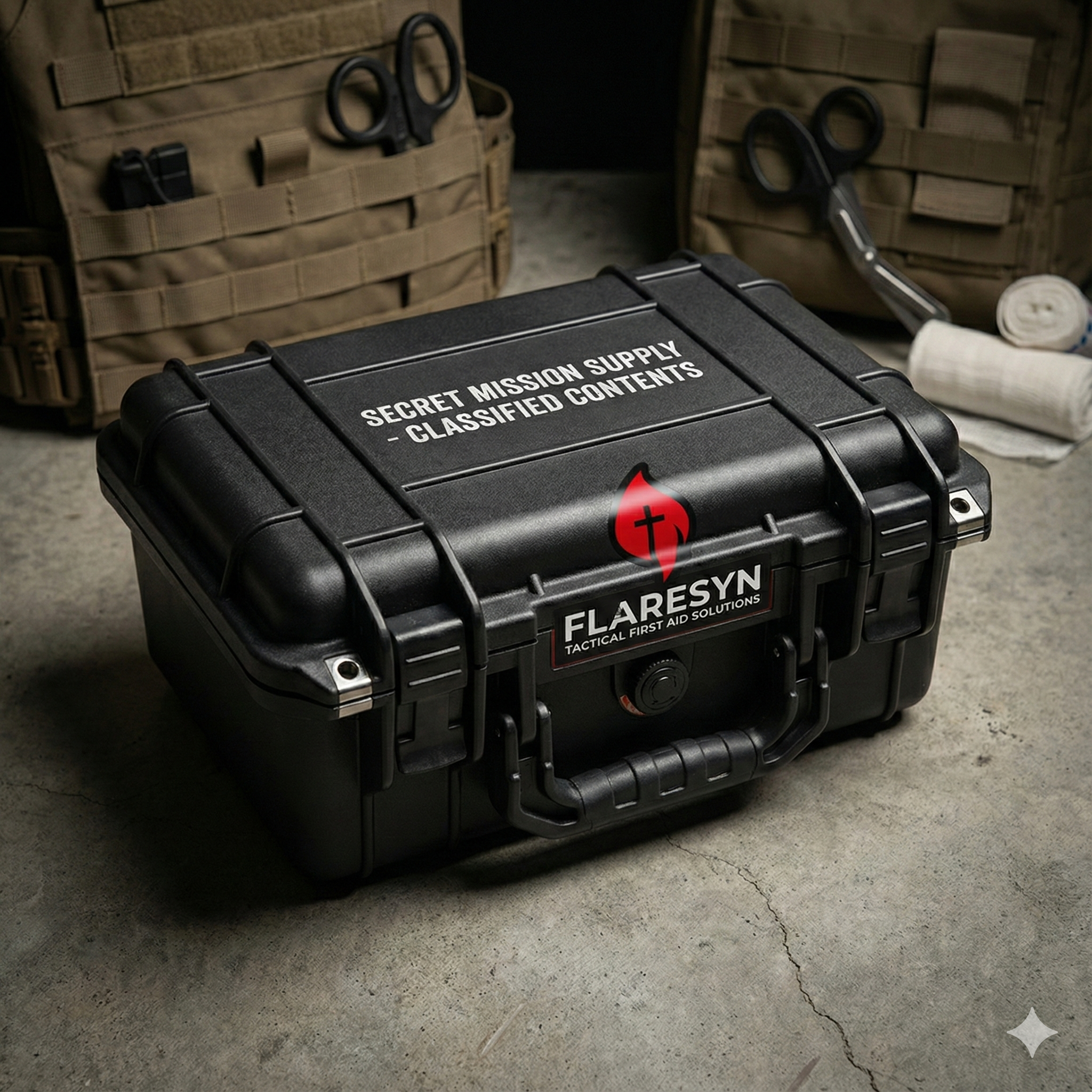
Winter Car Emergency Kit: Survive Cold-Weather Breakdowns
Winter driving in the United States brings risks that many drivers underestimate until they are stuck on the roadside with a dead battery, freezing temperatures, and no immediate help. Snowstorms, icy highways, and sudden breakdowns can turn a short drive into a long wait that puts personal safety at risk. A winter car emergency kit solves this problem by giving you the tools and supplies needed to stay warm, visible, and prepared while waiting for assistance. This guide explains what winter car emergency kits are, why they matter, and how they protect drivers during cold-weather emergencies.
What Is a Winter Car Emergency Kit?
A winter car emergency kit is a collection of cold-weather safety items stored in your vehicle to help you handle breakdowns, accidents, or weather delays during winter months. Unlike standard car emergency kits, winter kits focus on warmth, traction, visibility, and survival during freezing conditions. These kits are built to support drivers who may need to remain in their vehicle for extended periods due to snow, ice, or blocked roads.
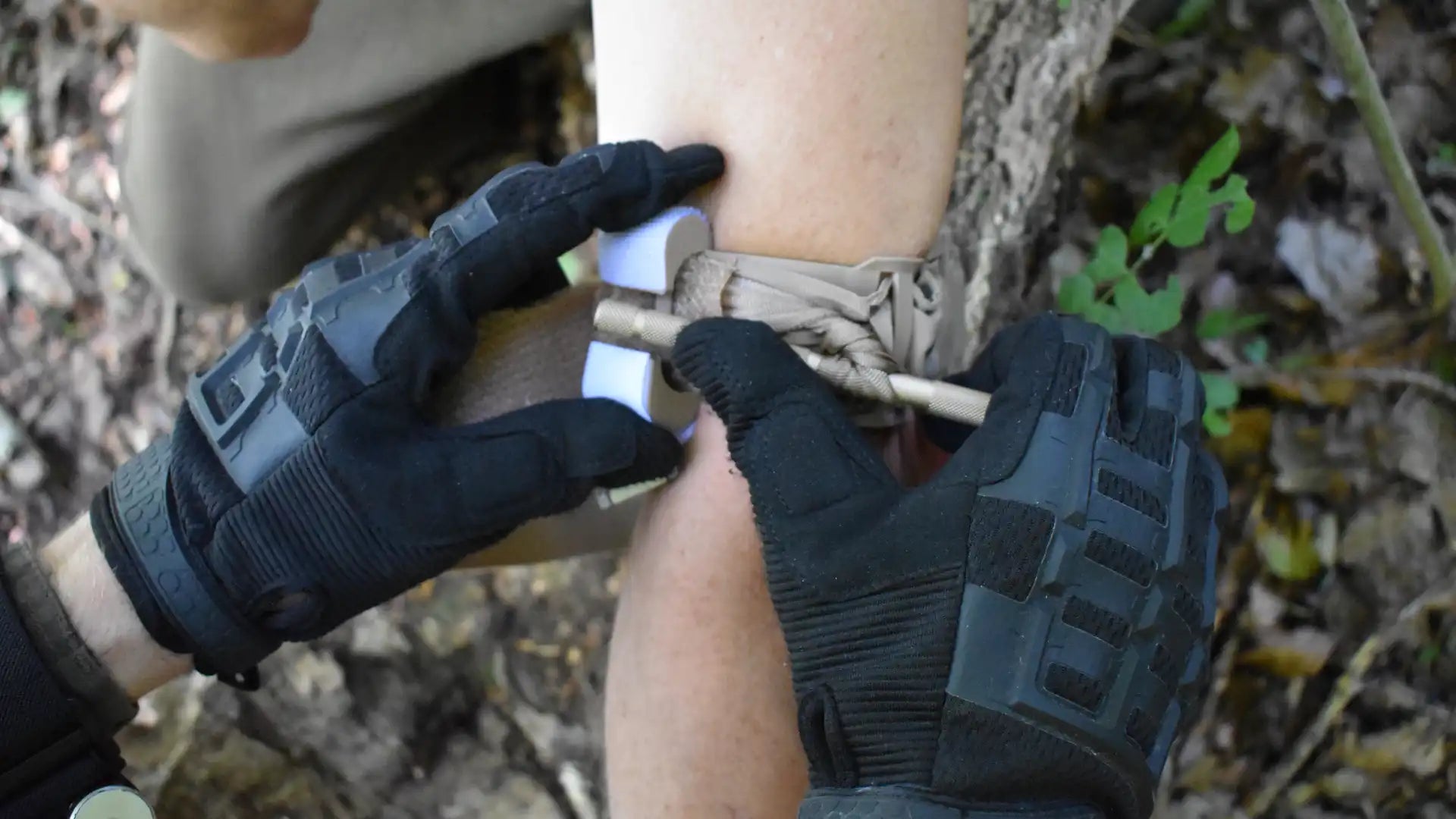
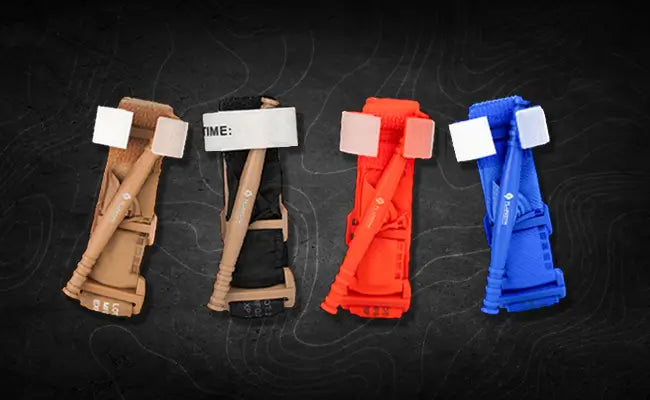
Winter car emergency kits often include insulated blankets, traction tools, jumper cables, winter clothing accessories, and emergency food. These supplies are chosen to address cold exposure, reduced battery performance, and limited roadside help during storms. For US drivers who commute daily or travel long distances, having a winter-ready kit is a practical step for seasonal safety. While your vehicle’s heater is your primary defense, a dead battery can leave you in the cold; keeping a trauma kit in your winter kit ensures you can retain body heat even when the engine is off.
How Winter Car Emergency Kits Differ From Regular Kits
Regular car emergency kits are useful year-round but often fall short during winter. A basic kit may include a flashlight, first aid supplies, and jumper cables, but it usually lacks items needed for freezing temperatures. Winter car emergency kits add layers of protection that focus on heat retention, mobility on snow-covered roads, and extended survival time.
Key differences include:
-
Insulated blankets instead of thin emergency wraps
-
Snow and ice tools for vehicle recovery
-
Cold-weather clothing accessories
-
Food and water stored with freezing conditions in mind
These additions help drivers stay safe during long delays caused by winter weather, which are more common in many US states from late fall through early spring.
Winter Driving Risks Every Driver Should Prepare For
Winter driving introduces hazards that are less common in other seasons. Cold temperatures affect both vehicles and people, making preparation essential.
Common winter driving risks include:
-
Hypothermia: Prolonged exposure to cold can lower body temperature quickly, especially if heat is lost through wind or damp clothing.
-
Dead batteries: Cold weather reduces battery power, leading to unexpected breakdowns.
-
Poor traction: Snow and ice increase the chance of sliding, spin-outs, and stuck vehicles.
-
Limited visibility: Snowfall and shorter daylight hours make it harder for other drivers to see stopped vehicles.
-
Delayed assistance: Emergency services and tow trucks may take longer during storms.
Winter car emergency kits address these risks by helping drivers remain warm, visible, and mobile until help arrives. Don't wait for a blizzard to test your equipment. Review these winter hiking and vehicle safety tips to learn how to integrate smart tech and trauma kits into your cold-weather plan.
Who Needs a Winter Car Emergency Kit?
Winter car emergency kits are useful for all drivers, but they are especially important for certain groups. Daily commuters, rural drivers, and families traveling during holidays face higher exposure to winter road issues. Even drivers in urban areas can experience long delays due to accidents or road closures during snowstorms.
Drivers who should prioritize winter car emergency kits include:
-
People who commute early mornings or late nights
-
Families traveling with children
-
Drivers in snow-prone or icy regions
-
Long-distance travelers and road trippers
-
Anyone who drives during winter storms
For US drivers, winter weather patterns can change quickly, and having supplies ready in your vehicle reduces risk during unexpected situations.
Why Preparation Matters Before Winter Starts
Winter emergencies often happen without warning. Waiting until a storm hits to prepare can leave drivers without basic protection. A winter car emergency kit allows you to respond calmly and safely when problems occur. Preparation helps prevent panic, reduces exposure to cold, and supports clear decision-making during roadside emergencies.
At Flaresyn, safety planning starts with practical readiness. A properly equipped winter car emergency kit supports drivers during the most challenging weather conditions and helps protect lives during cold-weather incidents.
Winter Car Emergency Kit Checklist
One of the best ways to ensure your winter car emergency kit is always ready for use is to have a detailed, organized checklist. Having a printable version of your kit makes it easier to visually confirm that every essential item is in place, especially before hitting the road during the winter months. To simplify your winter preparedness, here’s a checklist you can keep in your car or download for easy reference.
|
Item |
Purpose |
Notes |
|
Thermal Blanket |
Keeps you warm during emergencies |
Lightweight & compact for easy storage |
|
Hand Warmers (2-3 packs) |
Provides warmth for hands in cold temperatures |
Consider reusable ones |
|
Ice Scraper & Snow Brush |
Clears ice and snow off windows and mirrors |
Opt for a brush with an extendable handle |
|
Collapsible Shovel |
Dig out your car from snow or mud |
Compact design for easy storage |
|
Traction Mats |
Helps gain traction if your tires get stuck |
Can be placed under the tires to move the car |
|
High-Calorie Snacks |
Non-perishable food to keep you energized |
Granola bars, nuts, and dried fruit are great choices |
|
Water Bottles (2) |
Prevent dehydration while waiting for help |
Store in an insulated case to prevent freezing |
|
First Aid Kit |
For treating minor injuries like cuts and scrapes |
Include band-aids, antiseptic wipes, and pain relievers |
|
Flashlight & Extra Batteries |
Helps you see in the dark, especially during night breakdowns |
Ensure batteries are fresh before every winter season |
|
Multipurpose Tool |
Useful for minor repairs or adjusting items in the car |
A compact tool with a knife, pliers, and screwdrivers |
|
Power Bank / USB Charger |
Keeps your phone charged in case of emergency communication |
Choose one with a large battery capacity |
|
Whistle & Emergency Radio |
Alerts others to your location and keeps you updated on weather |
Opt for a battery-operated or hand-crank radio |
|
Tire Pressure Gauge |
Ensures your tires are properly inflated during winter months |
Helps with tire maintenance |
Tip: Always double-check your kit before each winter trip to ensure everything is in working condition and up-to-date. Items like batteries, water, and food can expire, so it’s important to replace them periodically. The National Safety Council emphasizes that keeping your gas tank at least half-full is critical in winter to prevent fuel line freeze-up and provide enough heat if you become stranded.
How to Build Your Own Winter Car Emergency Kit
For those who prefer a more personalized approach, building your own winter car emergency kit allows you to select the exact items you need for your particular situation. Here's a step-by-step guide on how to assemble your own kit.
Step 1: Choose the Right Storage Container
Start by selecting a storage container. You want something that’s durable, water-resistant, and easy to store in your trunk. Plastic bins or duffle bags are both great options. Make sure the container is large enough to hold all the necessary items but small enough to not take up too much space in your vehicle.
Step 2: Include the Essentials
-
Thermal Blanket & Warm Clothing: Always have one or two thermal blankets that can keep you warm in case you get stuck. Consider including extra winter clothing such as socks, hats, and scarves.
-
Snow Tools: Invest in a quality snow brush and ice scraper. A collapsible shovel is a must for digging out of snowdrifts or mud.
-
Tire Maintenance Tools: A portable air compressor or tire inflator can be a lifesaver if you experience low tire pressure in freezing temperatures. A tire pressure gauge is also important to ensure your tires are properly inflated.
Step 3: Add Emergency Supplies
-
Food & Water: Pack enough non-perishable snacks to last you a few days, such as granola bars, canned food, or trail mix. Store the water in insulated containers to prevent freezing.
-
First Aid Kit: A basic first aid kit should have bandages, antiseptic wipes, scissors, tweezers, and pain relief medications. Add any personal medications you may need during an emergency.
Step 4: Ensure Communication and Visibility
-
Flashlight & Batteries: Keep a sturdy, high-powered flashlight in your kit, along with extra batteries. If you can, choose an LED flashlight for its durability and bright light output.
-
Communication Tools: A charged power bank is essential for keeping your phone working in case of an emergency. If possible, include a small hand-crank radio to listen for emergency updates, especially if you’re in a remote location.
Step 5: Customize for Your Needs
Lastly, customize your kit based on your vehicle type, the weather conditions in your area, and your typical driving habits. For instance:
-
If you frequently drive in remote areas, include additional tools like a satellite phone or a multi-tool for more complex repairs.
-
If you're driving a larger vehicle, such as an SUV, you may want to add snow chains for added traction.
By building your own kit, you can ensure that every item meets your specific needs and that you have everything required to handle a variety of winter emergencies.
How to Maintain a Winter Car Emergency Kit
Winter kits require regular checks, especially during long cold seasons. Batteries drain faster in low temperatures, and food or medical supplies can expire without notice.
Maintenance checklist:
-
Check batteries monthly and replace if needed
-
Inspect blankets and clothing for moisture or damage
-
Rotate food and water every season
-
Test jump starters and power banks
Spending a few minutes each month ensures your kit stays reliable during winter travel.
Common Winter Emergency Kit Mistakes to Avoid
Many drivers carry emergency kits but make simple mistakes that reduce their effectiveness. Understanding these errors helps prevent problems during real emergencies.
Common mistakes include:
-
Storing kits where they cannot be reached easily
-
Forgetting to replace expired items
-
Carrying summer-only supplies during winter
-
Relying fully on mobile phones for navigation and help
Cold weather drains phone batteries quickly, so backup power and paper maps remain useful during winter travel.
When to Upgrade or Replace Your Winter Emergency Kit
Emergency kits are not meant to last forever. Over time, supplies wear down, technology improves, and personal needs change. Families with children or pets may need larger or more specialized kits.
Signs it may be time to upgrade include:
-
Outdated safety equipment
-
Frequent winter travel or long commutes
-
Increased driving in rural or snow-heavy areas
At Flaresyn, winter car emergency kits are built for dependable cold-weather use, offering drivers confidence during harsh winter conditions.
Final Thoughts on Winter Car Emergency Kits
Winter roads demand preparation. Snow, ice, and freezing temperatures create situations where help may be delayed and conditions can change quickly. A well-prepared winter car emergency kit supports warmth, safety, and peace of mind during unexpected roadside events. For drivers across the United States, having the right supplies on hand makes winter travel safer and more manageable.
Frequently Asked Questions
1. How is a winter car emergency kit different from a regular emergency kit?
A winter car emergency kit includes cold-weather supplies that regular kits often lack. These items focus on warmth, traction, and visibility in freezing conditions. Insulated blankets, snow removal tools, hand warmers, and traction aids are key differences that help drivers stay safe during winter breakdowns or storm delays.
2. How long should a winter car emergency kit stay in my vehicle?
A winter car emergency kit should remain in your vehicle for the entire cold season, typically from late fall through early spring. In many US states, this means keeping the kit in your car from October through March. Supplies should be checked monthly and refreshed as needed.
3. Can bottled water freeze inside a winter car emergency kit?
Yes, bottled water can freeze in cold temperatures. To reduce this risk, store water in insulated containers and leave some air space in bottles to allow for expansion. Many drivers also carry electrolyte packets or water pouches designed for cold storage.
4. What should I do if I am stranded in winter weather?
If stranded during winter weather, stay inside your vehicle if it is safe, turn on hazard lights, and use reflective warning devices. Keep the exhaust pipe clear of snow, conserve fuel by running the engine intermittently, and use blankets and warm clothing from your winter emergency kit to maintain body heat while waiting for help.
5. Are winter car emergency kits necessary in areas with mild winters?
Even in areas with mild winters, sudden cold snaps, freezing rain, or power outages can create dangerous driving conditions. A winter car emergency kit provides basic protection during unexpected delays and is useful for long-distance travel, mountain routes, or overnight trips during cooler months.