

Training & Refill Strategies to Keep Your Trauma Gear Ready
Quick Answer
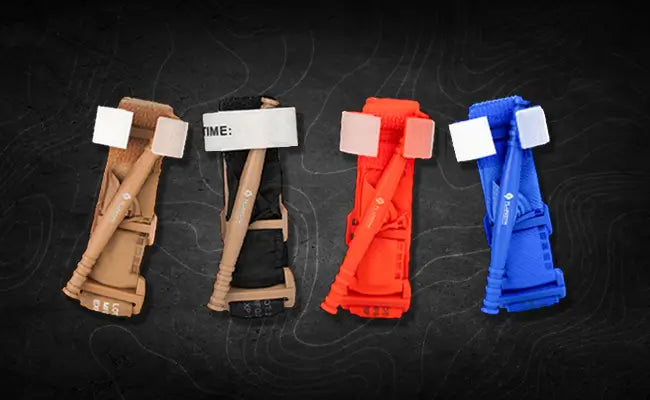
Training and refill strategies keep trauma gear ready by combining regular emergency response training with routine equipment inspections and timely supply replacement. Monthly checks, hands-on bleeding control practice, and restocking critical items like tourniquets and hemostatic gauze ensure trauma kits remain reliable and effective during accidents, medical emergencies, and disaster situations.
Introduction
A trauma kit can save a life, but only if it is ready when an emergency happens. Many people store bleeding control kits in workplaces, vehicles, or emergency cabinets but forget to check expiration dates or practice using the equipment. When an accident occurs, untrained responders or missing supplies can delay treatment and increase the risk of severe blood loss.
This guide explains Training & Refill Strategies to Keep Your Trauma Gear Ready, helping individuals, businesses, and emergency teams stay prepared. You will learn how trauma kits work, what supplies they should contain, how to train people to use them, and how to maintain and refill them properly. The goal is simple: ensure that when an emergency happens in places like Casper, Wyoming, your trauma gear works immediately and effectively.
Why Trauma Gear Readiness Matters in Emergency Situations
Trauma gear readiness plays a major role in emergency survival. Severe injuries such as deep cuts, vehicle accidents, or workplace incidents can cause heavy bleeding in minutes. Without immediate care, victims may lose dangerous amounts of blood before reaching a hospital.
Prepared trauma kits allow responders to control bleeding quickly using tools like tourniquets, compression bandages, and hemostatic gauze. Communities that prioritize trauma readiness often see better survival outcomes because trained individuals can provide early care while waiting for professional medical teams. For places like Casper, where outdoor activities and industrial work are common, keeping trauma gear ready can make a meaningful difference in emergency response.
The Role of Immediate Medical Response in Preventable Deaths
Many trauma deaths occur before patients reach medical facilities. Emergency medicine research shows that uncontrolled bleeding is one of the most preventable causes of trauma-related deaths. Immediate intervention can stabilize patients long enough for paramedics and hospital teams to take over. Severe hemorrhage can lead to a preventable death in mere minutes. While standard first aid kits are for comfort, Flaresyn trauma gear is designed for survival.
Rapid response usually includes simple actions:
-
Applying pressure to bleeding wounds
-
Using a tourniquet for severe limb bleeding
-
Packing wounds with hemostatic gauze
-
Monitoring the patient for signs of shock
These steps require both proper equipment and trained individuals. Without training, even well-stocked trauma kits may remain unused during emergencies.
How Prepared Trauma Kits Improve Survival Outcomes
Trauma kits are designed for situations where regular first aid supplies are not enough. While standard first aid kits handle minor injuries, trauma kits address life-threatening bleeding and airway emergencies.
Prepared kits help responders act quickly by providing specialized equipment such as:
-
Tourniquets for severe bleeding
-
Hemostatic gauze for wound packing
-
Compression bandages for pressure application
-
Protective gloves and masks
When these supplies are organized and accessible, responders can control bleeding faster. Faster treatment often means less blood loss and better survival chances.
Real-World Scenarios Where Trauma Gear Saves Lives
Trauma kits are used in many real-world situations. These emergencies often occur unexpectedly, which is why preparation is essential.
Common examples include:
-
Highway accidents and vehicle rollovers
-
Industrial injuries involving machinery
-
Hunting or outdoor accidents in remote areas
-
Construction site incidents
-
Severe cuts from tools or equipment
In each case, the first few minutes are critical. A nearby trauma kit combined with basic bleeding control skills can stabilize a patient until emergency services arrive.
What Counts as Trauma Gear? Understanding Essential Life-Saving Equipment
Trauma gear refers to medical equipment used to treat serious injuries before professional medical care arrives. These supplies focus on controlling bleeding, protecting the airway, and preventing infection. Unlike standard first aid kits, trauma kits are built for high-risk injuries that require immediate intervention. They contain specialized tools that can stabilize patients during critical situations.A ready kit must be stocked with specialized tools. If you are building or auditing your setup, refer to the IFAK Checklist to ensure you have:
-
Emergency medical services (EMS)
-
Law enforcement officers
-
Workplace safety teams
-
Search and rescue groups
-
Outdoor travelers and hunters
Having the right equipment ready ensures responders can address serious injuries quickly.
Bleeding Control Tools (Tourniquets, Hemostatic Gauze, Pressure Bandages)
Bleeding control tools form the core of every trauma kit. These items help stop blood loss and stabilize injuries.
The most important tools include:
-
Tourniquets – used for severe limb bleeding
-
Hemostatic gauze – helps blood clot quickly in deep wounds
-
Pressure bandages – maintain pressure on the wound site
These items work together to manage heavy bleeding, which is often the most urgent problem during trauma emergencies.
Airway Management Supplies
Traumatic injuries sometimes affect breathing. Airway management tools help maintain airflow until medical professionals arrive. Common airway supplies include:
-
CPR masks
-
Airway tubes
-
Suction devices
These tools allow trained responders to assist patients who may have difficulty breathing due to injury or shock.
Personal Protective Equipment (PPE)
Safety for responders is an important part of emergency care. Personal protective equipment protects both the patient and the person providing aid.
Typical PPE items include:
-
Medical gloves
-
Face masks
-
Eye protection
-
Protective gowns in advanced kits
These items help prevent exposure to bloodborne pathogens and maintain hygienic treatment conditions.
Wound Care and Infection Prevention Supplies
After bleeding is controlled, wounds must be protected from contamination. Trauma kits include supplies that help keep injuries clean until proper medical treatment is available.
Common items include:
-
Sterile wipes
-
Antiseptic solutions
-
Gauze pads
-
Adhesive dressings
These supplies support wound protection and help reduce infection risks.
Trauma Kit Components and Their Emergency Use
|
Trauma Gear Item |
Primary Purpose |
Emergency Use |
|
Tourniquet |
Stop severe limb bleeding |
Applied above wound to restrict blood flow |
|
Hemostatic Gauze |
Promote rapid clotting |
Packed into deep wounds |
|
Compression Bandage |
Maintain wound pressure |
Secures dressings in place |
|
Medical Gloves |
Infection protection |
Protects responder and patient |
|
Trauma Shears |
Remove clothing |
Allows quick wound access |
|
CPR Mask |
Breathing assistance |
Used during resuscitation |
The Importance of Regular Training for Trauma Gear Use
Owning trauma gear is helpful, but training determines whether it will actually save a life. Without practice, responders may hesitate or use equipment incorrectly during emergencies. Training builds familiarity with the tools and improves response speed. Individuals who practice bleeding control techniques feel more confident and act faster when accidents occur.
Regular training ensures that trauma gear is used properly, reducing the risk of treatment errors during high-stress situations.
Why Equipment Alone Is Not Enough
Many organizations purchase trauma kits but never train staff to use them. In emergencies, this leads to confusion or delayed treatment. Medical equipment requires knowledge. For example, a tourniquet must be placed in the correct location and tightened properly to stop bleeding. Incorrect use may fail to control the injury.
Training programs teach responders how to:
-
Identify severe bleeding
-
Apply tourniquets correctly
-
Pack wounds with hemostatic gauze
-
Monitor patients for shock
These skills transform trauma gear into effective life-saving tools.
Core Trauma Care Skills Every Responder Should Practice
Trauma gear works best when responders know how to apply it quickly and correctly. Skills training helps individuals respond calmly and effectively during emergencies. Even simple actions like placing a tourniquet or packing a wound can reduce blood loss and prevent serious complications.
For communities and organizations in Casper, Wyoming, where outdoor activities, construction work, and travel through remote areas are common, practical trauma response skills are especially important. Training ensures that trauma kits stored in vehicles, workplaces, or public buildings can be used confidently when accidents occur.
Consistent practice helps responders:
-
Recognize life-threatening injuries faster
-
Apply bleeding control tools correctly
-
Stabilize patients until EMS arrives
-
Reduce panic during emergencies
Training programs should focus on a few essential skills that address the most common trauma emergencies.
Severe Bleeding Control Techniques
The priority in trauma care is controlling severe bleeding. Uncontrolled blood loss can lead to hypovolemic shock, which occurs when the body loses too much blood to maintain normal circulation.
Responders learn to identify severe bleeding through signs such as:
-
Rapid blood flow from a wound
-
Blood pooling on the ground
-
Clothing soaked with blood
-
Weak pulse or pale skin in the victim
Effective bleeding control usually involves three steps:
-
Applying firm pressure directly on the wound
-
Using hemostatic gauze or wound packing if bleeding continues
-
Securing the wound with a compression bandage
Practicing these steps prepares responders to act quickly during real emergencies.
Tourniquet Application Best Practices
Tourniquets are one of the most effective tools for controlling severe limb bleeding. When used correctly, they stop blood flow to the injured area and prevent further blood loss.
Training focuses on correct placement and tightening techniques. The tourniquet must be applied above the wound and tightened until bleeding stops.
Key best practices include:
-
Placing the tourniquet on bare skin if possible
-
Positioning it several inches above the wound
-
Tightening until bleeding stops completely
-
Recording the time of application for medical personnel
Modern tourniquets used by EMS and tactical medics are designed for rapid application and reliability during trauma emergencies.
Wound Packing With Hemostatic Gauze
Deep wounds often require wound packing, especially when bleeding originates from inside the injury. Hemostatic gauze helps blood clot quickly by interacting with blood cells and forming a seal at the wound site. Use trauma kit scenario drills to simulate deep injuries and practice firm packing with hemostatic agents.
During training, responders practice:
-
Identifying deep bleeding wounds
-
Packing gauze firmly into the wound cavity
-
Maintaining pressure for several minutes
-
Securing the wound with a compression dressing
Products such as chitosan-based hemostatic gauze are commonly used because they accelerate clot formation and reduce bleeding time.
Training Methods That Improve Trauma Response Readiness
Learning emergency skills once is rarely enough. Regular practice helps responders maintain confidence and improve reaction time. Effective training programs combine theory with hands-on exercises that simulate real emergencies.
Organizations that maintain trauma kits should also maintain training programs so staff members remain comfortable using the equipment. Training programs often focus on realistic scenarios that mimic the stress and urgency of real incidents.
Hands-On Simulation Drills
Simulation drills allow responders to practice trauma care in controlled environments. These drills recreate common emergency scenarios so participants can apply their skills.
Typical drill scenarios include:
-
Vehicle collision injuries
-
Industrial accidents
-
Severe bleeding from deep cuts
-
Unconscious victims requiring airway support
Hands-on drills build muscle memory. When emergencies occur, responders who have practiced these scenarios react more quickly.
Scenario-Based Emergency Training
Scenario-based training goes beyond basic drills. It places participants in detailed emergency situations where they must evaluate the scene, identify hazards, and apply the correct treatment. Examples of training scenarios include:
-
Treating a construction worker with a leg injury
-
Responding to a hunting accident in remote terrain
-
Stabilizing a patient during a workplace equipment injury
This type of training improves decision-making and teamwork during high-pressure situations.
Team Coordination and Communication Exercises
Emergency response often involves multiple people working together. Clear communication helps teams deliver care efficiently. Training exercises may include:
-
Assigning roles to responders
-
Practicing emergency communication protocols
-
Coordinating treatment steps between team members
These exercises improve response organization and reduce confusion during real emergencies.
Online and Hybrid Training Programs
Many organizations use online courses to supplement hands-on training. Digital training provides foundational knowledge before participants attend practical sessions. Online training typically covers:
-
Trauma kit components
-
Bleeding control techniques
-
Emergency response principles
Hybrid training models combine online learning with in-person skill practice, creating flexible training programs for businesses and community groups. By combining professional Tactical Medical Kits with a disciplined training and refill routine, you ensure that you are never caught unprepared.
Evaluating Skill Retention and Response Time
Training programs should also measure performance. Evaluating skill retention helps organizations determine whether responders remain prepared.
Common evaluation methods include:
-
Timed bleeding control drills
-
Practical skill demonstrations
-
Knowledge assessments
Tracking these results helps trainers identify areas that require additional practice or updated instruction.
Building a Trauma Gear Maintenance Routine
Trauma gear maintenance ensures that emergency supplies remain safe and functional. Even the best training cannot compensate for expired or damaged equipment.
A well-planned maintenance routine helps organizations and individuals keep trauma kits ready at all times. This routine involves regular inspections, proper storage, and organized inventory tracking.
Maintaining trauma gear is a simple but essential part of emergency preparedness.
Establishing a Monthly Equipment Inspection Checklist
Routine inspections help identify missing or expired supplies before emergencies occur. Many organizations perform monthly trauma kit inspections.
An inspection checklist may include:
-
Checking expiration dates on medical supplies
-
Inspecting packaging for damage
-
Confirming tourniquet functionality
-
Ensuring gloves and dressings remain sealed
Consistent inspections prevent unpleasant surprises during emergencies.
Identifying Expired or Damaged Medical Supplies
Medical supplies often have expiration dates because sterility and effectiveness decrease over time. Hemostatic dressings, antiseptics, and sterile gauze must be replaced once they expire.
Common signs that equipment needs replacement include:
-
Torn packaging
-
Moisture exposure
-
Discoloration or contamination
Removing compromised supplies keeps trauma kits reliable and safe.
Refill Strategies That Keep Trauma Kits Fully Stocked
Trauma gear must be ready at any moment. Supplies used during emergencies or training need immediate replacement. Without a refill plan, trauma kits quickly become incomplete, which can delay treatment during critical incidents.
Refill strategies help organizations and individuals maintain a fully stocked trauma kit at all times. These strategies focus on tracking supplies, replacing used items, and preparing backup inventory. In cities like Casper, Wyoming, where outdoor activities, construction work, and travel through remote areas are common, keeping trauma kits replenished ensures emergency supplies remain available when accidents happen.
An effective refill system includes:
-
Scheduled supply checks
-
Immediate replacement of used items
-
Monitoring expiration dates
-
Maintaining extra backup inventory
These steps help prevent supply shortages during emergencies.
Replace Supplies Immediately After Use
Any item used during training or emergency care should be replaced as soon as possible. Waiting too long can lead to forgotten items or incomplete kits. After any emergency or high-intensity drill, use training refill strategies to replace items like used tourniquets and opened gauze.
Common supplies that require immediate replacement include:
-
Tourniquets
-
Hemostatic gauze
-
Compression bandages
-
Medical gloves
-
Trauma shears
Organizations often assign a safety officer or supervisor to oversee trauma kit refills after incidents.
Track Expiration Dates With a Refill Calendar
Many trauma supplies have expiration dates because sterility and effectiveness decrease over time. Hemostatic gauze, antiseptic wipes, and sterile dressings are especially sensitive. A refill calendar helps track upcoming expiration dates. This system prevents supplies from becoming unusable before they are replaced. Simple tracking methods include:
-
Monthly calendar reminders
-
Spreadsheet inventory tracking
-
Digital safety management software
Regular monitoring keeps trauma kits safe and effective.
Maintain Backup Stock for Critical Supplies
Backup inventory helps avoid shortages when trauma kits require restocking. Safety teams often keep spare supplies stored in centralized locations. High-priority backup items include:
-
Tourniquets
-
Hemostatic dressings
-
Compression bandages
-
Nitrile gloves
Keeping spare supplies nearby ensures trauma kits can be refilled quickly after use.
Standardize Trauma Kits Across Locations
Organizations that manage multiple facilities or vehicles benefit from standardized trauma kits. Standardization ensures every kit contains the same equipment and supplies. This approach simplifies refills because staff members know exactly what each kit should contain. Standardization also helps during emergencies. Responders can open any trauma kit and immediately find familiar equipment.
Refill Checklist for Trauma Kit Maintenance
|
Inspection Task |
Recommended Frequency |
Purpose |
|
Check expiration dates |
Monthly |
Ensure supplies remain safe |
|
Replace used items |
Immediately |
Maintain full readiness |
|
Inspect packaging condition |
Monthly |
Prevent contamination |
|
Verify tourniquet function |
Monthly |
Ensure reliable bleeding control |
|
Restock gloves and dressings |
After use or quarterly |
Maintain supply levels |
Common Mistakes That Leave Trauma Kits Unprepared
Even organizations that purchase trauma gear sometimes overlook maintenance and training. These mistakes can leave kits incomplete or difficult to use during emergencies. Avoiding these common problems improves overall trauma preparedness.
Ignoring Expiration Dates
Expired medical supplies may lose sterility or effectiveness. Hemostatic agents and antiseptics are particularly sensitive to expiration. Regular inspections help identify and replace expired items before emergencies occur.
Storing Trauma Kits in Hard-to-Reach Locations
Trauma kits should be visible and accessible. Storing them in locked cabinets or hidden storage rooms delays response time. Clear signage and accessible placement help ensure kits can be used immediately during emergencies.
Lack of Training for Equipment Users
Many workplaces invest in trauma kits but do not train employees to use them. Without training, responders may hesitate or apply equipment incorrectly. Training ensures that staff members know:
-
How to identify severe bleeding
-
When to apply tourniquets
-
How to pack wounds effectively
Prepared responders use trauma gear with confidence.
Poor Inventory Tracking
Without inventory tracking, trauma kits may slowly lose supplies. Gloves, gauze, and bandages often disappear during minor first aid use. Routine inspections and refill logs prevent these shortages.
Frequently Asked Questions About Trauma Gear Readiness
How often should trauma kits be inspected?
Trauma kits should be inspected at least once per month. Inspections confirm that supplies remain intact, sterile, and within their expiration dates.
What items must always be stocked in a trauma kit?
Essential trauma kit supplies include:
-
Tourniquet
-
Hemostatic gauze
-
Compression bandage
-
Sterile dressings
-
Medical gloves
-
Trauma shears
These items address severe bleeding and other life-threatening injuries.
How long do trauma kit supplies last?
Most trauma kit supplies last three to five years, depending on the manufacturer. Hemostatic agents and sterile dressings typically have expiration dates printed on their packaging.
Is training necessary for using trauma kits?
Yes. Training improves response speed and ensures equipment is used correctly. Even short bleeding control courses can teach life-saving skills.
Where should trauma kits be stored?
Trauma kits should be stored in locations that are:
-
Easy to access
-
Clearly labeled
-
Protected from heat and moisture
Common locations include workplaces, vehicles, homes, and public buildings.
Trauma Gear Readiness Checklist
A simple checklist can help individuals and organizations maintain emergency preparedness.
Monthly Trauma Readiness Checklist
-
Inspect trauma kits for missing supplies
-
Check expiration dates on medical items
-
Replace used equipment immediately
-
Confirm tourniquets and tools function properly
-
Ensure kits remain accessible and clearly labeled
-
Review training schedules for staff or responders
Consistent use of this checklist keeps trauma gear ready for emergencies.
Conclusion: Keeping Trauma Gear Ready Saves Lives
Effective Training & Refill Strategies to Keep Your Trauma Gear Ready combine preparation, practice, and routine maintenance. Trauma kits must be stocked with the right equipment, stored in accessible locations, and supported by regular training programs. Communities and organizations that follow structured refill and training systems improve their ability to respond to serious injuries. These efforts reduce delays in bleeding control and help stabilize patients before professional medical teams arrive.
For residents and businesses in Casper, Wyoming, trauma preparedness supports workplace safety, outdoor recreation, and community emergency response. A well-maintained trauma kit and trained responders can make the difference between life and death during critical moments.


1 comentário
Super
Enrico Petigax
Deixar comentário
Este site é protegido por hCaptcha e a Política de privacidade e os Termos de serviço do hCaptcha se aplicam.