
Trauma Kit Scenario Drills: High-Stress Emergency Guide 2026
Why Scenario Training Matters for Trauma Kits
When it comes to trauma kits, knowing the gear isn’t enough. Real emergencies aren’t predictable—they’re chaotic, stressful, and full of unexpected variables. That’s why trauma kit scenario drills is a game-changer for beginners and intermediate users alike.
Beyond Basics: Why Drills Beat Theory
Reading about tourniquets, gauze, or pressure bandages can give you familiarity, but hands-on practice in realistic scenarios is what sticks. Drills force you to make quick decisions, prioritize injuries, and learn the physical motions needed under pressure. The difference is simple: knowledge tells you what to do; practice teaches you how to do it when it counts.
How Stress Changes Decision-Making
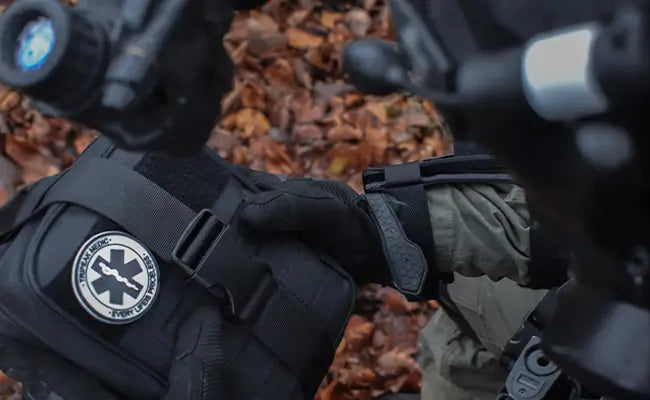
Stress isn’t just mental—it changes your body. Heart rate spikes, hands shake, and fine motor skills drop. Even if you understand the steps in theory, panic can freeze action or lead to mistakes. Scenario drills train your mind and body to act under real conditions, so when a car accident, hiking fall, or sudden bleed happens, your reactions are fast, confident, and instinctive.
Car Accident Trauma Kit Scenario drills
Car accidents are one of the most common emergencies where trauma kits make a real difference. In these high-pressure situations, every second counts—and knowing what to do first can mean the difference between a stable patient and a worsening injury.
Quick Assessment: What to Check First
The first moments after a crash should be about scene safety and rapid evaluation. Before touching the injured, make sure the area is safe from oncoming traffic, fire, or leaking fuel. Then, quickly assess the victims: are they conscious? Are they breathing? Is there heavy bleeding? These quick observations set the stage for every decision that follows.
Tools to Deploy in the First 5 Minutes
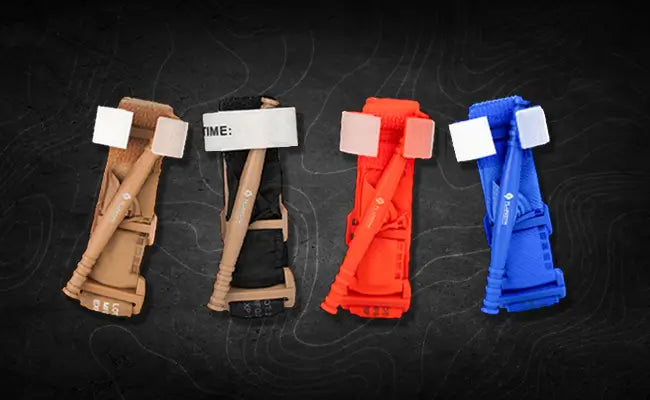
The first five minutes are critical. Start with what matters most: stop severe bleeding. Tourniquets for limbs, hemostatic gauze for deep wounds, and pressure bandages for tricky areas can stabilize injuries while waiting for EMS. Gloves, shears, and a small flashlight may seem minor, but they allow you to act efficiently under stress.
Prioritizing Life-Threatening Injuries vs Minor Cuts
Not every scratch needs immediate attention. Focus on life-threatening injuries first: uncontrolled bleeding, airway compromise, and signs of shock. Minor scrapes or bruises can wait. This mental triage is what makes trauma kits effective—the right tool in the right place at the right time.
Outdoor Injury Situations
Emergencies don’t just happen on the road—they happen in the wild, too. Whether you’re hiking, camping, or exploring remote areas, being ready to respond with a trauma kit can turn a potential disaster into a manageable situation.
Hiking or Camping Falls
Falls are one of the most common outdoor injuries. A simple misstep on a trail or uneven ground can lead to cuts, bruises, or more serious trauma. Before rushing in, assess the scene: is the area safe from hazards like loose rocks or steep slopes? Then check the injured person for consciousness, mobility, and visible bleeding.
Sprains, Fractures, and Bleeding Control
Outdoor injuries often involve sprains, fractures, or cuts. While minor sprains can be managed with basic compression and rest, fractures and uncontrolled bleeding need immediate attention. Use your trauma kit tools strategically: tourniquets for heavy limb bleeding, gauze and pressure bandages for deep cuts, and padding or splints to stabilize fractures until help arrives.
When to Call for Help vs. Treat On-Site
One of the trickiest decisions outdoors is knowing when to treat on-site and when to call for help. If injuries are severe, like heavy bleeding, suspected spinal trauma, or loss of consciousness, call EMS immediately. For less critical injuries, your trauma kit allows you to stabilize and monitor until professional help can reach you. Prioritize safety, bleeding control, and keeping the patient calm.
Family & Road Trip Emergency Scenarios
Road trips and family outings are supposed to be fun—but accidents can happen anytime. Having a trauma kit is essential, not just for yourself, but for everyone in the car or on the trip.
Handling Multiple Patients in Confined Space
Cars, RVs, or small cabins mean limited room to move. If more than one person is injured, prioritize life-threatening conditions first, like severe bleeding or unconsciousness. Quickly decide who needs immediate attention and who can be stabilized with basic care until help arrives. Organization and calm thinking are key in tight spaces.
Managing Children or Elderly During Trauma
Children and older adults require special attention. Kids may panic or resist treatment, and seniors might have slower responses or pre-existing conditions. Adjust your approach: explain actions calmly, keep them still, and use your trauma kit tools gently but effectively. Comfort and reassurance are as important as medical intervention.
Packing Your Kit for Vehicle Travel
A trauma kit only works if it’s accessible. For road trips, store your kit within reach of the driver or front passenger, ideally in a compartment that opens easily even under stress. Include essentials for multiple patients, such as extra gloves, gauze, and bandages. The goal is not to carry everything—but to carry enough to act confidently for anyone in the car.
Decision-Making Under Pressure
Emergencies don’t wait for calm moments. High-stress situations—whether a car accident, a hiking fall, or a family emergency—can cloud judgment and slow your response. Trauma kits are only as effective as the decisions you make when seconds count.
Scene Evaluation: What Comes First?
Before touching anyone, take a quick survey of the scene. Identify hazards like traffic, unstable terrain, or fire. Then, evaluate the patients: who is bleeding heavily, who is unconscious, and who can wait? This rapid triage helps you allocate attention and resources effectively, instead of wasting time on minor injuries first.
When to Prioritize Calling EMS
Knowing when to call for professional help is critical. Life-threatening conditions—uncontrolled bleeding, difficulty breathing, severe head injuries, or loss of consciousness—require immediate EMS notification. Even if you are confident with your trauma kit, getting experts on the way early saves crucial minutes.
Using Mental Checklists to Avoid Panic
Stress can scramble memory and slow decision-making. Mental checklists—simple step-by-step routines you practice—help you stay focused and act efficiently. For example:
-
Ensure scene safety
-
Assess consciousness and breathing
-
Control severe bleeding
-
Call EMS if needed
-
Stabilize the patient and monitor
Rehearsed sequences turn instinctive responses into deliberate, lifesaving actions, even when the situation feels chaotic.
Common Scenario Mistakes Beginners Make
Even with a trauma kit at hand, beginners often struggle under pressure, making mistakes that slow response or reduce effectiveness. Recognizing common pitfalls is the first step toward real-world readiness.
Deploying the Wrong Tool First
A frequent error is reaching for the wrong item at the wrong time. For example, applying a bandage to a minor cut while severe limb bleeding goes unchecked can be fatal. Knowing which tool addresses the most critical injury first—tourniquet for massive limb bleeding, gauze for deep wounds—can save valuable minutes.
Hesitating Due to Unfamiliar Gear
Stress magnifies uncertainty. If you’ve never practiced using your trauma kit, hesitation can be deadly. Beginners often fumble with tourniquets, shears, or pressure bandages, losing precious seconds. Familiarity through hands-on drills reduces hesitation and builds confidence in decision-making.
Overcomplicating a Situation Instead of Simplifying
In emergencies, simple actions win. Overthinking, multitasking, or attempting advanced procedures can worsen outcomes. Focus on stabilizing life-threatening conditions first and avoid unnecessary steps. A streamlined, scenario-driven approach ensures your trauma kit remains an effective tool, not a source of confusion.
Building Scenario-Focused Habits
Preparation isn’t just about owning a trauma kit—it’s about turning knowledge into instinctive action. Scenario-focused habits help ensure that, when an emergency strikes, you respond quickly, confidently, and effectively.
Practicing Drills at Home or Outdoors
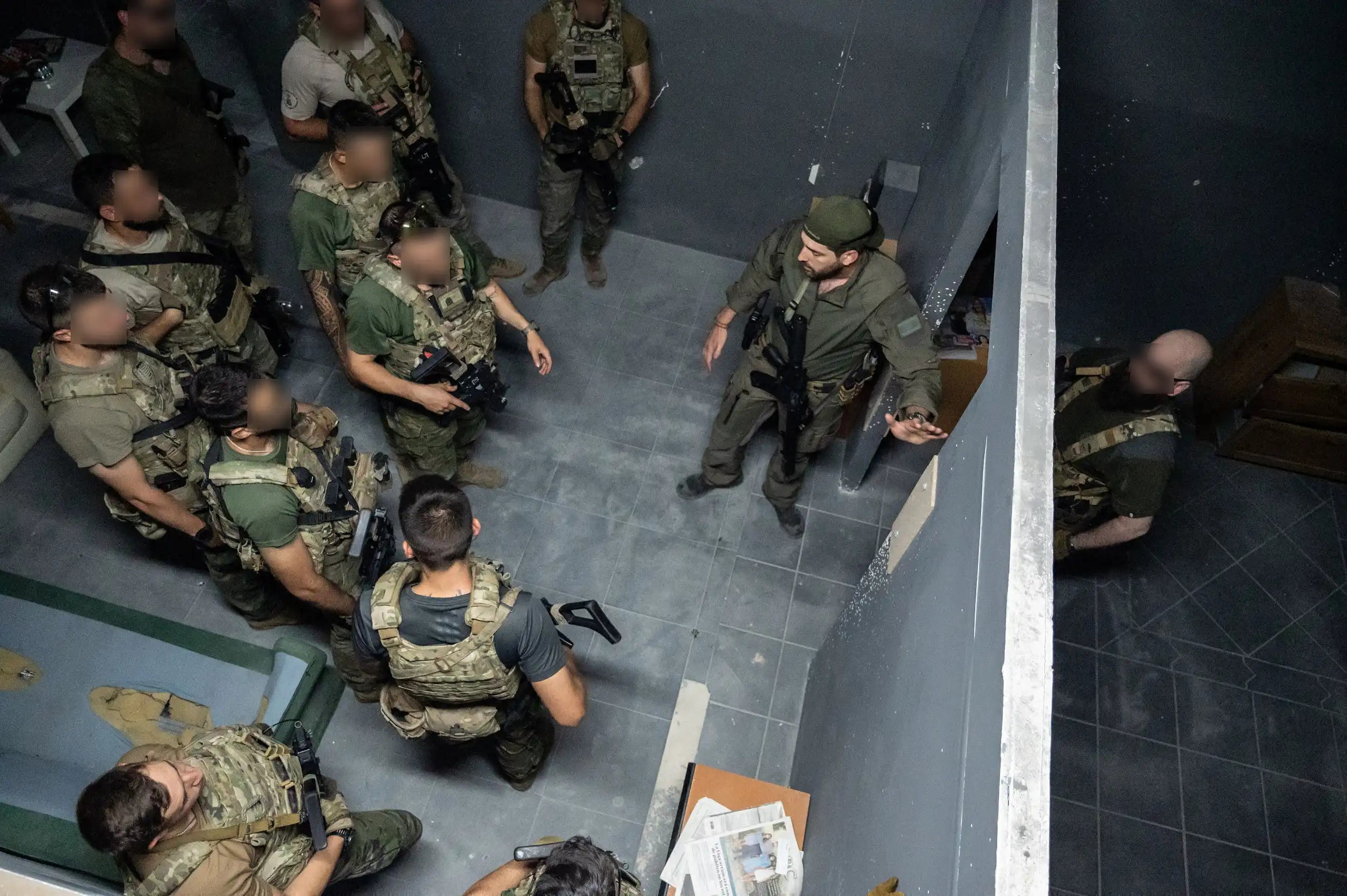
Regular drills are the cornerstone of readiness. Simulate real-life emergencies: practice stopping bleeding, applying tourniquets, or handling multiple patients. Even simple role-playing in your living room or backyard can train your hands and mind to act under stress. The more you practice, the more automatic your responses become.
Familiarizing Yourself with Your Kit Layout
Know your kit inside and out. Identify where every item lives and practice retrieving it without thinking. This reduces hesitation and ensures you grab the right tool, even in low light or chaotic conditions. A well-organized kit plus muscle memory equals faster, more effective action.
Small Steps That Create Big Readiness Gains
You don’t need to master every scenario at once. Start with basic drills, review your kit weekly, and gradually introduce more complex situations. These small, consistent steps compound over time, creating a level of preparedness that’s reliable, practical, and stress-tested.


Leave a comment
This site is protected by hCaptcha and the hCaptcha Privacy Policy and Terms of Service apply.