
5 Lifestyle Tweaks That Make You Crisis-Ready
Carry Essentials Without Extra Bulk
Staying Crisis-Ready does not require carrying oversized bags or heavy gear every day. In fact, excessive bulk often works against preparedness, making people leave critical items behind. A smarter approach focuses on compact, purpose-driven essentials that fit seamlessly into daily routines. When emergency tools are lightweight, discreet, and easy to access, they are far more likely to be carried consistently. A truly Crisis-Ready lifestyle is built on balance—enough capability to respond, without sacrificing comfort or mobility.
Compact IFAKs, Tourniquets, and Multi-tools
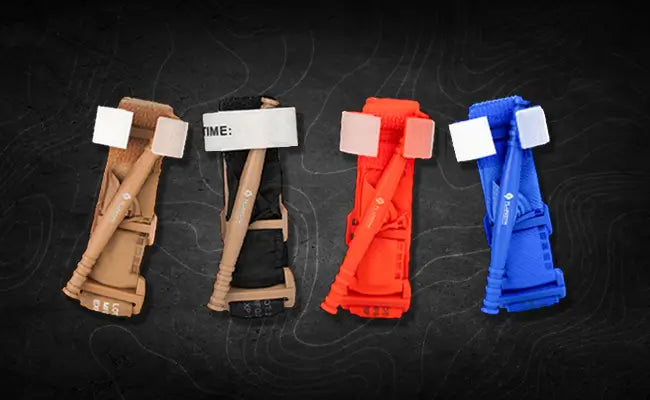
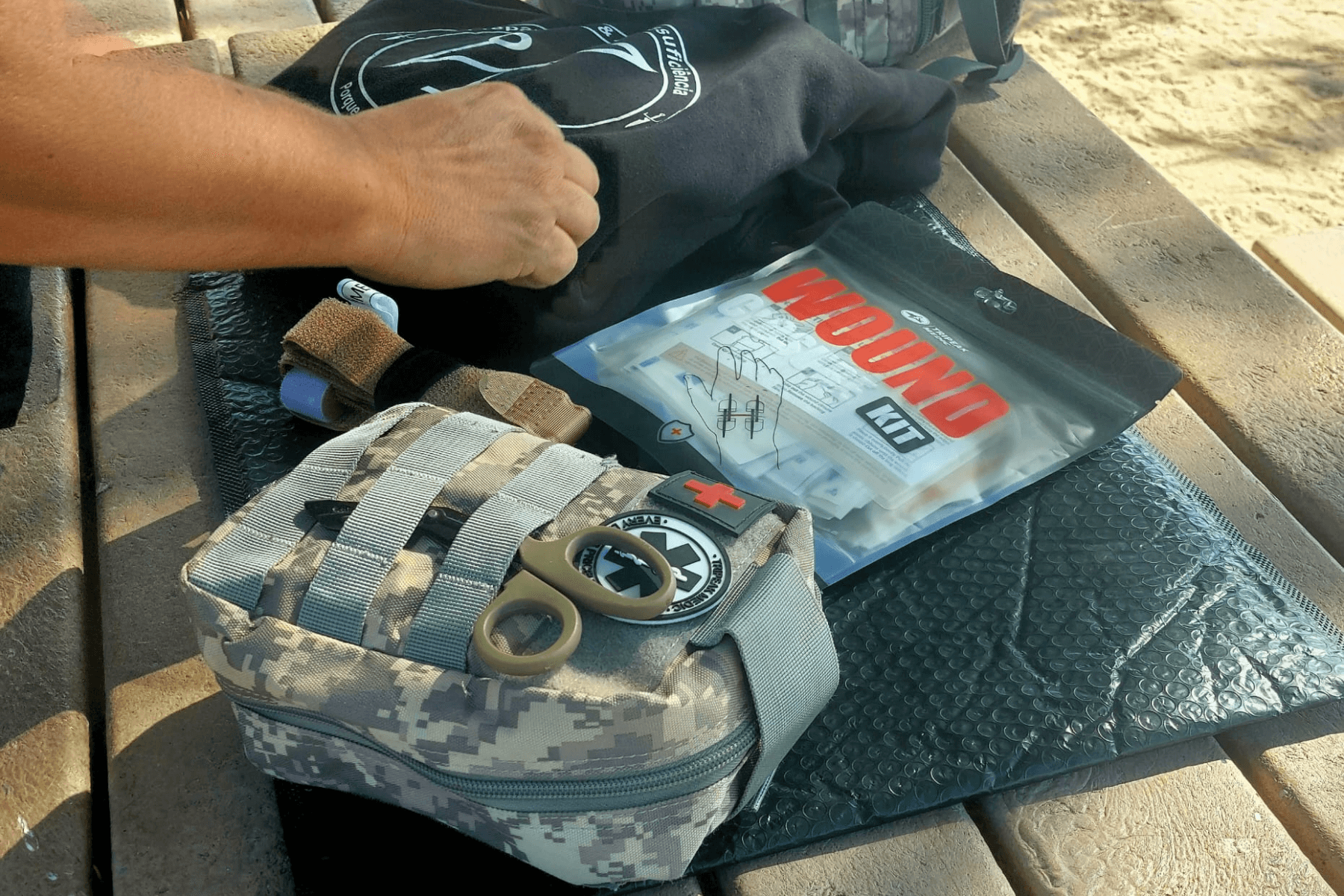
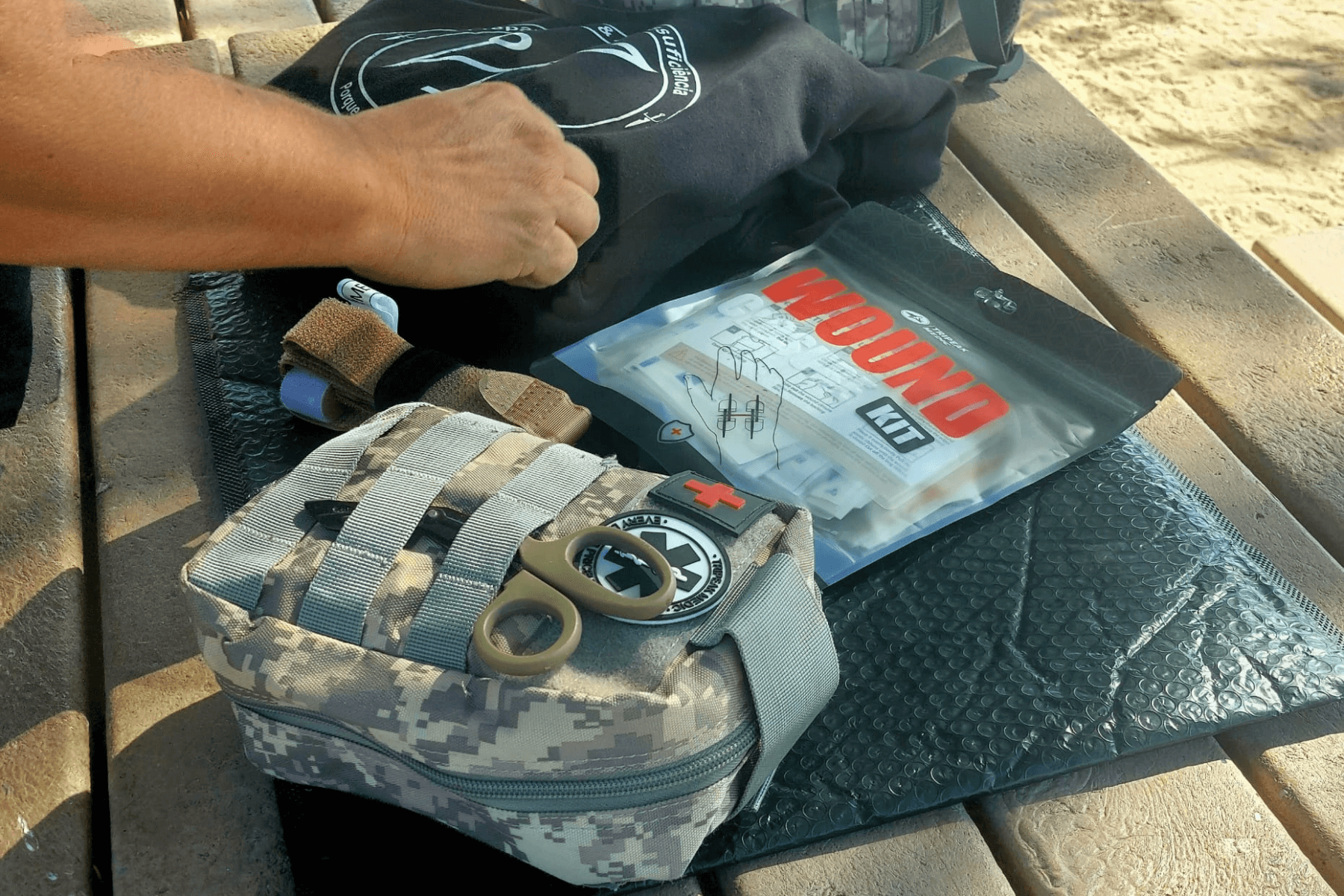
Compact medical gear forms the backbone of a Crisis-Ready everyday carry setup. Modern Individual First Aid Kits (IFAKs) are designed to handle the most time-sensitive emergencies—especially severe bleeding—while remaining small enough for daily use. Instead of full trauma bags, compact IFAKs prioritize high-impact components that address realistic risks.
Key elements commonly found in Crisis-Ready compact kits include:
-
Low-profile tourniquets that can be deployed with one hand
-
Compressed gauze or pressure bandages for bleeding control
-
Minimalist multi-tools that combine cutting, gripping, and leverage
These items focus on speed and effectiveness rather than excess. A compact tourniquet carried daily is far more valuable than a larger one left at home. The same logic applies to multi-tools: slim designs reduce weight while still offering critical functionality in emergencies. By selecting streamlined tools, you maintain a Crisis-Ready posture without turning everyday carry into a burden.
Making Everyday Carry Practical
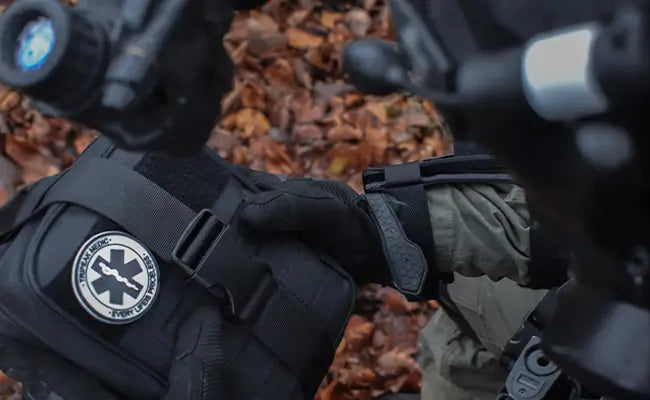
Practicality is what transforms equipment into real-world readiness. To remain Crisis-Ready, your gear must integrate naturally into your daily habits. This means thinking carefully about where and how essentials are carried. Items buried at the bottom of a bag or stored in hard-to-reach compartments may fail when time is limited.
Effective Crisis-Ready carry habits often include:
-
Keeping medical gear in consistent, easily reachable locations
-
Choosing pouches or mounts that fit existing bags or clothing
-
Regularly checking and repositioning gear based on daily movement
Consistency builds familiarity. When you interact with your gear daily—adjusting it, noticing its presence, and practicing access—you reduce hesitation during high-stress moments. A Crisis-Ready mindset is reinforced through repetition, not complexity. By carrying only what you need and carrying it well, preparedness becomes a natural part of everyday life rather than a special effort reserved for rare situations.
Develop a Personal Safety Routine to Make You Crisis-Ready
A consistent personal safety routine is one of the most effective ways to stay Crisis-Ready without adding stress or complexity to daily life. Rather than reacting to emergencies as isolated events, routines create predictable actions that reduce hesitation and improve response time. When safety behaviors become habitual, they operate even under fatigue or pressure. A Crisis-Ready routine does not require constant vigilance—it relies on simple, repeatable actions that quietly reinforce awareness and preparedness throughout the day.
Nighttime Checks and Home Safety Habits
Nighttime is when small oversights often turn into larger risks. Establishing evening safety habits helps ensure your home environment supports a Crisis-Ready mindset while you rest. These checks should be quick, consistent, and easy to complete even when tired.
Common Crisis-Ready nighttime habits include:
-
Locking doors and windows in a fixed sequence
-
Placing essential items—phone, keys, light source—in the same location
-
Confirming clear walkways to reduce trip hazards in low light
These actions create predictability. Over time, your body remembers the routine, reducing mental load and preventing missed steps. Home safety habits also extend beyond locking doors. Simple actions like charging devices overnight, keeping emergency lighting accessible, or verifying that medical kits remain stocked all contribute to staying Crisis-Ready. By embedding these checks into your nightly routine, you reduce the likelihood of surprises and increase confidence in your environment.
Using Technology to Stay Alert
Technology can quietly reinforce a Crisis-Ready routine when used intentionally. The goal is not constant monitoring, but selective tools that support awareness and communication. Smartphones, smart home devices, and basic alert systems can all enhance preparedness without demanding attention.
Useful Crisis-Ready technology habits may include:
-
Enabling emergency alerts and weather notifications
-
Sharing live location selectively with trusted contacts
-
Setting reminders to review safety equipment or plans
When integrated correctly, technology becomes a background safeguard rather than a distraction. For example, automated lighting can reduce nighttime accidents, while alert systems provide early warnings that allow for faster decisions. The key is consistency—tools should be configured once and relied on daily. A Crisis-Ready approach favors reliability over novelty.
Technology should complement, not replace, personal awareness. When paired with strong habits, it strengthens your safety routine and reinforces preparedness without increasing cognitive load. By combining simple behaviors with thoughtful use of technology, staying Crisis-Ready becomes an effortless part of everyday life rather than a task that requires constant attention.
Learn One Skill Per Week
Building a Crisis-Ready lifestyle is far more effective when learning is broken into small, manageable steps. Instead of attempting to master everything at once, focusing on one practical skill per week allows knowledge to compound naturally. This approach reduces overwhelm while improving retention, especially for hands-on abilities that must be recalled quickly under stress. A steady learning rhythm transforms preparedness from an abstract goal into a lived habit, reinforcing a Crisis-Ready mindset through repetition and progress.
Learning weekly also creates momentum. Each skill strengthens confidence and makes the next lesson easier to absorb. Over time, these incremental improvements form a reliable foundation that supports faster decision-making and calmer reactions during emergencies—key traits of someone who is truly Crisis-Ready.
Rotating Through First Aid, CPR, and Escape Techniques
Rotation is essential to staying Crisis-Ready. By cycling through different categories of skills, you prevent knowledge gaps while keeping training fresh and engaging. First aid, CPR, and escape techniques each address distinct but equally important aspects of personal safety.
A balanced Crisis-Ready rotation might include:
-
Practicing bleeding control, wound packing, or bandaging techniques
-
Reviewing CPR steps and rescue breathing sequences
-
Learning basic escape skills such as breaking holds or navigating confined spaces
This rotation ensures that no single area dominates your preparation. First aid skills focus on immediate medical response, CPR addresses life-threatening cardiac events, and escape techniques improve survivability in dynamic or hostile situations. Each week builds on the last, reinforcing muscle memory and situational awareness. By rotating skills regularly, your Crisis-Ready knowledge stays active rather than fading between rare training sessions.
Tracking Your Learning Progress
Tracking progress turns effort into measurable improvement and keeps your Crisis-Ready routine consistent. Without tracking, skills can feel vague or unfinished, reducing motivation. Simple documentation helps reinforce learning and highlights areas that need review.
Effective ways to track Crisis-Ready skill development include:
-
Keeping a short weekly log of practiced techniques
-
Rating confidence levels after each session
-
Noting questions or weaknesses to revisit later
Tracking does not need to be complex. Even brief notes help lock in what you learned and clarify what still feels uncertain. Over time, these records reveal patterns—skills that require reinforcement or areas where confidence has steadily improved. This awareness allows you to adjust your learning plan while maintaining a Crisis-Ready trajectory.
Progress tracking also reinforces accountability. When learning is visible, it feels purposeful rather than theoretical. Each completed week becomes proof of growth, strengthening commitment to preparedness. By learning one skill at a time and tracking progress consistently, you create a sustainable system that supports long-term readiness. A Crisis-Ready lifestyle is not built overnight, but through deliberate, well-documented steps that compound into real capability.
Connect and Communicate
Preparedness is rarely a solo effort. Staying Crisis-Ready depends not only on personal skills and equipment, but also on clear communication with the people around you. In real emergencies, confusion and misalignment often cause more harm than lack of tools. Establishing strong communication habits ensures that others understand your intentions, know how to help, and can act quickly when needed. A Crisis-Ready approach values shared understanding as much as individual readiness.
Sharing Your Safety Plan With Loved Ones
A safety plan is only effective if it is understood by the people involved. Sharing expectations, roles, and basic procedures helps everyone remain Crisis-Ready during high-stress situations. These conversations do not need to be dramatic or overly detailed. Simple, clear discussions are far more effective than complex plans that are never reviewed.
A shared Crisis-Ready safety plan often includes:
-
Agreed meeting points during evacuations or disruptions
-
Clear responsibilities for children, pets, or dependents
-
Basic instructions for accessing medical or emergency supplies
Revisiting these plans periodically reinforces familiarity and reduces panic. When loved ones know what to expect, they can act decisively instead of waiting for direction. This shared clarity turns preparedness into a collective effort. By openly communicating plans, you extend your Crisis-Ready mindset beyond yourself and into your immediate circle.
Knowing Local Emergency Contacts
Access to accurate contact information is a critical yet often overlooked part of being Crisis-Ready. During emergencies, searching for phone numbers wastes valuable time. Familiarity with local emergency services and support networks ensures faster responses and better coordination.
Important Crisis-Ready contacts may include:
-
Local emergency numbers beyond standard services
-
Nearby medical facilities or urgent care centers
-
Trusted neighbors or community responders
Storing this information in multiple places—such as your phone, written notes, or shared family documents—adds redundancy. Knowing who to call and when reduces hesitation and prevents miscommunication. It also helps loved ones act confidently if you are unavailable.
Being Crisis-Ready means anticipating moments when stress disrupts memory and judgment. By learning and sharing essential contacts ahead of time, you remove uncertainty from critical moments. Clear communication channels support faster decisions, smoother coordination, and safer outcomes. When everyone knows how to connect and communicate, preparedness becomes stronger, more resilient, and far more effective.
Make Preparedness a Habit, Not a Chore
Preparedness often fails when it feels like extra work. To stay Crisis-Ready, safety behaviors must fit naturally into daily life rather than compete with it. When preparation is framed as an occasional task—something done once and forgotten—it quickly loses momentum. Habits, on the other hand, operate quietly in the background. A Crisis-Ready lifestyle is built by designing small actions that repeat effortlessly, even on busy or stressful days.
The goal is consistency, not intensity. When preparedness feels manageable, it becomes sustainable. Over time, these small behaviors compound into real capability, reinforcing confidence without creating mental fatigue.
Small, Consistent Actions Over Big Occasional Efforts
Small actions are far more reliable than large, infrequent efforts. People often delay preparedness because they believe it requires long training sessions or major lifestyle changes. In reality, staying Crisis-Ready depends on brief, repeatable actions that maintain readiness without disruption.
Examples of effective Crisis-Ready micro-habits include:
-
Checking the condition of your everyday carry gear once a week
-
Rehearsing a single safety skill for five minutes
-
Mentally reviewing exit routes when entering familiar spaces
These actions require minimal time but deliver long-term benefits. Consistency strengthens muscle memory and situational awareness, both of which are critical during emergencies. Small habits also reduce resistance. When preparation feels easy, it is far more likely to happen.
Large, occasional efforts—such as binge learning or gear overhauls—often fade quickly. Without repetition, skills degrade and motivation drops. A Crisis-Ready approach favors steady reinforcement, ensuring that readiness is always current rather than something that must be rebuilt from scratch.
Reward Yourself for Staying Engaged
Motivation is essential for maintaining any habit, including preparedness. To remain Crisis-Ready, engagement should feel rewarding rather than restrictive. Positive reinforcement helps transform safety behaviors from obligations into choices you willingly repeat.
Simple Crisis-Ready rewards might include:
-
Tracking streaks of consistent habits and acknowledging progress
-
Upgrading or personalizing gear after sustained practice
-
Allowing rest or leisure time after completing weekly routines
Rewards do not need to be elaborate. Even small acknowledgments reinforce the idea that preparedness adds value to your life. This positive association reduces burnout and keeps engagement high over the long term.
Celebrating progress also reframes preparedness as growth rather than sacrifice. Each maintained habit becomes evidence of control and capability. Over time, this mindset strengthens commitment and makes readiness feel empowering instead of burdensome.
A Crisis-Ready lifestyle thrives on balance. By keeping actions small and rewarding consistency, preparedness becomes an integrated part of daily life. When safety habits feel natural and satisfying, they last—and lasting habits are what truly make the difference when it matters most.



Hinterlasse einen Kommentar
Diese Website ist durch hCaptcha geschützt und es gelten die allgemeinen Geschäftsbedingungen und Datenschutzbestimmungen von hCaptcha.