
Top 5 Preparedness Mistakes and How to Avoid Them
Common Preparedness Mistakes That Put You at Risk
Many people overestimate their readiness, assuming that simply owning a first aid kit or carrying emergency tools guarantees safety. This misconception is one of the most common preparedness mistakes. Real-life emergencies often reveal silent weak points that are overlooked during routine checks. For instance, a commuter might have a compact IFAK stored in the car trunk, but if they cannot access it quickly during a sudden roadside accident, the kit’s presence becomes meaningless.
Real emergencies expose silent weak points most people never test
Most individuals think preparation ends with buying equipment. However, actual emergencies uncover flaws such as:
-
Kits with expired supplies
-
Tools that require both hands when only one hand is free
-
Items stored in inaccessible compartments
Consider a light workplace injury: a co-worker suffers a deep cut while operating machinery. A first aid kit exists in the supply closet, but reaching it takes minutes—critical time lost. Such preparedness mistakes highlight the importance of testing not only your kit’s contents but also its real-world accessibility.
The 3-minute survival window: reaction speed over equipment quantity
Research shows that the first three minutes after an injury are decisive. In trauma cases, reaction speed is more impactful than owning the most comprehensive kit. Key takeaways include:
-
Immediate action prevents shock and severe blood loss.
-
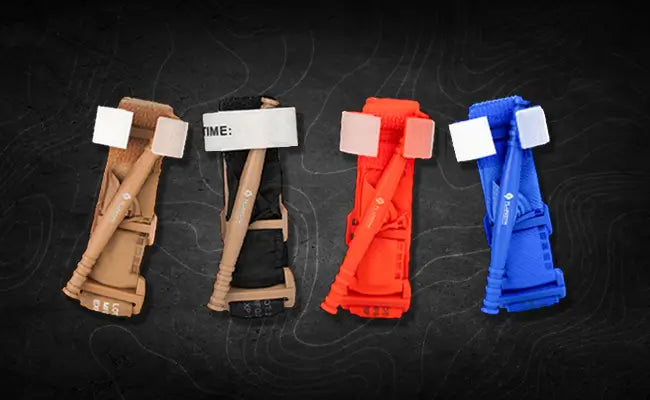
Simple tools like tourniquets and hemostatic gauze applied correctly are more effective than large kits left untouched.
-
Practicing quick access routines can save lives.
A light traffic collision illustrates this: a driver with a modest EDC IFAK in their backpack managed to control bleeding before emergency services arrived, whereas a neighbor with a fully stocked but inaccessible kit failed to intervene effectively. This contrast underscores how easily preparedness mistakes arise when the focus is on possession rather than practical readiness.
By recognizing these common pitfalls and conducting small-scale drills, individuals can bridge the gap between feeling prepared and being truly ready. Ensuring supplies are accessible, tools are usable under pressure, and personal training is consistent are essential steps to avoid these costly mistakes.

Mistake #1: Assuming “having a kit” means knowing how to use it
One of the most common preparedness mistakes is believing that simply owning a first aid or trauma kit guarantees safety. Many people stock a kit in their home, car, or backpack and never consider whether they can use the contents effectively in a real emergency. Owning equipment without understanding its application is a false sense of security that often leads to delays or ineffective care during critical moments.
When unopened medical bags fail under pressure
In emergencies, unopened medical bags are essentially useless. Examples of this problem include:
-
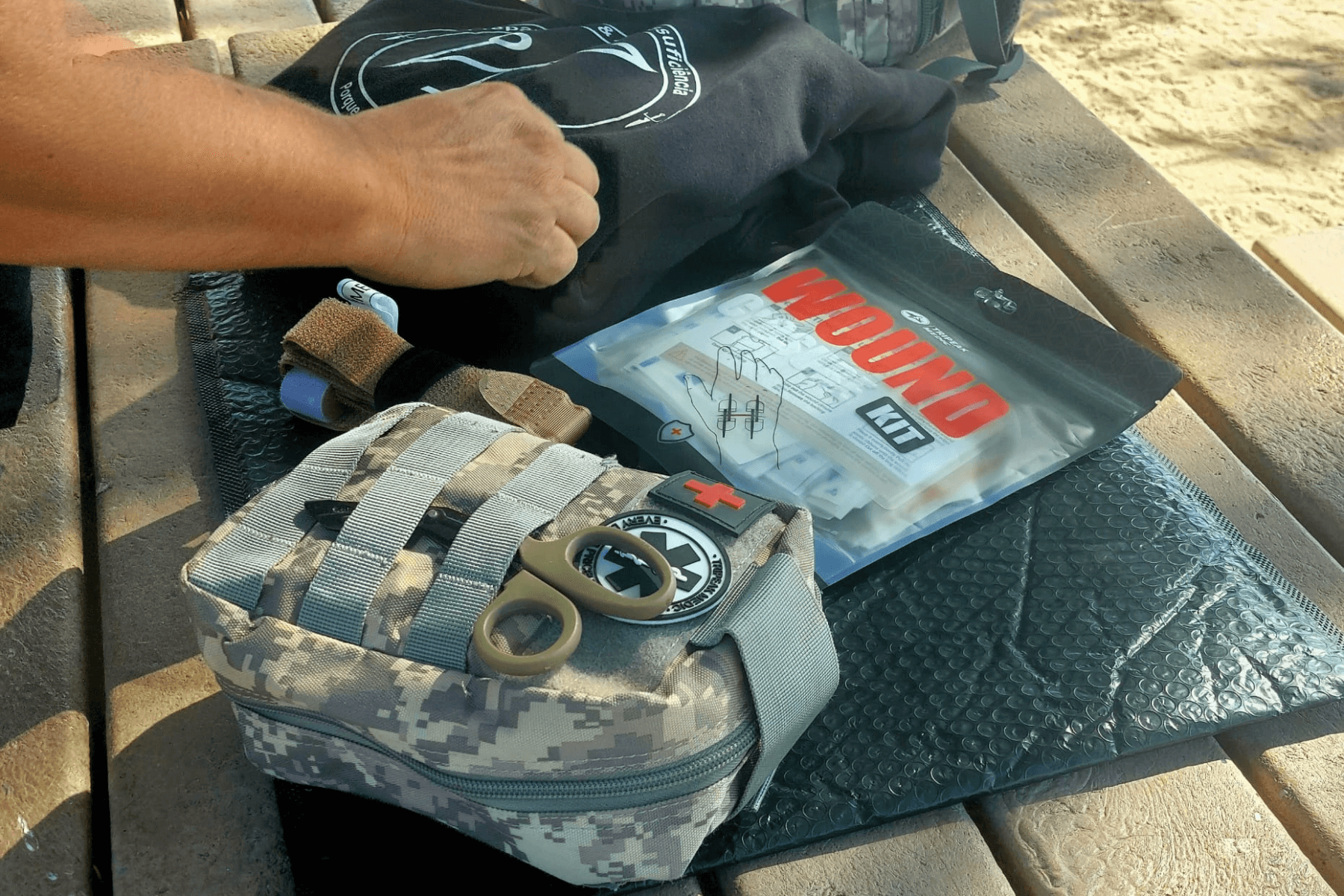
First aid kits with supplies still in original packaging, making them difficult to access quickly
-
Items that require reading instructions under stress
-
Tools that are unfamiliar or complicated, such as multi-step tourniquets
For instance, a minor workplace cut may escalate into serious blood loss if a bystander cannot locate or apply the necessary tools in time. This scenario highlights why the preparedness mistakes of assuming readiness solely from possession can have real-life consequences.
Why small practice beats professional-grade gear without training
Even the most advanced first aid or trauma kit is ineffective if the user lacks practice. Key lessons include:
-
Repetitive drills improve muscle memory, allowing faster and more accurate application of tourniquets, gauze, and wound closures.
-
Simulated scenarios help identify which items are truly accessible and functional under stress.
-
Step-by-step familiarization ensures that professional-grade kits do not overwhelm the user.
A practical example: a commuter using a compact IFAK during a roadside accident could quickly control bleeding after a few minutes of prior hands-on practice, while a colleague with a larger, professional-grade kit failed to respond effectively due to inexperience.
Mistake #2: Storing gear where it’s safe, not where it’s reachable
One of the most overlooked preparedness mistakes is keeping emergency gear in a location that seems safe but is not accessible when it matters most. Many people store trauma kits in trunks, closets, or high shelves, believing this protects their investment. However, in a real-life emergency, the time spent retrieving the kit can cost crucial minutes. Proper placement is just as important as having the right tools.
Car trunk vs headrest trauma kit: accessibility matters
The difference between saving time and losing it often comes down to where your kit is stored. For example:
-
Car trunk: Large kits can be comprehensive, but accessing them during a collision or roadside accident is slow and stressful.
-
Headrest-mounted trauma kit: Compact, lightweight, and instantly reachable in emergencies.
-
Glovebox storage: Convenient for minor incidents but may limit the size and number of tools.
A driver with a headrest-mounted kit can apply a tourniquet or hemostatic dressing within seconds, while another driver with a trunk kit spends precious moments searching. This scenario highlights why preparedness mistakes in placement often make the difference between effective intervention and inaction.
Why EDC carry changes outcomes before EMS arrives
For everyday carry (EDC), accessibility is equally critical. Compact IFAKs in backpacks or tactical pouches allow immediate response, particularly when:
-
Bleeding control is required within minutes – before EMS or first responders arrive.
-
Hands-free access is essential – key for solo travelers or accident victims.
-
Kit contents are minimal but focused – tourniquet, gauze, hemostatic agents, and gloves.
Consider a commuter who keeps a Compact Tactical IFAK in their backpack. During a minor street accident, they successfully controlled bleeding before paramedics arrived. Meanwhile, bystanders with larger kits stored elsewhere were unable to intervene effectively. This example underscores how small adjustments in gear placement prevent common preparedness mistakes and significantly improve outcomes.
Mistake #3: Planning for the “most likely” but failing the “most lethal”
A common preparedness mistake is assuming that preparing for minor injuries is enough, while overlooking life-threatening scenarios. Many people equip their kits with basic bandages and antiseptics, focusing on “most likely” accidents like scrapes or small cuts. However, failing to address the “most lethal” injuries—severe bleeding, trauma from accidents, or deep lacerations—can turn preparedness into a dangerous illusion. Real readiness requires prioritizing interventions that stop life-threatening blood loss.
Bandages vs hemorrhage control: where most kits fall short
Most first aid kits emphasize general bandages but neglect key hemorrhage control tools. Common pitfalls include:
-
Too many standard gauze pads, but no hemostatic dressings
-
Lack of tourniquets, essential for limb injuries
-
Unclear organization, making it difficult to access the right tool quickly
For example, in a roadside accident, a victim may bleed heavily from a leg wound. A kit stocked primarily with adhesive bandages or standard gauze cannot stop rapid blood loss. This scenario highlights one of the most critical preparedness mistakes—preparing for convenience instead of true effectiveness.
Hemostatic gauze & tourniquet priority hierarchy
To address life-threatening bleeding efficiently, focus on high-priority items in your trauma kit:
-
Tourniquet: The most effective tool for severe limb hemorrhage.
-
Hemostatic gauze: Quickly promotes clotting for wounds not suitable for a tourniquet.
-
Elastic bandages & dressings: Supportive, secondary measures.
A practical example: during a hiking accident, a solo hiker applied a Tactical Tourniquet followed by Metal Tourniquet reinforcement, successfully controlling severe bleeding until rescue arrived. This demonstrates that prioritizing key hemorrhage control tools avoids the most dangerous preparedness mistakes, even when minor injuries are more common.
Mistake #4: Over-focusing on gear while neglecting replacement & expiry
Another frequent preparedness mistake is placing too much emphasis on acquiring high-end trauma gear while ignoring replacement schedules and expiry dates. Even the most advanced first aid or tactical kits are only effective if the supplies inside are fresh and functional. Items like dressings, medications, and hemostatic agents can lose effectiveness over time, turning what seems like readiness into a false sense of security. Regular maintenance ensures that your kit remains genuinely life-saving.
3 items that expire fastest inside trauma kits
Some items degrade faster than others and should be monitored closely:
-
Medications and ointments: Antibiotic creams, pain relief gels, and burn ointments often expire within 1–3 years.
-
Hemostatic dressings: Some clotting agents lose potency if exposed to humidity or temperature fluctuations.
-
Adhesive items: Bandages, tape, and dressings can dry out, lose stickiness, or become brittle.
Neglecting these items is a common preparedness mistake. A kit may appear fully stocked, but expired or degraded supplies fail when they are most needed.
Simple refill cycle (monthly / quarterly / post-use)
Maintaining readiness doesn’t have to be complicated. Implement a simple refill routine to avoid the pitfalls of this preparedness mistake:
-
Monthly check: Quick inventory of essential supplies and expiration dates.
-
Quarterly refresh: Replace items approaching expiry and check kit accessibility.
-
Post-use replacement: Immediately restock items used during training or emergencies.
By following this system, you ensure that your trauma kit remains functional and ready at all times. For convenience, consider using FlareSyn refill packs / kit re-supply to quickly replenish your IFAK or vehicle kit without missing a beat.
Regular attention to replacement cycles bridges the gap between merely owning gear and being truly prepared, avoiding one of the most common preparedness mistakes that can compromise emergency response.
Mistake #5: Treating skills as one-time learning instead of perishable
A critical preparedness mistake is believing that once you’ve learned how to use your trauma kit, the skill is permanent. Emergency response skills are perishable, and without regular practice, even trained individuals may hesitate or perform incorrectly under stress. True readiness combines equipment with repeated skill reinforcement, ensuring that action in a real scenario is instinctive, not learned on the spot.
Why “muscle memory” fades after 90 days
Studies show that muscle memory for emergency procedures can begin to fade after just three months without practice. Common consequences include:
-
Delays in applying a tourniquet or hemostatic dressing
-
Confusion when accessing kit contents
-
Reduced confidence in handling life-threatening injuries
For example, a person trained in first aid six months ago may struggle to remember step-by-step application of a tourniquet, leading to ineffective intervention. This type of preparedness mistake can turn a seemingly ready individual into a bystander in a critical moment.
Mini-drills that professionals repeat monthly
To prevent skill decay, professionals rely on mini-drills that reinforce muscle memory without requiring extensive time commitments. Suggested routines include:
-
Tourniquet application: One-handed or two-handed practice on a training limb.
-
Hemostatic dressing application: Rapid access, placement, and securement drills.
-
Scenario simulations: Quick role-playing of minor injuries to reinforce procedural recall.

What effective readiness actually looks like
Avoiding common preparedness mistakes is only the first step; achieving effective readiness requires a holistic approach that combines equipment, accessibility, and regular skill reinforcement. True preparedness ensures that in any emergency scenario, your actions are instinctive and effective. By understanding the components of effective readiness, you can transform a collection of gear into a life-saving system.
The 3-part system: correct carry + reliable tools + repeated practice
Effective readiness relies on three critical elements:
-
Correct carry: Keep trauma kits and essential gear accessible at all times—whether in a backpack, vehicle, or workstation.
-
Reliable tools: Select compact, durable, and purpose-specific items like tourniquets, hemostatic dressings, and gloves.
-
Repeated practice: Conduct mini-drills regularly to maintain muscle memory and ensure you can apply tools quickly under stress.
This combination directly addresses the most frequent preparedness mistakes, bridging the gap between owning equipment and being truly ready to respond.
The simplest starting point based on lifestyle (commuter / field / home)
Effective readiness also depends on tailoring your approach to your daily environment. Recommended starting points for different scenarios include:
Scenario
Product Recommendation
| Daily commute | Compact Tactical Trauma IFAK |
| Home & toolbox | SE IFAK |
| Vehicle | Vehicle Trauma Kit – Headrest |
| High-risk jobs / outdoors | Tactical Tourniquet + Advanced Wound Closure Kit |
By aligning your gear selection with your lifestyle, you ensure that essential tools are always within reach and ready for immediate use. This practical, personalized approach prevents preparedness mistakes that arise when one-size-fits-all solutions are applied.
Take your “first real step” today
Avoiding preparedness mistakes starts with small, actionable steps that you can implement immediately. The key is turning awareness into practice, ensuring that your emergency readiness is not just theoretical. Taking the first real step today creates habits that reinforce proper preparedness and helps you develop confidence in handling unexpected situations.
30-second self-check next time you leave the house
A quick self-check can reveal whether your daily carry and emergency gear are truly functional. Steps include:
-
Verify that your Compact IFAK or emergency pouch is accessible.
-
Ensure essential items like tourniquets, hemostatic gauze, and gloves are present.
-
Confirm that any kits stored in vehicles or backpacks are within reach.
Performing this 30-second routine regularly helps prevent one of the most common preparedness mistakes: assuming that a kit exists somewhere without confirming usability.
How to choose a starter kit based on where you are most often
Choosing the right starter kit depends on your daily environment and lifestyle. Consider the following guidance:
-
Daily commuter: Compact Tactical Trauma IFAK fits in a backpack or purse.
-
Home & toolbox: SE IFAK provides more comprehensive supplies for household injuries.
-
Vehicle: Headrest-mounted Vehicle Trauma Kit ensures immediate access during roadside emergencies.
-
High-risk jobs / outdoor activities: Tactical Tourniquet and Advanced Wound Closure Kit offer the most effective bleeding control for extreme situations.




Hinterlasse einen Kommentar
Diese Website ist durch hCaptcha geschützt und es gelten die allgemeinen Geschäftsbedingungen und Datenschutzbestimmungen von hCaptcha.