
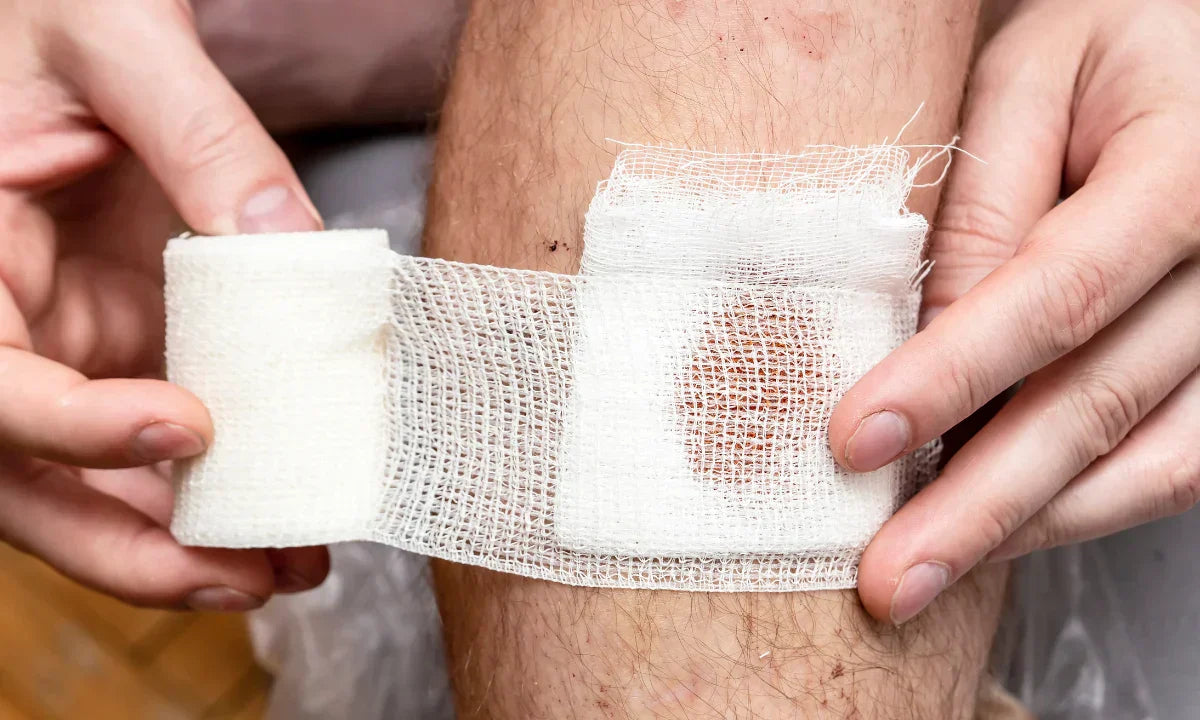
Traumatismes au stand de tir : ce que chaque tireur doit emporter et comment réagir en cas de problème
Quick Navigation : aperçu du guide
Walk into n’importe quel stand de tir moderne, et les règles d’engagement sont parfaitement claires. Avant même de déverrouiller votre sac de tir, l’officier de stand s’assurera que vos yeux et vos oreilles sont bien protégés. Lunettes de sécurité ? Vérifié. Protection auditive avec l’indice NRR approprié ? Vérifié. Nous acceptons collectivement ces barrières contre les douilles éjectées et les détonations concussives à la bouche du canon comme le coût d’entrée non négociable sur le pas de tir. Pourtant, si vous regardez le long de la rangée de postes, une omission flagrante et à haut risque devient immédiatement évidente : alors que presque chaque tireur investit des milliers dans des optiques haut de gamme, des armes à feu et des équipements de protection, la présence d’un dispositif dédié, pouvant sauver des vies kit de traumatologie pour le stand de tir est régulièrement relégué au second plan.
Les quatre règles de base de la sécurité des armes à feu sont très efficaces pour prévenir les accidents, mais elles ne peuvent pas rendre infaillibles les erreurs humaines ni les variations mécaniques. Lorsqu’un dysfonctionnement rare mais catastrophique survient — qu’il s’agisse d’une cartouche sous-chargée provoquant une explosion catastrophique, d’un ricochet de fragment d’acier à grande vitesse ou d’une grave blessure causée par un holster lors d’une manipulation administrative — la dure réalité s’impose. Une trousse de premiers secours en plastique générique remplie de pansements fantaisie, de lingettes antiseptiques et de petites compresses de gaze est totalement inutile face à de graves lacérations mécaniques ou à un traumatisme balistique. Sur un stand de tir en activité, une urgence médicale est une course contre le chronomètre, pas contre le calendrier. Une hémorragie artérielle massive peut entraîner une perte de connaissance en moins de 60 secondes et une exsanguination mortelle en trois minutes.
La véritable responsabilité liée aux armes à feu ne s'arrête pas à des groupements serrés ; elle implique aussi d'être médicalement capable de gérer les dégâts qu'une arme à feu peut causer. Ce guide de terrain ultime démonte la complaisance sur le pas de tir. Nous allons détailler les menaces médicales à haut risque et à faible fréquence propres aux sports de tir, dresser une cartographie précise des premiers secours au stand de tir l’équipement dont vous avez besoin dans votre sac de tir, et fournissez un plan d’action clinique, étape par étape, pour contrôler le chaos lorsque les choses tournent mal.


L'anatomie des accidents de stand de tir : réalités des menaces à haut risque et à faible fréquence
Le premier pas vers une véritable préparation au stand de tir consiste à dépasser l’état d’esprit du « cela ne m’arrivera pas ». Les stands de tir sont des environnements très contrôlés, ce qui crée souvent un faux sentiment de sécurité absolue. Pourtant, lorsque des accidents surviennent sur le pas de tir, ils impliquent rarement de simples égratignures. Ils se présentent plutôt comme des urgences à haut risque et faible fréquence — des traumatismes complexes combinant énergie cinétique, chaleur extrême et matériaux tranchants. Pour préparer votre kit de traumatologie pour le stand de tir Pour être efficace, vous devez comprendre l’anatomie exacte des menaces auxquelles vous faites face.
Traumatisme balistique au-delà des blessures typiques par balle
Quand la plupart des gens pensent à premiers secours au stand de tir, ils imaginent une blessure par balle directe et linéaire. Bien que des tirs accidentels par négligence (ND) se produisent, les traumatismes balistiques sur un stand de tir suivent souvent des trajectoires bien plus imprévisibles.
Ricochets et fragmentation : Lorsque qu’un projectile à grande vitesse frappe une cible en acier trempé selon un angle inadéquat, ou heurte une pierre incrustée dans une butte de tir extérieure, il ne se désintègre pas toujours sans danger. Des cibles en acier piquées ou un mauvais entretien de la butte peuvent projeter en arrière, le long de la ligne de tir, des chemises de cuivre et des éclats de plomb. Ces fragments irréguliers se déplacent avec une énergie de rotation et une énergie cinétique suffisantes pour déchirer les vêtements, percer la peau et sectionner des artères superficielles, provoquant des lacérations irrégulières à trajet large plutôt que de nettes perforations d’entrée.
Départs de coup par négligence (ND) pendant les transitions : Statistiquement, les blessures directes par balle sur les stands de tir surviennent rarement lorsqu’un tireur vise activement une cible. Elles se produisent plutôt lors de manipulations administratives — plus précisément pendant la sortie de l’arme de l’étui, les transitions d’arme, ou lors du traitement d’un incident de tir complexe. Un doigt qui glisse à l’intérieur du pontet avant l’extension complète peut entraîner le départ d’un coup longeant la cuisse ou le mollet du tireur, avec un risque pour l’artère fémorale.
Lésions Mécaniques et Thermiques Non Balistiques
Les dangers de la ligne de tir vont bien au-delà de la bouche du canon. Une part importante des traumatismes survenant au stand de tir provient de graves défaillances mécaniques et thermiques qui prennent les tireurs complètement au dépourvu.
Catastrophes dues à des défaillances d'armes ("KABOOM") : Une défaillance catastrophique se produit lorsque l’intégrité structurelle d’une arme à feu cède sous une pression interne extrême. Cela est fréquemment causé par une "cartouche sous-chargée" — une cartouche contenant une quantité de poudre insuffisante qui laisse une balle coincée à l’intérieur du canon. Si le tireur ne reconnaît pas le bruit distinct et étouffé et tire une cartouche suivante, les gaz piégés feront exploser le canon ou la partie supérieure de l’arme. Le résultat est une fragmentation explosive du polymère, de l’acier et de l’aluminium. Les tireurs subissent souvent de graves lacérations au visage, des éclats profondément incrustés dans les mains et les bras, ainsi que des blessures dues au souffle nécessitant un contrôle immédiat de l’hémorragie.
Brûlures thermiques graves : Les armes à feu modernes génèrent une chaleur immense, qui peut rapidement passer d’un simple désagrément à une urgence médicale. Un exemple classique est celui d’une douille brûlante éjectée par une arme semi-automatique et qui glisse dans la chemise ou le col du tireur. La douleur soudaine et cuisante déclenche souvent une réaction de panique, poussant le tireur à laisser tomber ou à balayer avec une arme chargée en essayant d’extraire la douille. En outre, un contact direct avec des modérateurs de son ou des canons brûlants peut provoquer instantanément de graves brûlures thermiques du deuxième ou du troisième degré, détruisant les tissus et nécessitant une prise en charge spécialisée des brûlures.
Pincements par glissière et lacérations mécaniques : Les rails de culasse lourds et tranchants qui reculent sous l’effet du recul peuvent entailler profondément la commissure de la main du tireur si une prise incorrecte est utilisée. Les leviers d’armement tranchants, les supports d’optique robustes et les dégagements d’incident exigeant de la force contribuent également à de profondes déchirures mécaniques qui saignent abondamment en raison de l’augmentation du flux sanguin provoquée par l’adrénaline du stand de tir.
Pour maintenir une bonne conscience de la situation sur la ligne, chaque tireur doit savoir où ces incidents sont les plus susceptibles de se produire.
La ligne de tir Le principal point d’impact des brûlures de laiton chaud, du pincement de la culasse et des commotions dues au souffle.
La transition du dégainé depuis l’étui : Une zone à haut risque de blessures par balle auto-infligées à angle descendant aux membres inférieurs.
La phase de correction des dysfonctionnements : Lorsque des cartouches sous-chargées ne sont pas détectées et qu’un mauvais placement de la main entraîne un traumatisme mécanique.
La table de nettoyage : L’endroit principal où se produisent des décharges accidentelles en raison d’une mauvaise vérification de la chambre avant le démontage.
La réinitialisation de la cible à distance : Risque élevé de blessures par éclats si la ligne n'est pas strictement froide ou si les cibles en acier sont mal orientées.
Anatomie d’un sac de tir : matériel médical vs. trousses de premiers secours standard
Un dangereux malentendu chez de nombreux passionnés d’armes à feu consiste à croire que n’importe quelle boîte avec une croix rouge dessus suffit sur la ligne de tir. Ils jettent une trousse de premiers secours générique en plastique dans leur camion ou leur sac de stand de tir, se rassurent mentalement sur la sécurité, puis n’y regardent plus jamais. Cette illusion de sécurité peut s’avérer fatale. Lorsqu’un fragment de chemise en cuivre à haute vitesse tranche une artère ou qu’une défaillance catastrophique projette un éclat d’acier dans une main, une boîte de pansements adhésifs et de lingettes antiseptiques est pratiquement inutile. Pour être réellement prêt, vous devez comprendre les différences anatomiques flagrantes entre les premiers secours classiques et les soins tactiques spécialisés en traumatologie.
Pourquoi votre trousse de premiers secours générique vous laissera tomber sur la ligne de tir
Les trousses de premiers secours commerciales standard sont conçues pour les « soins de confort ». Elles sont pensées pour traiter les petits désagréments du quotidien à la maison : coupures de papier, ampoules aux talons, petites échardes et légers maux de tête liés à la tension. Par conséquent, elles sont remplies de pansements adhésifs de qualité médiocre, de petites bandes en tissu, de lingettes apaisantes contre les piqûres et d'ibuprofène faiblement dosé.
net contraste, premiers secours pour stand de tir nécessite des « soins traumatologiques ». Les soins traumatologiques ignorent les égratignures mineures pour se concentrer exclusivement sur les interventions vitales qui stabilisent un patient jusqu’à l’arrivée des services médicaux d’urgence (EMS). Les blessures balistiques et les traumatismes mécaniques graves provoquent des hémorragies massives et une obstruction des voies respiratoires — des urgences où la survie du patient se joue en quelques secondes. Un bandage standard en tissu souple ne peut pas produire la compression localisée nécessaire pour colmater un vaisseau rompu, pas plus qu’un ruban adhésif médical standard ne peut tenir face à la forte transpiration et au sang associés à un traumatisme en situation de stress intense. Compter sur une trousse générique sur un stand de tir en activité constitue une inadéquation fondamentale entre l’équipement et l’environnement de menace.
La configuration médicale à plusieurs niveaux : micro EDC vs. IFAK complet
Une stratégie médicale efficace au stand de tir ne repose pas sur un seul sac énorme, verrouillé dans le coffre de votre voiture. Si un départ accidentel se produit sur la ligne de tir, vous ne pouvez pas vous permettre de courir sur cinquante yards jusqu’à votre véhicule pour récupérer votre matériel. Une vraie préparation exige un système hiérarchisé, à plusieurs niveaux, qui concilie accessibilité immédiate et capacité complète.
Le niveau obligatoire "On-Body" : Ceci est votre couche de réponse immédiate. Elle doit se composer d’une configuration ultra-compacte et légère, comme par exemple une configuration dédiée pochette trauma edc—monté directement sur votre ceinture de tir, votre équipement de compétition, ou même rangé dans une poche cargo. Ce niveau doit être accessible avec l’une ou l’autre main en moins de trois pieds de déplacement. Son objectif principal est de contenir les éléments absolument essentiels pour arrêter instantanément une hémorragie catastrophique : un tourniquet à tige de haute qualité et un paquet de gaze compressée. Le garder sur vous garantit que, même si vous êtes projeté au sol ou séparé de votre équipement principal, vos moyens de survie restent avec vous.
Le niveau d’ancrage « Range Bag » : C'est votre couche secondaire complète. Conservée à l'intérieur ou solidement fixée à l'extérieur de votre sac à dos principal de stand, il s'agit d'une trousse de premiers secours individuelle (IFAK) grand format. Le niveau d'ancrage complète votre kit porté sur vous, avec du matériel médical avancé pour traiter les traumatismes pénétrants du torse (plaies thoraciques aspirantes), de multiples lacérations graves, ainsi que les urgences environnementales ou thermiques. Elle offre la réserve de matériel nécessaire si un accident implique plusieurs victimes ou un scénario de sauvetage complexe et prolongé.
To help you audit your current setup, le tableau ci-dessous met en évidence les différences pratiques entre ces deux univers et décrit précisément ce qu’une solution dédiée Kit de traumatologie pour le stand de tir apporte au combat.
| Article médical / Urgence | Trousse de premiers secours générique (boîte) | Kit de traumatologie dédié au stand de tir (IFAK) | Fonction critique sur la plage |
| Hémorragie artérielle massive | ❌ Compresses de gaze / Petits pansements | Garrot à tige robuste | Stoppe l’exsanguination catastrophique des extrémités en 30 secondes. |
| Perforation balistique (coup de feu) | ❌ Ruban en tissu standard | Kaolin/Chitosan Gaze hémostatique | Bourre les plaies profondes pour coaguler le sang là où les garrots ne peuvent pas atteindre. |
| Plaie thoracique ouverte (aspirante) | ❌ Film plastique & sparadrap médical | Bandes thoraciques occlusives ventilées (Lot de 2) | Prévient le pneumothorax sous tension (affaissement du poumon) dû aux perforations du torse. |
| Lacération grave par éclats d'obus | ❌ Petites bandes adhésives | Bandage d'urgence 4-Inch / 6-Inch | Applique une compression focale à haute pression sur les plaies larges et irrégulières. |
| Brûlures mineures / Coupures | Antiseptique et pansements | ❌ (Généralement absent ou minimal) | Soins de confort de base en cas de morsures causées par du laiton chaud ou une coulisse ; sans danger vital. |
La liste de contrôle des traumatismes au stand de tir : composants vitaux essentiels
Lors de la configuration d’un Kit de traumatologie pour stand de tir, chaque composant doit justifier sa place par sa capacité à préserver la vie humaine pendant la période critique précédant l’arrivée de soins médicaux avancés. Sur une ligne de tir réelle, cette sélection est régie par les principes du secours tactique aux blessés au combat, adaptés aux tireurs civils pratiquant le tir sportif ou défensif. Si un composant ne peut pas agir directement contre une hémorragie, une obstruction des voies respiratoires ou un collapsus thoracique, il a sa place dans un kit utilitaire secondaire — pas dans votre trousse de traumatologie principale. Vous trouverez ci-dessous le détail des outils médicaux indispensables requis dans un IFAK dédié au stand de tir.
Contrôle des hémorragies massives : la minute d’or
L’hémorragie artérielle causée par une perforation balistique ou une défaillance structurelle d’une arme est la principale cause de décès évitables au stand de tir. La maîtrise de cette hémorragie nécessite des outils robustes conçus pour résister à une pression mécanique extrême.
Garrots à tige robustes : Le principal outil pour une hémorragie grave d’un membre est un garrot à tige de serrage certifié, tel qu’un modèle approuvé par le CoT (Committee on Tactical Combat Casualty Care). Le mécanisme à tige de serrage applique une pression circonférentielle massive afin d’occlure complètement le flux sanguin artériel dans un membre. Avertissement critique pour tous les tireurs : Ne jamais acheter de garrots vitaux auprès de détaillants en ligne à prix cassés non vérifiés ou de vendeurs tiers sur Amazon. Les garrots bon marché et contrefaits sont dotés de tiges de serrage en plastique qui cassent systématiquement sous l'énorme pression nécessaire pour arrêter une véritable hémorragie artérielle. Tenez-vous-en à du matériel tactique professionnel de qualité vérifiée.
Agents hémostatiques et gaze coagulante : Les garrots sont très efficaces pour les bras et les jambes, mais ils ne peuvent pas être appliqués aux zones jonctionnelles comme l’aine, les aisselles ou le cou. Si un tir accidentel atteint un tireur en haut de la cuisse ou à la hanche, la seule solution viable est le méchage de la plaie à l’aide d’une gaze hémostatique avancée. Les agents coagulants modernes imprégnés de kaolin ou de chitosane agissent indépendamment de la cascade naturelle de coagulation du corps. Lorsqu’ils sont tassés fermement dans un trajet de plaie profond, ils réagissent chimiquement pour former un bouchon instantané et robuste, scellant le vaisseau rompu directement à la source.
Pansements compressifs modulaires : Une fois qu’une plaie est bourrée de gaze hémostatique, ce pansement doit être maintenu sous une compression focale constante et importante. Un bandage de traumatologie modulaire (souvent appelé bandage israélien) comporte une barre de pression intégrée qui permet à l’utilisateur d’enrouler le bandage élastique sur la plaie, de le faire passer dans la barre, puis de le resserrer fermement pour exercer une pression directe continue vers le bas.
Voies aériennes et respiration : prise en charge des traumatismes pénétrants du torse
Une balle ou un éclat d'obus tranchant projeté à grande vitesse qui frappe le torse constitue une menace immédiate pour le système respiratoire. Les poumons fonctionnent dans un délicat vide hermétique à l'intérieur de la cavité thoracique.
Pansements thoraciques ventilés : Lorsque qu’un projectile transperce la poitrine, le dos ou l’épaule, l’air atmosphérique s’engouffre dans la cavité thoracique par ce nouveau trou. Cela détruit le vide naturel, provoquant une affection appelée « plaie thoracique aspirante ». À mesure que l’air s’accumule à l’extérieur du poumon, il crée un pneumothorax sous tension, qui fait rapidement s’affaisser le poumon et exerce une pression fatale sur le cœur. Un pansement thoracique ventilé de haute qualité utilise un adhésif hydrogel de qualité médicale qui adhère fermement malgré du sang abondant, la transpiration et les poils corporels. Les valves unidirectionnelles intégrées sont essentielles : elles permettent à l’air et au sang piégés de s’échapper de la cavité thoracique tout en empêchant l’air extérieur d’y pénétrer, ce qui maintient le poumon gonflé. Ayez toujours sur vous un pack de deux, car les balles qui pénètrent dans le torse ressortent fréquemment par le dos.
Protection environnementale, thermique et visuelle
Prévention de l'hypothermie : Une des composantes les plus négligées des soins en traumatologie est la gestion de la température corporelle. Une perte de sang importante détruit la capacité du corps à réguler la chaleur, entraînant la « triade létale » du traumatisme (hypothermie, acidose et coagulopathie). Une fois que la température d'un patient baisse, son sang perd sa capacité à coaguler, ce qui accélère considérablement la perte de sang. Une couverture de survie en Mylar ultra-compacte est un ajout indispensable à toute trousse de tir, même lorsque l'on tire par des conditions chaudes, en plein été.
Pour vous assurer que votre équipement est vraiment complet, utilisez la liste de contrôle suivante, facile à parcourir, pour vérifier votre sac de tir avant votre prochaine séance de tir réel :
Approuvé par le CoT : garrot à tige (avec housse à accès rapide) Stocké bien en évidence à l’extérieur de votre équipement, jamais enfoui.
Gaze de tamponnement hémostatique avancée : Imprégné de kaolin ou de chitosane pour le méchage jonctionnel.
Plaques thoraciques ventilées (lot de 2) : Pour traiter à la fois la blessure par perforation d’entrée et celle de sortie sur le torse.
Pansement traumatique d’urgence de 4 pouces ou 6 pouces : Pour une forte pression mécanique sur des plaies compactées.
Ciseaux de traumatologie robustes : Essentiel pour découper des vêtements de stand épais, des ceintures de pistolet en cuir ou de la toile épaisse afin d'exposer la zone blessée.
Gants en nitrile premium (plusieurs paires) : Protection non latex de fort grammage pour vous protéger des agents pathogènes transmissibles par le sang lorsque vous travaillez sous pression.
Plan d'action d'urgence de la ligne de tir : protocole d'intervention étape par étape
Avoir l’ultime kit de traumatologie pour le stand de tir glissé dans votre sac à dos ne représente que la moitié du combat. Lorsqu’une détonation forte et irrégulière est immédiatement suivie d’un cri d’agonie sur un pas de tir en direct, la panique est votre principal ennemi. Sous l’effet de la montée d’adrénaline, votre motricité fine se dégrade considérablement et toute prise de décision cohérente s’effondre. Pour sauver une vie, vous devez vous appuyer sur un plan d’action d’urgence répété, clinique et étape par étape. Sur un stand de tir, l’intervention médicale comporte une contrainte particulière : vous devez gérer des armes à feu létales et un environnement chaotique avant de pouvoir traiter le patient en toute sécurité.
Phase 1 : sécuriser la ligne et éliminer la menace
En secourisme civil standard, la règle initiale est toujours de « vérifier que la scène est sûre ». Sur un stand de tir, cette étape exige une intervention active et autoritaire. Le danger immédiat n’est pas seulement la blessure elle-même : c’est le fait qu’un tireur blessé peut encore tenir une arme à feu chargée, avec une cartouche chambrée, alors qu’il entre dans un état de choc profond.
L'absolue toute première action que tout témoin doit entreprendre est de crier "CESSEZ LE FEU ! CESSEZ LE FEU ! CESSEZ LE FEU !"` à pleins poumons. Ne le murmurez pas ; ordonnez l’arrêt du pas de tir. Chaque tireur sur toute la ligne doit immédiatement reprendre l’ordre, cesser le tir, poser son arme sur le banc, vider sa chambre, montrer une culasse ouverte, puis remettre son arme à l’étui ou s’éloigner de son poste. Il est impossible de prodiguer des soins en toute sécurité si quelqu’un, plus loin sur la ligne, continue de tirer, ou si la victime se retourne avec une arme chargée à la main. Si la victime tient encore une arme à feu, un agent de sécurité désigné ou le tireur compétent le plus proche doit sécuriser cette arme, la décharger et la mettre hors de danger avant que quiconque ne touche à la blessure.
Phase 2 : appliquer le protocole civil M.A.R.C.H. dans des conditions de tir
Une fois la ligne de tir entièrement sécurisée et toutes les armes vérifiées comme sans danger, vous devez immédiatement passer à la prise en charge du patient. Ne devinez pas quoi faire ensuite ; suivez les étapes cliniques et structurées du protocole M.A.R.C.H., qui hiérarchise les blessures selon ce qui tuera le patient le plus rapidement.
M - Hémorragie massive Inspectez immédiatement le patient pour détecter une perte de sang abondante. Si vous voyez du sang rouge vif qui jaillit ou s’accumule sur un membre, posez immédiatement votre garrot tourniquet à tige. Appliquez-le haut et serré sur le membre blessé, directement par-dessus les vêtements si nécessaire, et tournez la tige jusqu’à ce que le saignement s’arrête et que le pouls distal disparaisse. Si le saignement se situe dans une zone jonctionnelle comme la hanche ou l’aisselle, ouvrez rapidement votre gaze hémostatique et bourrez fermement le trajet de la plaie en exerçant une pression continue vers le bas avec les doigts pendant au moins trois minutes. Notez l’heure exacte ($T$) de pose du garrot directement sur le dispositif.
A - Voies aériennes : Assurez-vous que le patient est conscient et respire. S’il est inconscient, vérifiez que ses voies respiratoires ne sont pas obstruées (par exemple par du sang ou des dents à la suite de l’impact d’une arme ayant fracassé le visage) et placez-le en position latérale de sécurité ou utilisez la bascule de la tête/élévation du menton pour maintenir ses voies respiratoires ouvertes.
R - Respiration : Exposez le torse en utilisant vos cisailles de traumatologie robustes pour découper les chemises de stand épaisses ou les vestes. Recherchez et palpez toute plaie pénétrante causée par des balles ou des éclats d’obus projetés. Si vous repérez une perforation, appliquez directement dessus un pansement thoracique ventilé. N’oubliez pas de vérifier méthodiquement le dos du patient pour déceler une éventuelle plaie de sortie correspondante et de la couvrir également.
C - Circulation : Réévaluez votre contrôle du saignement. Le garrot tient-il ? Le pansement compressif est-il bien fixé ? Vérifiez la qualité générale du pouls du patient et la couleur de sa peau.
H - Hypothermie / Tête : Enveloppez immédiatement le patient dans une couverture de survie en Mylar. Même par un après-midi d'été très chaud, une perte de sang importante fera chuter la température centrale du patient, détruisant la capacité de son sang à coaguler naturellement.
Phase 3 : Communications sur la gamme et logistique de triage
Pendant que le soignant principal applique le protocole M.A.R.C.H., les tireurs secondaires doivent coordonner les communications d'urgence. Il s'agit d'une vulnérabilité critique pour les stands de tir extérieurs isolés ou les clubs en intérieur dotés de lourdes portes de sécurité magnétiques, où les services médicaux d'urgence ne peuvent pas entrer facilement.
Assignez à une personne précise la tâche d’appeler le 911. Ne criez pas « que quelqu’un appelle le 911 » — pointez directement une personne du doigt et donnez-lui l’ordre de le faire. Désignez une deuxième personne pour courir directement jusqu’au portail principal ou à l’entrée de la propriété afin d’attendre l’ambulance, déverrouiller tout cadenas de sécurité et guider les ambulanciers directement jusqu’à la baie ou à la ligne de tir précise.
Script d’appel d’urgence en cas d’accidents au stand de tir
Lors de la communication avec les services d’urgence, l’appelant désigné doit indiquer clairement et brièvement les informations suivantes, sans paniquer :
Emplacement exact : "Nous sommes à [Range Name], situé à [Street Address/GPS Coordinates], plus précisément à la baie numéro [X]."
L'incident : "Nous avons une [blessure par balle / blessure par éclat / blessure due à une explosion] au [membre/torse]."
Statut actuel : "La ligne de tir est sécurisée. Le patient est conscient/inconscient, et nous avons appliqué un [Tourniquet / Chest Seal] à [Time]."
Logistique : "Un guide attend à l'entrée principale pour conduire directement les ambulanciers jusqu'à notre position."
Exercices médicaux spécifiques à la distance : entraînez votre esprit à être à la hauteur de votre équipement
Investir dans un produit haut de gamme trousse de traumatologie pour le stand de tir and apprendre les étapes du protocole M.A.R.C.H. sont des étapes essentielles, mais elles ne constituent que la première étape. La dure réalité de la médecine d’urgence, c’est que le matériel ne sauve pas des vies — c’est son utilisation qui en sauve. Sous la charge cognitive extrême d’une urgence réelle, votre corps subit un changement physiologique massif. Le rythme cardiaque s’emballe, la vision tunnel s’installe et la motricité fine se dégrade jusqu’à 70 %. Si vous devez lire les instructions sur votre pansement traumatique ou tâtonner pour ouvrir une pochette zippée alors que vos mains sont couvertes de sueur et de sang, vous perdez un temps précieux. Pour combler cet écart, vous devez développer activement une mémoire musculaire profonde grâce à des exercices médicaux délibérés et spécifiques au terrain.
Le fossé de la mémoire musculaire : pourquoi acheter du matériel n’est que la première étape
Les tireurs sont nombreux à souffrir d’un biais cognitif dangereux : ils partent du principe que, parce qu’un équipement haut de gamme se trouve dans leur sac à dos, ils ont automatiquement la capacité de l’utiliser sous pression. Le matériel médical est souvent conservé intact, scellé dans son emballage d’usine, et enfoui au fond d’un sac de tir sous des boîtes de munitions et des kits de nettoyage.
Si un accident se produit sur le pas de tir, vous n’aurez pas la clarté mentale nécessaire pour résoudre des problèmes complexes. Votre cerveau s’appuiera entièrement sur des circuits neuronaux subconscients — ce qu’on appelle couramment la mémoire musculaire. Si vous n’avez pas physiquement sorti un garrot de son étui, l’avez déplié et l’avez serré sur un bras ou une jambe des dizaines de fois contre un chronomètre, vous échouerez quand une vraie vie sera en jeu.
Exercices de tir tactique à intégrer à votre routine d’entraînement
Vous n’avez pas besoin d’une journée d’entraînement distincte pour développer vos compétences médicales. Vous pouvez intégrer facilement des exercices de traumatologie simples et très efficaces directement à vos séances habituelles de tir réel ou à sec.
L’exercice de garrot « main de soutien uniquement » : Cette simulation reproduit une défaillance catastrophique de l’arme ou une blessure par balle qui neutralise complètement votre bras dominant. Réglez un shot timer sur un délai de départ aléatoire. Gardez un garrot d’entraînement dédié positionné exactement comme vous le portez à la ceinture ou dans votre pochette de traumatologie EDC. Au signal, vous devez poser le garrot, l’enrouler bien haut et bien serré autour de votre bras dominant, tirer la sangle jusqu’à ce qu’elle soit complètement ajustée, et bloquer la tige de serrage en utilisant uniquement votre main de soutien non dominante. Un standard de réussite pour un tireur préparé consiste à poser le garrot jusqu’à l’arrêt complet en moins de 30 secondes.
L’exercice de déploiement à l’aveugle Dans un environnement peu éclairé ou sur un stand de tir intérieur rempli de fumée et de poussière après l’explosion d’une arme, il se peut que vous ne puissiez pas voir clairement votre matériel médical. Asseyez-vous à votre banc de tir en gardant les yeux complètement fermés. Demandez à un partenaire d’entraînement de donner l’ordre : "Saignement à la jambe gauche !" Sans ouvrir les yeux, vous devez fouiller dans votre sac de tir ou votre équipement de ceinture, trouver vos ciseaux de secours et votre gaze, puis simuler leur mise en place au bon endroit en vous fiant uniquement au toucher. Cela permet de développer une perception spatiale intuitive de l’organisation de votre équipement.
Le test de candidature induit par le stress : Immédiatement après une phase de tir à haute intensité — comme un exercice de déplacement sur plusieurs cibles qui fait naturellement monter votre fréquence cardiaque à plus de 130 battements par minute — demandez à un instructeur ou à un partenaire d’entraînement de crier « TRAUMA ! » Vous devez immédiatement rengainer votre arme sécurisée et déchargée, vous mettre à un genou, et appliquer correctement un pansement compressif ou un garrot d’entraînement sur vous-même ou sur une victime simulée tout en gérant activement la fatigue physique et une respiration haletante.
Stockage et entretien de votre équipement de tir
L’environnement à l’intérieur d’un sac de stand de tir est extrêmement rude. Au fil des mois d’utilisation régulière, votre matériel médical est constamment exposé à des résidus de carbone, à de la poudre non brûlée abrasive, à des huiles pour armes corrosives, à des solvants, aux lèvres métalliques tranchantes des chargeurs, ainsi qu’à une exposition intense aux UV lors des entraînements en extérieur.
N’exposez jamais du matériel médical vital à ces éléments. Des particules fines peuvent s’incruster dans la fermeture auto-agrippante d’un garrot, entraînant sa défaillance et son décollement sous pression mécanique. Les solvants pour armes peuvent détériorer l’emballage stérile d’une gaze hémostatique ou affaiblir l’adhésif hydrogel des pansements thoraciques occlusifs. Assurez-vous que votre équipement principal de traumatologie est rangé dans une protection dédiée, comme une pochette robuste en nylon avec un manchon spécialisé à déploiement rapide. Cela permet de tenir les éléments à l’écart tout en garantissant que l’équipement puisse être dégagé d’un seul geste lorsque chaque seconde compte.
Conclusion
Être un propriétaire d’arme responsable représente un engagement global. Cela exige bien plus que de maîtriser la mécanique de la pression sur la détente, de suivre les temps intermédiaires sur un chronomètre de tir, ou de maintenir des groupements serrés sur une cible en papier au bout du pas de tir. La véritable compétence sur la ligne de tir se définit par votre capacité à gérer chaque variable susceptible de survenir dans cet environnement à haute intensité — y compris la prise en charge des dégâts catastrophiques et destructeurs de tissus qu’une arme à feu peut causer. S’avancer sur une ligne de tir avec une arme létale sans disposer des moyens médicaux nécessaires pour traiter une blessure balistique constitue un manquement grave aux règles élémentaires de sécurité et de préparation sur le stand de tir.
Les accidents ne sont pas des événements planifiés. Lorsqu’une rupture d’arme structurelle se produit, ou qu’un morceau déchiqueté d’éclat d’acier ricoche sur un pare-balles, la différence entre une frayeur et une tragédie mortelle dépend entièrement de l’équipement à portée de main et de votre capacité à l’utiliser sans hésitation par réflexe.
Avant de faire vos bagages pour votre prochaine séance de tir réel, effectuez un audit médical rigoureux de votre équipement. Ouvrez votre sac de stand de tir, retirez les bandages utilitaires périmés et les boîtes de premiers secours génériques en plastique, puis évaluez votre véritable niveau de préparation. Assurez-vous d’être équipé de solutions tactiques professionnelles, spécialement conçues pour résister aux contraintes du terrain. Découvrez Les kits de traumatologie tactique spécialisés et les pochettes à déploiement rapide de FlareSyn aujourd’hui, placez votre équipement de survie là où vous pouvez l’atteindre en quelques secondes, et assurez-vous d’être parfaitement prêt à maîtriser le chaos et à sauver une vie lorsque les choses tournent mal.
Puis-je utiliser une IFAK militaire de surplus standard pour mon kit de traumatologie pour le stand de tir ?
Oui, une trousse de premiers secours individuelle (IFAK) de surplus militaire est très efficace, car elle est déjà conçue en priorité pour le contrôle des hémorragies et les traumatismes pénétrants. Cependant, assurez-vous que tous les composants de cette trousse de surplus — en particulier le garrot et les pansements thoraciques occlusifs — ne sont ni périmés, ni dégradés par les rayons UV, ni contrefaits. De nombreux tireurs préfèrent passer à un système moderne et épuré, comme une pochette compacte FlareSyn, afin d’économiser un espace précieux dans leur sac de tir.
Où est le meilleur endroit pour fixer ma pochette médicale sur une ceinture de tir ?
Votre garrot principal et vos articles de traumatologie à accès rapide doivent toujours être fixés dans une position centrale, facilement accessible par les deux vos mains dominante et non dominante. L’emplacement le plus courant et le plus efficace se situe au creux du bas du dos (la position à 6 heures) sur votre ceinture de tir, ou monté directement sur l’axe central avant d’un porte-plaques. Évitez de le placer au fond des poches, où un bras cassé ou coincé vous empêcherait de l’atteindre.
Quels composants de ma trousse de premiers secours pour stand de tir dois-je remplacer, et à quelle fréquence ?
règle générale, vous devriez inspecter votre matériel de traumatologie tous les 6 mois et remplacer complètement les articles en fonction des dates d’expiration du fabricant. Bien que les garrots n’aient pas de date d’expiration stricte, les composants élastiques des bandages traumatiques et l’adhésif hydrogel des pansements thoraciques ventilés ont généralement une durée de conservation de 3 à 5 ans. De plus, si votre kit est constamment exposé à une chaleur extrême dans le coffre, à de l’huile pour arme ou à des résidus de carbone à l’intérieur de votre sac de tir, vérifiez-les plus fréquemment pour détecter toute défaillance du scellage de l’emballage.
Les garrots d’entraînement sont-ils différents de ceux que je devrais utiliser en cas de véritable urgence ?
Absolument. Vous devez toujours maintenir une séparation stricte entre votre « TQ d’entraînement » et votre « TQ de service/en situation réelle ». Les garrots d’entraînement sont soumis à des frottements, des étirements et des cycles de verrouillage répétés pendant les exercices, ce qui provoque des microfissures de contrainte dans le levier en plastique et dégrade le velcro. Gardez votre kit de traumatologie pour le stand de tir, destiné à une utilisation réelle, scellé et impeccable, et marquez clairement votre dispositif d’entraînement avec du ruban bleu ou un marqueur de peinture afin qu’ils ne soient jamais confondus quand chaque seconde compte.


Elias.H.Hwang
Elias H. Hwang est un expert en médecine tactique et le principal contributeur de FlareSyn. Il est spécialisé dans les protocoles de traumatologie d’urgence et l’éducation à la préparation, aidant aussi bien les civils que les professionnels à maîtriser les outils et les compétences nécessaires pour sauver des vies dans les moments critiques.


Laisser un commentaire
Ce site est protégé par hCaptcha, et la Politique de confidentialité et les Conditions de service de hCaptcha s’appliquent.