Comment arrêter une hémorragie grave : gestes qui sauvent
Une hémorragie sévère peut mettre la vie en danger en quelques minutes. Qu’il s’agisse d’une blessure par couteau, d’une plaie par balle, d’une lacération au verre, d’un accident de voiture ou d’un traumatisme sur le lieu de travail, la perte de sang incontrôlée est l’une des principales causes de décès évitables aux États-Unis. Une action immédiate peut faire la différence entre la survie et le décès. Savoir contrôler un saignement par une pression directe, un tamponnement de plaie ou un garrot permet aux blessés de rester stables jusqu’à l’arrivée des secours. Chez Flaresyn, nous fournissons des kits de traumatisme prêts à l’emploi, de la gaze de contrôle des hémorragies, des garrots commerciaux, des gants jetables et des fournitures d’urgence pour aider les intervenants et les civils à agir avec assurance dans les situations critiques.
Sécurisez la zone et appelez le 911
Avant d’apporter une aide, la priorité est d’assurer votre propre sécurité et celle de la personne blessée. De nombreux saignements surviennent dans des environnements chaotiques comme les accidents de la route, les situations de tireur actif, les chantiers ou les zones de catastrophe naturelle. Évaluez les dangers présents sur les lieux, comme la circulation, le verre brisé, le feu ou d’autres menaces. Une fois qu’il est sûr de s’approcher, appelez immédiatement le 911 ou demandez à quelqu’un d’autre d’appeler si vous êtes seul avec la personne blessée. Utiliser le haut-parleur peut vous permettre de commencer les soins vitaux tout en communiquant des informations essentielles au régulateur, notamment le nombre de blessés, le type de blessures et l’emplacement exact. Une communication rapide et précise avec les secours les aide à arriver préparés et réduit les délais de prise en charge. Même si les fournitures médicales sont limitées, il est essentiel de commencer les soins immédiatement en attendant l’aide.
Identifiez rapidement une hémorragie mettant la vie en danger
Reconnaître tôt une hémorragie sévère est essentiel pour prévenir un décès. Une hémorragie mettant la vie en danger provient souvent des membres, du cou, de l’aine, de l’épaule ou du tronc, et peut se manifester par un sang qui jaillit, s’accumule au sol ou imbibe rapidement les vêtements. Les plaies profondes, les saignements abondants d’un membre ou les blessures touchant de gros vaisseaux nécessitent une intervention immédiate. Les signes d’une hémorragie critique incluent une perte de sang rapide, un flux artériel visible et plusieurs zones blessées. Les intervenants doivent évaluer la situation rapidement, prioriser d’abord le saignement le plus grave et préparer les outils appropriés, qu’il s’agisse de pression directe, de tamponnement de plaie ou d’un garrot commercial. L’utilisation de kits de traumatisme et de fournitures de contrôle des hémorragies permet d’agir efficacement, avec un accès clair à la gaze, aux pansements, aux gants, aux garrots et aux couvertures de survie conçus pour agir de manière vitale sur le terrain.

Première étape : appliquez une pression directe ferme
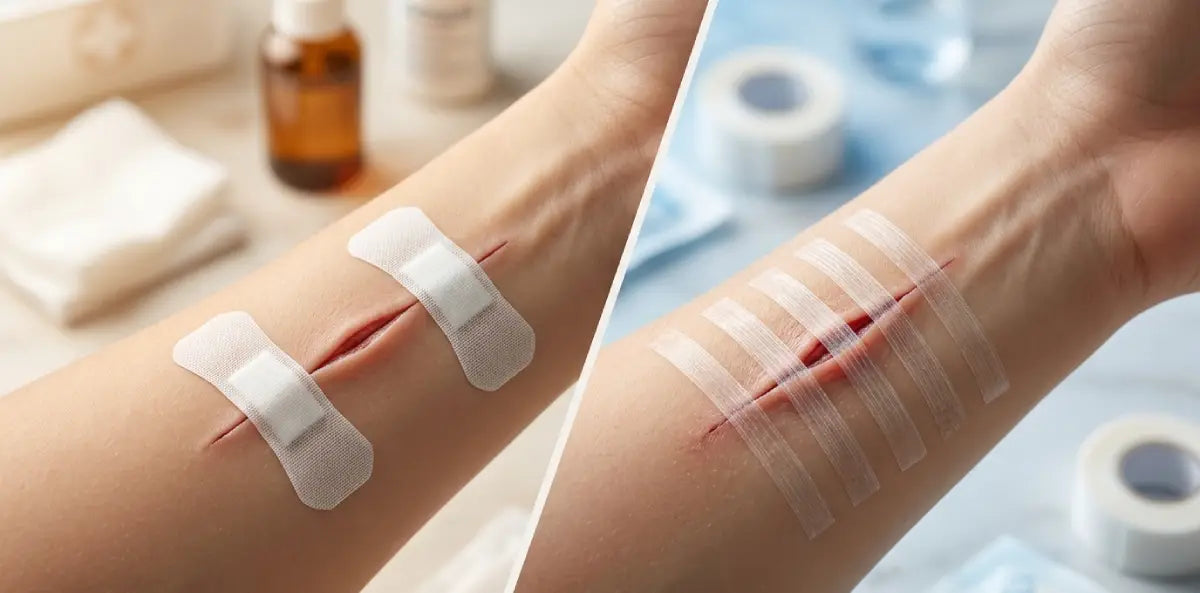
Une fois l’hémorragie mettant la vie en danger identifiée, la première action la plus efficace consiste à exercer une pression directe et ferme sur la plaie. Dégagez soigneusement la blessure en retirant les vêtements ou obstacles, puis placez un tissu propre, de la gaze, un t-shirt, une serviette ou une serviette en papier directement sur la source du saignement. Si des gants jetables sont disponibles, ils doivent être portés pour réduire le risque d’exposition à des agents pathogènes transmissibles par le sang, mais ne retardez pas les soins si vous n’en avez pas. Maintenez une pression constante, en appuyant fort avec les deux mains sur la plaie, et évitez de soulever le matériau pour vérifier le saignement. Si le tissu se sature, des couches supplémentaires peuvent être ajoutées par-dessus, mais le premier tissu doit rester en place pour maintenir une compression continue. Une pression directe bien appliquée contrôle souvent les saignements des plaies mineures à modérées et peut ralentir la perte de sang dans les cas plus graves jusqu’à la mise en place d’autres interventions.
La pression directe agit en comprimant le vaisseau qui saigne et en permettant à la coagulation naturelle de commencer. Pour de nombreuses blessures, cette étape suffit à stabiliser le patient. Cependant, lorsque le saignement est profond, artériel ou non contrôlé par la pression seule, des mesures supplémentaires comme le tamponnement de la plaie ou l’application d’un garrot sont nécessaires. L’utilisation d’un kit de traumatisme à ce stade garantit aux intervenants de disposer de gaze de haute qualité, de pansements compressifs et de gants prêts à l’emploi, réduisant le temps perdu à chercher du matériel et améliorant l’efficacité de l’intervention.
Deuxième étape : tamponnez les plaies profondes lorsque la pression seule ne suffit pas
Certaines blessures, en particulier les plaies profondes ou cavitaires dans des zones comme l’épaule, l’aine ou le cou, ne peuvent pas être contrôlées par une pression superficielle seule. Dans ces cas, le tamponnement de la plaie devient essentiel. À l’aide de gaze de contrôle des hémorragies ou d’un tissu médical propre, les intervenants doivent remplir complètement la cavité de la plaie en appuyant fermement sur la source du saignement. Une fois la plaie tamponnée, continuez à exercer une pression directe sur le matériau de remplissage pour comprimer les vaisseaux restants et favoriser la coagulation.
Le tamponnement de la plaie est crucial pour maîtriser les saignements graves d’un membre ou les plaies jonctionnelles, où des lésions artérielles peuvent survenir profondément dans les tissus. Un tamponnement incorrect ou une pression insuffisante peuvent permettre au saignement de continuer, augmentant le risque de choc et de perte sanguine mortelle. Les kits fournissent de la gaze de contrôle des hémorragies préemballée, propre, absorbante et conçue pour la prise en charge des plaies profondes, garantissant aux intervenants des matériaux fiables à portée de main lorsque chaque seconde compte.
Troisième étape : utilisez un garrot pour un saignement grave du bras ou de la jambe
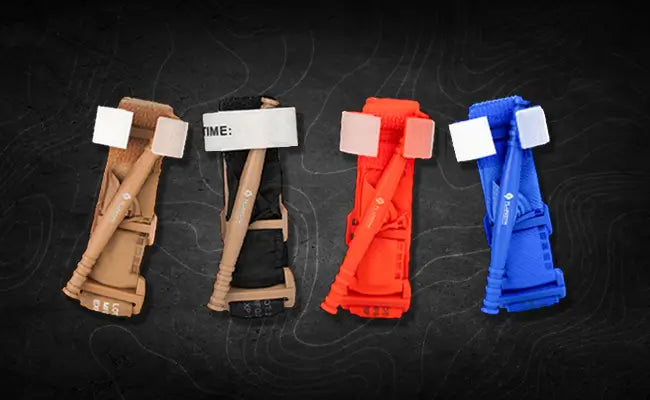
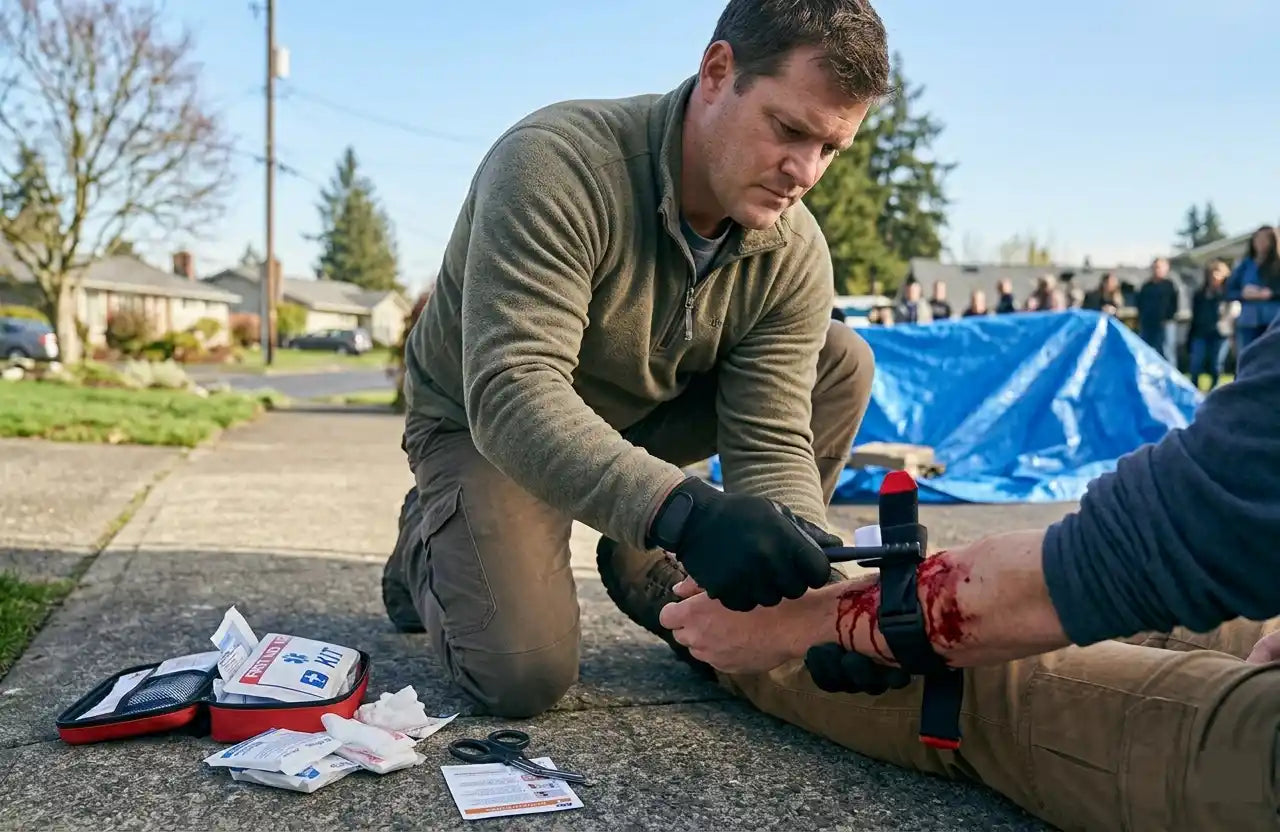
Lorsque le saignement d’un membre est grave, une pression continue ou un tamponnement peuvent ne pas suffire, et un garrot devient nécessaire. Un garrot doit être placé 2–3 inches au-dessus de la plaie, en évitant les articulations, puis serré jusqu’à l’arrêt du saignement. Les garrots commerciaux, tels que le CAT ou le SOF-T W, sont préférés pour leur fiabilité, leur facilité d’application et leur capacité à maintenir la pression sous stress. Les garrots improvisés sont moins efficaces et peuvent échouer si les matériaux sont étroits ou fragiles ; ils ne doivent donc être utilisés que lorsque les options commerciales ne sont pas disponibles.
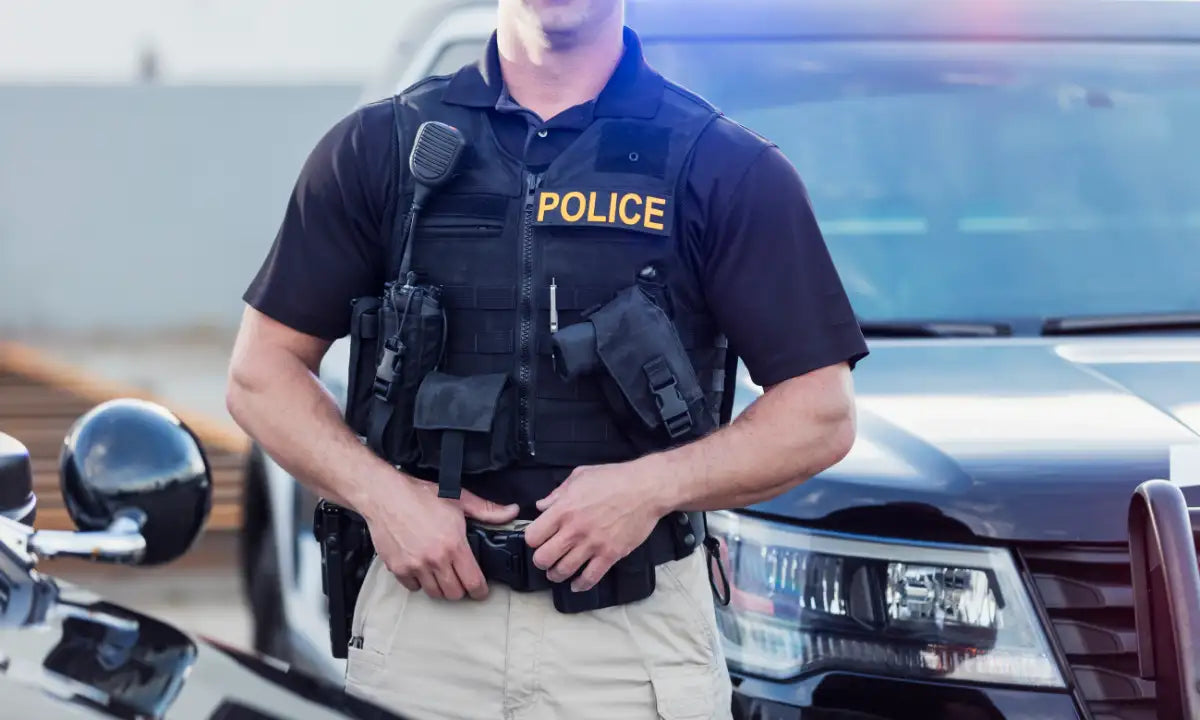
Une fois le garrot fixé, le tourniquet doit être verrouillé, et l’heure de pose doit être notée pour les secours. L’utilisation correcte d’un garrot est essentielle pour prévenir les complications tout en contrôlant une perte sanguine massive. Flaresyn propose des garrots commerciaux, des systèmes à tourniquet et des kits de traumatisme entièrement équipés, spécialement conçus pour les blessures graves des membres, ce qui les rend idéaux pour les premiers intervenants, les forces de l’ordre, les équipes de sécurité et même les civils formés aux soins de traumatologie. Avoir un garrot fiable et de haute qualité à portée de main garantit une réponse rapide et maximise les chances de survie.
Garrots commerciaux vs improvisés : ce que les utilisateurs doivent savoir
Lorsqu’il s’agit de contrôler une hémorragie grave d’un membre, le choix du garrot peut faire la différence entre succès et échec. Les garrots commerciaux, comme le CAT ou le SOF-T W, sont conçus pour une application rapide, une pression fiable et des performances constantes dans les situations de forte pression. Ils sont testés pour arrêter efficacement les saignements artériels et sont plus simples à appliquer correctement, même par des intervenants ayant peu d’expérience préalable. Les garrots improvisés, fabriqués à partir de ceintures, d’écharpes, de cordes ou de sangles, sont généralement moins fiables. Leur efficacité dépend fortement de la largeur du matériau, de sa rigidité et de la capacité de la personne à les serrer et à les fixer correctement. Bien que des options improvisées puissent être utilisées en situation d’urgence lorsqu’aucun garrot commercial n’est disponible, elles comportent un risque plus élevé d’échec et de complications.
Chez Flaresyn, nous fournissons des garrots commerciaux prêts à l’emploi, conçus pour les premiers intervenants, les forces de l’ordre, le personnel tactique et les civils formés. Chaque produit est conçu pour résister à des conditions rigoureuses et assurer un contrôle immédiat des saignements, ce qui en fait un outil essentiel dans tout kit de traumatisme. L’utilisation de garrots commerciaux de haute qualité réduit le risque de mauvaise application et renforce la confiance des intervenants lors des urgences.
Ce qu’il ne faut pas faire en cas d’hémorragie sévère
Savoir quelles actions peuvent aggraver une blessure hémorragique est aussi important que savoir quoi faire. Ne retirez pas la première couche de tissu ou de gaze une fois la pression directe appliquée, car cela peut perturber la coagulation et augmenter la perte de sang. Les objets fichés, comme des éclats de verre ou de couteau, doivent rester en place ; les retirer peut causer davantage de dommages et un saignement incontrôlable. Les garrots ne doivent jamais être placés directement sur les articulations, et les matériaux fins ou fragiles comme les cordes, les ceintures ou les colliers de serrage doivent être évités en raison du risque d’échec. Retarder le traitement pour chercher le matériau parfait peut être fatal. La connaissance de ces erreurs courantes garantit que les interventions sont à la fois sûres et efficaces. L’utilisation d’un kit de traumatisme pré-rempli élimine de nombreux risques en fournissant des fournitures organisées, prêtes à l’emploi, qui simplifient une application correcte sous pression.
Prévenez le choc en attendant les secours
Une perte sanguine sévère peut rapidement entraîner un choc, réduire l’apport d’oxygène aux organes vitaux et augmenter le risque d’issue fatale. Après avoir contrôlé le saignement, il est crucial de maintenir la chaleur corporelle et le confort de la personne blessée. Encouragez-la à s’allonger si possible, gardez-la calme et couvrez-la avec une couverture ou une veste. Évitez les mouvements inutiles, car ils peuvent aggraver la perte de sang. Le confort et la chaleur aident à maintenir la circulation, soutiennent la coagulation naturelle et réduisent le risque d’hypothermie. Avoir accès à une couverture de survie provenant d’un kit de traumatisme permet au secouriste de stabiliser efficacement le patient en attendant une aide médicale professionnelle.
Contrôle des saignements avec et sans kit de traumatisme
Même sans kit de traumatisme, un contrôle efficace des saignements peut sauver des vies. La pression directe à l’aide d’un tissu propre, d’un t-shirt, d’une serviette ou d’une serviette en papier est la méthode la plus simple et la plus accessible. Pour les plaies profondes, le tamponnement avec les matériaux disponibles et le maintien d’une compression ferme sont essentiels. Cependant, l’utilisation d’un kit de traumatisme améliore considérablement la rapidité, la sécurité et l’organisation. Des kits comme ceux de Flaresyn fournissent de la gaze de contrôle des hémorragies préemballée, des pansements compressifs, des gants, des garrots commerciaux et des couvertures de survie, rendant les interventions plus efficaces et réduisant les erreurs dans les moments critiques.
|
Situation |
Matériel disponible |
Action recommandée |
|
Pas de kit de traumatisme |
T-shirt, serviette, tissu propre |
Appliquer une pression ferme et tamponner la plaie si nécessaire |
|
Avec kit de traumatisme |
Gaze, garrot, pansement compressif, gants |
Appliquer une pression directe, tamponner la plaie et utiliser un garrot si nécessaire |
|
Saignement d’un membre |
Garrot commercial |
Placer 2–3 inches au-dessus de la plaie, serrer jusqu’à l’arrêt du saignement |
|
Plaie profonde |
Gaze de contrôle des hémorragies |
Tamponner la plaie fermement, maintenir une forte pression |
La formation compte : Stop the Bleed et les cours de premiers secours
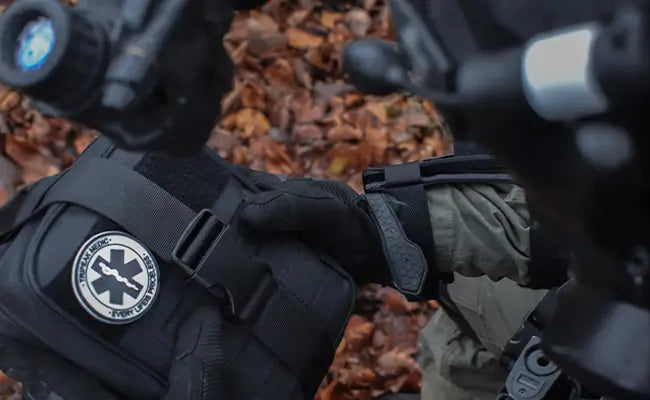
Le bon équipement n’est qu’une partie d’une réponse efficace aux traumatismes. La formation développe la confiance et les compétences nécessaires pour intervenir sous stress. Des programmes comme Stop the Bleed, les cours de premiers secours de la Croix-Rouge américaine et les formations aux traumatismes inspirées du Hartford Consensus apprennent aux participants à identifier une hémorragie mettant la vie en danger, à appliquer une pression directe, à tamponner des plaies profondes et à utiliser correctement des garrots commerciaux. Les agents, premiers intervenants, équipes de sécurité et civils formés bénéficient d’un entraînement régulier à ces gestes. Combiner une formation pratique avec des outils fiables, tels que des kits de traumatisme, garantit des interventions rapides, sûres et efficaces, sauvant au final davantage de vies sur le terrain.
Liste de contrôle rapide : étapes vitales pour arrêter une hémorragie sévère
Une liste de contrôle concise fournit aux intervenants un guide de référence rapide à suivre en cas d’urgence. Cette liste peut être affichée dans les salles de formation, les véhicules ou portée dans les manuels de terrain :
- Assurez-vous que la zone est sûre.
- Appelez le 911 ou demandez à quelqu’un d’autre de le faire.
- Identifiez la source et la gravité du saignement.
- Appliquez immédiatement une pression ferme et directe.
- Tamponnez les plaies profondes si la pression seule est insuffisante.
- Utilisez un garrot commercial pour un saignement grave d’un membre.
- Ne retirez pas les objets fichés.
- Gardez la personne au chaud et calme.
- Restez avec le patient jusqu’à l’arrivée des secours.
Foire aux questions
Quelle est la manière la plus rapide d’arrêter une hémorragie sévère ?
La pression directe est la première mesure, et la plus efficace. Pour les plaies profondes ou les saignements abondants d’un membre, le tamponnement de la plaie et l’application d’un garrot commercial sont nécessaires.
Quand faut-il utiliser un garrot ?
Appliquez un garrot en cas d’hémorragie mettant la vie en danger au niveau du bras ou de la jambe, qui ne peut pas être contrôlée par la pression ou le tamponnement.
Puis-je arrêter un saignement sans kit de traumatisme ?
Oui. Un tissu propre, des serviettes ou des vêtements peuvent fournir une pression efficace. Les kits de traumatisme améliorent la rapidité, la sécurité et l’efficacité.
Faut-il retirer les objets fichés comme du verre ou un couteau ?
Non. Laissez l’objet en place et exercez une pression autour en attendant les secours.
Que contient la formation Stop the Bleed ?
Elle fournit une formation sur la pression directe, le tamponnement des plaies et l’utilisation correcte des garrots pour contrôler une hémorragie sévère avant l’arrivée des secours.
Conclusion : la préparation sauve des vies
Une hémorragie sévère est l’une des principales causes de décès évitables en traumatologie. Agir rapidement avec une pression directe, le tamponnement des plaies et l’application d’un garrot commercial peut stabiliser les victimes jusqu’à l’arrivée des secours. Maintenir la chaleur corporelle, le confort du patient et le calme est tout aussi important. Le matériel seul ne suffit pas ; la formation via Stop the Bleed, la Croix-Rouge américaine et les cours de traumatologie garantit que les intervenants agissent avec assurance et efficacité. Chez Flaresyn, nous fournissons des kits de traumatisme, des garrots commerciaux, de la gaze de contrôle des hémorragies, des pansements compressifs, des gants et des couvertures de survie pour les forces de l’ordre, les premiers intervenants, les équipes de sécurité, les entreprises et les civils. Équipez-vous, ainsi que votre équipe, pour répondre efficacement à une hémorragie sévère et sauver des vies lorsque chaque seconde compte.