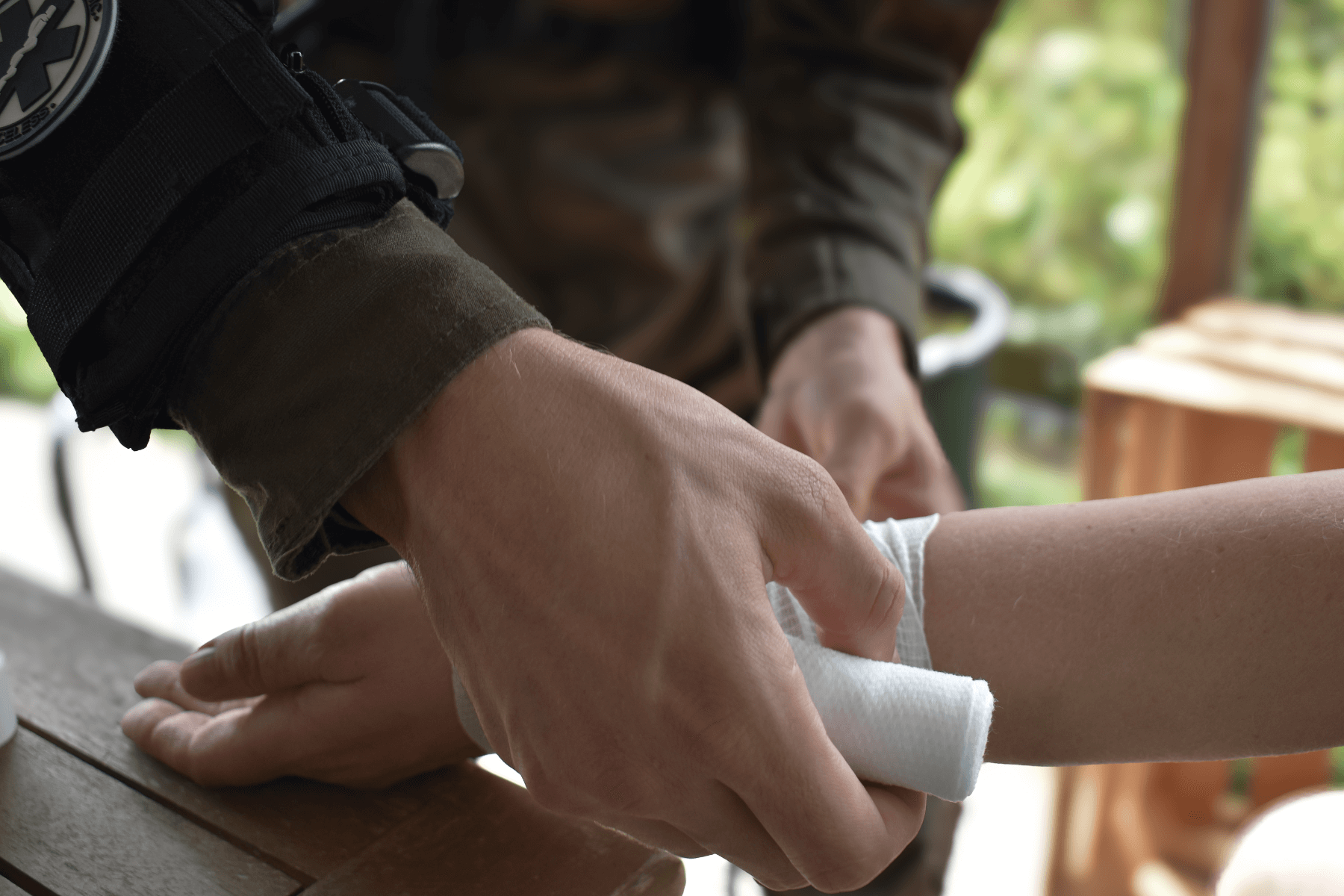
IFAK Refill Kit Guide for Trauma Gear Maintenance 2026
Quick Navigation: Family Safety Guide
Why an IFAK Is a System, Not a One-Time Purchase
An Individual First Aid Kit is not a sealed trophy. It is a working system designed to support the first minutes of emergency trauma care. That means every component has a job, and every missing component creates a gap. A tourniquet controls severe limb bleeding. Gauze supports wound packing and direct pressure. A pressure dressing maintains compression. Gloves protect the responder. Chest seals support response to appropriate penetrating chest wounds. Thermal layers help fight shock and exposure. If one of those tools is missing, damaged, or expired, the system is weaker.
The False Security of an Unchecked Kit
- The human brain loves the comfort of ownership. Once we buy a kit, we mentally check the box: prepared. But emergency equipment degrades in the background. Gloves become brittle. Adhesive packaging weakens. Gauze gets borrowed. Tourniquets used for training accumulate wear. Vehicle heat punishes sterile seals. A Trauma Kit Refill prevents a prepared-looking pouch from becoming a hollow promise.
- This is especially important for kits stored in harsh environments. A vehicle IFAK may experience freezing winter nights and extreme summer cabin heat. A range kit may be exposed to dust, solvent vapor, carbon fouling, and repeated compression under gear. An EDC pouch may absorb sweat, rain, and daily friction. These conditions may not destroy supplies immediately, but they can quietly reduce reliability.

Training Gear vs. Live Gear
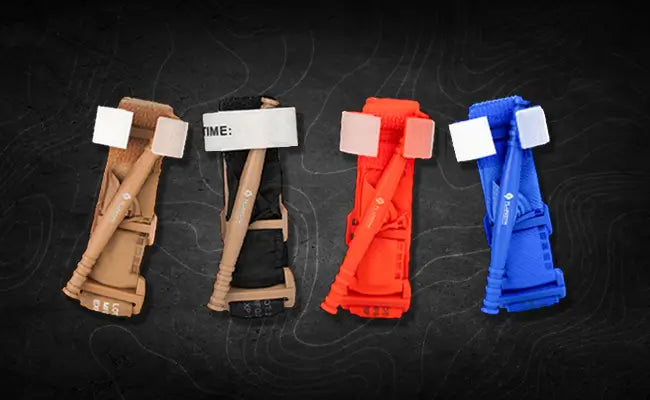
Training is essential, but training also consumes equipment. A tourniquet that has been tightened dozens of times during drills should not automatically remain your emergency device. Repeated windlass torque, strap tension, hook-and-loop wear, and buckle stress can reduce confidence in the tool. A Tourniquet Refill Kit mindset helps separate training devices from live devices.
The best practice is simple: maintain dedicated training gear and dedicated live gear. Use a marked training tourniquet, practice gauze, and demo bandage for repetition. Keep the live FlareSyn™ tourniquet and sterile trauma supplies sealed, staged, and protected. If a live item gets opened for training by mistake, replace it. The cost of a refill is tiny compared with the cost of discovering a compromised tool during a real bleed.
@media screen and (max-width: 767px) { .bggle_spacer[section-id="1799000011501"] {height: 30px !important;}}
.bggle_spacer[section-id="1799000011501"] .bggle_line {height: 1px;width: 200px;max-width: 100%;background-color: #888;}@media screen and (max-width: 767px) { .bggle_spacer[section-id="1799000011501"] .bggle_line { width: 80%;max-width: 100%;}}
When to Use an IFAK Refill Kit
A proper IFAK Refill Kit should be used whenever the original kit has been opened, consumed, exposed, degraded, or reorganized. Do not wait until the entire pouch is empty. Trauma readiness fails one missing component at a time. If the kit no longer supports the M.A.R.C.H. sequence with confidence, it is time to refill.
After Real Use or Blood Exposure
After any real emergency, treat the kit as contaminated and incomplete. Gloves, gauze, dressings, chest seals, blankets, and wrappers may have been used or exposed. Even if a component was not placed directly on the patient, it may have been handled with blood-contaminated gloves, dropped on the ground, or opened in bad weather. A Stop the Bleed Refill should restore the kit back to a clean, sealed, ready state.
This is not about waste. It is about reliability and hygiene. The next emergency should not inherit the contamination, missing supplies, or mental clutter of the last one. After a real use, restock immediately, document what was consumed, and inspect the pouch structure before returning it to service.
After Heat, Moisture, Compression, or Time
Environmental exposure is the silent destroyer of trauma gear. Vehicle cabin heat can stress adhesives and sterile packaging. Moisture can compromise paper wrappers or glove integrity. Compression can damage contents inside overstuffed pouches. UV exposure can weaken plastic and elastic materials. Time itself matters, especially for sterile medical products with expiration dates.
Any kit that lives in a vehicle, range bag, work truck, patrol pack, boat, motorcycle luggage, or outdoor pack deserves regular inspection. If packaging looks swollen, torn, brittle, sun-faded, wet, punctured, or adhesive-compromised, replace it. A Emergency First Aid Refill Kit is cheap insurance against environmental decay.
| Refill Trigger | What to Check | Recommended Action |
| Real Emergency Use | Used supplies, contamination, pouch damage | Replace opened or exposed trauma components immediately. |
| Training Session | Tourniquet wear, opened gauze, missing gloves | Restock live kit and separate training gear from emergency gear. |
| Vehicle Heat Exposure | Adhesives, sterile packaging, gloves, elastic wraps | Replace questionable items before summer or long road trips. |
| Scheduled Audit | Expiration dates, layout, missing components | Use an IFAK Refill Kit to restore complete readiness. |
What Belongs in a Trauma Kit Refill
A strong Trauma Kit Refill should restore the kit's ability to address preventable death, not merely refill empty pockets. The refill should map to the same priorities that made the original IFAK useful: massive hemorrhage control, wound packing, compression, responder protection, breathing-related trauma support when appropriate, and hypothermia prevention.

Tourniquets, Gauze, Gloves, and Pressure Dressings
The core of most refill plans is bleeding control. A windlass tourniquet replaces a used, worn, or questionable device. Compressed gauze or hemostatic gauze restores wound-packing capability. Pressure dressings maintain compression after the initial manual hold. Nitrile gloves restore responder protection. These are the items most likely to be consumed during drills, real emergencies, or routine kit upgrades.
A Tactical Medical Refill should also consider quantity. One gauze roll may not be enough for a deep wound. One pair of gloves may not be enough for a messy roadside scene. One tourniquet may not be enough for a severe leg injury, a second casualty, or a failed improvised response before your kit arrives. Refill depth should match the environment where the kit lives.
Chest Seals, Thermal Layers, and Documentation
Many users remember to replace tourniquets and gauze but forget secondary trauma components. Chest seals can be sensitive to adhesive degradation, especially in hot vehicle storage. Emergency blankets tear easily after use and should not be stuffed back into a kit as if nothing happened. Markers disappear. Casualty cards get wet. Tape loses tack. A complete Emergency First Aid Refill Kit should restore the entire trauma workflow, not just the headline items.
Documentation is especially important when a tourniquet is used. Recording the application time helps the next level of care understand the timeline. A permanent marker may seem small compared with a tourniquet, but it supports the handoff to EMS and emergency clinicians. In trauma care, small missing items can create large communication problems.
Building a Refill Schedule for Every Carry Layer
The best refill plan is scheduled before the kit fails. Waiting until you notice a missing component during an emergency is not a plan. Every IFAK layer should have an audit rhythm. Daily-carry pouches need frequent physical checks because they experience friction. Vehicle kits need seasonal checks because of heat and cold. Range kits need checks after training. Team kits need inventory control after every drill or event.
EDC, Vehicle, Range, and Team Kit Audits
An EDC kit should be checked monthly because it rides on your body or in a daily bag. Look for sweat damage, crushed packaging, missing gloves, and shifted layout. A vehicle kit should be checked before summer, before winter, and before major road trips. A range kit should be checked after each training session because supplies may be opened, borrowed, or contaminated with dust and solvent residue.
Team kits require a stricter process. Assign one person to inventory the kit, replace used items, and keep the layout consistent. If every team member restocks the bag differently, the kit becomes harder to use under stress. A Stop the Bleed Refill should restore both supplies and organization.

The FlareSyn Refill Mindset
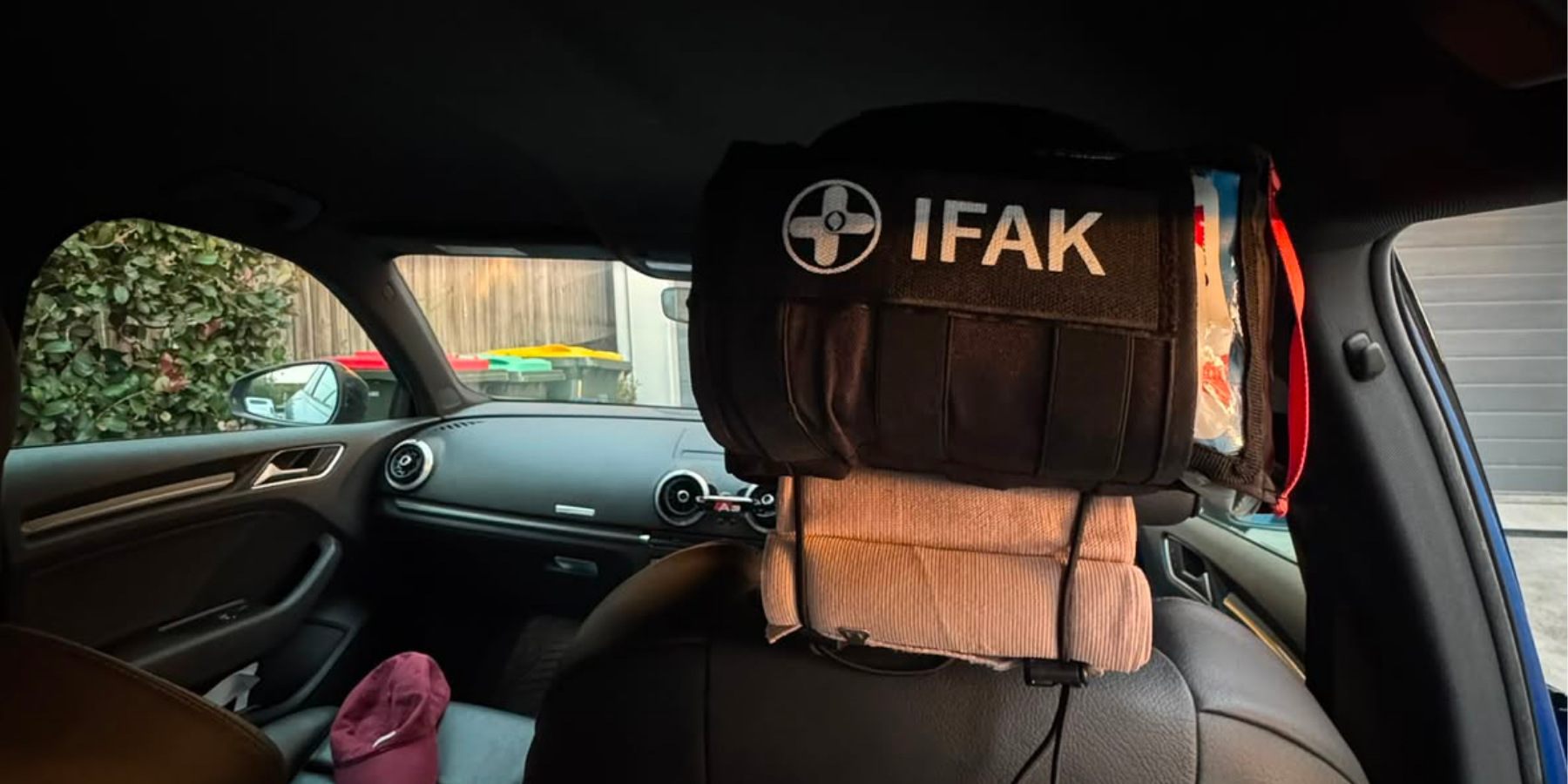
FlareSyn™ kits are built for specific environments: EDC, vehicle, range, patrol, outdoor, and team response. The refill mindset should match that same environment. A compact EDC pouch may need a slim refill focused on gloves, gauze, and a live tourniquet. A vehicle headrest kit may need chest seal and blanket replacement after heat exposure. A squad or field kit may need deeper quantities across multiple patients.
The goal is not to make your kit look new. The goal is to make it function as expected when hands are shaking. Refill the kit after use. Replace questionable items before they fail. Preserve the layout. Train with separate practice gear. This simple discipline transforms a purchased pouch into an ongoing survival system.
A mature preparedness system also keeps spare refill items at home. If you have to wait weeks to replace a used tourniquet or gauze roll, your kit may stay incomplete longer than you realize. Keeping a small refill cache allows you to restore readiness the same day. For families, teams, instructors, and frequent travelers, that speed matters.
Conclusion
A trauma kit is only ready if it is complete, protected, and current. The pouch you bought last year may still look prepared from the outside, but readiness lives inside the details: sealed gauze, reliable gloves, intact dressings, functional tourniquets, usable chest seals, and a layout your hands understand. An IFAK Refill Kit keeps that system honest.
Do not wait for an emergency to discover what training, heat, moisture, or time has removed from your kit. Audit every layer of your setup: pocket, belt, vehicle, range bag, home station, and team responder bag. Replace what has been used. Replace what looks questionable. Replace what no longer supports the first minutes of trauma care.
FlareSyn™ refill solutions help keep your trauma system mission-ready after drills, deployments, travel, and real-world use. Build the habit now: inspect, restock, train, and repeat. When seconds count, the difference between "I own a kit" and "my kit is ready" may be the most important distinction you ever make.
Q: When should I use an IFAK Refill Kit?
A: Use an IFAK Refill Kit after real emergency use, training, opened packaging, contamination, expiration, vehicle heat exposure, moisture damage, or any audit that reveals missing or questionable trauma supplies.
Q: What should a Trauma Kit Refill include?
A: A Trauma Kit Refill should include the supplies needed to restore bleeding-control readiness, such as tourniquets, compressed or hemostatic gauze, gloves, pressure dressings, chest seals when appropriate, emergency blankets, markers, and other consumed or expired components.
Q: Can I reuse a tourniquet after training?
A: Keep training tourniquets separate from live emergency tourniquets. Repeated training can wear straps, hook-and-loop material, buckles, and windlass components. Use a dedicated training device and keep your live tourniquet clean, staged, and reliable.
Q: How often should I audit my tactical medical kit?
A: Audit EDC kits monthly, vehicle kits seasonally, range kits after training, and team kits after every drill or event. Replace missing, expired, opened, heat-damaged, wet, crushed, or questionable items immediately.


Elias.H.Hwang
Elias H. Hwang is a tactical medicine expert and lead contributor at FlareSyn. He specializes in emergency trauma protocols and preparedness education, helping civilians and professionals alike master the tools and skills needed to save lives in critical moments.