Micro Trauma Pouch Guide for Pocket IFAK Carry 2026
Quick Navigation: Micro Trauma Carry


Why the Micro Trauma Pouch Exists
A Micro Trauma Pouch exists because readiness has to survive real life. People sit in cars, walk through stores, work in offices, train at ranges, hike short trails, visit job sites, and move through the world without wearing full tactical gear. If a trauma kit is too bulky, too obvious, too heavy, or too awkward, it slowly gets left behind. The micro pouch is built to fight that quiet failure.
The Everyday Carry Problem
Many preparedness plans collapse under friction. A person buys a full trauma kit, trains once, stores it neatly, and then stops carrying it because it does not fit their routine. This creates the illusion of capability without daily access. A EDC Medical Kit must be designed around the habits people can actually maintain: slipping into a bag, clipping to a belt, riding in a console, or sitting in a pocket without disrupting normal movement.
The point is not to make the smallest possible kit. The point is to make the smallest useful kit. A pouch that is tiny but lacks a tourniquet or packing material may be convenient, but it is weak against the injuries that kill quickly. A well-designed Everyday Carry First Aid system balances comfort with true emergency function.
Pocket IFAK vs. Traditional First Aid
A traditional pocket first aid kit usually focuses on minor injuries. It may include small bandages, antiseptic wipes, pain relievers, and blister care. Those items are helpful, but they do not stop catastrophic bleeding. A Pocket IFAK is different. It is a trauma-first system built around the immediate actions a trained bystander can take before professional help arrives: apply direct pressure, pack a wound, use a tourniquet for severe limb bleeding, and maintain compression.
This difference matters because space is limited. Every item inside a micro pouch must earn its place. If the pouch becomes crowded with low-priority comfort items, the responder may lose access to the tools that matter most. A FlareSyn™ micro setup keeps the focus tight: stop bleeding, protect the responder, and buy time.
@media screen and (max-width: 767px) { .bggle_spacer[section-id="1797000011501"] {height: 30px !important;}}
.bggle_spacer[section-id="1797000011501"] .bggle_line {height: 1px;width: 200px;max-width: 100%;background-color: #888;}@media screen and (max-width: 767px) { .bggle_spacer[section-id="1797000011501"] .bggle_line { width: 80%;max-width: 100%;}}
What Belongs in a Micro Trauma Pouch
The contents of a Micro Trauma Pouch should be selected according to preventable death, not item count. A long checklist may look impressive, but a micro pouch must remain slim enough to carry. The core should support four priorities: responder protection, tourniquet access, wound packing, and pressure maintenance. If those functions are missing, the kit is not truly trauma-focused.
Tourniquet Sleeve Pouch Logic
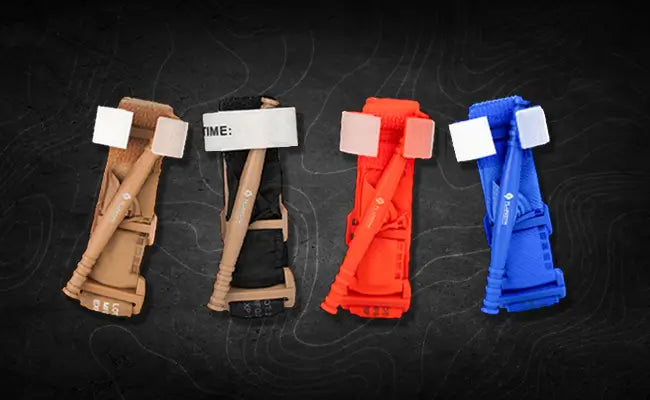
The tourniquet is often the largest and most awkward item in a compact kit, which tempts people to remove it. That is exactly the wrong instinct. Severe limb bleeding is one of the fastest emergencies a civilian responder can meaningfully affect. A Tourniquet Sleeve Pouch keeps this tool accessible without forcing it into the main compartment where it can crush gauze, stretch the pouch, or slow deployment.
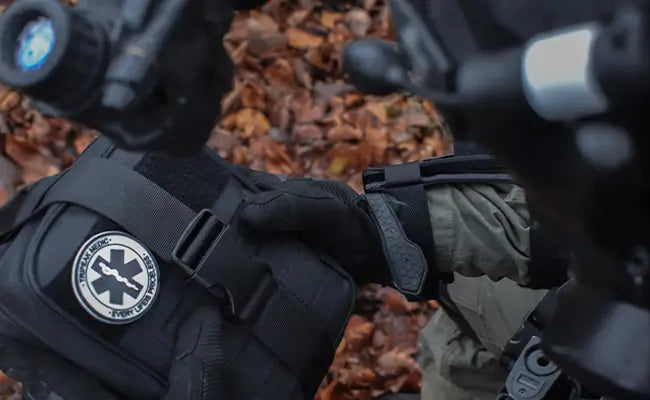
External or sleeve-based tourniquet carry also helps under stress. When the responder's hands are shaking, they should not need to open the entire pouch just to find the first tool. The tourniquet should be identifiable by location and feel. This is one reason FlareSyn™ micro systems emphasize rapid deployment rather than purely hidden storage.
Minimal Supplies, Maximum Priority
- A practical Compact Tactical Med Kit may include nitrile gloves, compressed gauze, hemostatic gauze depending on configuration, a pressure dressing or compression wrap, a tourniquet, and a small marker. If space allows, trauma shears or compact cutting tools can help expose the wound, but clothing removal must never delay immediate pressure on a severe bleed.
- The philosophy is simple: do not confuse micro with casual. A micro pouch is not a lifestyle accessory. It is a serious trauma layer that accepts limited space and uses that space ruthlessly. Minor-care items can live in a separate organizer. The EDC Medical Kit should stay focused on immediate bleeding response.
| Micro Kit Item | Primary Role | Why It Matters |
| Windlass Tourniquet | Severe limb bleeding control | Provides rapid mechanical compression when direct pressure is not enough. |
| Compressed Gauze | Wound packing and direct pressure | Supports deep wound response where a tourniquet cannot be placed. |
| Nitrile Gloves | Responder protection | Helps reduce blood exposure while allowing immediate action. |
| Pressure Dressing | Maintained compression | Keeps pressure in place after the first manual hold. |
How to Carry and Train With a Pocket IFAK
- A Pocket IFAK must be carried where it can be reached without a search. This sounds obvious, but many people bury compact kits at the bottom of backpacks, under laptop chargers, or inside vehicle compartments they cannot reach while seated. The pouch should be staged in a location that matches your daily risk profile and your actual body mechanics.
Pants Pocket, Belt, Bag, or Vehicle Console?
Each carry method creates tradeoffs. Pocket carry is discreet and constant, but capacity is limited. Belt carry improves access but requires comfort and concealment planning. Bag carry fits daily routines but depends on keeping the bag near you. Vehicle console carry is excellent for driving but fails if the incident happens away from the vehicle. The strongest Everyday Carry First Aid strategy often combines two layers: one micro pouch on or near the body, and a deeper trauma kit in the vehicle or bag.
Do not choose placement by appearance alone. Sit down, stand up, kneel, reach with either hand, and practice accessing the pouch while wearing your normal clothing. If your jacket blocks the zipper, if your seatbelt traps the pouch, or if your backpack must be removed before access, adjust the setup. A Micro Trauma Pouch should reduce time, not create a new puzzle.
Building the Everyday Carry First Aid Habit
Training a micro kit is different from admiring it. Practice opening it with gloves on. Practice pulling the tourniquet from the sleeve. Practice finding gauze by touch. Practice from a seated vehicle position, from a backpack, and from your belt or pocket. Use a dedicated training tourniquet so your live device stays clean and structurally reliable.
The habit also includes inspection. A small pouch sees more friction than a larger bag stored on a shelf. Sweat, dust, pocket pressure, rain, heat, and repeated compression can damage sterile packaging or weaken elastic materials. Inspect your EDC Medical Kit regularly and replace compromised supplies before they become false security.
Most importantly, pair your gear with training. A micro kit gives you access to tools, but training gives you the judgment to use them. Learn severe bleeding control from reputable instructors. Practice direct pressure, wound packing, and tourniquet application until the sequence feels familiar. In a real emergency, the brain under stress falls back to what the hands have practiced.
Conclusion
A Micro Trauma Pouch is not a replacement for a full trauma bag, vehicle kit, or responder pack. It is the first layer of readiness. It is the kit that stays close when larger systems are too far away. It is built for the first move: protect your hands, expose the injury, apply pressure, pack the wound, or deploy a tourniquet when severe limb bleeding demands it.
The value of a Pocket IFAK is consistency. If a kit is small enough to carry daily but serious enough to support real bleeding control, it fills one of the most important gaps in civilian preparedness. The best emergency tool is not the one sitting at home in perfect condition. It is the one you can reach before panic takes over.
FlareSyn™ micro and EDC trauma systems are built for people who understand that preparedness must fit ordinary life. Choose a Tourniquet Sleeve Pouch or compact tactical setup that carries the essentials without becoming a burden. Keep it close, train with it often, and let your daily carry reflect the reality that emergencies do not wait for your larger kit to arrive.
Q: What is a Micro Trauma Pouch used for?
Yes. Once a child reaches older childhood or adolescence (typically around 8 to 10 years olA: A Micro Trauma Pouch is used to carry compact life-saving trauma supplies such as a tourniquet, gauze, gloves, and compression tools. It is designed for everyday carry, pocket IFAK setups, belt carry, vehicle consoles, and low-profile emergency readiness.d, depending on their physical development), their limb circumference grows large enough for a standard windlass tourniquet to function properly without stacking fabric. The easiest way to test this is a dry-run fitting: wrap your live tourniquet around your child’s upper arm. If the hook-and-loop strap can make full engagement around the arm without bunching up or jamming inside the routing buckle, the device will apply effective mechanical compression in an emergency.
Q: Is a Pocket IFAK enough for severe bleeding?
A: A Pocket IFAK can provide the first tools for severe bleeding control, especially if it includes a tourniquet and gauze. It is not a replacement for a full trauma bag, but it can bridge the critical gap before larger kits or EMS arrive.
Q: Why use a Tourniquet Sleeve Pouch?
A: A Tourniquet Sleeve Pouch keeps the tourniquet immediately accessible instead of buried inside the main compartment. This matters because severe limb bleeding may require rapid application before there is time to unpack the entire kit.


Elias.H.Hwang
Elias H. Hwang is a tactical medicine expert and lead contributor at FlareSyn. He specializes in emergency trauma protocols and preparedness education, helping civilians and professionals alike master the tools and skills needed to save lives in critical moments.