Blast Injury Management: First Response Priorities and Trauma Kit Readiness
Blast injuries are different from ordinary cuts, falls, or single-impact injuries because one explosion can injure the lungs, ears, brain, skin, bones, abdomen, and limbs at the same time. A person may look alert but still have hidden internal injury, breathing trouble, bleeding, burns, or blast-related concussion. That is why blast injury management starts with the right priorities: stay safe, call 911, control life-threatening bleeding if trained, watch breathing, prevent heat loss, and prepare the injured person for EMS. This guide is written for U.S. preparedness users, range teams, workplace safety managers, vehicle kit owners, and emergency-minded families who want to understand blast trauma and keep the right trauma supplies ready.
Quick Answer: What Is Blast Injury Management?
Blast injury management is the process of recognizing explosion-related injury patterns, activating emergency response, controlling life-threatening bleeding, supporting breathing, preventing hypothermia, protecting wounds, and preparing the casualty for professional trauma care. In the field, this may include calling 911, moving away from danger, using bleeding-control supplies within training level, monitoring breathing, and keeping the injured person warm. In hospitals, care may involve ATLS protocols, CT scans, X-rays, ultrasound, airway management, oxygen support, fluid resuscitation, surgery, wound debridement, burn care, tetanus prophylaxis, antibiotics, and multidisciplinary trauma care. The American College of Surgeons describes ATLS as a systematic, concise approach to the early care of trauma patients.
What Makes Blast Injuries Different?
Blast injuries are difficult because the cause is rarely limited to one force. The blast wave can injure air-filled organs, flying debris can penetrate tissue, blast wind can throw the body, heat can burn skin and airways, and structural collapse can trap or crush victims. A basic first aid kit may handle small cuts, but it is not enough for blast-related trauma where severe bleeding, open wounds, chest injuries, and multiple casualties are possible.
Blast Injury Meaning
A blast injury is physical trauma caused by direct or indirect exposure to an explosion. It can come from the pressure wave, blast wind, fragments, heat, smoke, dust, chemical hazards, or collapsed structures. The Department of Defense’s blast injury resource describes blast injury as a complex type of trauma that can include internal organ injury, lung injury, traumatic brain injury, extremity injury, burns, hearing injury, and vision injury.
Why Blast Trauma Can Be Hard to Recognize
Blast trauma can be hidden at first. A person may walk, talk, and appear stable while still having blast lung, abdominal injury, concussion, internal bleeding, ear injury, or worsening respiratory problems. This is why emergency responders use a high index of suspicion after explosions. Symptoms may show immediately, but some can appear later as swelling, bleeding, oxygen problems, or internal injury progresses.
Who Needs Blast Injury Preparedness Knowledge?
Blast injury preparedness is useful for first responders, EMS support teams, security teams, workplace safety managers, shooting ranges, industrial sites, construction crews, public venues, outdoor groups, and vehicle preparedness users.
Blast Injury Classification: Five Mechanisms in One Clear Table
Blast injuries are commonly grouped by how the explosion causes harm. This classification helps responders understand why one casualty may have breathing problems, another may have shrapnel wounds, and another may have burns or crush injury. The Department of Defense blast injury taxonomy includes primary, secondary, tertiary, quaternary, and quinary mechanisms.
|
Blast Injury Type |
Main Cause |
Common Examples |
First-Response Concern |
|
Primary blast injury |
Overpressure blast wave |
Blast lung, ear injury, bowel injury, TBI |
Hidden internal injury and breathing problems |
|
Secondary blast injury |
Shrapnel, fragments, debris |
Penetrating wounds, open bleeding, eye injury |
Severe bleeding and wound protection |
|
Tertiary blast injury |
Body thrown by blast wind |
Fractures, traumatic amputation, blunt trauma |
Spine, limb, and crush injury concerns |
|
Quaternary blast injury |
Heat, smoke, dust, collapse, toxins |
Burns, inhalation injury, crush injury |
Airway, burns, contamination, hypothermia |
|
Quinary blast injury |
Special contaminants |
Chemical, biological, radiological exposure |
Hazmat response and decontamination |
A bystander may focus on scene safety and bleeding control, while EMS and hospital teams evaluate breathing, circulation, burns, internal injury, and contamination risks.
Primary Blast Injuries: Pressure Wave Damage
Primary blast injuries come from the blast pressure wave itself. These injuries often affect air-filled or pressure-sensitive organs such as the lungs, ears, gastrointestinal tract, and brain. The challenge is that these injuries may not always be visible from the outside.
Blast Lung and Respiratory Compromise
Blast lung is one of the most serious primary blast injuries. It can involve damage to lung tissue, air leakage, bleeding into the lung, pulmonary edema, pneumothorax, or low oxygen levels. Warning signs may include shortness of breath, chest pain, coughing blood, rapid breathing, bluish skin, or worsening respiratory distress. Field responders should focus on calling 911, monitoring breathing, and getting the person to professional care. Oxygen, airway support, intubation, chest tubes, and ventilation strategies belong to trained EMS and hospital teams.
Ear and Tympanic Membrane Injury
The ear is highly sensitive to blast pressure. A person may have ringing in the ears, dizziness, ear pain, fluid or blood from the ear, hearing loss, or tympanic membrane rupture. An eardrum injury can show that someone was exposed to blast pressure, but it does not prove whether deeper injuries are present or absent. A person with ear symptoms after an explosion should still be checked for breathing problems, head injury, abdominal pain, bleeding, and other trauma.
Abdominal and Gastrointestinal Blast Injury
The gastrointestinal tract can be injured by pressure changes after a blast. Signs may include abdominal pain, guarding, tenderness, nausea, vomiting, bleeding, or worsening weakness. Bowel injury and intra-abdominal bleeding may not be obvious right away, which makes medical evaluation important. Hospital teams may use ultrasound, CT scan, labs, serial exams, or surgery depending on the person’s condition.
Brain and Neurologic Injury
Blast exposure can cause concussion or traumatic brain injury even without a direct head strike. Symptoms may include confusion, headache, dizziness, memory problems, loss of consciousness, seizures, vision changes, weakness, or behavior changes. Some neurologic symptoms appear later, especially after the stress of the event wears off. Any person with altered mental status, loss of consciousness, seizure, repeated vomiting, worsening headache, or neurologic deficit needs urgent medical evaluation.
Secondary Blast Injuries: Shrapnel, Debris, and Open Wounds
Secondary blast injuries happen when fragments, glass, metal, gravel, wood, or other debris strike the body. These injuries are often more visible than primary blast injuries and may include penetrating wounds, open bleeding, eye injuries, and soft tissue damage.

Penetrating Trauma and External Hemorrhage
Penetrating trauma from shrapnel or debris can cause severe bleeding, especially in the arms, legs, neck, or groin area. Life-threatening bleeding is one of the most urgent first-response concerns after explosions. The ACS Stop the Bleed program teaches the public basic actions to control severe bleeding, and it notes that bleeding is a leading cause of preventable death after injury. For preparedness, this is where tourniquets, pressure bandages, wound packing gauze, hemostatic gauze, gloves, and trauma dressings help support bleeding-control readiness when used within proper training.
Eye, Face, and Soft Tissue Injuries
Flying glass and debris can injure the eyes, face, and soft tissue. Eye injuries may involve pain, vision changes, foreign bodies, bleeding, or penetration. These injuries need urgent professional care. Bystanders should avoid pressing on the eye or removing embedded objects. A trauma kit may include gloves, dressings, tape, and eye protection supplies, but definitive care belongs to medical professionals.
Chest and Abdominal Penetrating Injuries
Fragments can also penetrate the chest or abdomen. An open chest wound can affect breathing and may require a chest seal within the responder’s training level while waiting for EMS. Abdominal penetrating wounds can involve hidden bleeding or organ injury. Deep objects should not be pulled out by bystanders because removal can worsen bleeding. The priority is 911 activation, bleeding control around the wound if possible, monitoring breathing, and rapid EMS handoff.
Tertiary Blast Injuries: Impact, Falls, and Crush Trauma
Tertiary blast injuries happen when blast wind throws a person into the ground, a wall, a vehicle, debris, or another hard surface. These injuries can look like fall trauma, vehicle trauma, crush trauma, or blunt-force trauma. Unlike secondary injuries, which come from objects hitting the body, tertiary injuries happen because the body itself is displaced by the force of the explosion.
Fractures and Severe Orthopedic Trauma
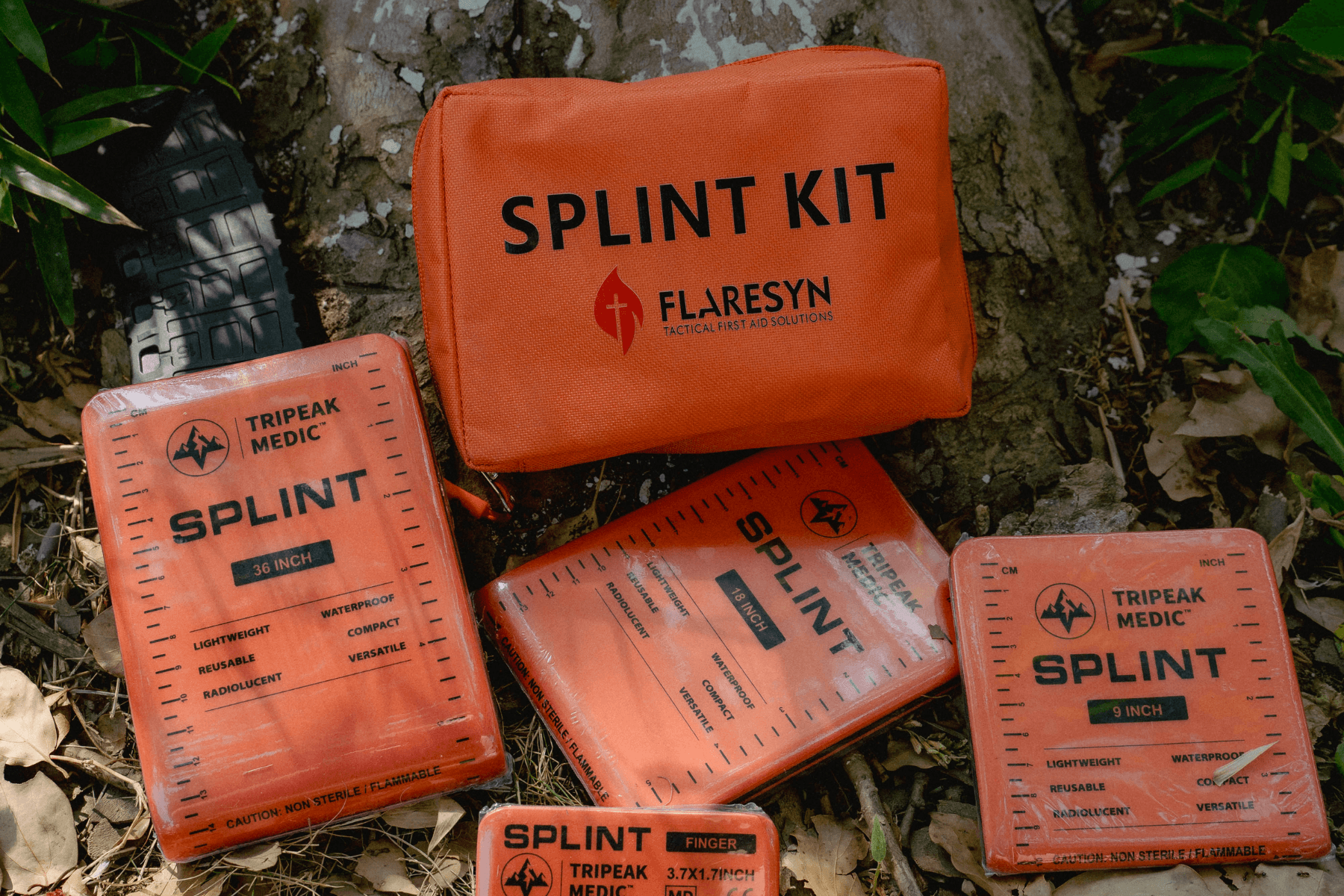
Broken bones, joint injuries, spinal injury concerns, and severe limb trauma are common after body displacement. A person may have obvious deformity, swelling, pain, inability to move a limb, or signs of shock. In the field, the focus is not to “fix” the fracture but to avoid further harm, keep the person still when spinal injury is possible, control bleeding, and wait for EMS. Hospital teams may later use imaging, splinting, external fixation, surgery, or orthopedic care depending on the injury.
Traumatic Amputation and Limb Bleeding
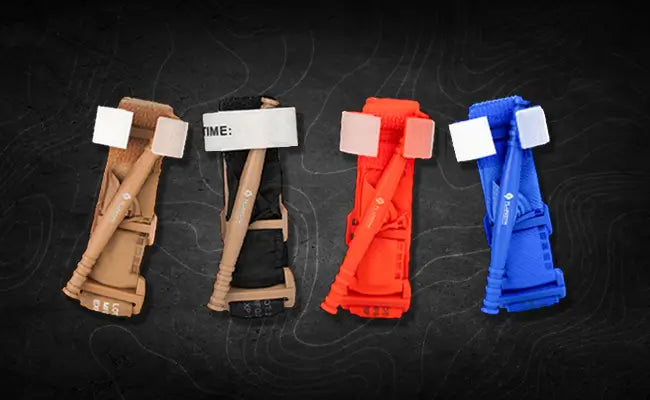
Blast events can cause traumatic amputation or near-amputation, especially when the explosion is close to the body. These injuries can lead to rapid blood loss. If a limb has life-threatening bleeding, tourniquet use may be needed by trained responders. The time of tourniquet placement should be written down if possible, and EMS should be told immediately. A prepared trauma kit should include a quality tourniquet, pressure dressing, gauze, gloves, trauma shears, and a permanent marker.
Crush Injury and Entrapment
Crush injury can happen when a person is trapped under debris, machinery, a wall, or a collapsed structure. This is a serious rescue situation. Bystanders should not enter unstable structures or try unsafe lifting. Professional rescue teams may need to manage structural hazards, airway issues, bleeding, shock, and complications from prolonged pressure on muscle tissue. The safest bystander action is to call 911, report the location clearly, and help only from a safe position.
Quaternary and Quinary Blast Injuries: Burns, Smoke, Dust, and Contamination
Quaternary and quinary injuries come from the wider effects of the explosion: heat, fire, smoke, dust, chemicals, radiation, toxins, building collapse, and environmental exposure. These injuries can be hard to manage because the scene itself may remain dangerous after the blast.
Burns and Heat-Related Injury
Burns may come from flames, flash heat, hot metal, steam, chemicals, or secondary fires. Burned skin can lose fluid, become contaminated, and increase the risk of shock. A bystander should move the injured person away from active heat if it is safe, call 911, and avoid applying random creams, butter, or household products to serious burns. A trauma kit may include burn dressings, gloves, and clean coverings, but major burn care belongs to EMS and hospital teams.
Smoke, Dust, and Inhalation Injury
Smoke and dust after an explosion can irritate the airway and lungs. Warning signs include coughing, wheezing, shortness of breath, soot around the mouth or nose, hoarse voice, chest tightness, or worsening breathing. Even if burns are not obvious, inhalation injury can become serious. The safest step is to move to clean air if safe, call 911, and monitor breathing until help arrives.
Chemical, Biological, or Radiological Concerns
Some blast scenes may involve unknown powders, fuel, industrial chemicals, radioactive material, or other hazardous substances. These scenes require hazmat response. Bystanders should not touch unknown materials or move contaminated items into vehicles or buildings. If contamination is suspected, move away from the source if safe, avoid spreading the substance, follow dispatcher instructions, and wait for trained responders.
First Response Priorities After a Blast
After a blast, the first minutes are confusing. There may be smoke, noise, injured people, broken glass, traffic hazards, fire, or unstable structures. A simple priority system helps avoid panic: scene safety first, call 911, control life-threatening bleeding if trained, support breathing, prevent hypothermia, and prepare for EMS handoff.
Scene Safety and Secondary Hazards
Do not rush into the blast area without checking for danger. Secondary hazards can include fire, leaking fuel, live wires, unstable walls, falling debris, sharp metal, hazardous materials, traffic, and secondary devices. If the scene is unsafe, the best help is often calling 911 quickly, moving yourself and others away from danger, and giving clear information to dispatch.
Call 911 and Report Critical Details
When calling 911 in the United States, give the dispatcher clear and direct information. Share the location, number of injured people, visible hazards, fire or smoke, trapped victims, and whether the explosion involved a vehicle, building, workplace, range, or industrial site. If known, mention the time of occurrence and whether there may be chemicals, fuel, or radioactive material involved.
Use MARCH or ABC for Initial Priorities
Trained responders often use structured systems like MARCH or ABC. MARCH stands for Massive bleeding, Airway, Respiration, Circulation, and Hypothermia or Head injury. ABC stands for Airway, Breathing, and Circulation. Both systems help prioritize immediate life threats. For non-medical bystanders, the simplest version is: stay safe, call 911, stop severe bleeding if trained, watch breathing, and keep the person warm.
Control Life-Threatening Bleeding
Severe bleeding can kill quickly, so bleeding control is a major priority after blast trauma. If trained, apply direct pressure, use wound packing for deep wounds where appropriate, apply a pressure bandage, or use a tourniquet for life-threatening limb bleeding. Flaresyn trauma kits and IFAK refill kits support this type of preparedness with tourniquets, hemostatic gauze, pressure dressings, wound packing gauze, gloves, and trauma shears.
Support Breathing and Chest Trauma
Blast incidents can cause chest injuries, open chest wounds, blast lung, smoke inhalation, and breathing problems. If the person has trouble breathing, chest pain, bluish skin, coughing blood, or worsening alertness, call 911 immediately and monitor closely. Chest seals may be used for open chest wounds by trained responders, but internal lung injury, pneumothorax, and respiratory compromise require professional care.
Prevent Hypothermia and Shock
Trauma patients can become cold even in warm weather. Blood loss, burns, shock, wet clothing, and lying on the ground can speed heat loss. Use an emergency blanket, jacket, tarp, or clean dry covering to help retain body heat. Flaresyn emergency blankets and trauma kit supplies fit naturally into this step because preventing heat loss is part of trauma readiness.
Prepare for EMS Handoff
Good information helps EMS work faster. If possible, note the person’s injuries, changes in breathing, mental status, bleeding control steps, tourniquet time, allergies or medications if known, and hazards at the scene. Do not delay transport or professional care to collect details, but share what you know when EMS arrives.
Blast Injury Triage and Mass Casualty Response
Blast events can involve many casualties at once. Some people may be walking and shouting, while others may be silent, trapped, bleeding heavily, or unable to breathe. This makes triage difficult and creates pressure on EMS, hospitals, and bystanders.
Why Blast Events Create Triage Challenges
Explosions can injure many people in different ways at the same time. Smoke, dust, darkness, broken structures, and panic can make it hard to find the most injured victims first. Some serious injuries are visible, like bleeding or burns, while others are hidden, like blast lung, abdominal injury, internal bleeding, or traumatic brain injury.
Upside-Down Triage Risk
In blast incidents, less-injured people may reach hospitals first because they can walk or drive away, while the most seriously injured may be trapped or delayed at the scene. This is sometimes called upside-down triage. It is one reason emergency systems need clear communication, hospital notification, scene control, and organized casualty movement.
What Bystanders Should and Should Not Do
Bystanders can help, but they must stay within safe limits. Do call 911, move away from danger, help control severe bleeding if trained, keep victims warm, and follow dispatcher instructions. Do not enter collapsed buildings, handle unknown powders, remove deeply embedded objects, move possible spinal injury victims unless danger requires it, or block EMS access.
Trauma Kit Readiness for Blast Injury Preparedness
A basic first aid kit may be useful for minor cuts, but blast preparedness requires trauma-focused supplies. The goal is not to turn a bystander into a doctor. The goal is to bridge the gap until EMS arrives with tools that support bleeding control, wound protection, breathing-related emergencies, and heat loss prevention.
Core IFAK Supplies for Blast-Related Trauma
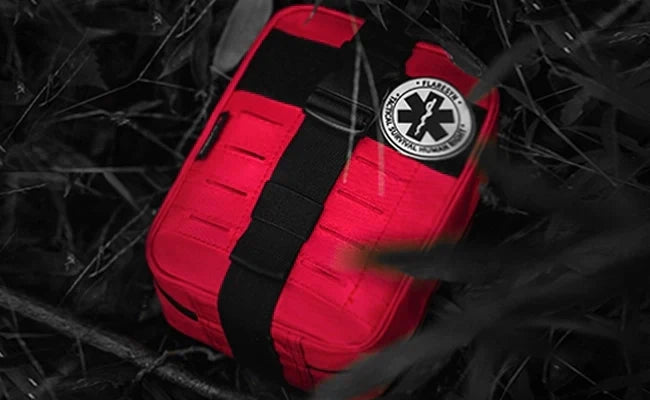
A blast-preparedness IFAK should focus on the most urgent and common trauma needs. Useful supplies include a tourniquet, pressure bandage, hemostatic gauze, wound packing gauze, chest seals, nitrile gloves, trauma shears, emergency blanket, permanent marker, medical tape, burn dressing, and an eye shield if appropriate. These items are practical for severe bleeding, penetrating wounds, open chest injuries, burns, and patient protection.
Larger Kits for Vehicles, Workplaces, and Ranges
Some locations need more than one small IFAK. Workplaces, shooting ranges, industrial sites, event venues, security teams, and vehicles may benefit from larger trauma kits with extra tourniquets, gauze, pressure dressings, gloves, burn supplies, emergency blankets, and chest seals. A larger kit also helps when more than one person is injured.
Refill Kits After Training, Expiration, or Use
Trauma supplies should be replaced after use, damage, contamination, or expiration. A refill kit helps restore the kit without rebuilding everything from random supplies. Flaresyn IFAK refill kits are a practical fit for U.S. customers who already have a pouch but need to replace expired or missing trauma items such as gauze, pressure dressings, gloves, chest seals, or bleeding-control supplies.
Flaresyn supports blast injury preparedness by offering trauma-focused products for real emergency readiness. Customers can build or restock IFAKs, range kits, vehicle trauma kits, workplace kits, and home emergency setups with tourniquets, pressure bandages, gauze, chest seals, emergency blankets, gloves, trauma shears, and complete tactical medical kits.
Prevention and Preparedness Planning
Preparedness does not mean expecting the worst every day. It means having training, supplies, and a plan before an emergency happens. For U.S. homes, vehicles, workplaces, ranges, and industrial settings, the best plan combines basic emergency training with accessible trauma supplies.
Training Before Equipment
Equipment helps, but training makes it useful. Stop the Bleed, CPR, First Aid, workplace emergency response training, and role-appropriate trauma courses can help users understand what to do and what not to do. A tourniquet, chest seal, or pressure bandage is far more useful when the user has practiced with it before a real emergency.
Kit Placement and Inspection
A trauma kit should be easy to find, clearly labeled, and stocked with current supplies. Keep IFAKs in accessible locations such as vehicles, range bags, duty bags, workplace safety stations, and home emergency areas. Check expiration dates, packaging damage, tourniquets, gloves, chest seals, gauze, pressure dressings, and emergency blankets on a regular schedule.
Preparedness for High-Risk Environments
Some places need stronger trauma readiness because injuries may be more severe or EMS access may take longer. Shooting ranges, warehouses, construction sites, security teams, event venues, schools, industrial workplaces, outdoor groups, and vehicle fleets may benefit from multiple kits, refill supplies, clear emergency roles, and regular staff training.
Conclusion: Preparedness Helps Bridge the Gap Until EMS Arrives
Blast injury management begins before professional care reaches the scene. The first priorities are scene safety, 911 activation, life-threatening bleeding control, breathing support, hypothermia prevention, and clear EMS handoff. Clinical diagnosis and treatment belong to EMS and hospital trauma teams, but prepared bystanders can still play an important role during the first few minutes.
A basic first aid kit is not enough for serious blast-related trauma. A stronger preparedness setup includes tourniquets, pressure dressings, hemostatic gauze, wound packing gauze, chest seals, gloves, trauma shears, emergency blankets, burn supplies, and refill kits. For U.S. customers building readiness for vehicles, ranges, workplaces, home emergency kits, or field use, Flaresyn offers IFAKs, trauma kits, refill kits, tourniquets, chest seals, gauze, pressure bandages, emergency blankets, and tactical medical supplies that help keep essential trauma gear ready when seconds matter.