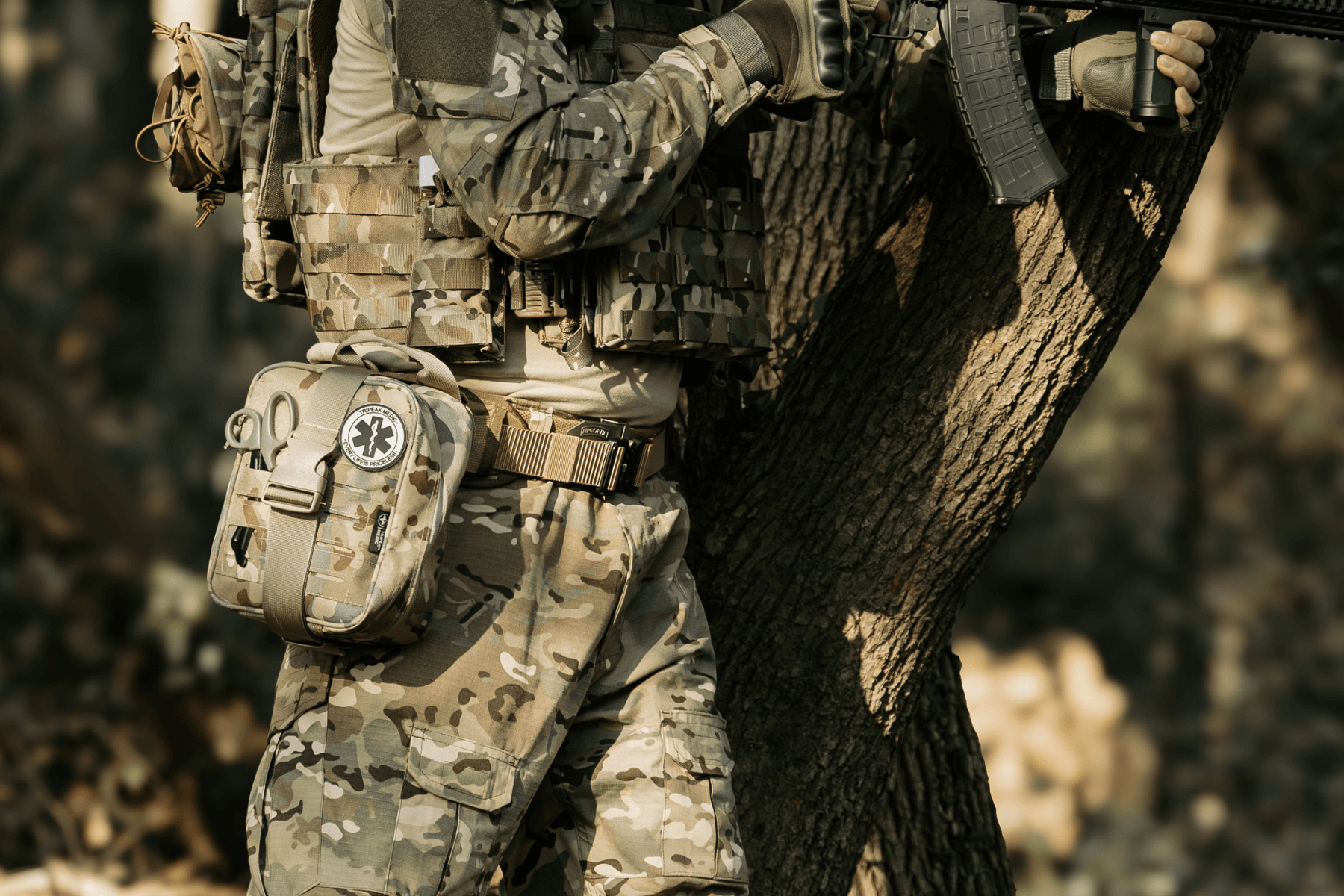

How Tactical Medical Kits Are Evolving in 2026: Innovations Every First Responder Should Know
The New Reality of Emergency Care in High-Risk Environments
Why Traditional First Aid Kits No Longer Meet Field Demands
In recent years, tactical medical kits have become indispensable for first responders facing high-risk environments. Traditional first aid kits, designed primarily for low-intensity injuries, often fail to provide the rapid intervention required in active combat zones, disaster sites, or severe accident scenarios. Common limitations include:
-
Limited hemorrhage control equipment, making it difficult to address life-threatening bleeding quickly.
-
Lack of modular organization, which slows down access to critical supplies under stress.
-
Fragile materials that may not withstand harsh environments like extreme heat, rain, or debris-laden areas.
Modern emergency situations demand tactical medical kits that are both durable and optimized for speed. Standard kits simply cannot meet the operational tempo and the complexity of injuries encountered today. By understanding these gaps, agencies and individuals can better prepare for real-world challenges.
How Response Time and Injury Patterns Are Redefining Medical Gear
Response time has become the most critical factor in life-saving interventions. The golden hour principle emphasizes that rapid access to medical tools significantly increases survival rates. Consequently, tactical medical kits are now designed to:
-
Reduce setup time with pre-organized compartments for hemorrhage control, airway management, and trauma stabilization.
-
Incorporate lightweight yet high-strength materials to enhance mobility without compromising durability.
-
Include specialized tools that match evolving injury patterns, such as blast injuries, high-velocity trauma, or complex lacerations.
Studies from recent urban and battlefield incidents reveal that injuries are no longer limited to simple cuts or sprains. Instead, responders encounter multiple trauma points requiring quick, precise intervention. By adapting tactical medical kits to these patterns, first responders can perform more effectively and reduce mortality rates.
Strong/bold placement example: tactical medical kits now integrate advanced hemorrhage control devices, reflecting the growing emphasis on rapid response and high-risk preparedness.
How Tactical Medical Kits Have Changed Over the Past Decade
From Basic First Aid to Trauma-Focused Intervention
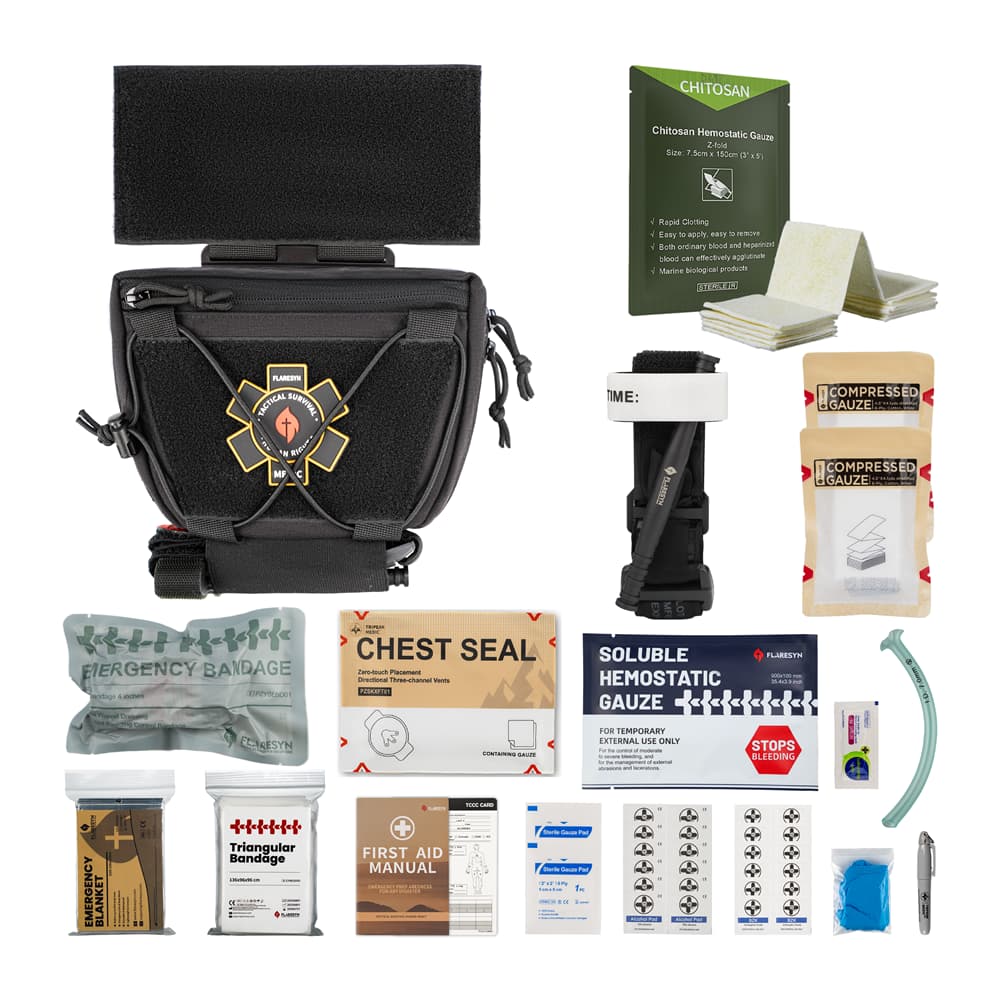
Over the last ten years, tactical medical kits have undergone a significant transformation, evolving from simple first aid bags into sophisticated trauma-focused systems. Traditional kits often contained only bandages, antiseptics, and basic splints, which were adequate for minor injuries but insufficient for high-risk operations. Modern kits now prioritize life-saving interventions, including:
-
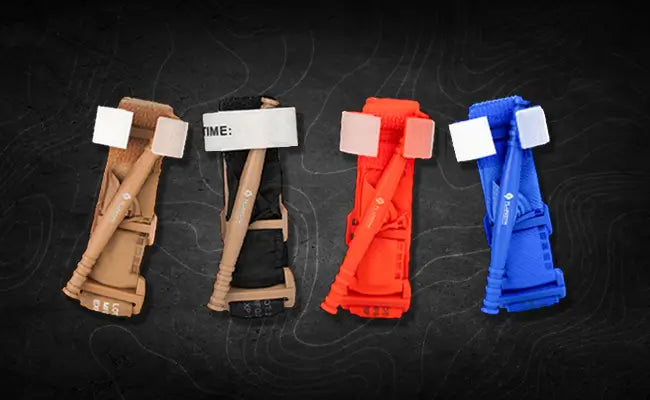
Hemorrhage control: Advanced tourniquets and hemostatic dressings for rapid bleeding management.
-
Airway management: Compact tools such as nasopharyngeal airways and pocket-sized suction devices.
-
Chest and trauma care: Chest seals, decompression needles, and trauma shears designed for field use.
This shift reflects a growing recognition that first responders encounter complex injuries requiring immediate, precise interventions. By integrating trauma-focused components, tactical medical kits enhance survival outcomes and allow responders to act decisively under pressure.
The Shift Toward Modular and Mission-Specific Loadouts
Another major change in the past decade is the move toward modular, mission-specific loadouts. Unlike one-size-fits-all kits, modern tactical medical kits can be customized for specific scenarios, ensuring that responders carry exactly what is needed for a particular environment. Key benefits include:
-
Adaptability: Modules can be added or removed based on mission type, such as urban rescue, wilderness operations, or tactical law enforcement.
-
Efficiency: Quick-access compartments allow responders to locate critical tools in seconds.
-
Portability: Lightweight construction and ergonomic designs make kits easier to carry during long operations.
By embracing modularity, agencies can standardize equipment while tailoring each kit to operational needs. This approach not only increases field efficiency but also reduces errors caused by cluttered or overpacked kits. The modern tactical medical kit is no longer just a bag of supplies—it’s a strategic extension of emergency response capability.
Key Innovations Shaping Tactical Medical Kits in 2026
Smarter Hemorrhage Control Systems
In 2026, tactical medical kits are increasingly equipped with smarter hemorrhage control systems designed to save lives faster than ever before. Traditional tourniquets and gauze are being replaced or supplemented by:
-
Automatic pressure tourniquets that adjust to the patient’s limb for optimal bleeding control.
-
Integrated hemostatic dressings with rapid clotting agents for severe trauma.
-
Digital indicators on some devices that signal correct application and pressure levels.
These innovations not only improve first responders’ efficiency but also reduce human error in high-stress situations. By incorporating smarter hemorrhage control solutions, tactical medical kits are becoming essential tools for anyone operating in high-risk environments.
Advanced Materials Improving Strength, Weight, and Reliability
Material science has played a crucial role in evolving tactical medical kits. Modern kits now utilize advanced polymers, aerospace-grade metals, and durable fabrics to achieve:
-
Lightweight portability without sacrificing durability.
-
Water- and weather-resistant construction to withstand extreme conditions.
-
Enhanced longevity through abrasion-resistant and reinforced stitching.
These materials allow responders to carry fully equipped kits over long distances while maintaining performance, ensuring that equipment functions reliably during critical operations.
Faster Deployment Design Under Extreme Stress
Speed is critical in emergency response, and 2026 tactical medical kits are designed for rapid deployment. Key innovations include:
-
Modular compartmentalization to access tools without fumbling.
-
Quick-release straps and magnetic closures for immediate opening.
-
Intuitive layout patterns based on ergonomic studies of first responders in real-life scenarios.
By focusing on fast deployment under pressure, modern tactical medical kits reduce response time and enhance the likelihood of successful intervention, demonstrating how innovation directly improves field performance.
Tactical Kits vs Conventional Emergency Kits: What’s the Real Difference Today
Capability Gaps in Critical Bleeding and Chest Injuries
While conventional first aid kits are sufficient for minor cuts and scrapes, they often fall short in handling critical bleeding and chest trauma. In contrast, tactical medical kits are specifically engineered to address these life-threatening injuries. Key differences include:
-
Advanced hemorrhage control tools: Tactical kits contain modern tourniquets and hemostatic agents designed for rapid application.
-
Chest injury management: Specialized chest seals and decompression needles are standard in tactical kits, rarely included in conventional kits.
-
Redundant life-saving supplies: Multiple layers of critical components ensure that even if one item fails, responders have backup options.
These capability gaps highlight why professionals rely on tactical kits for high-stress operations, ensuring optimal readiness for severe trauma cases.
Durability and Performance in Harsh Environments
Durability is another defining feature separating tactical medical kits from standard emergency kits. Tactical gear is tested for extreme conditions:
-
Weather-resistant fabrics that protect contents from rain, snow, or humidity.
-
Reinforced seams and high-strength zippers for extended field use.
-
Shock and abrasion tolerance to withstand rugged terrain and operational wear.
Conventional kits, by contrast, are often limited to indoor or low-risk environments. For responders in urban disaster zones, wilderness, or combat settings, tactical kits deliver performance that conventional alternatives simply cannot match.
Training Assumptions Behind Each Type of Kit
Another important distinction lies in training assumptions. Tactical medical kits are designed with the expectation that users will operate under high-stress conditions and have at least basic trauma training. This contrasts with conventional kits, which assume minimal medical knowledge. Features that support tactical training include:
-
Intuitive layout for fast access during emergencies.
-
Color-coded or labeled compartments to reduce cognitive load.
-
Scenario-specific components that align with field protocols and standard operating procedures.
By designing kits around professional training requirements, tactical medical kits ensure efficiency, reliability, and higher success rates in critical interventions.
How These Innovations Impact Real-World First Responders
What Law Enforcement and Tactical Medics Prioritize in 2026
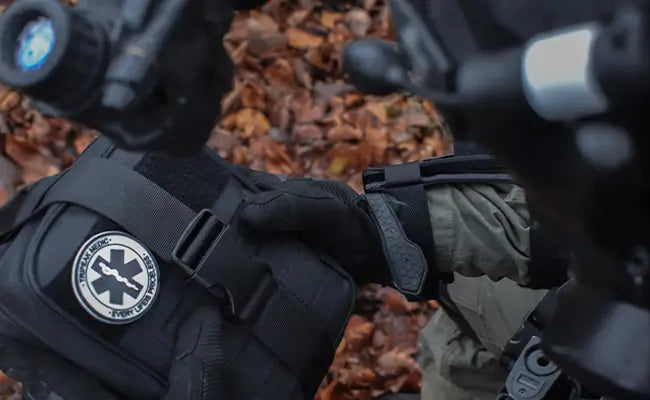
In 2026, tactical medical kits are designed with the priorities of law enforcement officers and tactical medics in mind. Rapid accessibility and functionality under stress have become non-negotiable, and modern kits now emphasize:
-
Speed of deployment: Quick-release compartments and modular layouts allow immediate access to critical tools.
-
Precision and reliability: Advanced tourniquets, hemostatic agents, and airway tools ensure interventions are effective on the first attempt.
-
Mobility and ergonomics: Lightweight designs and adjustable straps reduce fatigue during long operations.
By aligning kit design with field requirements, tactical medical kits directly enhance the efficiency and confidence of responders. Agencies increasingly train personnel with these kits to optimize performance and minimize errors in high-stakes situations.
Lessons Learned from Field Use and High-Pressure Scenarios
Experience from real-world operations has driven continuous improvements in tactical medical kits. Key lessons learned include:
-
Organization matters: Kits that are cluttered or poorly labeled slow response times, highlighting the need for structured layouts.
-
Durability is critical: Equipment that fails in harsh weather or rough terrain can cost lives, prompting a shift toward reinforced materials.
-
Scenario-specific tools save time: Kits tailored to specific missions—urban rescue, tactical law enforcement, or wilderness operations—allow responders to act decisively.
These insights demonstrate that innovation is only meaningful when applied in practice. Tactical medical kits that incorporate lessons from field use significantly improve first responder outcomes and readiness, bridging the gap between technology and life-saving application.
Choosing a Tactical Medical Kit That Matches Your Operational Needs
Matching Kit Design to Mission Type and Risk Level
Selecting the right tactical medical kit begins with understanding the mission type and associated risk factors. Not all kits are suitable for every environment, so responders must consider:
Urban operations: Kits focused on high-velocity trauma and crowd-related injuries.
Wilderness or remote areas: Lightweight, compact kits with extended-duration supplies.
Tactical law enforcement: Kits emphasizing hemorrhage control, airway management, and rapid deployment.
By aligning kit design with specific operational needs, responders ensure they carry the right tools without unnecessary weight, improving both mobility and readiness.
What to Evaluate Beyond the Component List
When choosing a tactical medical kit, it’s important to look beyond the list of included items. Considerations include:
-
Ease of access: Compartments should allow immediate retrieval under stress.
-
Durability and material quality: Kits must withstand weather, abrasion, and rough handling.
-
Ergonomics: Comfortable straps and balanced weight distribution reduce fatigue.
-
Modularity: Ability to swap modules for mission-specific adjustments.
Evaluating these factors ensures that responders can perform efficiently in real-world scenarios, not just on paper.
Common Mistakes When Upgrading to Modern Tactical Kits
Even experienced responders sometimes make errors when transitioning to modern tactical medical kits. Common pitfalls include:
-
Overloading the kit with unnecessary items, increasing weight and complexity.
-
Ignoring training requirements, assuming familiarity with traditional kits transfers automatically.
-
Selecting kits that are not mission-specific, leading to inadequate performance in critical situations.
Avoiding these mistakes maximizes the effectiveness of the kit and ensures that first responders can rely on it during high-pressure operations.
Looking Ahead: Where Tactical Medical Gear Is Headed Next
The Role of Data, Training, and Standardization
As technology advances, tactical medical kits are increasingly influenced by data-driven insights and standardized training protocols. Agencies and first responders are now using real-world injury and response data to inform kit design and content selection. Key trends include:
-
Evidence-based kit layouts: Organizing tools according to frequency of use and criticality.
-
Integrated training programs: Simulation exercises ensure responders are familiar with kit deployment under stress.
-
Standardization across agencies: Promotes interoperability and consistency during joint operations or disaster response.
By leveraging data and standardized practices, modern tactical medical kits become not just tools, but integral components of an overall emergency response system.
Tactical Medical Kits 2026
The landscape of emergency response is constantly changing, and continuous improvement in tactical medical kits 2026 is essential to keep pace. Lessons learned from field use, evolving injury patterns, and technological breakthroughs drive the following benefits:
Improved survival rates: Updated kits ensure responders have the most effective tools for modern trauma scenarios.
Enhanced operational efficiency: Modular and adaptable designs allow quick adjustment to new mission requirements.
Future-proofing investments: Continuous innovation prevents obsolescence and maximizes the value of each kit.
By focusing on continuous evolution, tactical medical kits remain a reliable lifeline for first responders, bridging the gap between cutting-edge technology and life-saving application.