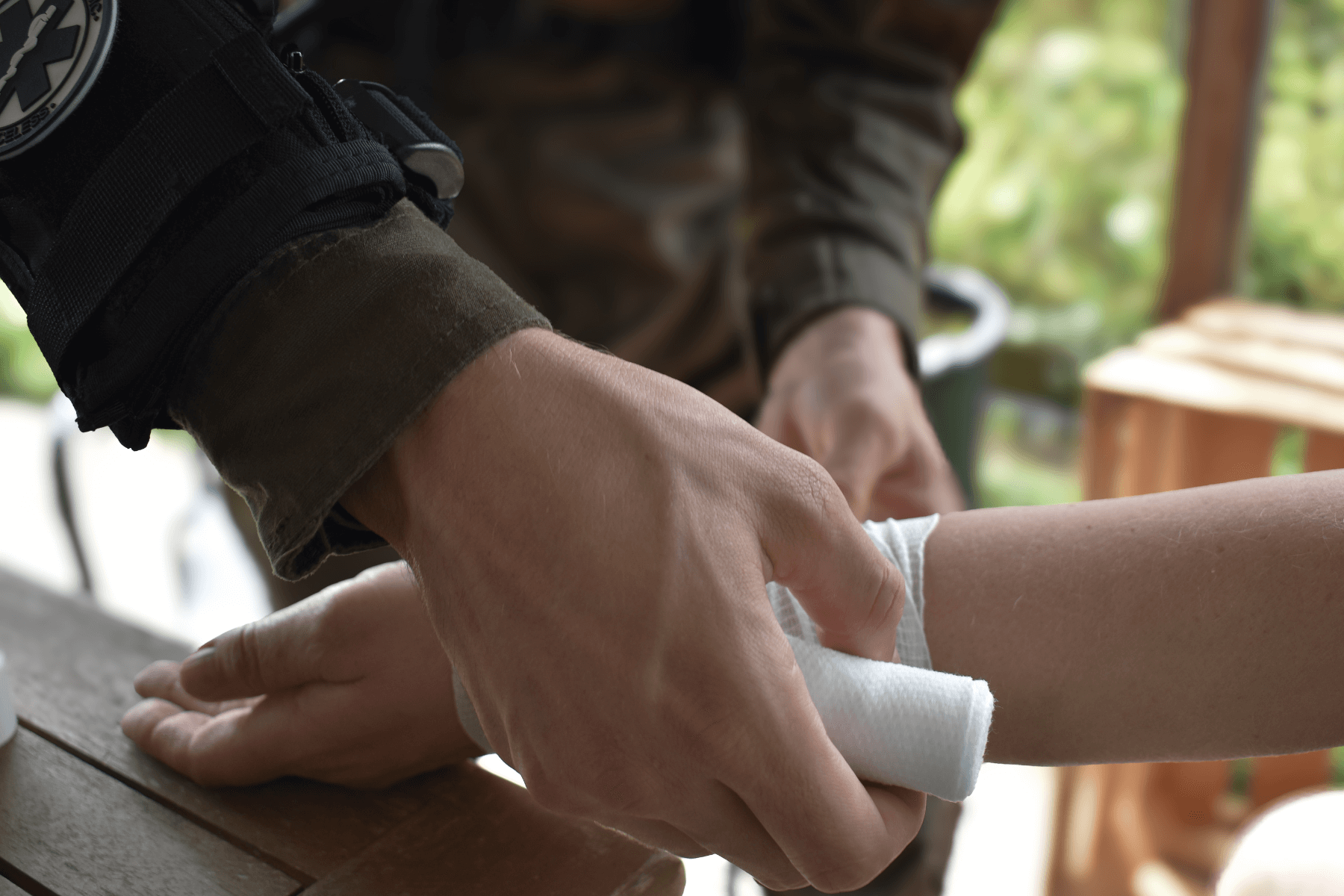
Erste-Hilfe-Set-Checkliste: Leitfaden für ein vollständiges Notfallset
Ein zuverlässiger Erste-Hilfe-Kasten kann bei einer unerwarteten Verletzung oder einem Notfall einen großen Unterschied machen. Viele Menschen kaufen einen Kasten und gehen davon aus, dass er alles enthält, was sie jemals brauchen könnten, nur um dann in einem kritischen Moment festzustellen, dass etwas Wichtiges fehlt. Dieser Leitfaden hilft Ihnen zu verstehen, was ein vollständiger Kasten enthalten sollte, warum bestimmte Gegenstände wichtig sind und wie Sie Materialien auswählen, die zu Ihrem Alltag passen. Ganz gleich, ob Sie sich auf zu Hause, das Auto, den Arbeitsplatz oder Outdoor-Aktivitäten vorbereiten: Diese Checkliste bietet Ihnen eine einfache Möglichkeit, einen Kasten zusammenzustellen, der in echten Situationen tatsächlich funktioniert. Ein gut organisierter Kasten spart Zeit, reduziert Verwirrung und gibt Ihnen Sicherheit in Notfällen.
Was ist ein Erste-Hilfe-Kasten: Und warum brauchen Sie einen?
Ein Erste-Hilfe-Kasten ist eine Sammlung medizinischer Materialien, mit denen Verletzungen behandelt werden, bevor professionelle Hilfe verfügbar ist. Er kann eine Vielzahl von Problemen versorgen, etwa Schnittwunden, Verbrennungen, Verstauchungen, allergische Reaktionen und einfache Wunden. Die meisten Menschen haben einen Kasten zu Hause, aber einer im Auto oder am Arbeitsplatz ist ebenfalls wichtig, weil Unfälle überall passieren können. Ein guter Kasten hilft Ihnen, schnell zu handeln, während Sie auf medizinische Hilfe warten, besonders an Orten, an denen Hilfe länger brauchen könnte. Der Zweck ist einfach: wichtige Werkzeuge und Materialien an einem Ort bereithalten, damit Sie schnell reagieren und die Schwere von Verletzungen verringern können.
Wie Sie Ihren Erste-Hilfe-Bedarf einschätzen (Risikobewertung)
Bevor Sie einen Kasten zusammenstellen, ist es hilfreich, über Ihre Umgebung und die Art der Verletzungen nachzudenken, die auftreten könnten. Eine Familie mit Kindern benötigt möglicherweise Materialien für Schürfwunden und Verbrennungen, während jemand, der oft wandert, stärkere Verbände, Blasenversorgung oder Werkzeuge für Outdoor-Verletzungen braucht. Arbeitsplätze können je nach Branchenvorschriften größere Kästen erfordern.
Fragen Sie sich, wo der Kasten aufbewahrt wird, wer ihn benutzen wird und welche Aktivitäten dort ausgeübt werden. Sobald Sie Ihre Risiken verstehen, können Sie die passenden Gegenstände hinzufügen. Dieser einfache Schritt verhindert, dass Sie unnötige Dinge kaufen, und stellt sicher, dass Sie die wirklich benötigten mit einbeziehen.
Was jeder grundlegende Erste-Hilfe-Kasten enthalten sollte (Kernausstattung)
Ein grundlegender Erste-Hilfe-Kasten enthält wichtige Materialien für häufige Verletzungen. Dazu gehören Pflaster in verschiedenen Größen, Mullkompressen, Klebeband und antiseptische Tücher zur Reinigung von Wunden. Sie sollten außerdem Einweghandschuhe hinzufügen, um alles hygienisch zu halten. Werkzeuge wie Pinzette, Schere und eine kleine Taschenlampe helfen Ihnen, sicher und präzise zu arbeiten.
Ein CPR-Gesichtsschutz kann bei Atemnotfällen zusätzlichen Schutz bieten. Viele vergessen, ein Erste-Hilfe-Handbuch oder eine Kurzanleitung beizulegen, dabei ist es in stressigen Momenten äußerst hilfreich. Ziel ist es, sicherzustellen, dass Sie alles haben, was nötig ist, um eine leichte Verletzung zu reinigen, zu schützen und zu versorgen, bis professionelle Hilfe verfügbar ist.
Detaillierte Erste-Hilfe-Checkliste
|
Kategorie |
Materialien & Beschreibung |
|
Wundversorgung |
Mullkompressen (verschiedene Größen): Zum Abdecken mittelgroßer oder großer Wunden und zum Stillen von Blutungen. Pflaster: Für kleine Schnitte, Schürfwunden und Blasen; verschiedene Formen und wasserfeste Varianten einschließen. Antiseptische Tücher: Reinigen die Haut vor dem Verbinden, um das Infektionsrisiko zu senken. Sterile Wundauflagen: Hilfreich bei tieferen Schnitten oder starker Blutung. Klebeband: Hält Verbände sicher an Ort und Stelle. |
|
Schutz |
Einweghandschuhe (Nitril bevorzugt): Schützen sowohl Helfende als auch Verletzte vor Verunreinigung. CPR-Gesichtsschutz oder Beatmungshilfe: Sorgt für sicherere Beatmungen bei der Wiederbelebung. Gesichtsmaske (optional): Nützlich in Situationen mit Staub, Krankheit oder Atemwegsproblemen. |
|
Werkzeuge |
Schere oder Traumaschere: Schneidet Verbände, Klebeband oder Kleidung sicher durch. Pinzette: Entfernt Splitter, Zecken oder kleine Fremdkörper aus der Haut. Medizinisches Klebeband: Fixiert Mull und Verbände ohne Verrutschen. Taschenlampe oder kleine LED-Leuchte: Hilft Ihnen, bei Nacht oder schlechten Lichtverhältnissen klar zu sehen. Sicherheitsnadeln: Befestigen bei Bedarf Armschlingen oder Verbände. |
|
Informationen |
Erste-Hilfe-Anleitungsheft: Gibt schnelle Orientierung, wenn Stress das Erinnern an einzelne Schritte erschwert. Liste mit Notfallkontakten: Enthält lokale Notrufnummern, Familienkontakte, Arztinformationen und Allergiehinweise. Medizinische Informationskarte: Führt Medikamente, Vorerkrankungen oder Allergien von Haushaltsmitgliedern auf. |
Zusätzliche oder optionale Artikel für einen vollständigeren Kasten
Sobald Sie die Grundausstattung haben, können Sie Artikel hinzufügen, die besseren Schutz bieten. Schmerzmittel, Allergietabletten, Cremes gegen Verbrennungen und antibiotische Salben sind in vielen Alltagssituationen nützlich. Viele Haushalte finden Kühlpacks bei Prellungen oder Zerrungen hilfreich. Für aktivere Lebensstile eignen sich Blasenpflaster, elastische Binden oder Fingerschienen.
Wenn Sie in einer Gegend mit häufigem Insektenkontakt leben, sind Tücher oder Cremes gegen Insektenstiche eine gute Ergänzung. Sie können auch Dinge für den Komfort hinzufügen, etwa Wattestäbchen, zusätzliche Handschuhe, Kochsalzlösung oder kleine Beutel für benutzte Materialien. Optionale Artikel erweitern Ihren Kasten und machen ihn praktischer für Ihr Leben.
Spezielle Erste-Hilfe-Kästen: Bedarf für Zuhause, Auto, Arbeitsplatz, Outdoor & Taktik
Verschiedene Umgebungen erfordern unterschiedliche Arten von Kästen. Ein Kasten für zu Hause konzentriert sich meist auf alltägliche Verletzungen wie Verbrennungen oder kleine Schnitte. Ein Autokasten enthält oft Gegenstände für unterwegs wie eine Taschenlampe, eine Rettungsdecke und mehr Verbände für den Fall eines Unfalls. Kästen für den Arbeitsplatz müssen lokale Sicherheitsvorschriften erfüllen und enthalten in der Regel mehr Materialien, weil mehrere Personen darauf angewiesen sein können.
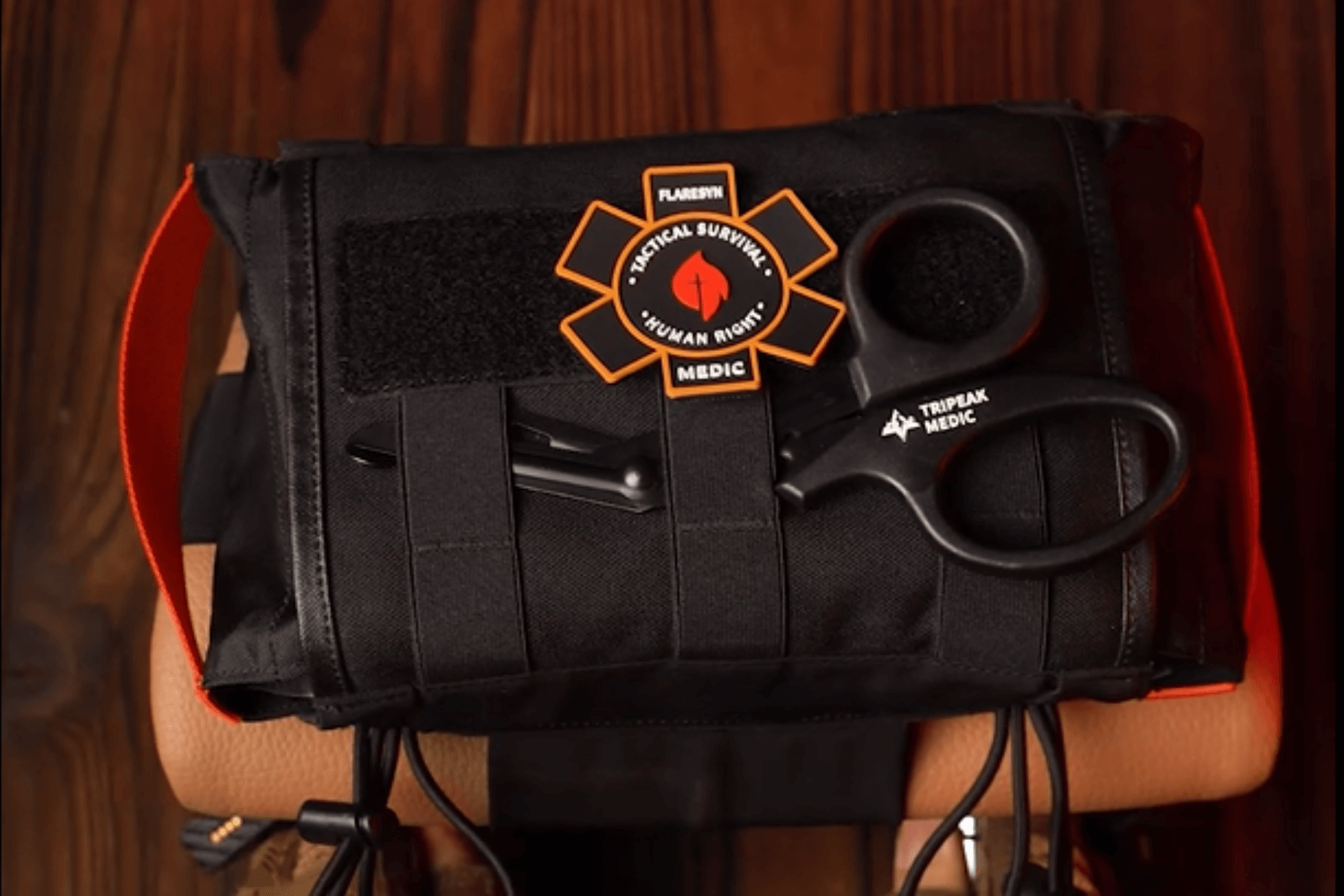
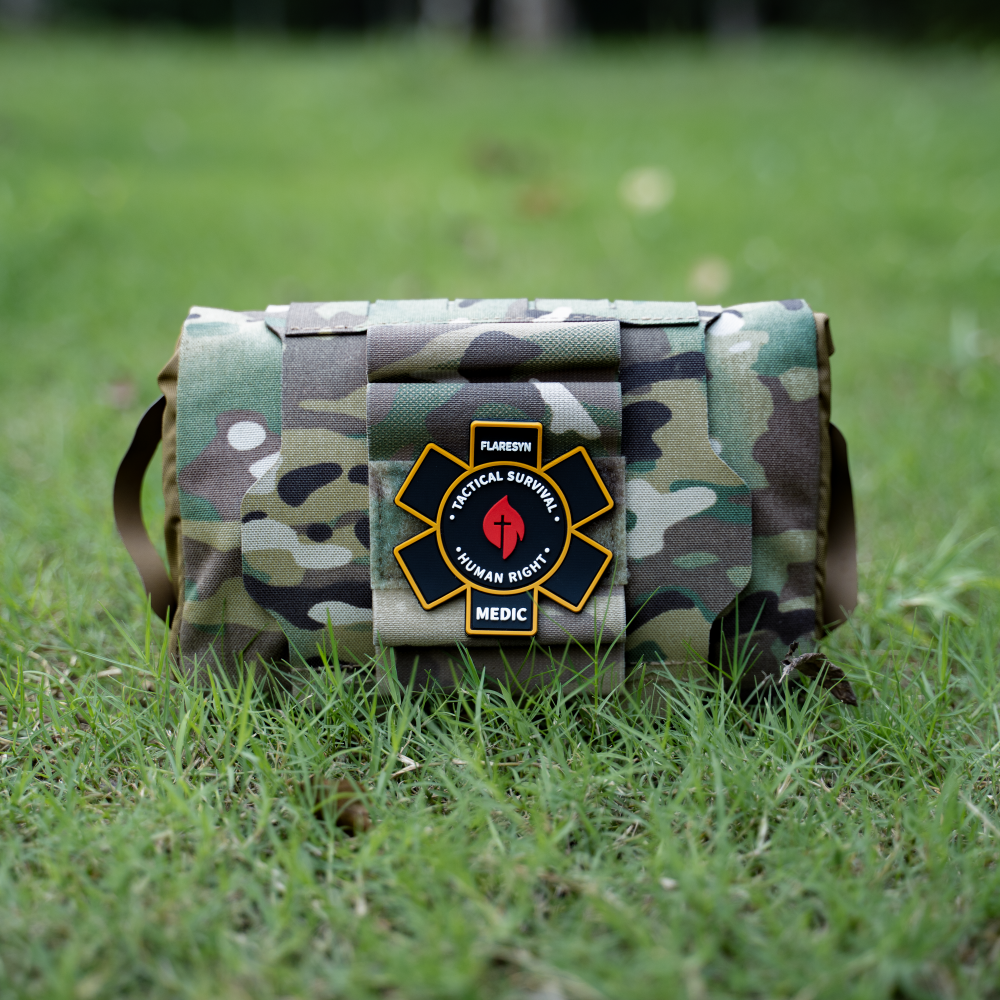
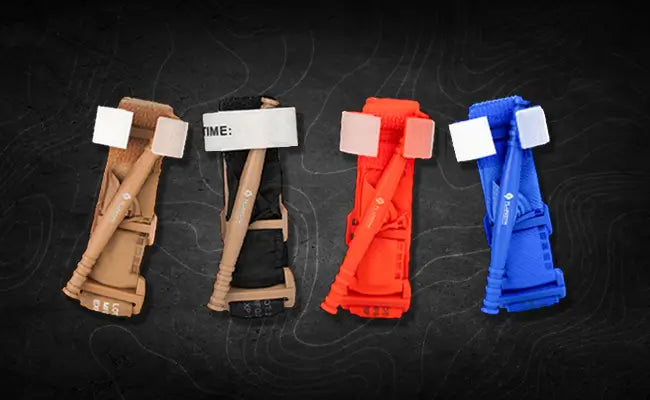
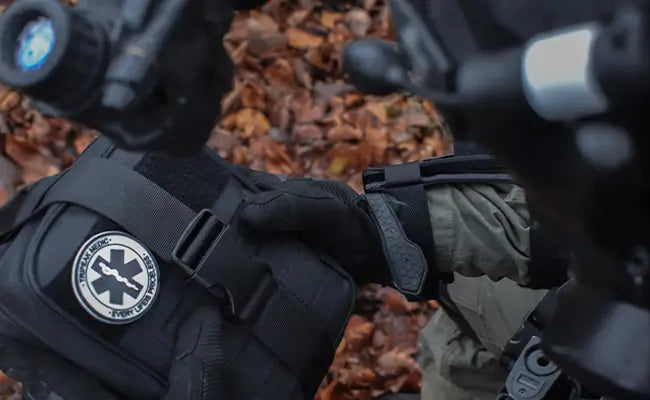
Outdoor-Kästen enthalten stärkere Verbände, Blasenversorgung und Werkzeuge für Splitter oder Insektenstiche. Taktische oder Trauma-Kästen enthalten Tourniquets, Druckverbände und Thoraxversiegelungen für starke Blutungen. Die richtige Variante hilft sicherzustellen, dass der Kasten zu Ihren tatsächlichen Bedürfnissen passt.
Wie Sie Ihren Erste-Hilfe-Kasten organisieren, pflegen und prüfen
Ein Erste-Hilfe-Kasten funktioniert nur dann gut, wenn die Inhalte sauber, leicht erreichbar und auf dem aktuellen Stand sind. Bewahren Sie alles in einem Etui auf, das die Materialien vor Schmutz und Feuchtigkeit schützt. Ordnen Sie die Materialien nach Zweck, Wundversorgung in einem Bereich, Werkzeuge in einem anderen.
Prüfen Sie den Kasten einmal im Monat auf abgelaufene Artikel oder beschädigte Verpackungen und ersetzen Sie fehlende Dinge. Stellen Sie sicher, dass alle in Ihrem Haushalt oder am Arbeitsplatz wissen, wo der Kasten aufbewahrt wird und wie die wichtigsten Inhalte verwendet werden. Eine gute Organisation spart in Notfällen Zeit und verhindert Verzögerungen, wenn jemand schnelle Hilfe braucht.
Wie Sie Ihren Erste-Hilfe-Kasten an Ihr Leben anpassen
Kein Lebensstil ist wie der andere, daher passt kein einzelner Kasten für alle. Wer Sport treibt, braucht vielleicht mehr Stützverbände, während eine Person mit Allergien Antihistaminika oder, falls verordnet, einen Adrenalin-Autoinjektor bereithalten sollte. Reisende möchten möglicherweise Mittel gegen Reisekrankheit, Rehydratationssalze oder Artikel für Klimawechsel dabeihaben.
Familien mit Säuglingen können babygeeignete Medikamente oder kleinere Pflaster hinzufügen. Dieser Abschnitt der Checkliste hilft Ihnen, Ihren Kasten an Ihre reale Umgebung anzupassen. Wenn Sie Ihren Kasten individuell zusammenstellen, haben Sie die Sicherheit, dass die Inhalte tatsächlich hilfreich für Ihren Alltag, Ihre Aktivitäten und Ihre Gesundheitsbedürfnisse sind.
Profi-Tipps: Häufig vergessene Dinge im Erste-Hilfe-Kasten
Viele vergessen, einfache Dinge beizulegen, die in Notfällen extrem hilfreich werden. Zum Beispiel werden zusätzliche Handschuhe, wasserfeste Pflaster oder kleine Beutel für medizinischen Abfall oft übersehen. Ein Permanentmarker ist nützlich, um Zeiten auf Verbänden zu notieren oder in ernsten Fällen festzuhalten, wann ein Tourniquet angelegt wurde.
Manche vergessen auch, Ersatzbatterien für eine Taschenlampe oder eine kleine Flasche Handdesinfektionsmittel hinzuzufügen. Ein weiterer nützlicher Artikel ist eine einfache medizinische Informationskarte mit Allergien, wichtigen Nummern und chronischen Erkrankungen. Diese kleinen Ergänzungen erhöhen den Nutzen Ihres Kastens und machen die Notfallversorgung einfacher und schneller.
Abschließende Gedanken zum Zusammenstellen eines zuverlässigen Erste-Hilfe-Kastens
Einen vollständigen Erste-Hilfe-Kasten zusammenzustellen muss nicht kompliziert sein. Wenn Sie Ihre Risiken verstehen, die Grundausstattung zusammentragen und optionale Artikel hinzufügen, die zu Ihrem Lebensstil passen, können Sie einen zuverlässigen Kasten erstellen, der Ihnen hilft, auf plötzliche Verletzungen sicher zu reagieren. Ein gut organisierter Kasten spart Zeit, reduziert Stress und hält Sie zu Hause, unterwegs oder draußen vorbereitet. Der beste Kasten ist der, den Sie regelmäßig pflegen und dessen Verwendung Sie kennen. Mit der obigen Checkliste haben Sie nun eine klare Anleitung, um einen praktischen und zuverlässigen Erste-Hilfe-Kasten für alltägliche Notfälle zusammenzustellen.