
Hiking Fall Trauma Case: A Real Trail Injury Self-Rescue Story
Event Background: Route, Weather, and Party
It was a clear October morning when a group of three set out on a section of the Blue Ridge Trail. The route was a well-known day hike of roughly 9 miles with moderate elevation gain — nothing extreme, but rocky and root-covered in the lower sections. Two of the hikers were experienced; the third was a friend who had recently started exploring the outdoors and was still building confidence on uneven terrain.
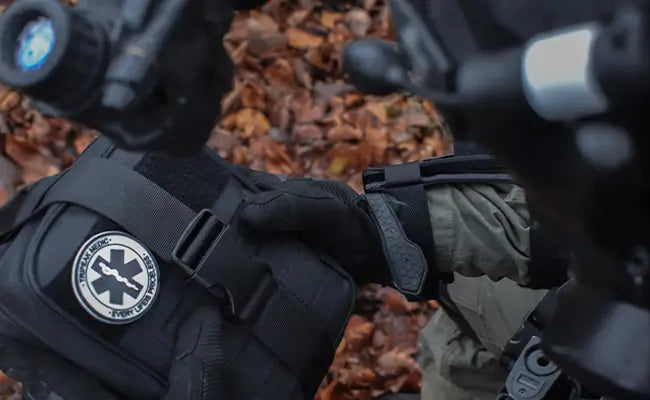
The weather was dry, with temperatures in the mid-50s Fahrenheit. No rain was forecast, and the group carried ample water, snacks, and a basic first aid kit. One experienced hiker — let us call him Mark — also carried a compact EDC trauma kit on his hip belt. He had purchased it months earlier after a near-miss on a different trail and had since developed the habit of clipping it on for every hike without exception.
None of them expected to use it. That is the nature of hiking fall trauma. The injury does not announce itself in advance. You plan for weather, for water, for distance — and then a single step on a wet root changes everything. The group started at 8 AM and was making good progress along the ridge. By 10:30 they had reached a rocky descent where the trail narrowed between tree roots and loose stone. The third hiker stepped on an exposed root, lost his footing, and fell sideways onto a sharp rock edge.


The Fall: Immediate Injury Assessment
- The sound of the impact was immediate and final. The hiker cried out, then clutched his right thigh. When Mark reached him, blood was soaking through the hiking pants at an alarming rate. This is the moment where preparation meets reality. The scope of a hiking fall traumaevent can range from a minor abrasion to a life-threatening laceration. The first task was to determine severity before committing to a course of action.
Assessment Steps
- 1. Scene safety. The trail was stable; no rockfall risk. Mark positioned the hiker off the narrowest section before examining the wound, ensuring that a secondary fall would not compound the injury.
- 2. Expose the wound. Cutting the pant leg open with trauma shears revealed a deep laceration, approximately 4 inches long, on the lateral thigh. The wound was actively bleeding — not the dramatic spurting of a fully severed artery, but a steady, dark red flow suggesting a significant vessel was involved.
- 3. Decision point. The bleeding was heavy enough that direct pressure alone was not reliably controlling it within the first 30 seconds. The decision was made: tourniquet first, then reassess.


Field Response: Using an EDC Trauma Kit
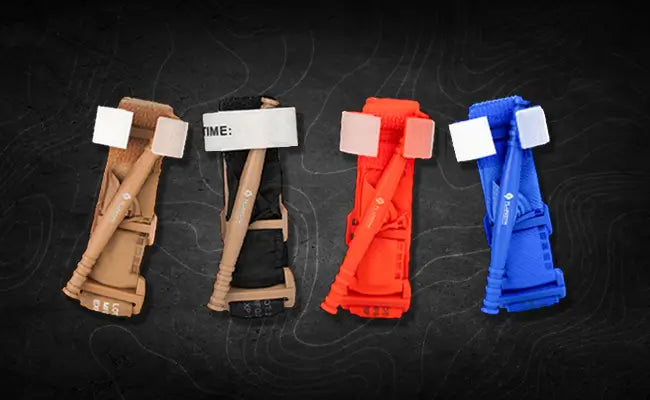
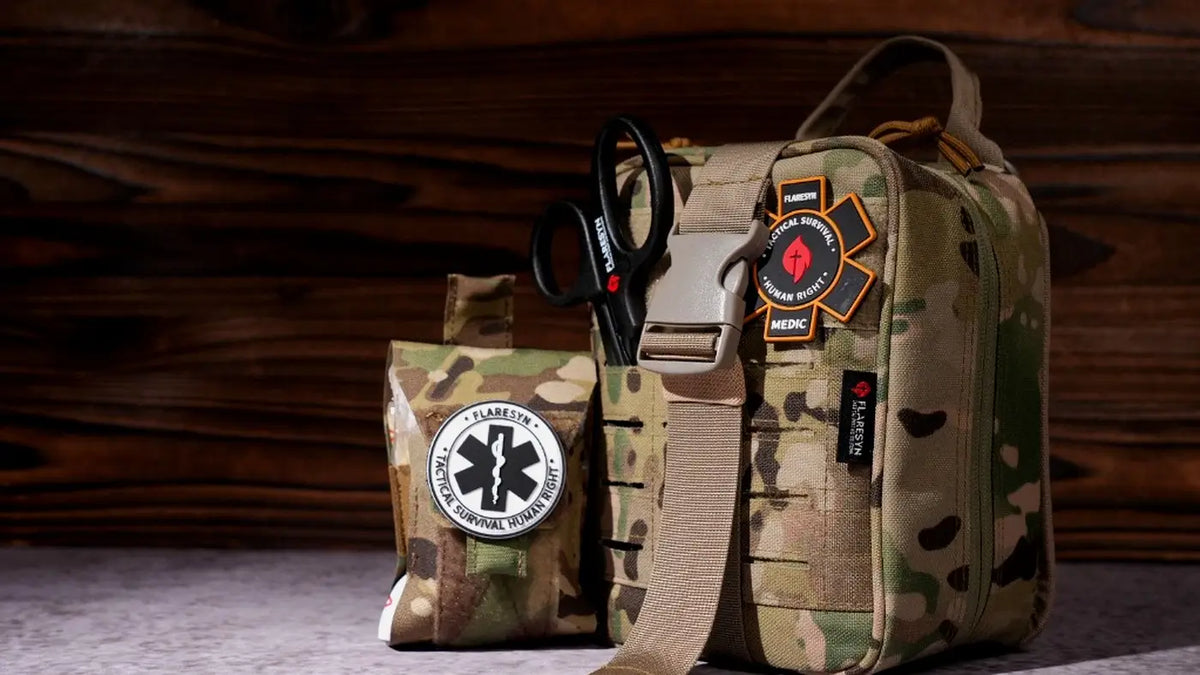
Mark unclipped his FlareSyn Compact Tactical Trauma IFAK and opened it. The tourniquet was in an outer sleeve designed for one-handed access. Speed at this stage is what determines whether a hiking fall trauma story ends in recovery or in tragedy.
Field Sequence
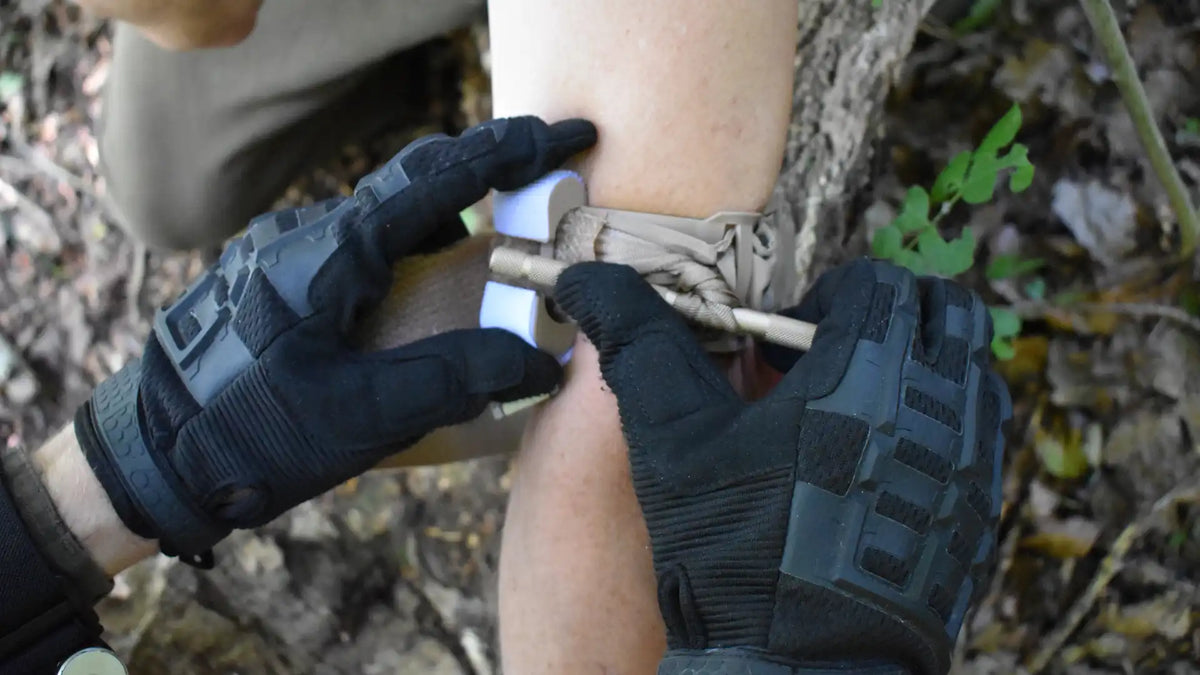
- 1. Apply the tourniquet high on the thigh, 2–3 inches above the wound. Mark pulled the strap tight, twisted the windlass until the bleeding stopped, and locked it in the clip.
- 2. Apply direct pressure with hemostatic gauze over the wound. The tourniquet controlled the major flow, but the wound still needed packing to manage deeper tissue bleeding.
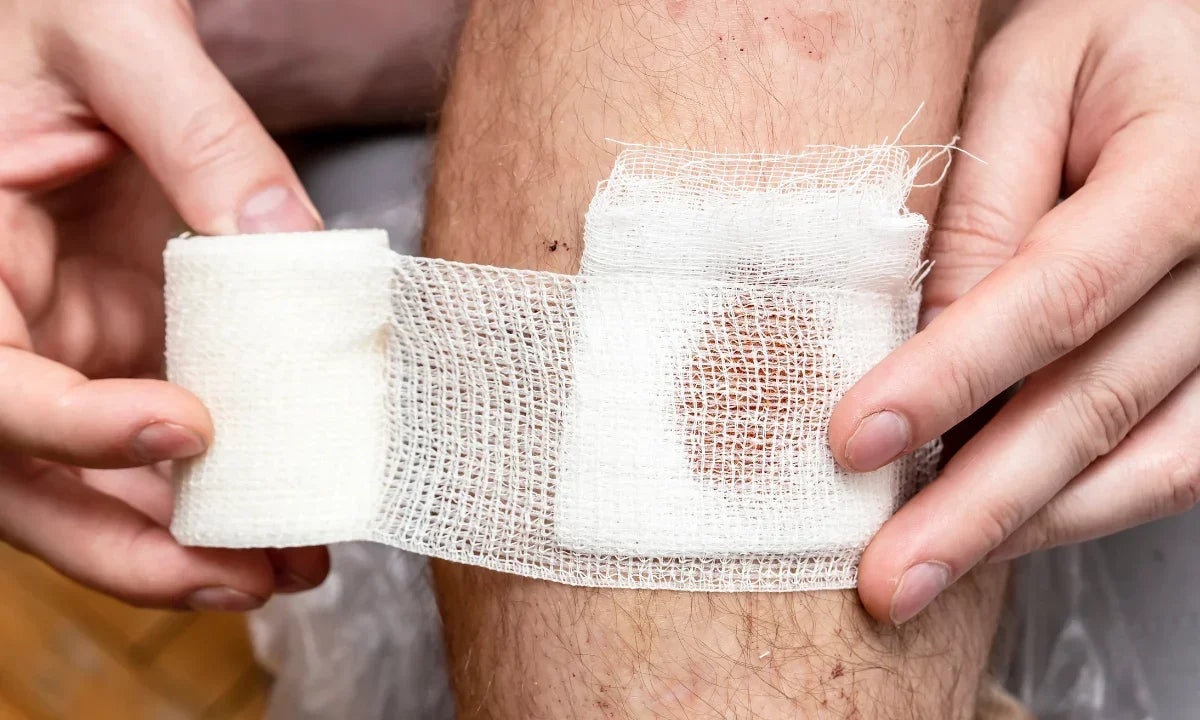
- 3. Dress the wound with a pressure dressing over the packed gauze to maintain compression during movement and transport.
- 4. Mark the time. Mark wrote "10:42" on the tourniquet strap. This single action is one of the most overlooked parts of hiking fall trauma response — without a time mark, the hospital cannot make informed decisions about limb salvage and ischemia management.
- 5. Communicate. One hiker was sent to a ridgeline to check for cell signal while the other stayed with Mark and the injured man.
The response took under three minutes from fall to tourniquet application. That speed was possible only because the kit was organized, accessible, and familiar. A kit that is buried at the bottom of a pack, or whose contents are unknown to the carrier, would have added critical minutes to the response time.
Hiking Fall Trauma: Waiting for Rescue
Once the tourniquet was on and the wound was dressed, the priority shifted from action to management. A hiking fall trauma event does not end when bleeding stops — it ends when the patient reaches definitive care. The waiting period is where many responses falter because the responder assumes the hard part is over.
Keep the Injured Person Warm
Hypothermia is a leading secondary complication after trail injuries. An injured body on the ground loses heat fast, even in mild weather. Mark used the emergency blanket from his kit to insulate the hiker from the rocky ground and cover his torso. This is a step many people skip because it feels secondary — until the patient starts shivering uncontrollably. Heat loss accelerates when the body is injured, and cold rock pulls warmth away faster than most people expect.
Position and Reassurance
Keep the injured person lying down unless breathing requires otherwise. Reassure them constantly. The psychological impact of hiking fall trauma can amplify physiological stress. A calm, communicative responder helps regulate heart rate and reduce panic. Speaking slowly, explaining each step, and maintaining eye contact are simple measures that meaningfully reduce the patient's stress hormone load during the wait.
Seek Signal
Cell signal in canyons and forested ridges is unreliable. If a group member can reach a point with the faintest signal, an emergency text or dropped pin may go through even when a call cannot. If no signal is available, a physical walk-out to the nearest trailhead is the next step. In this case, the outgoing hiker found one bar of LTE on a ridgeline half a mile up. A 911 text went through with GPS coordinates. An estimated response time of 90 minutes was relayed.
Rescue Arrival and Aftermath
Search and rescue arrived via stretcher team approximately 95 minutes after the call. The tourniquet was still in place. The wound dressing was intact. The patient was conscious, alert, and stable. The rescue team noted that the field care was well-organized and that the tourniquet time marking made their handoff to the hospital significantly more efficient.
At the hospital, the application time was used to plan surgery. The vessel was repaired, the wound was cleaned and closed, and the hiker recovered fully. The emergency physician later commented that the tourniquet was "the reason this story did not go a different direction." The experience confirmed something easy to say and hard to believe until it happens: a small kit carried consistently can change the outcome of a serious injury in ways that no amount of planning after the fact can replicate.
Debrief: The 3 Most Critical Pieces of Gear
Not every item in the kit was used, but three were decisive in managing this event. Each one addressed a different layer of the injury — bleeding control, wound management, and thermal protection.
1. Windlass Tourniquet
Without it, the bleeding might not have been controlled fast enough. A FlareSyn Tactical Windlass Tourniquet was applied in under 60 seconds. The wide strap distributed pressure well enough to occlude the vessel, and the windlass lock held without slipping during the 90-minute wait.
2. Hemostatic Gauze
The tourniquet stopped the major flow, but the wound still needed packing. Hemostatic gauze accelerated clotting in the deeper tissue, and the pressure dressing held everything in place. The injury required both layers working together — one for the vessel, one for the wound bed.
3. Emergency Blanket
Not glamorous, but critical. The patient was on cold rock for over an hour. The blanket prevented hypothermia, which would have complicated every other treatment decision and potentially worsened the outcome.
3 Lessons for Fellow Hikers
This case produced three clear takeaways for anyone who spends time on trails. Each lesson is grounded in the specific decisions made during this event.
Lesson 1: Carry a real tourniquet, not a first aid afterthought. A few bandages and antiseptic wipes would not have changed this outcome. A FlareSyn Outdoor kit is a far better choice for trail preparedness than a drugstore pouch.
Lesson 2: Know where your signal is. The 30 minutes spent finding cell coverage could have been planned in advance. Identify signal zones along your route before you need them.
Lesson 3: Practice matters more than purchase. Mark had practiced deploying his tourniquet. That is why the response was under three minutes. A kit you never practice with is just extra weight on the trail.
The psychological aftermath of an event like this is often underestimated. In the days and weeks following the injury, the hiker who fell reported recurring thoughts about what could have gone differently. This is a normal response to a traumatic event and is increasingly recognized in wilderness medicine literature. Groups that plan for physical injuries should also be aware that psychological first aid — listening, validating, and encouraging professional follow-up — is part of a complete response. The presence of a calm, prepared companion in the first minutes after injury significantly reduces the severity of acute stress reactions.
One aspect of this case that deserves emphasis is the role of group dynamics in the response. Three people were on the trail, and each had a specific job: Mark managed the medical response, the second hiker sought cell signal, and the injured hiker focused on staying calm and following instructions. This division of labor happened spontaneously because the group had discussed emergency roles before the trip, even though they never expected to use the plan. That brief pre-trip conversation — fewer than five minutes — translated directly into an efficient field response when the moment arrived.
Another commonly overlooked factor is the importance of documenting the event while details are fresh. After rescue, Mark wrote down a brief timeline: time of fall, time of tourniquet application, time of 911 contact, and time of rescue arrival. This record was valuable not only for the hospital team but also for the group's own after-action review. Without written notes, memories blur and important lessons are lost. A small notebook or notes app on a phone is a simple addition to any trail kit that pays dividends if an incident occurs.
Conclusion
Trail injuries are the kind of event that happens to other people — until it happens to you. A rocky descent, a wet root, a moment of lost balance: these are ordinary trail realities, not extreme scenarios. What made this case end well was not luck. It was a small, well-organized kit carried by someone who had practiced with it and who knew exactly where every item was located.
If you hike, cycle, hunt, or work outdoors, carry a trauma kit that can stop severe bleeding. Know how to use it. Keep it accessible. The moment a trail injury happens is not the time to learn what is inside your pack — or to realize there is nothing inside at all. Preparation is cheap. Regret is not.
Q: What should I do if I do not have a trauma kit on a trail?
A: Apply direct pressure with the cleanest material available. If bleeding is severe and uncontrolled, get to a signal point and call emergency services immediately. Improvise only as a last resort using the widest material and a rigid windlass.
Q: How should a solo hiker prepare for a potential hiking fall trauma event?
A: Carry a tourniquet in a rapid-access sleeve designed for one-handed use. Share your route and check-in time with someone who will notice if you do not return. Practice self-application before the trip.
Q: Can a normal first aid kit handle a hiking fall trauma?
A: Most consumer kits are designed for minor cuts. They do not contain windlass tourniquets or hemostatic gauze. A purpose-built trauma kit is strongly recommended for trail readiness.


Elias.H.Hwang
Elias H. Hwang is a tactical medicine expert and lead contributor at FlareSyn. He specializes in emergency trauma protocols and preparedness education, helping civilians and professionals alike master the tools and skills needed to save lives in critical moments.

Deixar comentário
Este site é protegido por hCaptcha e a Política de privacidade e os Termos de serviço do hCaptcha se aplicam.