
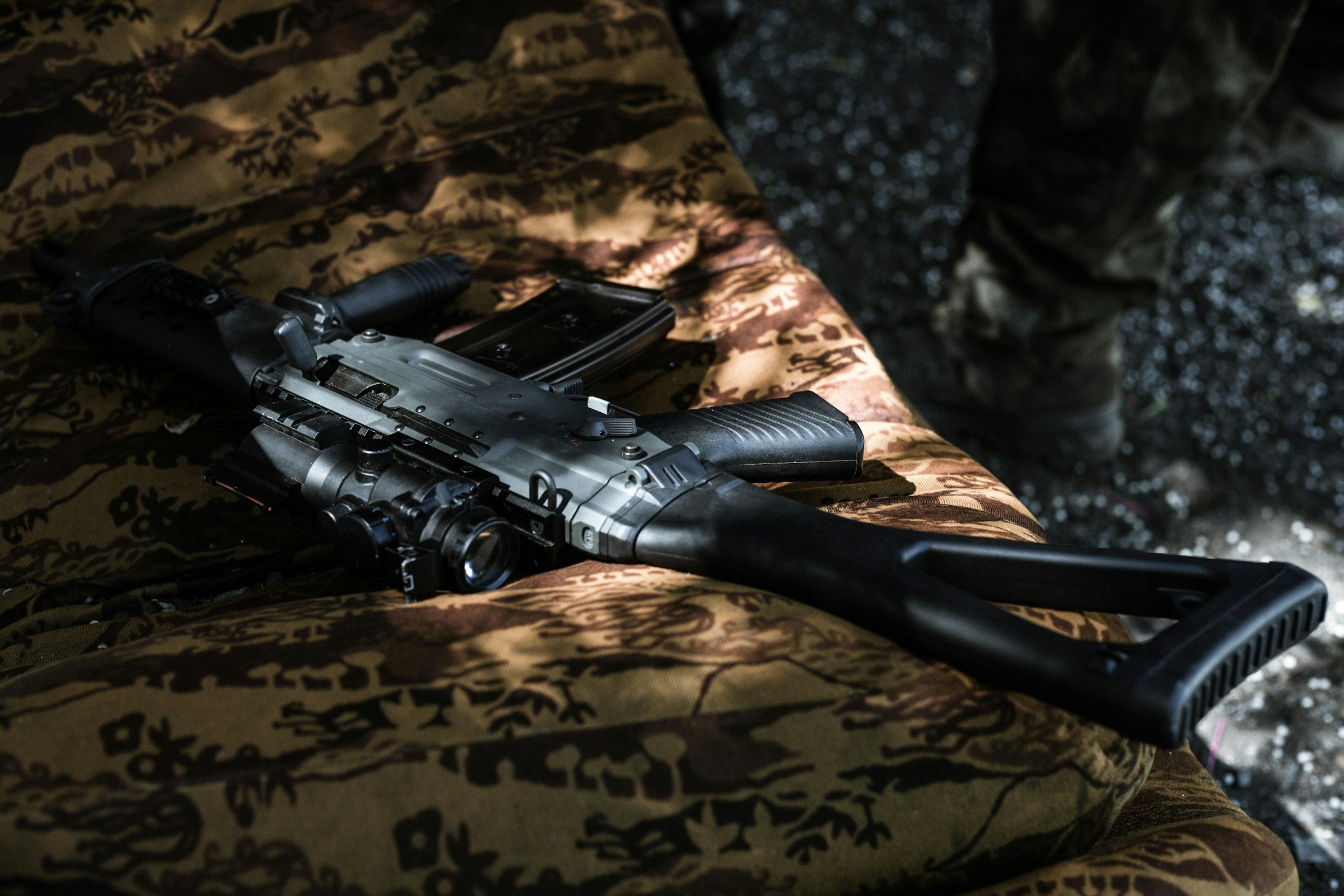
La règle des 60 secondes : pourquoi votre équipement traumato pourrait échouer lors d’un test de stress en conditions réelles
Êtes-vous vraiment prêt ? Décryptage du test de stress de 60 secondes
Il y a un confort séduisant dans le « clic » d’une boucle haut de gamme ou le poids tactile d’une pochette de trauma en tissu à haute densité. Dans la communauté de la préparation, nous tombons souvent dans le piège de la « sécurité logistique » — la croyance inconsciente que l’acte d’acheter un kit médical de classe mondiale transfère d’une manière ou d’une autre les compétences d’un infirmier de combat dans notre ADN. Nous composons notre Everyday Carry (EDC) avec la précision d’un architecte, en veillant à ce que chaque compresse hémostatique et chaque tourniquet soit à sa place, mais nous reconnaissons rarement la réalité brutale : l’équipement n’est qu’un multiplicateur de force. Si la force — votre capacité à agir sous pression — est nulle, le résultat reste nul. En 2026, alors que les environnements à haut risque deviennent plus imprévisibles, l’écart entre « posséder du nylon » et « sauver une vie » est l’endroit où se produisent les échecs les plus tragiques.
Cela nous amène à la Règle des 60 secondes. En cas d’hémorragie artérielle catastrophique, comme une lacération de l’artère fémorale lors d’un accident de voiture ou d’un grave incident industriel, le corps humain peut perdre suffisamment de sang pour atteindre le point de non-retour en environ une minute. Ce n’est pas une fenêtre confortable. C’est une course affolée, de soixante secondes, contre la biologie. Pendant cette minute, vous devez reconnaître la blessure, accéder à votre kit, déployer votre garrot et obtenir une occlusion mécanique. Si votre matériel est enfoui au fond d’un sac à dos ou si vous vous battez avec une fermeture éclair que vous n’avez pas touchée depuis six mois, vous ne perdez pas seulement du temps — vous perdez le combat.
La thèse de ce guide est un électrochoc pour les intervenants modernes : sous un stress physiologique élevé, votre matériel ne vaut que ce que vaut votre mémoire musculaire. Lorsque votre fréquence cardiaque atteint 140 battements par minute et que vos mains commencent à trembler, vos connaissances « intellectuelles » des premiers secours s’évaporent. Il ne reste que ce que vous avez pratiqué jusqu’à ce que cela devienne involontaire. Si vous n’avez pas testé votre installation sous pression, vous n’avez pas un système de sauvetage ; vous avez une collection de souvenirs coûteux. La vraie préparation, c’est le mariage d’un matériel FlareSyn de haut niveau et d’un logiciel sans relâche, induit par le stress : votre entraînement.


Les neurosciences de la panique : comment la motricité fine s’évapore en 2026
Pour comprendre pourquoi votre matériel peut échouer, vous devez d’abord comprendre la machine biologique qui le manie : le cerveau humain. En 2026, malgré nos avancées technologiques et notre connectivité numérique, notre réponse neurologique au traumatisme reste primitive. Lorsque le cerveau perçoit un événement mortel — qu’il s’agisse d’une collision à grande vitesse sur une autoroute mouillée ou d’un accident industriel violent — l’amygdale déclenche une « prise de contrôle » du cortex préfrontal. En un instant, vous cessez d’être un professionnel rationnel, équipé pour intervenir, et devenez une créature guidée par un pur instinct de survie. Ce basculement a des conséquences profondes, souvent ignorées, sur la manière dont vous interagissez avec votre matériel médical.
Exclusion auditive et vision en tunnel
À mesure que votre système nerveux sympathique inonde votre sang d’adrénaline et de cortisol, votre cerveau entame un processus de priorisation radicale. Pour se concentrer entièrement sur la menace, il coupe les entrées sensorielles « non essentielles ». Exclusion auditive se produit : le bruit des sirènes, les cris des témoins ou même votre propre respiration deviennent étouffés, voire totalement silencieux. En parallèle, votre vision périphérique se rétrécit — un phénomène connu sous le nom de vision en tunnel. Votre attention se resserre sur un minuscule « cône » de clarté, généralement centré sur la plaie ou la source du danger. Si cela vous aide à vous concentrer, cela signifie aussi que vous pouvez physiquement perdre de vue votre pochette FlareSyn si elle n’est pas placée à un endroit constant et intuitif. Si vous devez « chercher » votre matériel, vous avez déjà perdu la bataille contre votre propre biologie.
La perte de dextérité : le piège du Ziploc
Le changement neurologique le plus dévastateur pour le secouriste est la perte de la motricité fine. Lorsque le sang est détourné de vos extrémités pour protéger vos organes vitaux, vos doigts perdent leur sensibilité tactile et leur précision. C’est pourquoi ouvrir un simple emballage en plastique ou tirer une petite fermeture éclair encastrée devient presque impossible. Dans un laboratoire ou à votre table de cuisine, vous pouvez facilement manipuler un petit tourniquet à tige ; avec une fréquence cardiaque de plus de 140 BPM, vos mains deviennent des « moufles ». Vous n’avez plus de doigts ; vous avez des massues. C’est précisément pourquoi les conceptions FlareSyn mettent l’accent sur des tirettes surdimensionnées, des textures à fort frottement et des systèmes de déploiement basés sur la motricité globale. Si votre matériel demande une précision chirurgicale pour être ouvert, il restera fermé quand vous en aurez le plus besoin.
Charge cognitive : la mort de la logique
Enfin, il faut aborder la charge cognitive. Dans un scénario traumatique, votre capacité à effectuer des calculs complexes ou à « comprendre » un nouvel équipement tombe à zéro. Vous ne pouvez pas lire des instructions sur un emballage pendant qu’une personne se vide de son sang. Vous ne pouvez pas vous rappeler dans quel sens la sangle passe dans une boucle si vous ne l’avez pas fait cent fois auparavant. Votre cerveau est occupé par le choc brut de l’événement, sans aucune bande passante pour résoudre un problème. C’est pourquoi « la simplicité est le summum du raffinement » dans la conception du matériel. Votre équipement doit être si intuitif qu’une version terrifiée et épuisée de vous-même puisse l’utiliser par simple instinct.
5 changements biologiques lors d’un événement traumatique « vie ou mort »
Comprendre ces changements est la première étape pour construire un programme d’entraînement qui fonctionne réellement :
Tachycardie (augmentation rapide de la fréquence cardiaque) : Votre fréquence cardiaque grimpe instantanément, dépassant souvent 150 BPM, ce qui déclenche la transition du contrôle fin des mouvements vers des mouvements globaux.
Détresse respiratoire : Une respiration superficielle et rapide réduit le flux d’oxygène vers le cerveau, ce qui altère encore votre capacité à prendre des décisions calmes et logiques.
Vasoconstriction : Les vaisseaux sanguins de la peau et des mains se resserrent, entraînant des doigts froids et engourdis qui manquent de force pour saisir de petits objets ou des surfaces glissantes.
Dilatation du temps : Votre perception du temps se déforme ; les secondes peuvent sembler des minutes, ou au contraire la totalité de la « minute d’or » peut s’écouler avant même que vous ayez ouvert votre kit.
Échec de l’intégration mnésique : En raison de la montée des hormones du stress, vous pouvez expérimenter des « boucles » — répéter la même action inefficace (comme tirer sur une fermeture éclair coincée) sans réaliser que vous le faites.
Le défi « à une main » : défaillance mécanique et erreur humaine
Si vous déployez un kit de trauma, il est presque certain que l’environnement n’est plus « contrôlé ». Dans les scénarios les plus graves — une chute sévère, un enchevêtrement dans un véhicule ou une confrontation violente — vous n’aurez peut-être pas le luxe d’utiliser vos deux mains. C’est le test ultime pour toute configuration d’urgence : pouvez-vous sauver votre propre vie avec 50 % de vos capacités physiques en moins ? L’excellence mécanique du matériel est sans importance si l’interface humaine échoue par manque de préparation réaliste « à une main ».Test de stress du kit de trauma.
Incapacité simulée : la réalité du bras unique
En 2026, la référence en matière de préparation personnelle, c’est l’entraînement sous « incapacité simulée ». Il faut partir du principe que si vous êtes suffisamment blessé pour avoir besoin d’un garrot, le membre concerné est probablement hors combat. Cela signifie que votre main non dominante doit être aussi compétente que la dominante pour déployer un kit FlareSyn. La plupart des gens découvrent, bien trop tard, que leur dextérité avec leur « main faible » est insuffisante pour gérer les exigences sous tension d’un dispositif qui sauve des vies. En vous forçant à vous entraîner avec un bras rentré dans la ceinture ou maintenu derrière le dos, vous mettez au jour les « points de friction » de votre matériel — les fermetures éclair trop rigides, les pochettes trop profondes et le Velcro trop difficile à décoller avec une seule main tremblante.
Pièges du garrot : la marge d’erreur
L’auto-application d’un garrot est sans doute la compétence la plus mal exécutée dans les soins de traumatologie modernes. Les trois pièges les plus courants sont le jeu, le positionnement et le couple. Premièrement, les utilisateurs ne parviennent souvent pas à serrer suffisamment la sangle avant d’actionner la tige ; s’il reste ne serait-ce qu’un pouce de jeu, la tige risque de casser ou d’atteindre sa rotation maximale avant l’arrêt du saignement. Deuxièmement, il y a le positionnement : dans le chaos d’un événement réel, les utilisateurs placent souvent le dispositif trop bas ou sur une articulation, sans réaliser que la structure osseuse peut empêcher une compression artérielle correcte. Enfin, il y a la question du couple — sous-estimer la force physique nécessaire pour arrêter le flux artériel. Dans un salon, vous pouvez tourner la tige deux fois et vous sentir victorieux ; dans une vraie hémorragie, il faudra peut-être quatre ou cinq tours douloureux. Si votre mémoire musculaire n’est pas calibrée à ce niveau de résistance, vous arrêterez de tourner avant que la « minute d’or » ne soit écoulée.
Accessibilité de l’équipement : l’accès à 360 degrés
Votre kit FlareSyn est-il accessible par les deux mains ? C’est une question de « géométrie du combat ». Si vous portez votre IFAK à la position 4 heures sur votre ceinture, et que votre bras droit est coincé ou cassé, votre bras gauche peut-il traverser votre corps pour atteindre la tirette ? En 2026, nous recommandons le port sur la ligne médiane ou un accès ambidextre. Qu’il s’agisse d’un support de cheville accessible en pliant l’un ou l’autre genou, ou d’une pochette horizontale à la ceinture comme la FlareSyn Micro, située dans le bas du dos, votre kit doit être accessible depuis un rayon de 360 degrés. Si vous devez vous « démêler » pour atteindre votre matériel médical, vous gaspillez les précieuses secondes qui séparent un « sauvetage » d’une « perte ».
Matrice du test de stress : contrôle de la réalité de l’entraînement
Le tableau suivant met en évidence l’écart saisissant entre la « pratique tranquille » et la réalité d’un événement traumatique à haut stress.
| Variable d’entraînement | Pratique « dans le salon » | Test de stress à « haut stress » | Impact sur le résultat |
| Fréquence cardiaque | 60 - 80 BPM | 140 - 180+ BPM | Perte du contrôle de la motricité fine |
| Membres disponibles | Deux mains | Une main (blessure simulée) | Réduction de 50 % du levier mécanique |
| Champ visuel | Clarté à 180° | Vision en tunnel (30° - 50°) | Incapacité à « retrouver » le matériel à vue |
| Dextérité | Élevée (précision des doigts) | Faible (motricité globale « à la massue ») | Les fermetures éclair et les petites tirettes se coincent |
| Taux de réussite TQ | ~98 % (lent et calme) | ~40 % (non entraîné / première fois) | Échec critique de l’occlusion artérielle |
| Temps de réalisation | 15 - 20 secondes | 45 - 90+ secondes | Dépasse la « règle des 60 secondes » |
Dégradation environnementale : l’« échec silencieux » du test de stress du kit de trauma
L’un des aspects les plus dangereux de la préparation d’urgence est l’idée que le matériel médical, c’est du « buy once, cry once ». Nous traitons nos kits de trauma comme des extincteurs — en les fixant dans une voiture ou en les rangeant dans un sac de stand de tir, en espérant qu’ils resteront en parfait état pendant une décennie. Pourtant, contrairement à un cylindre en acier, les composants d’un kit moderne de sauvetage sont largement organiques ou à base de polymères. Dans la dure réalité d’un environnement urbain de 2026, votre matériel est constamment attaqué par des stress environnementaux susceptibles de provoquer un « échec silencieux ». Quand le chronomètre des 60 secondes démarre, la dernière chose que vous voulez entendre est la rupture d’une tige de garrot en plastique dégradé.
Le piège des UV et de la chaleur
Pour beaucoup d’entre nous, le kit de trauma principal vit dans un véhicule. Bien que cela soit tactiquement cohérent, cela soumet le matériel à des cycles thermiques extrêmes. En été, l’intérieur d’une voiture peut facilement dépasser 160°F (71°C). Ce niveau de chaleur est dévastateur pour les adhésifs et les polymères. Avec le temps, l’adhésif de qualité médicale de vos pansements thoraciques et bandages peut « cuire », soit en fondant dans l’emballage, soit en se desséchant complètement, les rendant inutilisables lorsque vous devez colmater une plaie thoracique suintante. Plus grave encore, la chaleur élevée et l’exposition aux UV peuvent rendre cassante la tige en plastique d’un garrot. Une tige qui semblait solide en magasin peut se briser comme une branche sèche lorsque vous appliquez les 30+ lbs de couple nécessaires pour occlure une artère fémorale. Si votre kit reste au soleil, vous ne transportez pas un sauveur de vie ; vous transportez une responsabilité.
Friction et débris : la taxe de l’EDC
Pour ceux qui portent des kits discrets comme la FlareSyn Micro dans une poche ou sur une ceinture portée au quotidien, l’ennemi est la friction. Les mouvements constants créent des « micro-abrasions » dans l’emballage sous vide de votre compresse hémostatique. Si le sceau est compromis — même par un trou de la taille d’une aiguille — l’humidité atmosphérique et les peluches de poche pénètrent dans l’environnement stérile. Pour des agents avancés comme le chitosane, l’humidité peut provoquer l’agglomération du matériau ou réduire son efficacité chimique. En outre, la poussière et les graviers de l’environnement urbain peuvent s’infiltrer dans les attaches auto-agrippantes (Velcro) de votre garrot. Si les « dents » du Velcro sont remplies de peluches et de débris, la sangle glissera sous tension, incapable de maintenir la pression nécessaire pour arrêter une hémorragie.
Date de péremption vs efficacité : connaître la rotation
En 2026, nous devons distinguer les « biens durs » et les « biens souples ». Les biens durs, comme des ciseaux métalliques de haute qualité ou un pansement thoracique bien protégé, sont presque à « installer et oublier » s’ils sont conservés dans un environnement à climat contrôlé. En revanche, les « biens souples » comme les agents hémostatiques, les pommades antibiotiques et certains bandages élastiques ont une durée de conservation. Un bandage « périmé » peut encore fonctionner en cas de besoin, mais un agent hémostatique périmé peut avoir une vitesse de coagulation nettement réduite. Comprendre la rotation de votre matériel ne consiste pas seulement à suivre une date sur une étiquette ; c’est maintenir la « disponibilité au combat » de votre chimie.
La checklist d’intégrité du matériel à 6 mois
Pour vous assurer que votre kit FlareSyn survit à l’« échec silencieux », effectuez cet audit tous les six mois :
Test de tension du garrot : Inspectez la tige pour détecter toute décoloration ou fissure de contrainte. Vérifiez que le Velcro n’est pas chargé de peluches et nettoyez-le avec une brosse dure si nécessaire.
L’audit de l’« entrefer » : Pressez votre compresse et vos pansements thoraciques sous vide. S’ils semblent « mous » ou contiennent de l’air, l’étanchéité est rompue. Remplacez-les immédiatement.
Contrôle de l’adhésif : Ouvrez un pansement adhésif secondaire (comme un pansement standard) provenant du même lot. Si l’adhésif est « gluant » ou laisse des résidus, vos pansements thoraciques peuvent être compromis.
Fonctionnement du matériel : Ouvrez et fermez vos ciseaux pliants. Ajoutez une goutte de lubrifiant sec si le point de pivot semble granuleux ou rigide.
Vérification des dates : Contrôlez les dates de péremption de tous les agents hémostatiques. Déplacez les articles « proches de la péremption » dans votre sac d’entraînement et remplacez-les par du stock « live » neuf.
Intégrité de la pochette : Vérifiez l’usure des angles les plus sollicités de votre pochette FlareSyn. Assurez-vous que les tirettes de déploiement rapide sont bien fixées et n’ont pas été fragilisées par la friction.
Mettre votre installation à l’épreuve : protocoles de drill avancés pour 2026
L’entraînement à un événement traumatique en 2026 exige de dépasser l’environnement de la « salle de classe ». Si votre pratique consiste uniquement à vous asseoir sur un canapé et à enrouler lentement un garrot autour de votre jambe tout en regardant un tutoriel, vous vous préparez à une version de la réalité qui n’existe pas. Pour combler l’écart entre la théorie et la survie, vous devez introduire des facteurs de stress artificiels qui imitent le chaos d’une urgence réelle. En mettant votre installation FlareSyn à l’épreuve dès maintenant, vous faites en sorte que votre réponse devienne un réflexe autonome plutôt qu’une lutte cognitive désespérée.
Le drill « bandeau sur les yeux » : privation sensorielle
Dans de nombreuses urgences urbaines — une panne de courant dans une tour, un véhicule renversé dans un fossé sombre ou un visage couvert de débris — votre vision sera compromise. Si vous dépendez de la vue pour « trouver » votre matériel, vous avez un point de défaillance unique. Le drill « bandeau sur les yeux » est conçu pour développer une familiarité tactile. Fermez les yeux et essayez de déployer votre kit. Pouvez-vous distinguer au toucher la texture sous vide de votre compresse hémostatique QuikClot de la sensation plus épaisse et élastique de votre pansement compressif ? Pouvez-vous trouver la tirette de déploiement rapide de votre pochette FlareSyn sans regarder ? Maîtriser ce drill garantit que vos mains « connaissent » le matériel, permettant à votre esprit de se concentrer sur l’environnement et l’état du patient.
Entraînement à haute intensité : lutter contre la fréquence cardiaque
Le plus grand ennemi du secouriste n’est pas la blessure ; c’est la fréquence cardiaque de 140+ BPM qui tue la motricité fine. Pour simuler cela, vous devez provoquer un stress physiologique avant de toucher votre kit. Essayez d’effectuer 30 burpees ou un sprint de 100 mètres à effort maximal, puis tentez immédiatement de poser un garrot sur vous-même ou sur un mannequin d’entraînement. Vous constaterez que le simple fait d’enfiler une sangle devient un défi monumental lorsque vos poumons brûlent et que vos mains tremblent sous l’effort. Ce protocole « à haute intensité » vous oblige à vous appuyer sur des mouvements globaux et vous enseigne l’importance d’une configuration de matériel fluide, sans accroc, comme la série FlareSyn Micro Trauma.
Intégrer les solutions FlareSyn : « Blue » vs « Live »
Un obstacle courant à l’entraînement est le coût du matériel. Personne ne veut « gaspiller » un pansement hémostatique coûteux, sous vide, ou un pansement thoracique à usage unique pour un exercice du dimanche après-midi. C’est là que le matériel d’entraînement « Blue » devient essentiel. En 2026, nous recommandons un « système miroir » : gardez un kit FlareSyn « Live » pour l’EDC réel, et un second kit « Blue » chargé avec des versions d’entraînement dédiées des mêmes outils. Cela vous permet de pratiquer les gestes mécaniques consistant à ouvrir les emballages et à appliquer une pression sans compromettre votre stock d’urgence réel. En utilisant des pochettes identiques pour les deux, vous conservez la mémoire musculaire de la tirette et de l’organisation interne, ce qui garantit que vos mains ne ralentissent pas lorsque vous repassez à votre kit « Live » le lundi matin.
3 drills « à la maison » à faire ce week-end
- Le sprint « à une main » dans le salon : Réglez un minuteur sur 60 secondes. Commencez assis, simulez une blessure au bras droit en le rentrant dans votre chemise, et essayez de déployer puis de serrer complètement votre garrot en utilisant uniquement votre main gauche avant la sonnerie.
La recherche « lumière éteinte » : Demandez à un partenaire de cacher votre kit FlareSyn quelque part dans une pièce sombre. Entrez dans la pièce, éteignez les lumières, puis localisez et identifiez chaque composant du kit uniquement au toucher en moins de 2 minutes.
Le déploiement « pré-effort » : Effectuez 2 minutes de « mountain climbers » ou de « jumping jacks ». Une fois le cœur emballé, essayez de bourrer une plaie simulée (une serviette roulée ou une jambe d’entraînement dédiée) avec de la compresse compressée en maintenant une pression constante.
Le passage du collectionneur de matériel au secouriste préparé se marque par un changement de focus. En 2026, le marché est inondé de nylon médical haut de gamme, mais la « règle des 60 secondes » reste un juge de caractère indifférent. Elle se moque du montant que vous avez dépensé pour votre pochette FlareSyn ; elle veut seulement savoir si vous pouvez en déployer le contenu pendant que votre cœur martèle contre vos côtes et que votre vision se rétrécit en un tunnel sombre. Atteindre ce niveau de maturité signifie dépasser la vanité de « posséder » pour entrer dans la discipline du « faire ».
Le vrai professionnalisme dans le monde de la préparation au traumatisme, c’est la poursuite acharnée de la maîtrise, pas l’accumulation sans fin de nylon. Un expert avec un seul garrot et 500 heures de mémoire musculaire testée sous stress est infiniment plus dangereux pour une hémorragie mortelle qu’un novice avec un coffre rempli de kits non ouverts. En adoptant les drills, en comprenant votre biologie et en auditant votre matériel pour détecter les défaillances silencieuses liées à l’environnement, vous honorez l’équipement que vous portez. Ne laissez pas votre première performance sous pression avoir lieu lors d’une véritable tragédie. Entraînez-vous jusqu’à ce que la « minute d’or » ressemble à une heure d’action calme et calculée.
Q : Puis-je utiliser mon garrot « Live » pour l’entraînement quotidien, ou cela va-t-il l’abîmer ?
R : Nous déconseillons fortement d’utiliser votre garrot principal « Live » pour un entraînement répétitif. Un garrot à tige de haute qualité est conçu pour offrir des performances maximales lors d’un seul événement qui sauve une vie. Un entraînement fréquent — surtout avec des applications à fort couple — peut étirer la bande interne, effilocher le Velcro et fatiguer la tige en plastique. Pour préserver l’intégrité de votre kit pendant 60 secondes, utilisez un entraîneur « Blue » dédié à la pratique et gardez votre kit « Live » comme neuf, sorti d’usine.
Q : À quelle fréquence dois-je réellement faire ces drills à haute intensité ?
R : La mémoire musculaire commence à se dégrader après environ 30 à 45 jours sans renforcement. Pour l’intervenant urbain, nous recommandons un « audit complet trimestriel sous stress ». Tous les trois mois, effectuez un drill à haute intensité (comme le drill du burpee au déploiement) pour garantir que votre temps de réponse reste sous la barre des 60 secondes. Entre ces audits, des sessions simples de « dry fire » — s’entraîner au geste de dégainage depuis votre pochette FlareSyn — devraient être réalisées toutes les deux semaines.
Q : Est-il sûr de simuler une fréquence cardiaque de 140+ BPM si je ne suis pas athlète professionnel ?
R : La sécurité est primordiale. Vous n’avez pas besoin d’atteindre une fatigue athlétique maximale pour ressentir une « dégradation de la motricité fine ». Pour la plupart des personnes, faire simplement des squats rapides au poids du corps ou un jogging soutenu jusqu’à être « essoufflé » suffit à déclencher le basculement neurologique. L’objectif est de simuler le ressenti d’être essoufflé et tremblant, pas d’atteindre l’effondrement physique. Consultez toujours un professionnel si vous avez des problèmes de santé sous-jacents avant de commencer des drills à haute intensité.
Q : Quelle est la raison la plus courante pour laquelle les gens échouent à la « règle des 60 secondes » lors de leur premier test ?
R : Paradoxalement, ce n’est pas le matériel — c’est le « blocage mental ». La plupart des personnes qui testent pour la première fois passent les 15 premières secondes à fixer la blessure ou à tâtonner avec leur pochette parce qu’elles n’ont pas visualisé la séquence à l’avance. Une autre erreur fréquente consiste à ne pas serrer suffisamment la sangle du garrot avant de tourner la tige. Si vous n’éliminez pas d’abord le « jeu », vous passerez les 60 secondes à tourner une tige qui n’arrête pas réellement l’hémorragie.
Q : Dois-je m’entraîner avec des gants, même si je n’en porte pas toujours ?
R : Absolument. Les gants en nitrile ajoutent une couche d’« interférence tactile » et peuvent être glissants lorsqu’ils sont couverts de sang simulé (ou même de sueur). Si votre plan inclut le port de gants pour la protection contre les risques biologiques, vous devez vous entraîner avec eux. S’exercer à mains nues puis essayer d’utiliser de petites tirettes avec des gants lors d’un événement réel est une recette d’échec.


Elias.H.Hwang
Elias H. Hwang est un expert en médecine tactique et un contributeur principal chez FlareSyn. Il se spécialise dans les protocoles de trauma d’urgence et l’éducation à la préparation, aidant civils et professionnels à maîtriser les outils et les compétences nécessaires pour sauver des vies dans les moments critiques.


Laisser un commentaire
Ce site est protégé par hCaptcha, et la Politique de confidentialité et les Conditions de service de hCaptcha s’appliquent.