
More Than a Band-Aid: The Essential Checklist for Home Wound Care
Master Your Home Wound Care
It happens in a split second. A chef’s knife slips while dicing onions, a child takes a tumble on the gravel driveway, or a weekend DIY project ends with a jagged scrape from a rusty nail. For most of us, the immediate physical reaction is a sharp intake of breath, followed by a quick trip to the bathroom cabinet to rummage for a single, solitary adhesive strip. We slap on a Band-Aid, give it a quick pat, and go about our day, assuming the job is done.
But is it?
While the humble adhesive bandage is a marvel of 20th-century convenience, relying on it as a universal solution for home injuries is a dangerous gamble. A Band-Aid is designed for protection, not necessarily for treatment. It cannot provide the controlled compression needed to stop a deep bleed, nor can it create the sterile, optimized environment required for rapid cellular repair. By treating every injury with a "one-size-fits-all" mentality, we leave ourselves vulnerable to secondary infections, prolonged healing times, and permanent scarring.
The goal of this guide is to shift your mindset from reactive patching to proactive wound management. Managing a wound at home isn't just about covering it up; it’s about understanding the biological needs of your skin and ensuring you have the professional-grade tools necessary to intervene effectively. From the physiology of how your skin knits itself back together to the essential checklist every modern home needs, it is time to move beyond the adhesive strip and build a true medical defense for your family.


The Physiology of Healing: Understanding Your Body’s Timeline
To manage a wound effectively, you must first understand that healing is not a single event—it is a complex, four-stage biological marathon. When you skip proper care and "just throw a bandage on it," you are essentially asking your body to run this marathon over hurdles. Understanding the body’s natural timeline allows you to provide the right support at the right moment.
The Four Stages of Wound Healing
The moment your skin is breached, your body launches a highly coordinated rescue mission:
Hemostasis (The Rescue): Within seconds, your body’s primary goal is to stop the bleed. Blood vessels constrict, and platelets rush to the site to form a fibrin clot. This is the "plug" that prevents exsanguination.
Inflammation (The Cleanup): Once the bleeding is controlled, white blood cells (neutrophils and macrophages) flood the area. Their job is to destroy bacteria and remove debris. This is why a wound may feel warm, look red, or swell slightly. It is not always an infection; often, it is your internal sanitation crew at work.
Proliferation (The Rebuilding): During this stage, your body begins to bridge the gap. New blood vessels are formed (angiogenesis) and fibroblasts produce collagen—the structural framework of your skin. This "granulation tissue" is pink, moist, and fragile.
Maturation (The Strengthening): Also known as remodeling, this final phase can last from 21 days to two years. The temporary collagen is replaced by stronger Type I collagen, and the wound fully closes. The strength of the tissue will eventually reach about 80% of its original integrity.
Estimated Healing Times for Common Injuries
Not all wounds are created equal. A minor abrasion (scrape) typically only damages the epidermis and the superficial dermis. Because the surface area is large but shallow, healing usually takes 7 to 10 days. However, these wounds are highly prone to "weeping" and require moist healing environments to prevent painful scabbing.
Conversely, a deep laceration (cut) involves a clean or jagged break through the full thickness of the skin, often reaching the subcutaneous fat or muscle. While a laceration might appear "smaller" in surface area than a scrape, the depth means the proliferation stage takes significantly longer—often 2 to 3 weeks for initial closure—and the risk of "dead space" (trapped bacteria) is much higher.
| Wound Type | Healing Timeline | Primary Care Requirement | Care Level |
| Minor Scrape | 7–10 Days | Cleaning & Moisture Retention | Home Care |
| Deep Laceration | 14–21 Days | Hemostasis & Structural Support | Professional Kit |
| Puncture Wound | 10–14 Days | Deep Disinfection & Monitoring | Medical Evaluation |
| Burn (Minor) | 5–12 Days | Heat Dissipation & Infection Barrier | Home Care |
Beyond the Adhesive Strip: When a Band-Aid Isn’t Enough
The ubiquitous adhesive bandage is a masterpiece of marketing, but from a clinical perspective, it is a "passive" dressing. It sits on top of an injury, waiting for the body to do all the work. While sufficient for a paper cut, the moment an injury involves depth, pressure, or significant surface area, the mechanical limitations of the standard Band-Aid become a liability. To protect your health, you must recognize the threshold where household convenience ends and professional intervention begins.
The Mechanical Limits of Band-Aids
Standard bandages fail in three critical areas:
Lack of Compression: A Band-Aid uses an elastic plastic or fabric strip designed to stay on the skin, not to apply downward force. In trauma management, compression is the primary mechanism for stopping hemorrhage. Without it, blood can continue to pool under the bandage, preventing a stable clot from forming and increasing the risk of hematoma.
Limited Absorption: The small cotton or synthetic pad in the center of a bandage has a very low "saturation ceiling." Once the pad is soaked with blood or exudate (wound fluid), it creates a swampy, macerated environment that softens the skin and invites bacterial growth rather than promoting healing.
Poor Bacterial Barriers: Most household bandages are breathable, which is good for oxygen, but their adhesive seals are rarely airtight or waterproof. As you move, the edges lift, creating "micro-gaps" that allow dust, sweat, and environmental pathogens to migrate directly into the open wound.
High-Risk Scenarios: Where "Simple" Care Fails
There are specific injuries where reaching for a Band-Aid isn’t just ineffective—it’s dangerous.
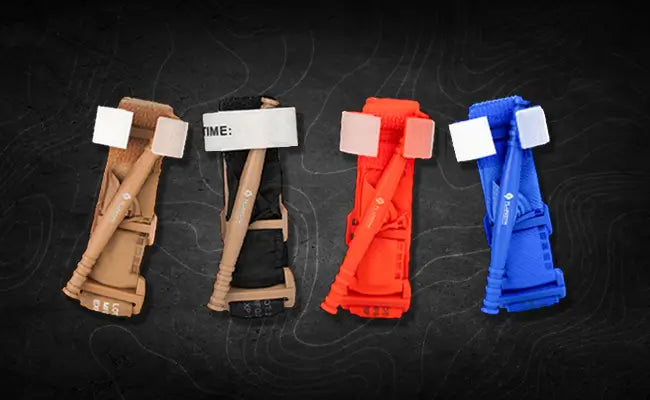
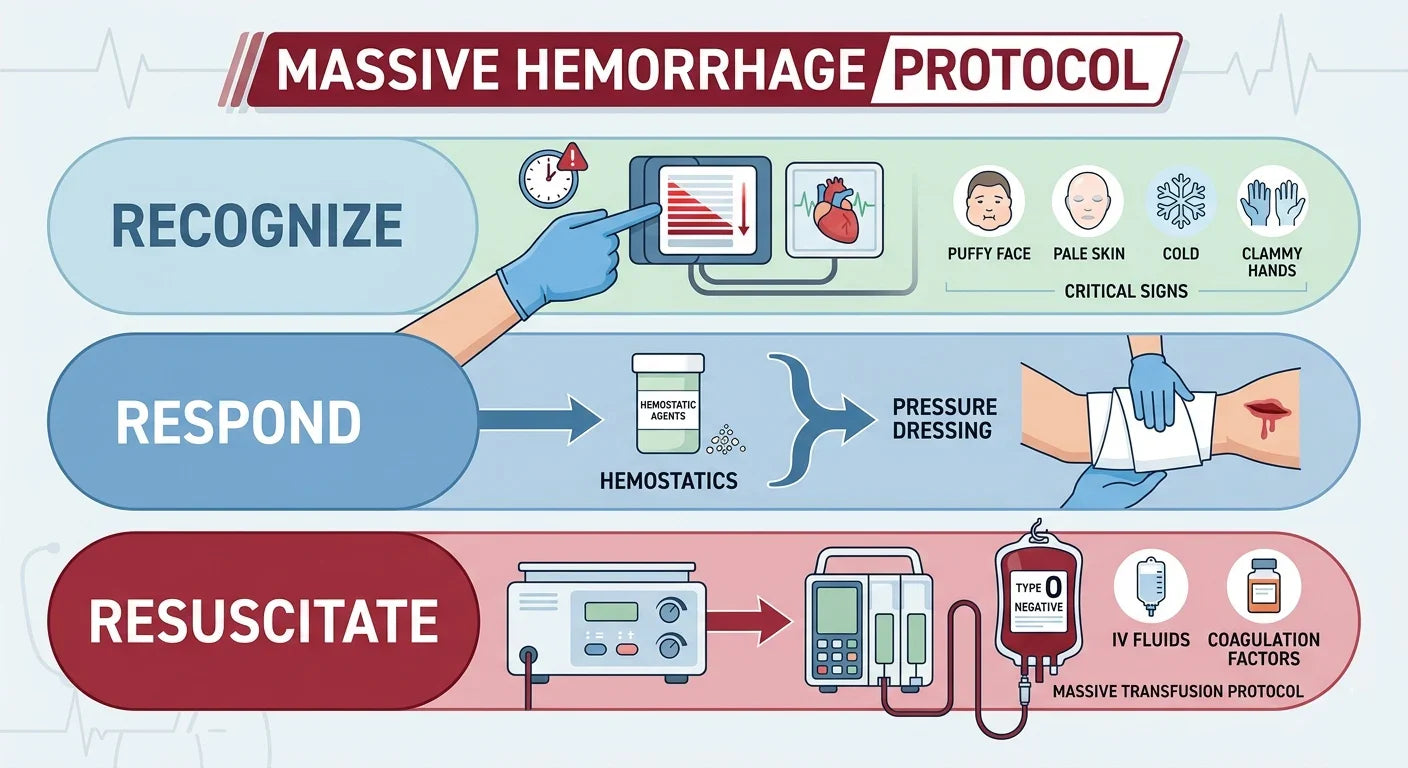
Active Arterial Bleeding: If blood is spurting or flowing rhythmically, a Band-Aid is like trying to stop a fire hose with a sticker. These scenarios require hemostatic agents (like those found in FlareSyn kits) and tourniquets or pressure dressings. In these moments, "Pressure is King," and only professional-grade materials can provide it.
Large Surface Area Abrasions: Often called "Road Rash," these injuries involve losing the top layer of skin across a wide area. A standard bandage is too small to cover the site, and the adhesive edges will likely stick to the raw "weeping" tissue, causing excruciating pain and re-opening the wound during every change.
Puncture Wounds: Whether from a nail or a deep splinter, punctures are deceptive. They bleed little but carry bacteria deep into the tissue. Covering a puncture with a Band-Aid creates an anaerobic (oxygen-free) environment, which is the perfect breeding ground for tetanus and other deep-tissue infections. These wounds require deep irrigation and specialized dressings that a strip of tape simply cannot provide.
The Hidden Cost of Improper Care
Choosing the wrong tool for wound care has long-term consequences that far outweigh the cost of a proper medical kit. Secondary infections (cellulitis or sepsis) can escalate from a poorly cleaned cut within 48 hours, often resulting in expensive Emergency Room visits and rounds of heavy antibiotics.
Furthermore, improper wound moisture management leads to excessive scarring. When a wound is allowed to dry out and form a hard, jagged scab (which often happens under a simple Band-Aid), the new skin cells must "drill" under the scab to close the gap, resulting in irregular collagen deposition. Professional-grade care ensures a "moist-healing" environment, significantly reducing the visible evidence of the injury and preserving the skin’s aesthetic integrity.
The Essential Home Wound Care Checklist
If your current medical supplies consist of a box of assorted bandages and a dusty bottle of 70% isopropyl alcohol, your "pharmacy" is decades out of date. Modern medicine has evolved, and the tools available for professional first responders are now accessible for home use. To build a modern medicine cabinet, you need to look beyond the basic grocery store aisle and focus on clinical-grade efficacy.
Must-Have Components for a Modern Medicine Cabinet
1. Antiseptics: Beyond Just AlcoholWhile many grew up with the "sting" of alcohol or hydrogen peroxide, science now shows these can actually damage healthy tissue and delay healing. A modern kit should prioritize Benzalkonium Chloride (BZK) wipes or Povidone-Iodine. These provide broad-spectrum antimicrobial action without the cytotoxic effects that kill the very fibroblasts your skin needs to rebuild.
2. Advanced Dressings: Hydrocolloids vs. Non-stick PadsThe "one-size-fits-all" bandage is replaced in a professional setting by specialized dressings.
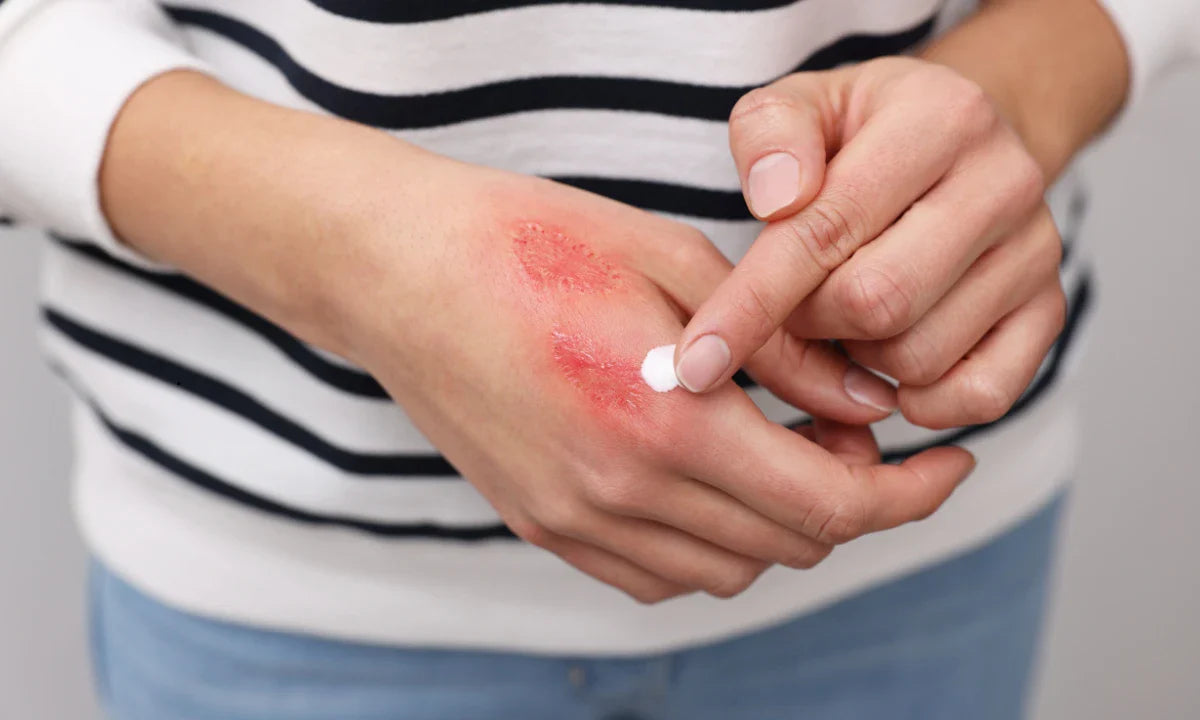
Hydrocolloid Dressings: These act like a second skin, absorbing fluid and turning it into a gel that keeps the wound moist—perfect for scrapes.
Non-stick (Telfa) Pads: Essential for lacerations where you don't want the dressing to fuse with the scab. Using a non-stick pad ensures that when you change the dressing, you aren't ripping away the progress your body made overnight.
3. Precision Tools: Medical-Grade Shears and TweezersBathroom tweezers are for eyebrows, not for removing deeply embedded glass or splinters. You need stainless steel, precision-tip tweezers and trauma shears. Medical shears are designed to cut through thick denim or seatbelts without cutting the patient, allowing you to quickly visualize a wound in an emergency without fumbling with household scissors.
Why a Professional Home Safety Bundle is a Financial & Health Investment
When faced with the price of a professional-grade medical kit versus a bag of drugstore bandages, it is easy to view the former as a luxury. However, in the world of emergency medicine, quality is a hedge against complication. Investing in a professional system like the FlareSyn Home Safety Bundle isn’t just about buying gauze and tape; it is about purchasing time, reliability, and peace of mind. When an injury occurs, the "cost" of being unprepared is measured in pain, permanent scarring, and expensive medical bills.
Curated Efficiency: Why "Pre-built" Beats "DIY" in a Panic
The greatest enemy in a medical emergency is decision fatigue. When a family member is bleeding or a child is screaming in pain, your cognitive ability drops significantly. A "DIY" kit—usually a chaotic shoebox filled with loose supplies—forces you to dig, identify, and improvise.
A professionally curated bundle is engineered for high-stress retrieval. FlareSyn kits utilize a "logic-based" layout, where supplies are organized by injury type. You don't have to wonder if a specific pad is non-stick or if a wipe is safe for a deep cut; the curation has been done for you by experts. In a crisis, "Pre-built" means you are acting within seconds, rather than searching for minutes.
Shelf Life and Sterility: Understanding Expiration Dates
Many homeowners don't realize that medical gear has a shelf life. The adhesives on cheap bandages degrade, and the sterile packaging on gauze can become porous over time, inviting "micro-contamination." Buying a professional bundle ensures that all components are batch-dated and vacuum-sealed to the highest industrial standards. FlareSyn’s Home Safety Bundle prioritizes long-term stability, using medical-grade polymers and foils that maintain sterility far longer than grocery-store alternatives. This ensures that when you reach for a dressing two years from now, it is as sterile as the day it was manufactured.
Educational Value: Gear is Only Half the Battle
A tool is only as effective as the person wielding it. This is where the FlareSyn philosophy diverges from standard retailers. Our bundles are designed as educational ecosystems. We provide clear, intuitive instructions and access to digital resources that explain the how and why of each component. By owning the kit, you are encouraged to familiarize yourself with life-saving techniques—like applying a pressure dressing or properly irrigating a puncture—before the emergency happens.
At its core, proper wound care is a commitment to your body’s resilience. We have seen that the skin is a complex organ that requires more than just a superficial cover to heal correctly; it requires the right environment, the right tools, and the right timing. Moving beyond the "Band-Aid mentality" means acknowledging that healing is a biological process that deserves professional-grade support.
The reality of home safety is that the best time to buy a trauma kit was yesterday. The second best time is right now. You cannot negotiate with an emergency once it has begun, and you cannot wish for better tools while holding a bleeding wound. Don’t wait for a kitchen mishap or a backyard accident to reveal the gaps in your medicine cabinet.
Take the proactive step today to ensure that when life happens, you are ready to respond with confidence and precision. Transition from a passive observer of your family’s health to a prepared defender.
Q: How do I know if a cut is infected?
A: Watch for the "Infected Cut Signs": increasing redness that spreads away from the wound (streaking), swelling that doesn't subside after 48 hours, yellow or green discharge (pus), and a foul odor. If you experience a fever or the pain intensifies significantly, seek medical attention immediately.
Q: Should I let a wound "air out" at night?
A: This is a common myth. Clinical studies show that wounds heal up to 50% faster in a moist environment. Leaving a wound open to the air dries out the surface cells, leading to painful scabbing and potential cracking, which invites bacteria back into the injury.
Q: Why shouldn't I use Hydrogen Peroxide on every cut?
A: While it’s great for the initial bubbling to lift debris, hydrogen peroxide is a "non-selective" cleaner—it kills healthy skin cells (fibroblasts) along with bacteria. For ongoing care, use a saline wash or BZK wipes to protect the new tissue growth.
Q: When should I replace my home first aid kit?
A: Most high-quality medical components have a shelf life of 3 to 5 years. However, you should audit your kit every 6 months. Check for broken sterile seals, dried-out ointment tubes, and expiring medications. A FlareSyn bundle simplifies this with clearly marked expiration dates on all critical gear.


Elias.H.Hwang
Elias H. Hwang is a tactical medicine expert and lead contributor at FlareSyn. He specializes in emergency trauma protocols and preparedness education, helping civilians and professionals alike master the tools and skills needed to save lives in critical moments.


Hinterlasse einen Kommentar
Diese Website ist durch hCaptcha geschützt und es gelten die allgemeinen Geschäftsbedingungen und Datenschutzbestimmungen von hCaptcha.