How to Use an IFAK Refill Kit to Restock Expired Trauma Supplies
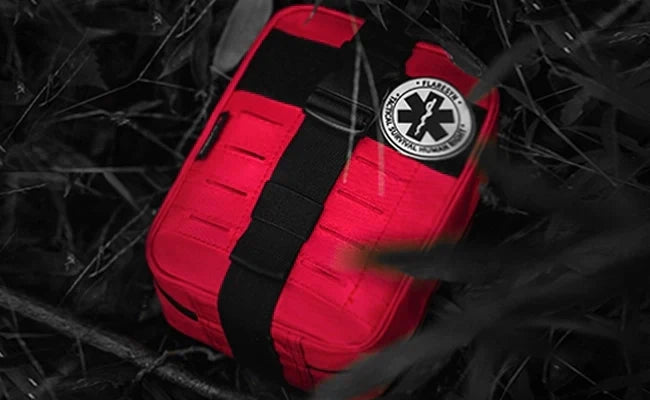
An IFAK can look complete from the outside and still fail you on the inside. A sealed pouch in your vehicle, range bag, duty belt, or home emergency shelf may contain expired gauze, weak adhesive, torn gloves, heat-damaged chest seals, or missing supplies from the last time it was opened. That is the real problem with trauma kits: they are often bought for peace of mind, then forgotten until a high-pressure moment. An IFAK refill kit solves that problem by helping you replace expired, used, damaged, or missing trauma supplies without buying a full new setup every time. We will tell you how to inspect your Individual
First Aid Kit, remove unsafe items, use a refill kit correctly, and keep your emergency gear ready for serious bleeding, chest injuries, and other trauma scenarios.
What Is an IFAK Refill Kit?
An IFAK refill kit is a group of replacement trauma supplies used to restock an Individual First Aid Kit after items expire, get damaged, go missing, or are used during training or an emergency. Instead of buying a complete new trauma kit with a pouch, a refill kit focuses on the internal medical supplies. For a U.S. customer who keeps an IFAK in a vehicle, shooting range bag, work truck, home preparedness shelf, or duty setup, a refill kit is often the practical way to keep the kit current while using the same pouch or carry system.
IFAK Refill Kit Meaning
In simple terms, an IFAK refill kit is the “inside replacement pack” for your trauma pouch. It may include bleeding control supplies, wound management items, gloves, tape, and emergency support tools. A good refill kit helps bring your trauma kit back to a usable condition after the original supplies become expired, opened, contaminated, or incomplete.
IFAK Refill Kit vs Complete IFAK
An IFAK refill kit replaces the supplies inside the pouch. A complete IFAK includes both the pouch and the full trauma loadout. If your medical pouch is still strong, clean, and easy to open, a refill kit can be the smarter and more cost-effective choice. If the pouch is torn, too small, poorly organized, hard to access, or no longer fits your belt, range bag, MOLLE panel, or vehicle setup, then replacing the full IFAK may make more sense. Flaresyn can naturally support both needs by offering trauma kit refills for customers who already have a pouch and complete tactical medical kits for those who want a ready-to-carry setup.
|
Option |
Best For |
What You Replace |
|
IFAK refill kit |
Pouch is still usable |
Internal trauma supplies |
|
Complete IFAK |
Pouch is damaged or outdated |
Pouch + full medical loadout |
|
First aid refill kit |
Minor cuts, burns, and common injuries |
General first aid supplies |
|
Trauma kit refill |
Severe bleeding and emergency trauma care |
Critical trauma components |
Why Expired Trauma Supplies Should Not Stay in Your Primary Kit
Expired trauma supplies should not stay in the primary kit you plan to depend on during a real emergency. A trauma kit is different from a drawer full of backup bandages. If you are reaching for an IFAK, the situation may involve severe limb bleeding, a penetrating chest wound, broken packaging, contamination risk, or a need for fast first-response treatment before professional medical help arrives. In that moment, you do not want to wonder whether your gloves will tear, your chest seal will stick, or your gauze is still sterile.
Sterility Can Break Down Over Time
Many IFAK supplies rely on sealed packaging to stay clean and safe. Sterile dressings, compressed gauze, wound packing gauze, trauma pads, and chest seals need intact packaging. If the seal is broken, punctured, wet, stained, or brittle, the item should not be trusted as a primary emergency supply. The Red Cross explains that first aid kit contents may last a long time, but they still need replacement, and some are date-sensitive.
Adhesives and Materials Can Fail
Some trauma supplies work because the material performs correctly under pressure. Chest seals need adhesive that can stick to skin. Medical tape needs to hold dressings in place. Nitrile gloves need to stretch without tearing. Elastic wraps and pressure bandages need to apply controlled pressure. Over time, heat, age, moisture, and storage conditions can weaken these materials. A chest seal with weak adhesive or gloves that split while being worn can create a serious problem during emergency response.
Heat, Moisture, and Vehicle Storage Can Shorten Shelf Life
Many U.S. customers keep emergency medical kits in vehicles, range bags, work trucks, RVs, hunting packs, or garage storage. These locations can expose supplies to heat, cold, humidity, UV light, and temperature swings. A car first aid kit or vehicle IFAK may age faster than a kit stored indoors at room temperature. Heat can affect adhesives, medications, ointments, gloves, and sealed packaging. Moisture can damage sterile seals and create contamination concerns. This is why vehicle kits should be checked more often than a kit stored in a cool, dry cabinet.
Used or Opened Items Must Be Replaced Immediately
Any item used in an emergency, drill, or training session should be replaced before the kit goes back into service. Gauze, gloves, trauma dressings, chest seals, and wound packing supplies are not “put back and save for later” items once opened or contaminated. If you use a tourniquet for real bleeding control, treat it as deployed gear and replace it in your primary kit. Old or expired items may still have value for training practice, but they should be clearly separated from the live emergency kit.
When Should You Restock an IFAK?
You should restock an IFAK whenever the kit is used, when any item expires, when packaging is damaged, before high-risk activities, and during regular maintenance checks. The goal is simple: your kit should be ready before the emergency happens, not after you discover a missing pressure bandage or expired chest seal. A refill kit makes this easier because you can replace key components in one organized process instead of searching for each item separately.
|
Kit Location |
Suggested Check Frequency |
Why It Matters |
|
Home emergency kit |
Every 6 months |
Usually stable storage |
|
Vehicle IFAK |
Every 3 months |
Heat and cold can damage supplies |
|
Shooting range kit |
Before each range day |
Higher injury risk and fast access needs |
|
Duty belt or battle belt IFAK |
Monthly |
Frequent wear and movement |
|
Workplace trauma kit |
Monthly or per safety policy |
Shared access and compliance needs |
|
Camping or hiking kit |
Before every trip |
Weather and remote response needs |
Step-by-Step: How to Use an IFAK Refill Kit
A structured refill process prevents missed items and helps maintain consistency across your trauma kit. Whether your IFAK lives in a vehicle, range bag, battle belt, duty belt, or emergency backpack, the same process applies.

Step 1: Empty the Kit and Inspect the Pouch
Start by removing every item from the pouch. Many people only check what is visible from the top and miss damaged or expired supplies hidden underneath. Lay everything on a clean surface where each component can be inspected individually. While the kit is empty, inspect the pouch itself. Check zippers, pull tabs, MOLLE attachments, Velcro panels, elastic retention loops, and belt attachments. If the pouch no longer provides quick access or secure retention, it may be time for an upgrade.
Step 2: Sort Supplies Into Keep, Replace, and Training-Only
Create three simple groups:
|
Category |
Action |
|
Keep |
In-date, sealed, undamaged items |
|
Replace |
Expired, damaged, missing, or questionable items |
|
Training Only |
Expired tourniquets, opened gauze, old dressings for practice |
This process immediately shows what needs attention and prevents unsafe items from returning to service.
Step 3: Check Expiration Dates and Packaging
Go through every medical component individually. Check printed expiration dates and inspect packaging for punctures, tears, moisture damage, fading, crushed corners, or broken seals.
Pay particular attention to:
- Hemostatic gauze
- Chest seals
- Sterile dressings
- Nitrile gloves
- Medications
- Burn treatments
- Saline products
Even if an item has not reached its expiration date, damaged packaging can compromise sterility and should be treated as a replacement item.
Step 4: Match Your Refill Kit to Your IFAK Checklist
Once expired or damaged items are identified, compare your current inventory against a standard IFAK checklist. This ensures nothing important is missing.
A well-equipped trauma-focused IFAK often includes:
|
Critical Trauma Item |
Purpose |
|
Tourniquet |
Severe limb bleeding control |
|
Hemostatic gauze |
Accelerates clotting |
|
Wound packing gauze |
Deep wound management |
|
Pressure bandage |
Sustained compression |
|
Chest seal |
Penetrating chest injuries |
|
Nitrile gloves |
Personal protection |
|
Trauma shears |
Rapid clothing removal |
|
Permanent marker |
Treatment documentation |
|
Emergency blanket |
Hypothermia prevention |
Using a dedicated refill kit makes this process easier because the replacement items are already selected to support trauma care rather than everyday first aid.
What Should Be in an IFAK Refill Kit?
The exact contents depend on the environment and intended use, but certain components appear in nearly every serious trauma setup.
Core Bleeding Control Supplies
According to the American College of Surgeons' Stop the Bleed program, bleeding is the number one cause of preventable death after injury, which is why bleeding-control items should be central to a trauma-focused IFAK. Because of this, bleeding control items should form the foundation of every IFAK.
Common examples include:
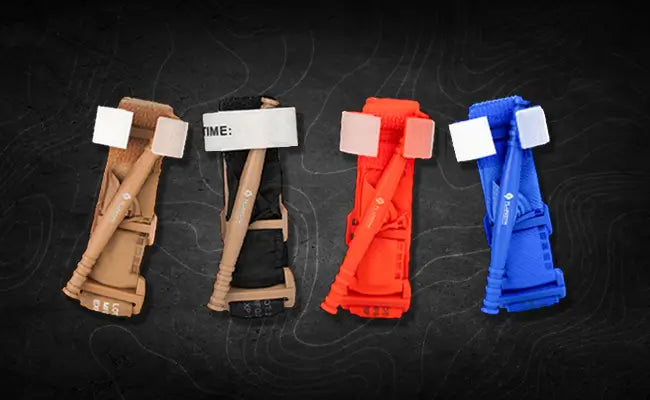
- Combat Application Tourniquet (CAT®)
- SOFTT-W Tourniquet
- QuikClot
- Hemostatic gauze
- Wound packing gauze
- Emergency Trauma Dressing
- Israeli Bandage
- Compression bandages
These supplies help control blood loss until professional medical care becomes available.
Breathing and Chest Trauma Supplies
Chest injuries require specialized equipment that many standard first aid kits do not include.
Examples include:
- Hyfin Vent Compact Chest Seal
- Vented chest seals
- Occlusive chest seals
These products are designed for penetrating chest wounds and help support normal lung function until advanced medical treatment arrives.
Protection and Utility Supplies
Smaller items often receive less attention but remain essential during an emergency.
Recommended items include:
- Nitrile gloves
- Trauma shears
- Medical tape
- Sharpie permanent marker
- Emergency blanket
These supplies improve treatment efficiency and help protect both the responder and the casualty.
Common IFAK Restocking Mistakes to Avoid
Many IFAK problems happen because the kit looks complete from the outside, but the inside has expired, missing, or poorly placed supplies. Avoiding these mistakes helps keep your trauma kit dependable.
Keeping Expired Gear in the Primary Kit
Expired trauma gear should not stay in the kit you rely on for real emergencies. Old tourniquets, opened gauze, expired chest seals, brittle gloves, and damaged sterile packaging should be replaced or moved to a clearly marked training kit.
Replacing Trauma Supplies With Generic First Aid Items
A standard first aid refill is useful for cuts, burns, and minor injuries, but it cannot replace a trauma-focused IFAK refill kit. Adhesive bandages and ointment do not replace a tourniquet, hemostatic gauze, pressure bandage, or chest seal.
Forgetting to Inspect the Pouch Itself
The pouch matters because it controls access. If the zipper sticks, Velcro is weak, MOLLE straps are torn, or elastic loops are stretched out, your supplies may not be secure or fast to reach.
Packing Items Too Deep to Reach Quickly
Critical supplies should be placed where they can be grabbed fast. A tourniquet buried under small bandages, wipes, and loose accessories defeats the purpose of a trauma kit.
Mixing Training Gear With Emergency Gear
Expired or opened supplies can be useful for practice, but they should never be mixed with live emergency supplies. Keep training gear in a separate pouch or clearly labeled bag.
How Flaresyn Helps You Restock Faster and Smarter
Flaresyn supports users who want practical emergency preparedness without guessing what to replace. Whether your kit is used for range days, vehicle safety, field use, work, or home readiness, the goal is to keep trauma supplies current and easy to access.
Ready-to-Use IFAK Refill Kits
Flaresyn’s IFAK refill kits help replace expired, used, or missing trauma supplies without forcing you to rebuild your kit one item at a time. This is useful when your pouch is still in good shape, but the internal supplies need a refresh.
Complete IFAK Kits
If your pouch is damaged, too small, or hard to organise, a complete IFAK may be the better option. A full kit gives you the pouch and the medical loadout together, which is helpful for new users or anyone upgrading from a basic first aid kit.
Tactical Medical Pouches and Organized Gear
For users who carry gear on a battle belt, duty belt, range bag, or vehicle setup, organization matters. Flaresyn’s tactical medical gear is built around fast access, secure carry, and practical emergency use.
Bulk and B2B Trauma Supply Support
For teams, workplaces, shooting ranges, security groups, and preparedness programs, bulk trauma supplies can make restocking easier. A consistent refill process helps every kit follow the same standard.
Conclusion: Restock Before the Emergency Happens
An IFAK should never be treated like a sealed pouch that can sit untouched for years. Expired trauma supplies, weak adhesives, damaged packaging, missing gloves, and poorly placed gear can slow down response when seconds matter. A proper refill process keeps your kit clean, current, organized, and ready for serious emergencies.
Start by emptying the kit, checking every item, replacing expired or damaged supplies, and repacking the pouch by emergency priority. Keep bleeding control gear easy to reach, track expiration dates, and set a regular inspection schedule. Flaresyn offers IFAK refill kits, trauma supplies, complete IFAK kits, and tactical medical gear built for range bags, vehicles, duty belts, outdoor use, and home emergency readiness.