
Who Really Needs an IFAK in 2026?
The world we live in today isn’t the same as it was even a few years ago. From extreme weather events to unpredictable emergencies, the risk landscape has quietly shifted—yet many people still treat preparedness like a niche hobby. One item that gets talked about a lot is the IFAK (Individual First Aid Kit), but it’s often misunderstood as a “must-have” for everyone. The truth is more nuanced. This article isn’t here to sell you gear—it’s here to help you decide whether an IFAK actually makes sense for your lifestyle, or if a simpler first aid kit is all you truly need.
An IFAK isn’t a universal tool, but it is a very useful one for certain people. The key is that the need isn’t based on fear or trend—it’s based on real, measurable risk. In 2026, the kinds of situations that justify carrying an IFAK are not “maybe” risks; they are environments where serious injury is a realistic possibility and help may not arrive immediately.
Here are the real high-risk categories where an IFAK can make a meaningful difference:
Most People Don’t Need an IFAK — And That’s Fine
IFAKs are often presented like a “must-have” item, as if every person is walking around in a constant state of risk. The reality is that for most people, an IFAK is not a daily necessity—and that’s okay. The idea of carrying a tactical first aid kit can feel empowering, but it can also create a false sense of security. Without proper training and real-world experience, having more gear doesn’t necessarily mean you’re safer. In many cases, it simply means you’re carrying extra tools you won’t use, or worse, using them incorrectly.
For the average city commuter, a basic first aid kit is usually more than enough. Cuts, scrapes, headaches, and minor sprains are the most common emergencies in everyday life—and those can be managed with simple supplies. A small kit with bandages, antiseptic wipes, pain relief, and a couple of basic tools is enough to handle most situations until professional help arrives. Carrying a full IFAK in a backpack or bag might feel like preparedness, but it’s often overkill for the risks most people actually face.
More importantly, carrying an IFAK without training can create real risks. When people feel prepared, they may take unnecessary risks, thinking they can handle any emergency. In reality, a poorly applied tourniquet or incorrect wound packing can worsen injuries. Without knowledge and practice, an IFAK becomes a set of tools with no proper instruction—an expensive accessory rather than a true safety upgrade.
Common Misconceptions about IFAKs
-
“IFAKs are for everyone” — Many people assume it’s a universal need, but most daily emergencies don’t require tactical gear.
-
“More tools = more safety” — Without training, extra equipment can create confusion or misuse in a real emergency.
-
“IFAK means I can handle anything” — An IFAK is not a replacement for medical care or emergency services.
-
“IFAK is only for dangerous people” — Some think it’s only for soldiers or police, but the truth is it’s for specific risk profiles, not everyone.
-
“If I carry it, I won’t panic” — Confidence doesn’t automatically translate into competence, especially under stress.
Normal Situations Where You Don’t Need an IFAK
-
Daily city commuting (subway, bus, office work)
-
Routine family life (kids’ minor cuts, household accidents)
-
Short local errands (shopping, dining, casual activities)
For most people, the goal should be smart preparedness, not tactical preparedness. A basic first aid kit, combined with a clear plan and basic training, is enough for the majority of daily scenarios. An IFAK becomes useful only when your environment or lifestyle actually increases the chances of severe injury—otherwise, it’s simply extra weight in your bag.
So Who Actually Needs One in 2026?
4–5 High-Risk Categories (short & clear)
-
Outdoor workers & remote job sites
-
Firearms training / range users
-
Tactical training, security, or law enforcement
-
Rural drivers & long-distance travelers
-
High-risk hobbyists (hunting, off-grid travel, extreme sports)
Each of these groups faces scenarios where a severe bleed, traumatic injury, or delayed medical response is not hypothetical—it’s a real possibility. That’s what separates “nice to have” from “necessary.”
Why these categories truly need an IFAK
Outdoor workers & remote job sites often work far from emergency medical services. A fall, crush injury, or deep cut can happen in minutes. In these situations, a basic first aid kit is not enough because the injuries are often severe and the response time is long. An IFAK with a tourniquet and wound packing supplies can be the difference between life and death when help is 20–30 minutes away.
Firearms training and range users are another group where risk is not just theoretical. Even with strict safety rules, accidents happen. When they do, the injury is often severe and requires immediate bleeding control. The ability to stop heavy bleeding quickly is the core purpose of an IFAK. For anyone around firearms, carrying an IFAK is not paranoia—it’s a practical safety measure.
Tactical training, security work, and law enforcement operate in environments where violence, accidents, and unpredictable events are part of the job. In those settings, emergency services may be delayed, and you may be responsible for others. An IFAK isn’t just for self-defense—it’s a tool to keep a team alive long enough for professional medical care to arrive.
Rural drivers and long-distance travelers often face long stretches of road without quick access to medical help. A vehicle accident on a remote road can quickly become life-threatening if bleeding is not controlled. A well-packed IFAK becomes a mobile emergency kit—especially when you’re hours away from a hospital.
High-risk hobbyists like hunters, off-grid travelers, and extreme sports enthusiasts intentionally put themselves in situations where injuries are more likely and help is less accessible. In these cases, the environment itself increases risk—rough terrain, remote locations, and limited communication. An IFAK isn’t just useful; it’s a rational precaution.
Optional Table
Category
Why they need IFAK
Typical risk scenario
| Outdoor workers & remote job sites | Delayed medical response, high injury severity | Fall from height, machinery accident |
| Firearms training / range users | Severe bleeding risk from gunshot or accidental discharge | Range accident, misfire injury |
| Tactical training / security / law enforcement | High-risk environments, responsibility for others | Violent confrontation, crowd control incident |
| Rural drivers & long-distance travelers | Long emergency response times | Road accident on remote highway |
| High-risk hobbyists | Remote locations, higher injury probability | Hunting accident, off-grid hiking fall |
How to Tell If You’re in a High-Risk Category
This section is the decision-making core of the article. Up to this point, you’ve explained what an IFAK is and who typically needs it. Now it’s time to help the reader self-diagnose whether they truly belong in a high-risk category.
The goal is not to scare people. The goal is to help them make a clear, rational decision based on real factors. The best way to do that is a simple self-test checklist.
Self-Test Checklist: Do You Really Need an IFAK?
If any 2–3 of the following are true for you, you may genuinely benefit from carrying an IFAK:
Response time is longer than 20 minutes
If you are far from emergency services or in a situation where help may be delayed, an IFAK becomes a real tool, not just a “just in case” item.
Bleeding risk is realistic, not hypothetical
This means you’re not thinking about “what if,” but about what actually happens in your environment—sharp tools, firearms, heavy equipment, or situations where trauma is plausible.
Limited access to immediate care
This includes remote areas, long-distance travel, or any place where ambulances or clinics are not nearby.
You’re responsible for others
If you are in a position where you may need to help someone else—family, teammates, coworkers, or a group you lead—carrying an IFAK is a responsible choice.
Frequent exposure to risky environments
Whether it’s construction sites, outdoor adventures, shooting ranges, or tactical training, repeated exposure increases the chance of injury.
Why this checklist works
This is the core logic of the article: an IFAK is not about fear—it’s about risk management. If the risk factors are present, the IFAK becomes a tool that buys time. It’s not a “cure” and it’s not a replacement for professional medical care, but it can stabilize a situation until help arrives.
The checklist is designed to be simple and clear, because the readers who will benefit most are not medical professionals—they are everyday people who want to make smart decisions.
Optional Table
Question
If yes → you may need an IFAK
| Do you travel remote areas? | Yes → IFAK may be necessary |
| Do you work in an environment with heavy equipment or sharp tools? | Yes → IFAK may be necessary |
| Is emergency response time often longer than 20 minutes? | Yes → IFAK may be necessary |
| Are you responsible for others (family, coworkers, team)? | Yes → IFAK may be necessary |
| Do you participate in high-risk hobbies (hunting, off-grid travel, extreme sports)? | Yes → IFAK may be necessary |
Closing sentence for this section
If your answer is “yes” to more than one of these questions, you’re not being overly cautious—you’re being realistic. In those cases, an IFAK isn’t a luxury; it’s a responsible preparation.
What an IFAK Is (and Is Not)
An IFAK (Individual First Aid Kit) is a compact medical kit designed for trauma response. It’s built around the idea that in serious bleeding or injury situations, the first few minutes matter more than anything else. An IFAK is meant to help you control bleeding, protect a wound, and stabilize someone until professional help arrives.
However, it’s easy to misunderstand what an IFAK is. Many people treat it like a “medical upgrade” that automatically makes them safer. That’s not accurate. The real value of an IFAK depends on context, training, and realistic expectations.
What an IFAK Is Not
To avoid the most common mistakes, here’s what an IFAK is not:
-
Not a replacement for medical care
An IFAK doesn’t heal injuries. It only buys time until help arrives. -
Not a “get out of danger” tool
It doesn’t make you invincible or immune to harm. -
Not a kit you can use safely without training
Incorrect use of a tourniquet or wound packing can cause harm. -
Not a magic solution for all emergencies
It’s mainly designed for trauma and bleeding—not every type of medical issue.
What an IFAK Is
Here are the real, practical truths about an IFAK:
-
A tool for bleeding control
The primary purpose is to stop or reduce bleeding quickly, which is the most common cause of preventable death in trauma. -
A stabilization kit
It helps you stabilize the situation until professional medical help can take over. -
A responsibility, not a trend
Carrying an IFAK means you understand the risk and are prepared to act responsibly.
Why training matters more than gear
This is the most important part: gear alone is not enough. An IFAK becomes effective only when you know how to use it correctly. A tourniquet placed too loosely won’t stop bleeding. Wound packing done incorrectly can cause more damage. Even the best equipment can become useless if you panic or hesitate.
Training creates two key advantages:
-
Confidence without false security
You don’t rely on hope—you rely on skill. -
Faster response
In an emergency, you don’t have time to “figure it out.” Training makes your actions automatic.
If You Decide to Carry One, Keep It Simple
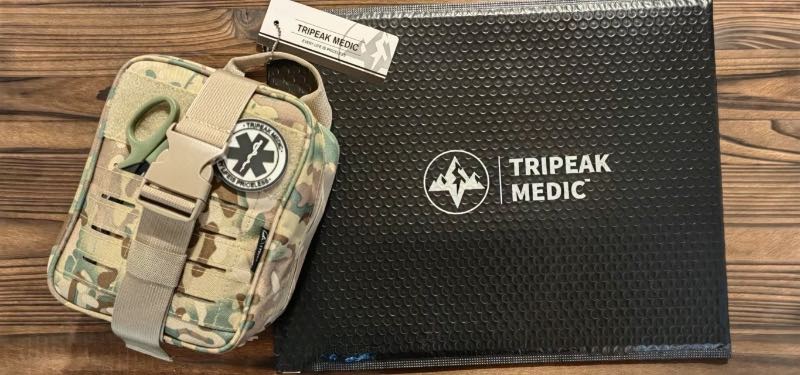
If you’ve reached this point and decided an IFAK makes sense for your lifestyle, the next question is: what should you actually carry? The best IFAKs aren’t the biggest ones—they’re the simplest ones. The more gear you add, the less likely you are to use it correctly when it matters most.
A minimalist kit is not only easier to carry, it’s also easier to use under stress. When someone is bleeding or injured, you don’t want to be digging through a heavy bag or wasting time on tools you don’t understand. Usability and accessibility are the real keys to effective trauma response.
Simple Kit Essentials (6–8 items)
If you want a practical IFAK that works for real emergencies, focus on these essentials:
-
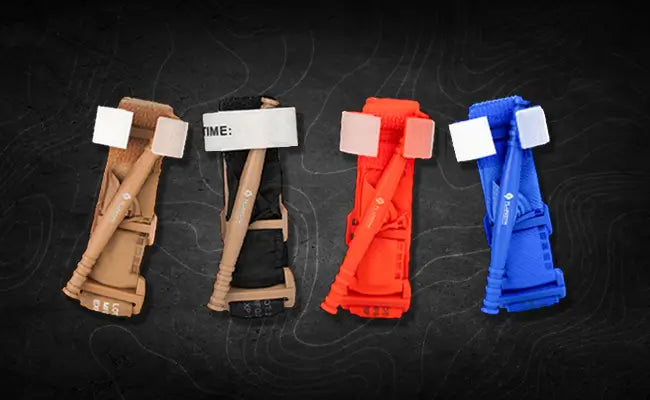
Tourniquet (high-quality, easy-to-apply)
-
Pressure bandage / trauma dressing
-
Sterile gauze pads
-
Wound packing gauze
-
Medical gloves
-
Shears (scissors)
-
CPR face shield (optional but useful)
-
Quick reference card or mini guide
This list is intentionally small because the goal is speed and clarity. If you can’t find an item quickly, or you don’t know how to use it, it becomes useless.
Avoid These Overkill Items
Over-equipping is a common mistake. It can make your kit heavier, harder to use, and more intimidating under stress. Avoid adding:
-
Multiple specialty tools you don’t know how to use
-
Extra meds and drugs (unless you’re trained)
-
Bulky items that don’t serve immediate trauma response
The most effective IFAK is the one you can confidently operate with limited training.
Usability and Accessibility
A simple kit also means your IFAK should be accessible. If it lives at the bottom of a bag or inside a locked drawer, it won’t help you. A real IFAK should be:
-
easy to reach
-
easy to open
-
easy to use with one hand if needed
A good rule is: if it takes more than 30 seconds to access and apply, it’s not practical.
Carrying an IFAK is not a status symbol or a trend—it’s a responsibility. If you decide it’s right for you, the most important step isn’t buying the biggest kit, but learning how to use the basics correctly and making sure your decision matches real risk, not fear. A well-chosen, simple IFAK combined with proper training can give you confidence and readiness without creating false security. Ultimately, the best preparedness is the kind you can actually rely on when it matters most.



Leave a comment
This site is protected by hCaptcha and the hCaptcha Privacy Policy and Terms of Service apply.