
Winter Hiking Safety: Combining Trauma Kits and Smart Wearables
Winter Trail Hazards and Environmental Challenges
Icy Trails, Hidden Obstacles, and Rapid Weather Shifts
Winter hiking presents hazards that are unique compared to warmer seasons. Snow and ice can obscure rocks, roots, and depressions along trails, turning routine steps into potential slip points. A patch of ice under fresh snow may be invisible until the moment your foot lands, leading to sudden falls or sprains. Similarly, accumulation of snow on tree branches or uneven terrain can conceal holes, frozen streams, or uneven ground. Even experienced hikers often underestimate how quickly these obstacles appear, particularly when snow blankets familiar trails, making previously simple routes more treacherous. Moreover, visibility is frequently reduced due to snow flurries, fog, or shorter daylight hours, complicating navigation and orientation.
Cold Exposure and Hypothermia Risk
Subzero temperatures pose an additional layer of danger. Hypothermia can set in gradually, especially when hikers underestimate wind chill or become wet from snow or perspiration. Frostbite risk increases on extremities like fingers, toes, nose, and ears, and the consequences can range from mild numbness to permanent tissue damage if untreated. The challenge lies not just in wearing warm layers but in actively managing heat retention through clothing layering, moisture control, and regular assessment of body temperature. Hikers must remain attentive to early warning signs such as shivering, confusion, slurred speech, or color changes in skin, which indicate a need to stop, warm up, or seek shelter.
The Role of Smart Wearables in Environmental Monitoring
Here is where modern wearable technology begins to complement traditional winter hiking skills. Devices that track heart rate, body temperature, or oxygen saturation can alert hikers to early signs of hypothermia, excessive fatigue, or stress before subjective awareness kicks in. Motion sensors and fall detection algorithms provide instant notifications if a sudden slip or tumble occurs, which is particularly useful when hiking alone in remote areas. Some wearables even integrate environmental sensors, monitoring ambient temperature, humidity, or wind chill, offering real-time feedback that can influence immediate decisions, like adjusting pace, adding layers, or rerouting to safer terrain. This proactive monitoring helps hikers anticipate risks, allowing them to act before conditions escalate into emergencies.
Preparing for the Unpredictable
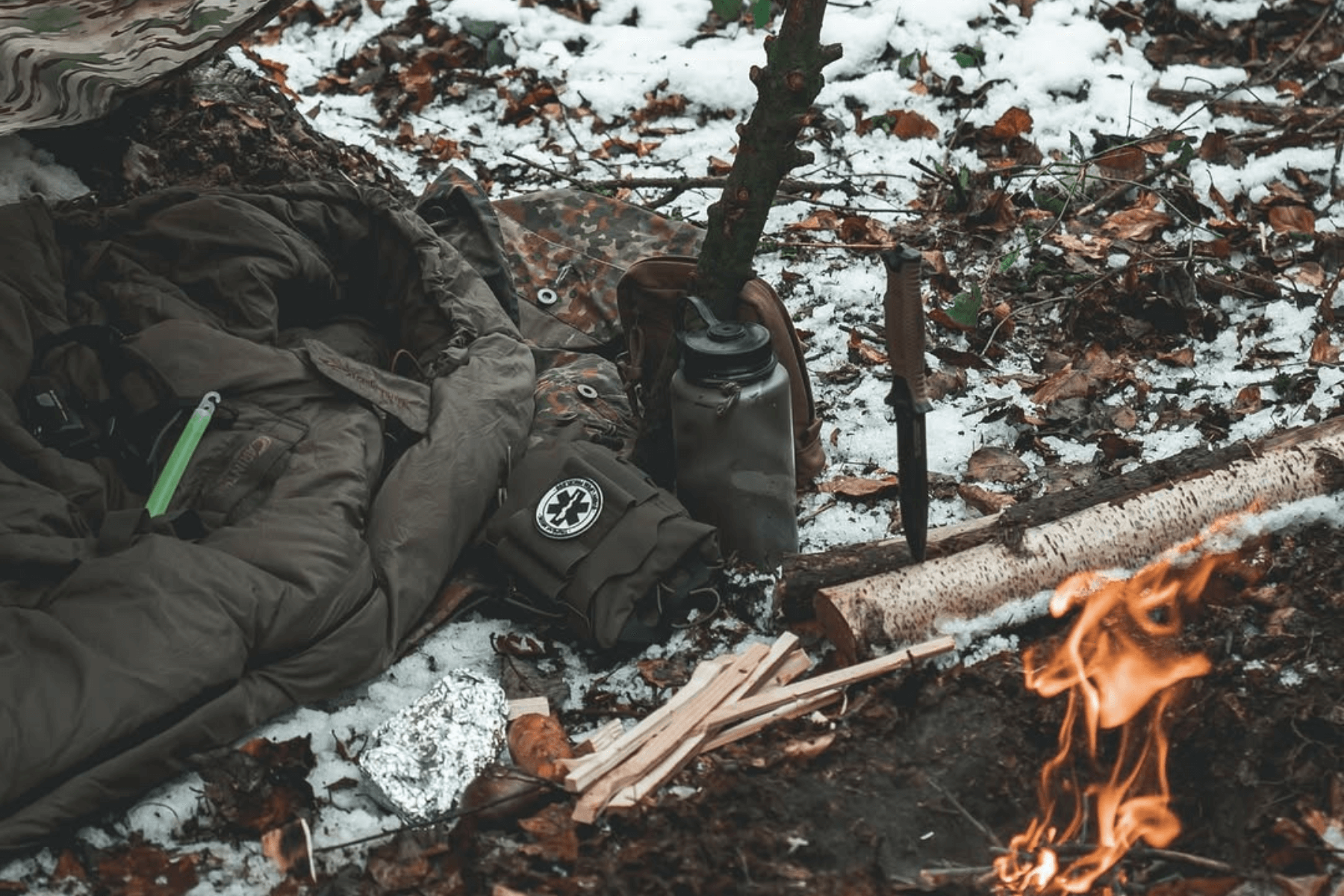
A critical aspect of Winter Hiking Safety is understanding that the combination of environmental hazards and physical stressors can escalate rapidly. Even small injuries or missteps can have compounded consequences when temperature and terrain are extreme. Traditional gear such as waterproof boots, insulated clothing, trekking poles, and a trauma kit remains indispensable, but its effectiveness multiplies when paired with wearable alerts and environmental awareness. Knowing how to deploy equipment, respond to early warning signals, and adjust behavior according to sensor feedback can make the difference between continuing safely and requiring rescue. The goal is to maintain situational awareness, minimize exposure to preventable hazards, and ensure immediate action is possible when accidents occur.
Why Winter Hiking Requires Extra Preparedness
Cold-Related Physiological Challenges
Winter hiking exposes the body to conditions that amplify normal outdoor stress. Subzero temperatures accelerate body heat loss, leading to hypothermia if not properly managed. Even mild frostbite can impair fine motor skills, making it difficult to manipulate gear, tie knots, or apply first aid. Low temperatures also affect cognitive function: judgment slows, reaction time diminishes, and risk perception can be distorted. Hikers may underestimate hazards or fail to recognize early warning signs of injury or exposure. These physiological stresses underscore the importance of monitoring core body temperature, heart rate, and circulation—tasks that wearable devices can assist with in real time.
Terrain, Snow, and Navigation Difficulties
Snow and ice fundamentally change trail conditions. Familiar paths can become unrecognizable under snow cover, while ice patches create slipping hazards that even experienced hikers struggle to predict. Reduced visibility from snowfall, fog, or short daylight hours compounds navigation challenges. GPS devices, maps, and compasses remain essential, but the cold can affect battery life or device reliability. Wearable technology equipped with location tracking and fall detection can provide an additional layer of safety, offering location updates and automated alerts when accidents occur, bridging the gap between environmental unpredictability and timely response.
Delayed Emergency Response and Isolation
In winter conditions, external help often arrives slower than in summer months. Roads may be impassable, search teams delayed, and communication limited by weather or remote locations. Hikers must therefore be self-reliant for longer periods. Trauma kits, portable shelters, and thermal blankets are vital, but effectiveness improves when paired with devices that monitor vital signs, track falls, or send automated alerts to contacts or EMS. This combination allows hikers to detect emergencies early and take immediate action while waiting for external support.
Equipment Limitations in Cold
Cold weather significantly impacts traditional and electronic equipment. Batteries drain faster in subzero temperatures, touchscreen gloves may hinder device operation, and stiff clothing or gloves can slow first aid application. Recognizing these limitations is crucial. Smart wearable devices designed for low-temperature operation, paired with ergonomic trauma gear, help mitigate these constraints. Lightweight, insulated, and accessible kits ensure that critical interventions—like applying a tourniquet, bandaging wounds, or signaling for help—remain feasible even under severe environmental stress.
Combining Traditional and Smart Gear for Maximum Safety
Winter hiking demands preparation that goes beyond simple checklist compliance. Traditional gear—insulated clothing, boots, trekking poles, trauma kits—provides foundational safety. When integrated with smart wearable devices that track vitals, monitor motion, and provide environmental alerts, hikers gain a proactive advantage. The real value lies in combining immediate feedback from technology with hands-on skills and situational awareness, enabling faster, more accurate responses to accidents, exposure, or navigational errors. By understanding and preparing for winter-specific risks, hikers can transform potentially dangerous outings into manageable, safe adventures.
Layering Traditional Gear for Winter Safety
Core Trauma Tools for Cold Conditions
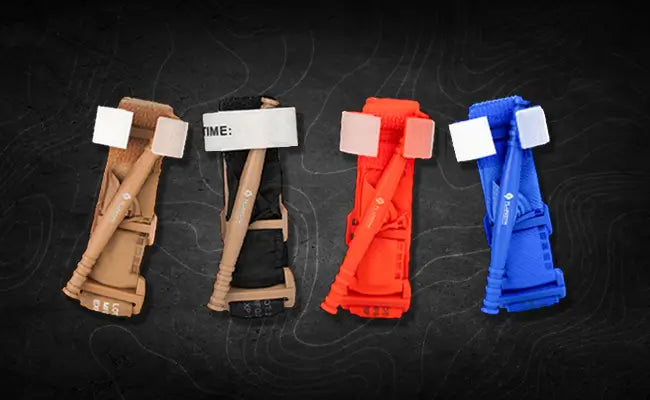
Winter hiking requires trauma gear that can perform under extreme conditions. Basic first aid items like tourniquets, hemostatic gauze, and compression bandages are essential. In low temperatures, hands can stiffen, and dexterity is reduced, so choosing tools that are easy to handle with gloves or mittens is crucial. Compact, high-visibility tourniquets with simple locking mechanisms allow quick application in stressful situations, while individually wrapped bandages reduce the risk of snow or moisture compromising sterility. Hemostatic dressings remain vital for controlling bleeding, and combining them with compression bandages ensures effective stabilization of limb injuries.
Thermal Protection and Emergency Comfort
In addition to direct trauma care, maintaining core body temperature is a top priority. Emergency blankets or insulated thermal blankets provide immediate heat retention for both injury stabilization and general hypothermia prevention. Lightweight, reflective blankets can be layered with clothing and folded compactly in a backpack, ready for rapid deployment. When combined with first aid, these thermal layers not only preserve warmth but also increase the comfort and morale of an injured hiker, which can affect cognitive function and decision-making in critical situations.
Immobilization and Dexterity Tools
Clavicle or wrist fractures, ankle sprains, and finger injuries are common in icy conditions. Splints, folding or rigid boards, and flexible immobilizers help secure injured limbs. Scissors, trauma shears, and protective gloves facilitate cutting clothing, tape, or bandages, even with thick winter layers. Ergonomic design is key: blunt-ended scissors, non-slip handles, and pre-marked tape can save precious seconds when responding to trauma, especially when cold hands reduce grip strength and tactile sensitivity.
Strategic Gear Organization
How gear is organized makes a significant difference in winter environments. Critical items should be placed for immediate access—tourniquets on the outside of the pack, bandages in easy-to-open compartments, gloves and scissors within reach. Layering considerations also apply: the heavier outerwear should not obstruct access to trauma items, and glove-compatible fasteners or pull tabs help ensure smooth retrieval. Organizing gear with clear zoning—stop-bleeding items together, immobilization tools together, warmth and comfort items in another pocket—reduces reaction time, making interventions faster and more reliable under stress.
Integration With Movement and Gloves
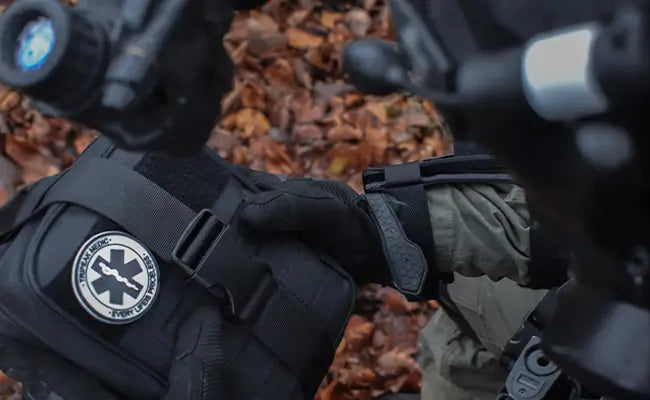
The final consideration is the interaction between gear and winter clothing. Bulk jackets, mittens, or snow pants can impede swift actions, so selecting trauma gear with simple mechanisms, large grips, and tactile feedback is essential. Pairing these traditional tools with lightweight, compact designs ensures that injured hikers or rescuers can apply necessary interventions without needing to remove multiple layers, reducing exposure to cold and maintaining safety throughout the response process.
The Smart Tech Advantage: Wearables & Real-Time Monitoring
Biometric Monitoring for Cold-Weather Challenges
In winter hiking, environmental stressors can exacerbate hidden medical risks. Wearable devices that monitor heart rate, blood oxygen levels (SpO₂), and even basic ECG patterns provide hikers with early warning signs of hypothermia, fatigue, or cardiovascular strain. For example, a sudden drop in SpO₂ while ascending a snowy incline may indicate that a hiker is overexerting in the cold, allowing preemptive rest or emergency interventions before a dangerous situation develops. Continuous biometric monitoring ensures that subtle health changes do not go unnoticed in harsh conditions.
Fall Detection and Automated Alerts
Slippery trails, icy rocks, and uneven snow-covered paths increase the likelihood of falls. Modern smart wearables are equipped with accelerometers and gyroscopes that detect sudden impacts or abnormal motion patterns. Once a fall is detected, the device can automatically alert pre-set contacts or emergency services with GPS coordinates and key vital signs. In one real-world example, a solo hiker slipped on a frozen stream, fracturing their ankle. The wearable immediately sent their location and heart rate data to a family member, who could notify local search-and-rescue teams. By the time help arrived, the hiker was able to remain stable, minimizing further injury.
Battery Management and Cold-Weather Optimization
One of the primary limitations of wearable technology in winter is battery performance. Low temperatures accelerate energy depletion, potentially rendering devices ineffective. To address this, modern devices incorporate low-energy modes, thermal insulation for internal components, and automated battery alerts. Users are advised to keep devices close to the body to maintain warmth and monitor battery levels before embarking on hikes. Some devices also support solar charging or external battery packs specifically designed for cold environments, ensuring uninterrupted functionality during extended excursions.
Integration With Traditional Gear
Wearables reach their full potential when combined with traditional trauma equipment. For instance, receiving an automated fall alert can prompt a hiker to quickly retrieve a tourniquet, bandages, or thermal blanket from an accessible pocket or pack compartment. The synergy between real-time data and physical gear allows hikers to respond efficiently, reducing reaction time and improving outcomes. Device notifications can also remind hikers to check or adjust equipment, such as tightening straps or replacing cold-soaked gloves, further enhancing winter safety.
Practical Tips for Hikers
-
Always pair wearables with emergency contact information and GPS-enabled location sharing.
-
Test fall-detection sensitivity before winter hikes to avoid false positives or missed alerts.
-
Keep devices in close contact with the body to reduce cold-induced battery loss.
-
Sync wearable alerts with trauma kit organization for immediate response.
By leveraging wearable technology alongside traditional gear, winter hikers can proactively monitor health, respond quickly to accidents, and maintain safety even in remote and challenging terrain. The combination of real-time monitoring, automated alerts, and thoughtful integration with first-aid tools provides a significant safety advantage over relying on conventional equipment alone.
Integrating Both Approaches for Maximum Safety
Pre-Hike Preparation: Organizing Your Trauma Kit
Effective winter hiking safety begins long before setting foot on the trail. A well-organized trauma kit is essential. Ensure all critical items—tourniquets, hemostatic gauze, compression bandages, thermal blankets, gloves, and scissors—are packed in waterproof, insulated compartments to protect against snow and moisture. Prioritize accessibility: high-priority tools should be on top or in side pockets for rapid retrieval. For multi-day hikes, consider compact and modular layouts that reduce weight without sacrificing readiness. Reviewing the kit before each excursion ensures that all equipment is present, functional, and appropriate for expected conditions.
During the Hike: Smart Device Integration
While traditional gear forms the foundation of safety, wearable technology acts as an early-warning layer. Devices such as smart wristbands or chest patches should be snugly fitted and positioned to optimize heart rate and motion detection. Real-time monitoring provides continuous feedback on exertion levels, oxygen saturation, and environmental stress, such as sudden drops in temperature. By staying connected to emergency contacts or integrated apps, hikers can ensure that deviations from safe parameters trigger immediate alerts. Regular checks of battery levels and device calibration during the hike prevent gaps in monitoring when they are most needed.
Incident Response: Combining Alerts with Hands-On Care
When an accident occurs—such as a fall on icy terrain or a laceration from a hidden branch—the combination of smart alerts and physical preparedness can be lifesaving. First, rely on your wearable device to transmit location, vital signs, and incident context to designated contacts. Simultaneously, retrieve and deploy trauma kit items as appropriate. For example, after receiving a fall alert, a hiker can quickly access a tourniquet for a bleeding limb, apply a thermal blanket to prevent hypothermia, and immobilize a fracture with a splint. This dual-layer approach ensures rapid stabilization and clear communication with rescuers, minimizing risk and improving outcomes.
Practical Guidelines for Maximum Safety
-
Organize for speed: Keep frequently used items easily accessible, even under heavy winter clothing.
-
Monitor continuously: Wearables provide early warning of physiological stress before it escalates.
-
Follow the sequence: Allow the device to alert contacts first, then initiate hands-on intervention.
-
Train regularly: Practice using your kit while responding to simulated alerts to build confidence and reduce hesitation.
By combining traditional trauma tools with wearable technology, hikers achieve a redundancy that protects against both predictable and unexpected emergencies. This integrated strategy—smart pre-warning paired with hands-on response—provides the most reliable layer of protection during challenging winter excursions, turning potential crises into manageable situations.
Winter Hiking Safety Checklist
Planning and Communication
Before heading out, preparation starts with communication. Always inform a trusted contact of your planned route, estimated return time, and expected checkpoints. Share location tracking details via smart devices if possible, ensuring someone can respond immediately in case of delay or emergency. This simple step alone can significantly reduce response times and improve safety outcomes in winter environments where visibility and access may be limited.
Layered Clothing and Environmental Readiness
Winter hiking demands careful attention to clothing. Utilize a layering system: base layers wick moisture, insulating layers retain warmth, and an outer shell provides wind and water resistance. Gloves, hats, and thermal socks are essential for extremity protection. Layering not only regulates body temperature but also allows for quick adaptation to changing conditions, preventing hypothermia and frostbite. Wearable devices should be positioned to maintain skin contact and accurate readings without interfering with layers or restricting movement.
Trauma Kit and Smart Device Integration
Pack a compact yet comprehensive trauma kit with items such as tourniquets, hemostatic gauze, compression bandages, thermal blankets, scissors, and gloves. Organize the kit for rapid access even when wearing gloves or heavy clothing. Simultaneously, ensure your wearable tech—smart wristbands, chest patches, or impact sensors—is fully charged, paired with emergency contacts, and calibrated for environmental conditions. A well-practiced routine of using both the kit and the device in simulated scenarios builds muscle memory and confidence, reducing hesitation during real incidents.
Additional Safety Essentials
-
Portable heat sources and emergency blankets: Protect against prolonged exposure.
-
Spare batteries or solar chargers: Ensure devices maintain functionality in cold conditions.
-
Practice drills: Conduct brief rehearsals of incident responses to reinforce correct sequences.
-
Checklist maintenance: Review equipment and device status before every hike to avoid forgotten or non-functional items.
By following this checklist, winter hikers transform theoretical safety principles into actionable steps. Combining proper communication, layered clothing, a ready trauma kit, and smart technology ensures comprehensive preparedness. This integrated approach minimizes risk, enhances response speed, and empowers hikers to enjoy winter trails with confidence and security.
Multi-Layered Safety: Preparing for Winter Trails
Combining Traditional and Smart Gear
Winter hiking is inherently unpredictable. By integrating a traditional trauma kit with smart wearable devices, hikers establish a multi-layered safety net. The trauma kit provides hands-on tools for immediate intervention—tourniquets, hemostatic gauze, thermal blankets—while wearable devices monitor vital signs, detect falls, and send real-time alerts to emergency contacts. Together, these layers work synergistically: the kit handles physical injuries, and the technology ensures early detection and rapid communication.
Practice and Familiarity
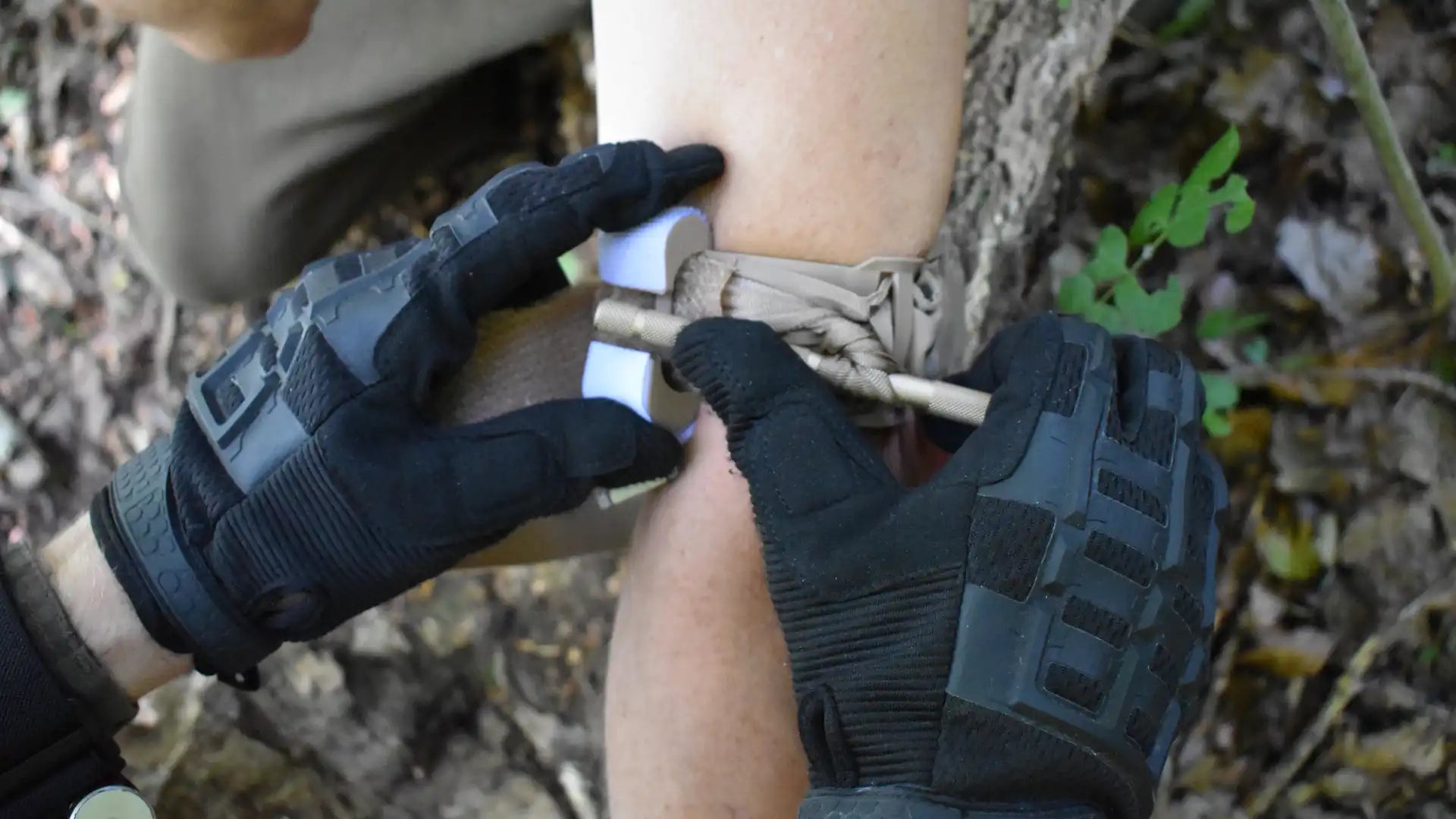
Preparedness is not just about owning equipment; it’s about knowing how to use it effectively. Regular practice—both in controlled drills and on shorter hikes—builds confidence and reduces hesitation during real emergencies. Familiarize yourself with accessing the kit while wearing gloves, applying a tourniquet under stress, and interpreting alerts from wearables. Consistent practice ensures that, when a true incident occurs, reaction is instinctive, precise, and timely.
Monitoring and Maintenance
Smart devices require proactive attention. Check battery levels, software updates, and sensor functionality before each hike. Ensure devices maintain skin contact for accurate readings, and keep backup power sources handy. Similarly, inspect the trauma kit for expired or damaged supplies, and reorganize items for ease of access. These small maintenance steps prevent preventable failures when seconds count.
Encouraging Active Preparedness
The key to winter hiking safety lies in action, not fear. By combining layered clothing, a well-organized trauma kit, and wearable technology, hikers create a robust system that mitigates risk and enhances confidence. Incorporating scenario-based practice, continuous monitoring, and equipment checks ensures that preparation translates into effective response. In short, safety is achieved through deliberate planning, active engagement with your gear, and a mindset that treats readiness as a habit rather than a one-time effort.



Deixar comentário
Este site é protegido por hCaptcha e a Política de privacidade e os Termos de serviço do hCaptcha se aplicam.