
2026 Wearable Emergency Gear: Smart Tech for Trauma Preparedness
Why Wearable Tech Matters for Emergency Preparedness
In 2026, wearable emergency gear has moved far beyond counting steps or tracking sleep. Today’s devices are designed not just for fitness—they’re tools that can save lives in emergency situations. From wristbands that monitor heart rate variability and blood oxygen levels to smart patches that detect falls or sudden trauma, wearable gear is becoming an essential part of personal preparedness.
Beyond Smart Watches: Purpose-Built Emergency Gear
Fitness trackers were just the beginning. The latest generation of wearables is purpose-built for real-world emergencies. These devices can automatically detect abnormal vitals, significant impacts, or high-risk movements, alerting both the wearer and designated contacts in real time. Unlike generic health apps, purpose-built emergency wearables prioritize speed, reliability, and actionable alerts that help users take immediate protective action.
How Real-Time Data Changes First Response
Emergency decisions often hinge on the first few minutes—and real-time data can make those minutes count. A sudden drop in blood oxygen, an erratic heartbeat, or a fall detected in remote terrain can trigger instant alerts, guiding users to apply bleeding control, call EMS, or stabilize a patient. For technology-minded users, this data-driven approach isn’t just convenient—it’s transformational. It shifts emergency preparedness from reactive guesswork to proactive intervention, making first response faster, smarter, and more precise.
Wearable emergency tech represents a convergence of health monitoring, predictive analytics, and practical action. For outdoor adventurers, road travelers, or anyone interested in advanced safety, understanding how these devices work—and how to integrate them with traditional trauma kits—is the first step toward smarter, data-driven preparedness.
Core Wearable Emergency Gear in 2026
The wearable emergency landscape of 2026 is both diverse and highly specialized. Today’s devices go far beyond basic activity tracking, offering features designed specifically to support first response and trauma preparedness. From wrist-worn monitors to chest patches and smart clothing, these tools are built to detect critical health events, alert users, and provide actionable guidance—often before traditional symptoms become apparent.
Biometric Sensors: Heart Rate, SpO2, and ECG
Modern wearables continuously monitor vital signs, including heart rate, blood oxygen saturation (SpO2), and even electrocardiograms (ECG) in some devices. Sudden deviations in these readings—like rapid drops in oxygen or irregular heartbeat patterns—can trigger immediate notifications. In practical terms, this means a hiker experiencing internal bleeding or a driver under stress can be alerted to take action or call for help before a crisis escalates.
Fall Detection & Automated Alerts
Falls remain one of the most common triggers for emergency trauma, especially in outdoor or home settings. Advanced wearables now detect impacts, sudden posture changes, and unusual movements, automatically sending alerts to emergency contacts or EMS. This feature is invaluable when users are alone or in remote locations, bridging the gap between accident and response with seconds that could save lives.
Low-Energy Designs for Extended Outdoor Use
Portability and reliability are critical for any emergency wearable. Today’s devices are designed for low energy consumption, allowing for days or even weeks of continuous monitoring. Combined with waterproofing, durable materials, and compact form factors, users can wear them throughout outdoor adventures, road trips, or daily life without worrying about battery drain or environmental damage.
In short, 2026 wearable emergency gear emphasizes continuous monitoring, intelligent alerts, and practical usability. When integrated thoughtfully, these devices don’t just provide data—they empower users to respond quickly, maintain safety in high-risk situations, and complement traditional trauma kits for a holistic approach to personal emergency preparedness.
AI & Data Integration in Trauma Response
The true power of wearable emergency gear emerges when it connects with intelligent systems. In 2026, AI-driven algorithms don’t just collect data—they analyze it in real time, predicting potential health risks and alerting users before problems escalate. By integrating wearables with smartphones, cloud platforms, and emergency networks, personal safety becomes smarter, faster, and more proactive.
Predictive Analytics for Injury Risk
Advanced AI models use historical and real-time biometric data to identify patterns that may indicate an impending crisis. Rapid heartbeat changes, irregular oxygen levels, or movement anomalies can trigger alerts suggesting a high-risk scenario—like a potential fall, cardiac stress, or internal trauma. This predictive insight gives users a crucial head start, turning passive monitoring into active prevention.
Automated Emergency Notifications
When the system detects a critical event, automated notifications can be sent instantly to EMS, family members, or a pre-set support network. In practical terms, a hiker who falls alone or a driver experiencing sudden cardiac stress can have help alerted without lifting a finger. These notifications include location data, vital signs, and even incident context, ensuring first responders arrive prepared and informed.
Wearable + Smartphone/Cloud Ecosystems
Integration with apps and cloud services enhances usability and data accessibility. Users can review trends, set personalized alert thresholds, and share relevant health information with caregivers or medical providers. Beyond emergencies, this ecosystem provides ongoing monitoring and actionable insights, blending everyday wellness tracking with high-stakes trauma preparedness.
Hybrid Kits: Integrating Wearables with Traditional Trauma Gear
Wearable technology isn’t a replacement for traditional trauma kits—it’s an enhancement. In 2026, the smartest approach to emergency preparedness combines data-driven wearables with proven hands-on tools, creating a hybrid system that leverages the strengths of both.
When to Rely on Sensors vs Manual Assessment
Wearables excel at continuous monitoring and rapid alerts, but they cannot fully replace human assessment. A sudden spike in heart rate or a fall alert indicates a potential issue, but responders still need to visually evaluate the injury, check for uncontrolled bleeding, and apply manual interventions. The key is balance: let the sensors guide your initial response, then verify and act using traditional trauma tools.
Syncing Wearable Alerts with First Aid Response
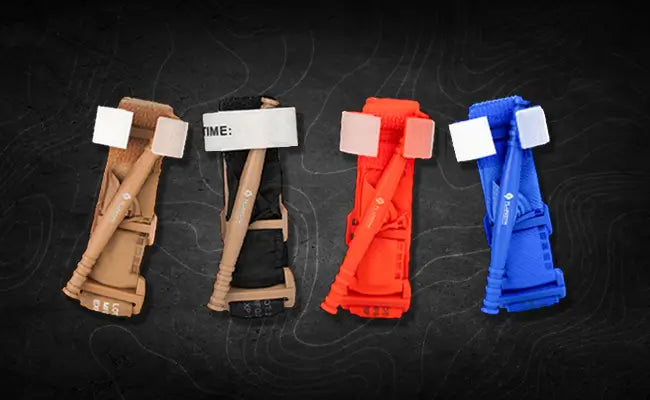
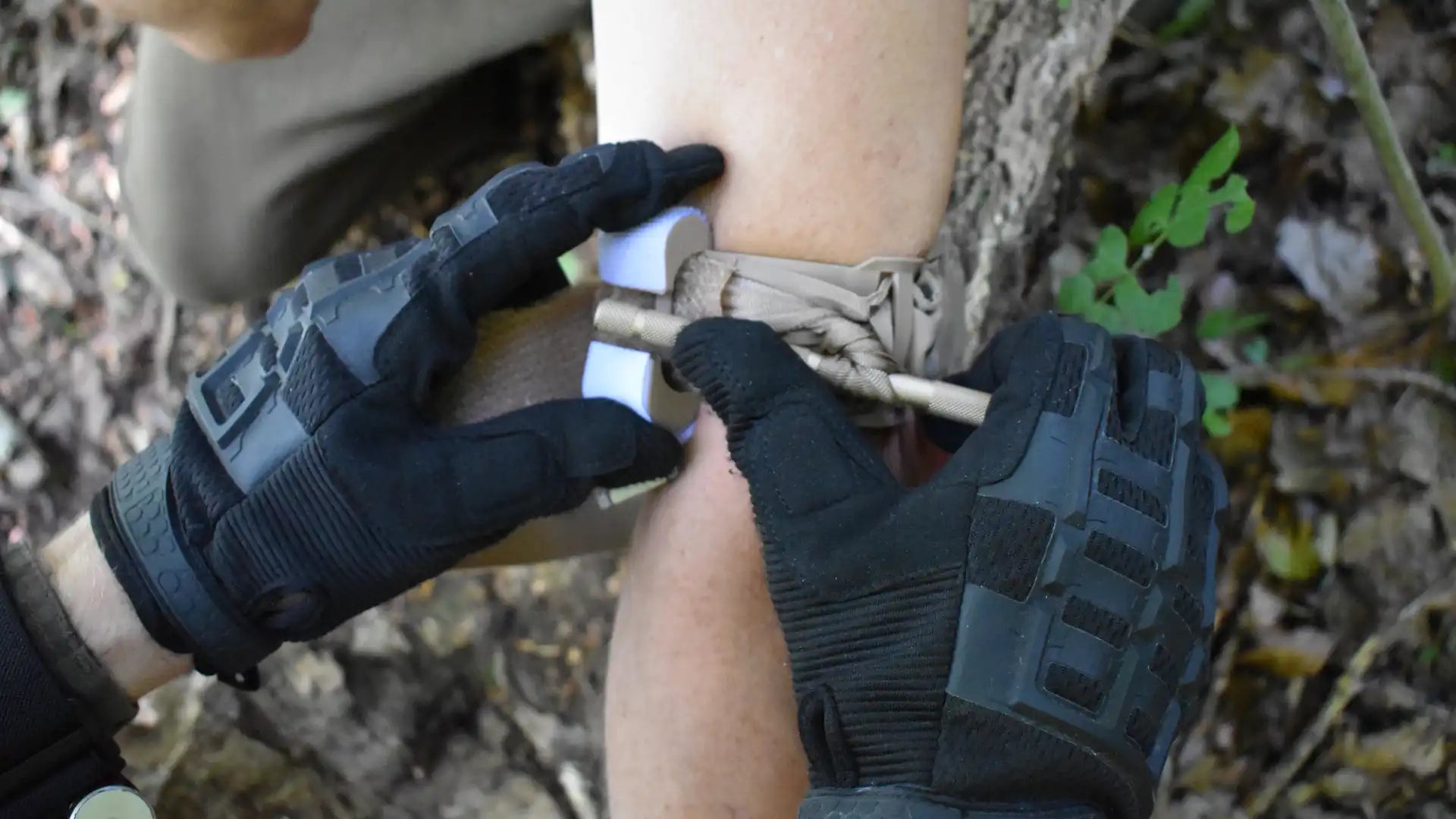
Imagine this scenario: your smart wristband detects heavy bleeding on your leg and sends an immediate alert. Armed with this real-time information, you reach for a tourniquet from your trauma kit and apply it correctly within minutes. By syncing wearable notifications with on-hand first aid procedures, response becomes faster, more precise, and less prone to oversight—even in high-stress situations.
Practical Kit Layout for Tech-Enhanced Emergencies
To make hybrid kits effective, organization is critical. Place the trauma kit within easy reach, and ensure your wearable device is always active and synced with your emergency contacts or companion app. Group items logically: tourniquets, hemostatic gauze, and gloves should be readily accessible for injuries indicated by sensor alerts. This setup turns real-time data into immediate action, bridging technology and hands-on care seamlessly.
Outdoor & Travel Applications
Wearable emergency technology isn’t limited to urban settings—it shines in remote and dynamic environments. For hikers, campers, and travelers, these devices provide a layer of safety that traditional trauma kits alone cannot achieve.
Remote Hiking & Adventure Scenarios
In the backcountry, help is often minutes—or even hours—away. Wearables equipped with fall detection, heart rate monitoring, and GPS can alert rescuers instantly when an incident occurs. Combined with environmental sensors tracking temperature, humidity, or altitude, users gain actionable insights that help prevent injuries before they escalate.
Road Trip & Family Travel Monitoring
Long drives and family trips carry their own risks: fatigue, sudden health events, or accidents. Smart devices can monitor driver alertness, detect irregular heart rhythms, and provide real-time notifications if a passenger experiences a medical event. These alerts allow travelers to take preventive measures or respond swiftly using their trauma kit.
Safety for Solo Travelers
For those venturing alone, wearable technology functions as both a watchdog and a lifeline. Continuous monitoring and automated alerts mean that if a solo hiker slips on a trail or experiences a sudden health crisis, help can be summoned immediately, even when no one else is present. The device acts as a bridge, connecting the individual to emergency networks until professional assistance arrives.
Common Misconceptions & Pitfalls
Wearable emergency technology offers unprecedented convenience, but it is not a magic solution. Understanding its limits is critical for effective preparedness.
Tech ≠ Replacement for Skills
Even the most advanced wearable device cannot replace hands-on knowledge. Knowing how to apply a tourniquet, pack a wound, or perform basic first aid remains essential. Devices can guide or alert, but the user must still make decisions and act decisively. Overestimating technology can leave beginners unprepared in situations where sensors or algorithms cannot fully assess the scene.
Overreliance on Alerts
Many users assume alerts alone are enough. A notification of high heart rate or fall detection is only useful if the user responds appropriately. Ignoring situational awareness or waiting for confirmation from a device can waste precious minutes. Wearables are a complement—not a substitute—for judgment and action.
Battery, Connectivity, and Reliability Issues
Wearables depend on power, network connectivity, and device integrity. A drained battery, a lost signal, or a software glitch can render a device useless at the worst possible moment. Regular checks of battery levels, firmware updates, and compatibility with emergency contacts or apps are essential. Reliability comes from preparation, not assumption.
Developing Smart Emergency Habits
Owning wearable emergency gear is only the first step. Real preparedness comes from integrating these tools into routine practice and scenario-based drills, ensuring that data and alerts translate into effective action when it counts.
Routine Wearable Checks
Regularly inspect your devices to confirm battery life, sensor accuracy, and firmware updates. Just as you would check a traditional trauma kit, wearable gear requires consistent attention to remain reliable. Small, routine checks prevent failures when emergencies occur.
Integrating Data into Emergency Drills
Use the information provided by your wearables to enhance hands-on practice. For example, simulate a fall or bleeding scenario and respond using your device’s alerts. Observing heart rate spikes or activity data in real-time teaches you how to remain calm, prioritize actions, and make faster decisions under pressure.
Gradual Adoption for Maximum Preparedness
Begin with simple integration: familiarize yourself with a single device, practice a few key alerts, and combine it with your trauma kit basics. Over time, layer in more sensors, environmental monitors, or AI features. Incremental adoption ensures you retain control, avoid overwhelm, and maximize the effectiveness of both technology and traditional skills.
By turning wearable technology into habitual practice rather than passive ownership, users cultivate a tech-enhanced readiness that is practical, reliable, and stress-tested. Small, consistent steps—routine checks, scenario integration, and gradual expansion—compound into substantial preparedness gains, ensuring that when emergencies strike, you are ready to respond intelligently and confidently.



1 comentário
Two things…
Your website is excellent
I’m a retired LEO and EMT who still teaches firearms and first aid for a large security firm. Funding for gear is always a challenge. Your products appear to be of sufficient quality to meet out needs at prices that don’t shock the budget. Time will tell, but I’m optomistic.
Keep up the good work.
Michael King
Deixar comentário
Este site é protegido por hCaptcha e a Política de privacidade e os Termos de serviço do hCaptcha se aplicam.