
SE IFAK Trauma Kit Premium Stop the Bleed Gear Guide
SE IFAK Trauma Readiness
Why Premium Trauma Gear Exists
Premium trauma gear exists because severe injury is not a forgiving environment. A tourniquet that slips, a pouch that cannot be opened with shaking hands, gauze that is too small to pack a wound, or a layout that forces you to dig through clutter can waste the only time the patient has. A Tactical First Aid Kit should be judged by performance under stress, not by how complete it looks on a clean table.


The Difference Between Basic First Aid and Emergency Trauma Care
Basic first aid is built around minor injury management: cleaning, covering, cooling, and comforting. That matters for everyday life, but it does not solve catastrophic bleeding. Emergency Trauma Care is different. It prioritizes life threats in order: massive bleeding first, airway and breathing threats next, circulation and shock after that, and hypothermia prevention throughout the process. The kit must support that order physically.
This is why a serious IFAK places tourniquets, gloves, gauze, and pressure dressings ahead of minor-care items. If a person is bleeding heavily from the leg, an adhesive bandage is irrelevant. If a deep wound is pouring blood from the groin or armpit, the responder needs wound packing material and sustained pressure. If the patient is losing heat on pavement after a crash, the responder needs thermal protection, not a tiny packet of ointment.
Why SE-Level Organization Matters Under Stress
Stress punishes bad organization. When adrenaline spikes, the responder loses fine motor precision and complex decision-making becomes harder. A cluttered pouch creates a secondary emergency: the responder is now fighting the kit while trying to save the patient. A SE IFAK Trauma Kit should be staged so the first item your hand finds matches the first medical priority.
Exterior or rapid-access tourniquet placement supports the M phase of M.A.R.C.H. Protected internal gauze supports wound packing. Pressure dressings maintain compression. Gloves and shears support scene safety and exposure. Thermal layers support shock prevention. This is not random packing. It is a physical version of the responder's mental checklist.
@media screen and (max-width: 767px) { .bggle_spacer[section-id="1796000011501"] {height: 30px !important;}}
.bggle_spacer[section-id="1796000011501"] .bggle_line {height: 1px;width: 200px;max-width: 100%;background-color: #888;}@media screen and (max-width: 767px) { .bggle_spacer[section-id="1796000011501"] .bggle_line { width: 80%;max-width: 100%;}}
Inside a SE IFAK Trauma Kit
The contents of a premium IFAK should be selected around injury patterns, not marketing quantity. A 150-piece kit filled with small bandages can still fail against one arterial bleed. A focused SE IFAK Trauma Kit should instead support the interventions most likely to prevent early death: tourniquet application, direct pressure, wound packing, compression, chest wound coverage, and hypothermia control.
Massive Hemorrhage Control
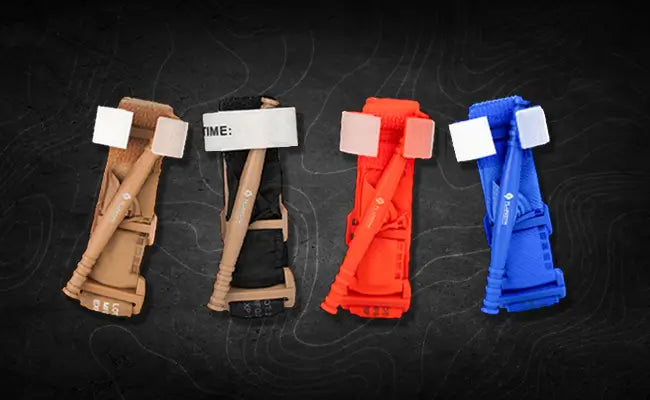
Massive hemorrhage is the first problem because it can become fatal faster than most other trauma threats. For severe arm or leg bleeding, a quality windlass tourniquet can provide rapid mechanical occlusion. For deep wounds in areas where a tourniquet cannot be applied, gauze packing and sustained direct pressure become the priority. A Premium Stop the Bleed Kit should include both solutions because trauma does not always choose a convenient limb location.
Tourniquet quality matters. The windlass must resist flexing. The strap must route cleanly. The buckle and securing system must hold under pressure. The responder should be able to apply the device with one hand if necessary. A tourniquet that looks similar to a proven model but fails under torque is not a bargain; it is a liability hidden inside your emergency plan.
Gunshot Wound Trauma Kit Priorities
A Gunshot Wound Trauma Kit must account for more than one injury pattern. A bullet wound to the thigh may require a tourniquet. A wound high in the groin may require packing. A wound to the chest may require appropriate chest sealing equipment. Fragmentation or secondary glass injury may create multiple lacerations that require gloves, shears, gauze, and repeated reassessment. The kit must be versatile without becoming bloated.
The most dangerous mistake is building a gunshot kit around only one tool. A tourniquet is essential, but it does not solve every wound. Gauze is essential, but it does not replace a tourniquet for severe limb bleeding. Chest seals are valuable, but they do not stop external hemorrhage. A complete Tactical First Aid Kit brings these tools together in a layout that supports rapid selection without overthinking.
| SE IFAK Priority | Core Tool | Why It Matters |
| Severe Limb Bleeding | Windlass tourniquet | Provides fast mechanical control when pressure alone is not enough. |
| Deep Junctional Wounds | Hemostatic or compressed gauze | Allows wound packing where a tourniquet cannot be placed effectively. |
| Ongoing Compression | Pressure dressing | Maintains pressure after the initial manual hold. |
| Penetrating Chest Trauma | Chest seal | Supports breathing-focused response for appropriate torso injuries. |
| Shock and Exposure | Emergency blanket | Helps reduce heat loss that can worsen trauma physiology. |
MOLLE Carry, Combat IFAK Logic, and Real Access
- The term Combat IFAK does not mean the kit is only for military use. It means the kit is influenced by combat medical priorities: fast access, rugged mounting, immediate hemorrhage control, and function under extreme stress. Civilians can benefit from the same logic in vehicle accidents, range emergencies, remote outdoor injuries, workplace trauma, and public bleeding events.
Where to Mount a MOLLE Medical Pouch with Tourniquet
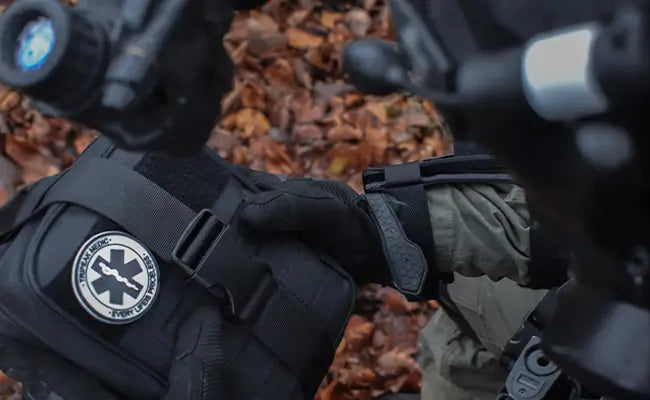
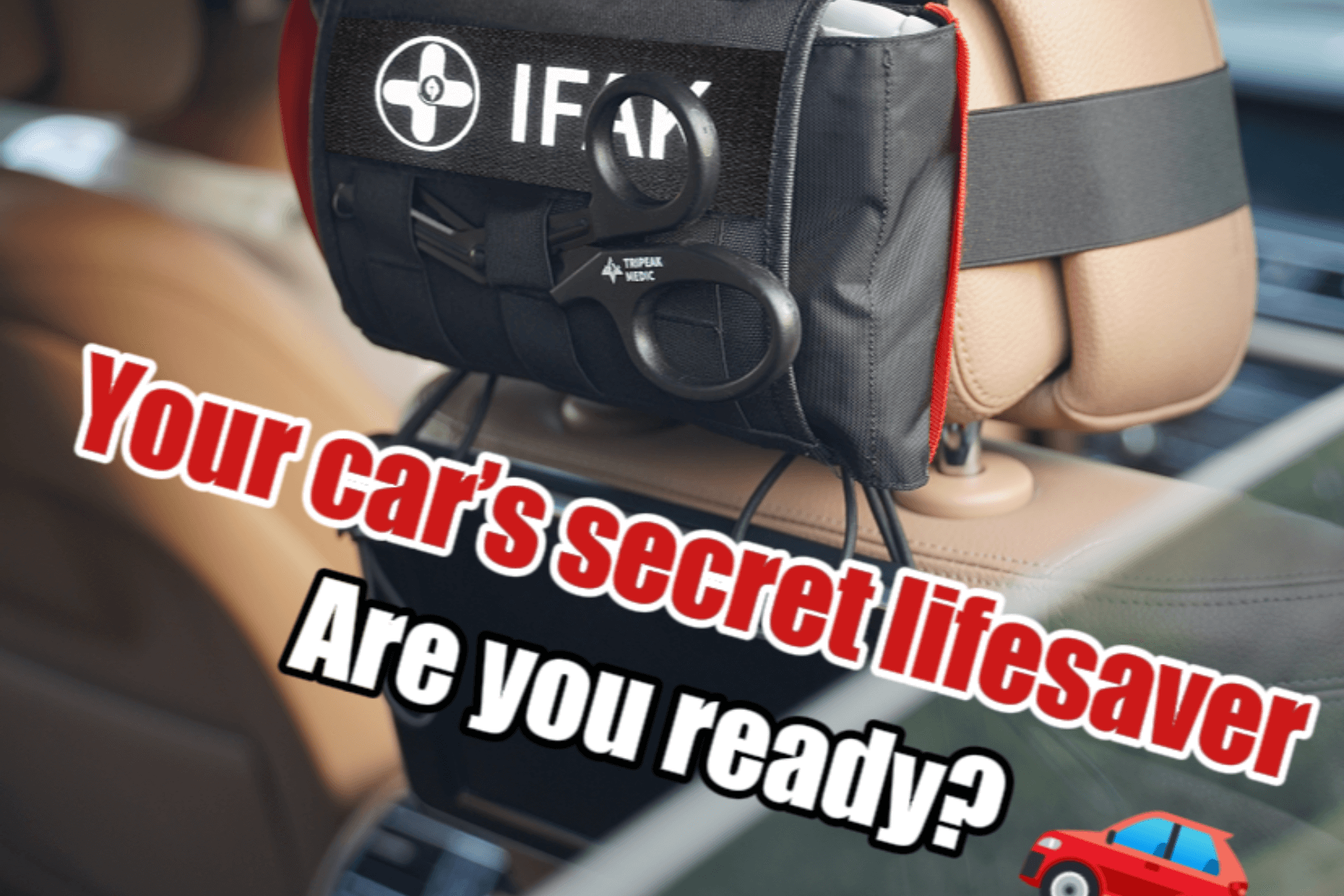
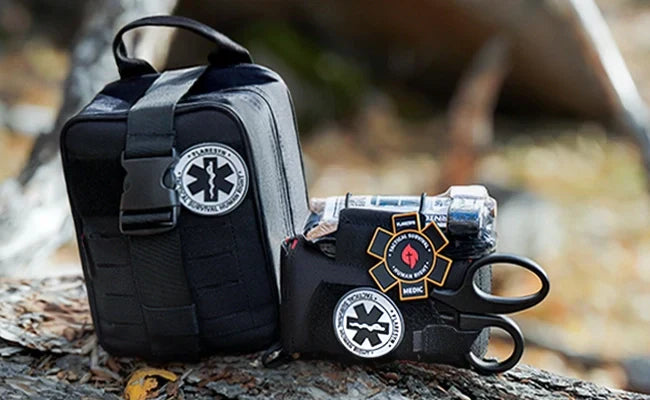
- A MOLLE Medical Pouch with Tourniquet should be mounted where both hands can reach it. On a belt, that may mean rear centerline, support-side placement, or another location tested through movement. On a plate carrier or chest rig, it should not block magazines, radios, or essential tools. On a vehicle or pack, it should remain visible and detachable rather than hidden deep inside a compartment.
- Access must be tested in realistic positions. Can you reach the tourniquet while seated in a vehicle? Can you open the pouch while wearing gloves? Can you find the gauze in low light? Can another person identify the kit on your body if you are injured? A premium pouch should make the answer easier, but the user must still validate the setup through practice.
Training the SE IFAK Workflow
Training turns equipment into capability. Practice pulling the tourniquet from the exact location where you carry it. Practice one-handed application with a dedicated training device. Practice opening gauze packages with gloves on. Practice identifying each component by touch. Practice repacking the pouch the same way every time. The objective is simple: your hands should know the SE IFAK Trauma Kit layout before your brain has time to freeze.
Do not repeatedly train with the same live tourniquet you intend to use in an emergency. Training introduces wear, stretching, hook-and-loop degradation, and possible windlass stress. Mark training devices clearly and keep your live trauma gear sealed, clean, and staged. This separation protects both your muscle memory and your actual emergency readiness.
Inspection should become a routine. Check expiration dates, sterile packaging, adhesive surfaces, elastic tension, and pouch attachment points. Vehicle heat, range dust, sweat, moisture, and compression can degrade medical supplies over time. A Premium Stop the Bleed Kit deserves the same seriousness you would give to any other life-critical tool.
Conclusion
A SE IFAK Trauma Kit is not about owning the most dramatic piece of gear. It is about building a compact, organized, and reliable response system for the injuries that punish hesitation. Severe bleeding, penetrating trauma, shock, and exposure do not wait for perfect conditions. The kit must be ready before the scene becomes chaotic.
The premium advantage is not simply better materials. It is better sequencing. A well-designed Tactical First Aid Kit helps the responder move through the first priorities of care without dumping supplies onto the ground or searching blindly through a pouch. It gives every component a reason, a place, and a purpose.
FlareSyn™ trauma systems are built for people who understand that readiness is measured in seconds. Upgrade beyond basic first aid. Choose a Gunshot Wound Trauma Kit and MOLLE-ready IFAK system that supports real bleeding control, real carry, and real-world emergency response. When life narrows down to the next decisive action, your gear should already know the job.
Q: What makes a SE IFAK Trauma Kit different from a basic first aid kit?
A: A basic first aid kit is usually designed for minor cuts, scrapes, and comfort care. A SE IFAK Trauma Kit is built around immediate life threats such as severe bleeding, deep wounds, penetrating trauma, and shock. It prioritizes tourniquet access, wound packing, pressure dressings, gloves, and organized deployment.


Elias.H.Hwang
Elias H. Hwang is a tactical medicine expert and lead contributor at FlareSyn. He specializes in emergency trauma protocols and preparedness education, helping civilians and professionals alike master the tools and skills needed to save lives in critical moments.

Deixar comentário
Este site é protegido por hCaptcha e a Política de privacidade e os Termos de serviço do hCaptcha se aplicam.