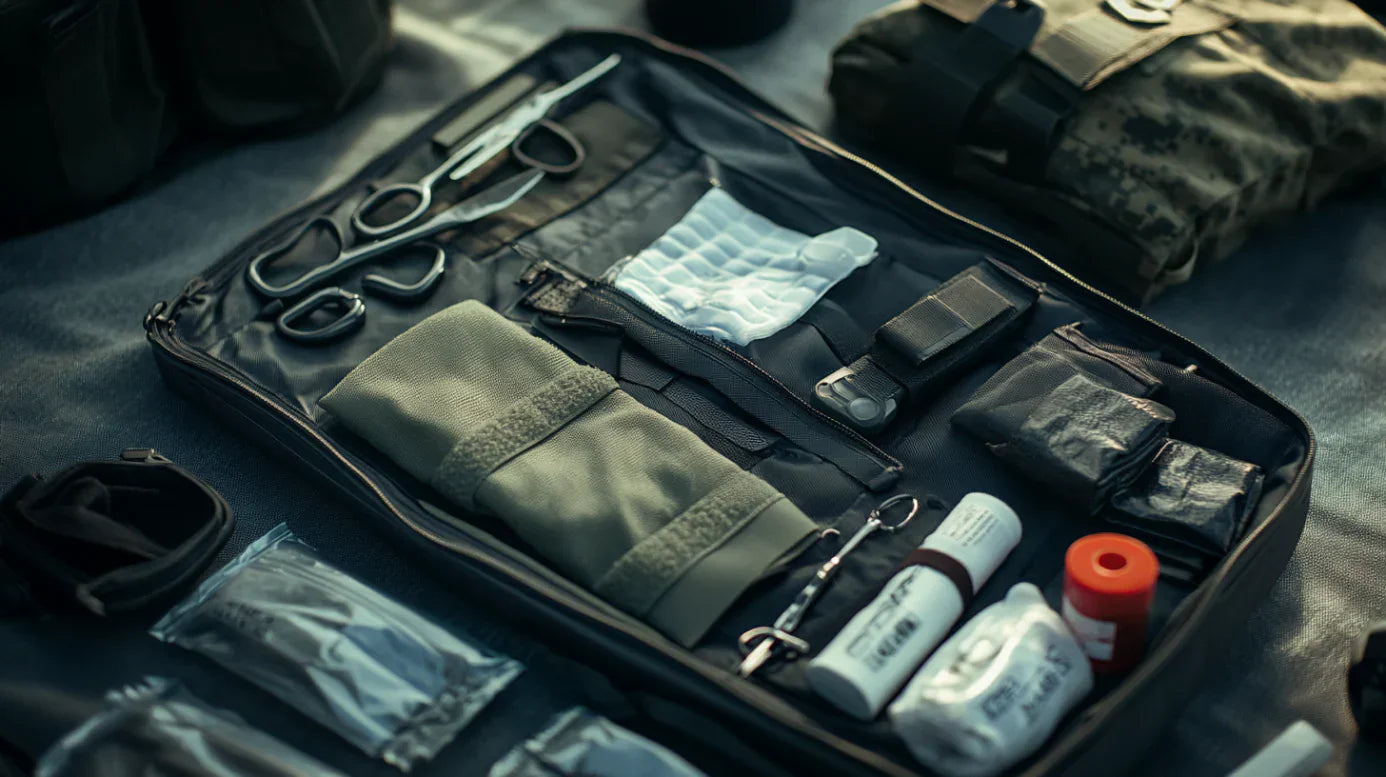
Why Every Household Should Have a Tactical Medical Kit
Emergencies can occur at any time. From minor accidents to life-threatening injuries, the need for immediate medical care is often urgent. However, when disaster strikes, help might not be immediately available. This is where having the right equipment, like a tactical medical kit, can make all the difference. A tactical medical kit is designed to handle severe trauma and life-threatening injuries. It's equipped with advanced medical tools that go beyond the basic band-aids and painkillers of a typical first aid kit. Whether it's a cut, bleed, or airway obstruction, these kits give you the tools to treat the injury until professional help arrives.
What is a Tactical Medical Kit?
A tactical medical kit is a specialized first aid kit designed to treat life-threatening injuries or severe trauma that may occur in high-risk environments. Unlike standard first aid kits, which are equipped to handle minor injuries like scrapes, cuts, or bruises, these kits are packed with advanced tools that are used in critical care situations.
These kits are widely used by military personnel, law enforcement, and first responders, but they are just as beneficial for everyday households. In a home emergency like a serious fall, bleeding, or heart attack, having the right tools available can be the difference between life and death.
Why Tactical Medical Kits Are Necessary in Households:
-
Increased risk of trauma injuries: Accidents like falls, cuts, and burns can occur at any time, especially in busy homes with children, elderly members, or pets.
-
Not just for first aid: These kits are specifically designed for severe injuries that may require advanced interventions, such as tourniquets, chest seals, and airway management tools.
Key Features:
The primary difference between a tactical medical kit and a regular first aid kit lies in the types of injuries it’s meant to address and the level of care required. Here's what you can expect to find in a tactical medical kit:
-
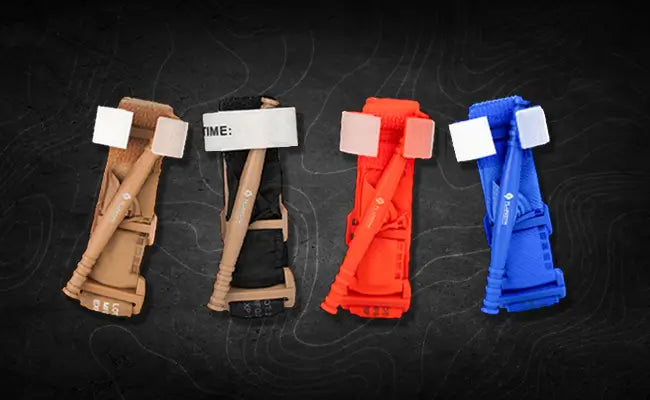
Tourniquets: Essential for controlling severe bleeding, particularly from limbs.
-
Hemostatic Gauze: Designed to stop bleeding and promote blood clotting quickly.
-
Chest Seals: Used for sucking chest wounds to prevent air from entering the chest cavity.
-
Airway Management Devices: For opening airways during situations like choking or respiratory distress.
-
Pressure Bandages: To cover large wounds and stop bleeding.
-
CPR Masks: For safely performing CPR, ensuring no direct contact is needed.
These tools are designed to provide advanced trauma care in scenarios where professional medical help might be delayed or unreachable. Whether you're dealing with internal bleeding, airway issues, or serious burns, a it contains everything you need to stabilize someone and buy time until emergency responders can arrive.
Why Every Household Should Have a Tactical Medical Kit
Emergencies are unpredictable, and when they occur in your home, every second counts. Whether it’s a slip and fall, a sudden heart attack, or a severe allergic reaction, having a tactical medical kit at the ready is critical for providing immediate care. These kits are designed to manage life-threatening injuries until professional medical help arrives, ensuring that the person affected stays as stable as possible.
What Makes Tactical Medical Kits Vital for Households?
-
Time-Sensitive Emergencies: In life-threatening emergencies, professional help might be far away, especially in rural or isolated areas. In severe trauma, a victim can bleed out in less than five minutes. Having a kit at home allows you to follow the M.A.R.C.H. protocol, which prioritizes the most immediate threats to life.
-
Advanced Trauma Care: Tactical kits are equipped with advanced tools that standard first aid kits lack, such as tourniquets, chest seals, and airway management devices. These items are essential for handling severe trauma, and having them at home provides a higher level of preparedness for critical situations.
-
Preparedness for a Wide Range of Emergencies: Whether it’s a fire, earthquake, or violent crime, these kits offer a level of preparedness that general kits cannot match. They can treat severe trauma, manage airway obstructions, or stabilize individuals until paramedics arrive, regardless of the emergency type.
Real-World Use Cases of a Tactical Medical Kit at Home
Understanding how a tactical medical kit can save lives in real-world scenarios highlights its importance in every household. Here are some examples:
Home Accidents
-
Slips, Trips, and Falls: A simple fall can lead to deep cuts, fractures, or even head trauma. A tactical kit allows you to stop bleeding quickly, immobilize limbs, and manage wounds until professional help arrives.
-
Severe Bleeding from Cuts or Punctures: Whether caused by sharp objects like knives, glass, or tools, serious cuts can result in heavy bleeding. A tactical medical kit’s tourniquet and hemostatic dressing are designed to control life-threatening bleeding.
Trauma and Severe Injuries
-
Car Accidents: If a family member is involved in a car crash, bleeding can be rapid, and fractures may occur. Having a tactical kit with tourniquets, splints, and CPR masks allows immediate care before emergency responders arrive.
-
Severe Allergic Reactions: If someone in your household suffers from anaphylaxis, having epinephrine injectors and airway management tools can mean the difference between life and death. The tactical medical kit provides these life-saving tools, allowing you to manage the reaction until help arrives.
Medical Emergencies at Home
-
Heart Attacks and Strokes: In case of a heart attack or stroke, a tactical kit helps by giving you tools to perform CPR, stabilize breathing, and manage severe medical conditions before help arrives. The CPR mask and airway management tools are particularly useful in these situations.
How Tactical Medical Kits Provide a Sense of Security and Self-Sufficiency
A tactical medical kit is an investment in family safety and self-reliance. When faced with an emergency, it can be empowering to know that you have the necessary tools to act quickly and effectively.
Self-Reliance in Emergencies
Knowing that you can stabilize an injury or treat a severe wound before professional help arrives gives you the confidence to handle critical situations with composure. Whether it’s a cut or chest wound, having a well-stocked tactical medical kit means you can respond quickly without panic. In many medical emergencies, waiting for help can feel like a lifetime. A medical kit helps you take control of the situation, whether it’s performing CPR, controlling bleeding, or stabilizing an injury.
Peace of Mind
Having a tactical kit at home gives peace of mind to the entire family. It’s a reassurance that in an emergency, you’ll have the tools and resources to act quickly, whether you're dealing with a minor injury or something far more serious. It’s particularly valuable in households with children or elderly family members, where the risk of accidents is higher.
Tactical Medical Kits for Non-Tactical Households
While tactical medical kits are often associated with military personnel and first responders, they’re incredibly valuable for non-tactical households as well. Even in non-combat situations, these kits can handle severe trauma and complex injuries far better than a standard first aid kit.
Why Non-Tactical Households Should Consider a Tactical Kit
-
General Household Preparedness: Whether you live in an urban or rural area, accidents can happen anywhere. The tools in this kit ensure you're ready for a variety of emergencies, from minor cuts to life-threatening trauma.
-
A Safer Home Environment: For households with children, elderly members, or anyone at risk of injury, a tactical medical kit ensures that you’re prepared to address serious injuries immediately. This might include fall-related fractures, allergic reactions, or burns.
How Tactical Kits Provide More than Standard First Aid
A standard first aid kit is often limited to Band-Aids, painkillers, and gauze. Tactical medical kits, on the other hand, include advanced tools like tourniquets and airway devices that are designed to manage critical trauma. This makes them more appropriate for emergencies where immediate medical care is needed. By stocking professional-grade Flaresyn gear and following a verified first aid kit checklist, you ensure that your household is a place of safety, even in a crisis.
Where to Store Your Tactical Medical Kit
Storing your medical kit in the right location is as important as the kit itself. When it comes to emergency preparedness, accessibility is key. Your kit should be easily accessible but stored in a safe, organized manner so that it can be quickly grabbed during an emergency.
1. Home Placement
-
Central Location: Place your medical kit in a central area within your home, such as the kitchen or bathroom. These are typically the areas where injuries and accidents happen most frequently.
-
Near Emergency Exits: For added convenience, store the kit near emergency exits or common entryways, ensuring it’s readily available when you need to evacuate in an emergency.
2. Car Placement
If your family spends time in the car, having a portable tactical medical kit is crucial for roadside emergencies. Store the kit in your vehicle trunk, glove compartment, or back seat, ensuring it's easily accessible in case of an accident or breakdown.
3. Outdoors and Camping
For families who love outdoor adventures, consider keeping a medical kit in your camping gear or hiking backpack. This will ensure you are well-prepared for any medical issues during outdoor excursions.
How to Maintain Your Tactical Medical Kit
A tactical medical kit is only effective if the contents are up to date and in working condition. Regular maintenance is key to ensuring that the kit is ready for use when needed.
1. Routine Checks
Every 6 months, take the time to check the following:
-
Expiration dates on medications and bandages.
-
Sterility of items like gauze and bandages.
-
Battery-operated tools (e.g., flashlights, CPR masks).
Ensure all items are intact and functioning. Replace any expired or damaged supplies immediately.
2. Rotating Supplies
For items with a short shelf life (such as medications or disposable gloves), be sure to rotate them regularly. Replace items that are close to their expiration date so you’re always stocked with fresh supplies.
Real-Life Case Example: How a Tactical Medical Kit Saved a Life
Imagine a scenario where you’re in the middle of a family BBQ in your backyard. One of your children accidentally steps on a nail, and the wound is deep, with heavy bleeding. In this case, having a medical kit nearby could make all the difference. You could immediately apply a tourniquet to stop the bleeding and use pressure bandages to stabilize the injury before the paramedics arrive. This quick action can prevent further complications and reduce the risk of shock, buying you precious time.
Conclusion
In conclusion, every household can benefit from having a tactical medical kit. Whether it’s for personal injuries, family preparedness, or group emergencies, these kits offer comprehensive medical care to address serious trauma and life-threatening injuries. The right kit allows you to act quickly, providing immediate treatment until professional help arrives.
By keeping a medical kit at home, you are not only taking a proactive step toward emergency preparedness but also ensuring your family is ready for the unexpected. Don’t wait for an emergency to happen; start preparing today.
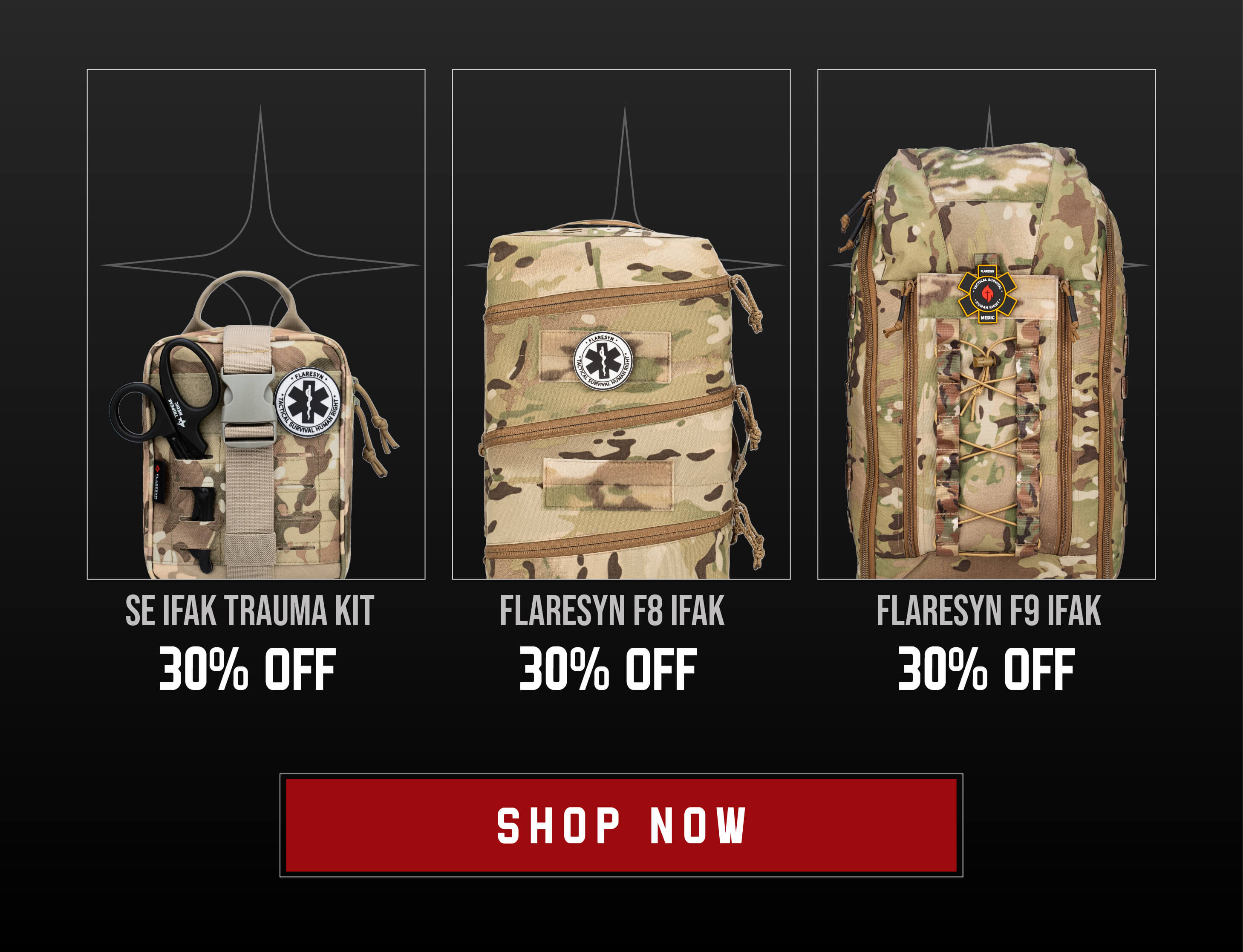
At FlareSyn, we offer a wide range of tactical medical kits designed for household preparedness, family safety, and emergency response. Whether you’re looking for a compact personal kit or a comprehensive group care solution, we have the perfect option for you.