Seasonal First Aid Challenges: How Weather Affects Trauma Response
Reviewed and Updated: July 18, 2026
An injury does not happen in isolation. A bleeding wound in freezing weather, a fall during a thunderstorm, or heat illness on a remote trail creates additional dangers that a standard first aid response may not fully address. Weather can delay emergency services, expose the injured person to dangerous temperatures, damage medical supplies, and put the responder at risk. Effective seasonal first aid means treating the immediate injury while also controlling the environmental conditions that could make it worse.
This guide explains how winter cold, spring storms, summer heat, fall temperature changes, and wet conditions affect trauma response. It also shows how to adjust a home, workplace, vehicle, or outdoor trauma kit for year-round use.
Emergency note: Call 911 for life-threatening bleeding, breathing difficulty, unconsciousness, suspected heatstroke, severe hypothermia, serious burns, major fractures, lightning injuries, or any rapidly worsening condition. First aid supports an injured person until professional care becomes available; it does not replace medical treatment.
Why Seasonal Conditions Change First Aid Response
The basic priorities of emergency care remain the same throughout the year, but weather can change how safely and effectively those priorities are managed. A responder may have to control bleeding while protecting the patient from cold ground, move someone away from lightning or floodwater, or begin rapid cooling during a heat emergency.
Weather Can Create a Second Emergency
A person may initially suffer a cut, fall, vehicle injury, or penetrating wound, but continued exposure can produce another serious problem. Cold and wet clothing may contribute to hypothermia, direct sunlight may intensify heat illness, and unstable terrain may cause additional falls.
Before beginning care, identify immediate environmental threats such as:
- Moving traffic
- Fire or smoke
- Lightning
- Floodwater
- Unstable ice
- Falling branches or debris
- Extreme heat or cold
- Electrical hazards
- Chemical exposure
Move the person only when remaining in place creates a greater immediate danger, unless emergency professionals direct otherwise.
Weather Can Delay Emergency Medical Help
Snow, ice, floods, storms, wildfire conditions, road closures, and remote terrain can increase the time required for emergency responders to reach an injured person. Seasonal preparedness must therefore include communication, location details, shelter, lighting, and enough supplies to provide care during a longer wait. People traveling or working outdoors should know their location well enough to communicate it accurately. A street address may not be available on a trail, rural road, worksite, or hunting area, so GPS coordinates, mile markers, trail names, landmarks, or downloaded maps may become important.
Temperature Can Affect the Injured Person
An injured person may lose heat even when the surrounding air does not feel extremely cold. Blood loss, wet clothing, contact with cold ground, wind, shock, and reduced movement can all make temperature control more difficult. In hot weather, direct sun, humidity, protective clothing, physical exertion, and limited airflow may worsen heat stress. The responder must monitor both the original injury and the person’s overall condition rather than focusing only on the visible wound.
Weather Can Damage Medical Supplies
Heat, moisture, freezing conditions, dirt, and ultraviolet exposure may affect adhesives, gloves, elastic materials, liquids, medications, batteries, and sterile packaging. Product storage requirements vary, so medical supplies should be stored and inspected according to the manufacturer’s instructions. A weather-resistant pouch can protect supplies from rain and dirt, but it does not guarantee that every product inside can tolerate prolonged freezing or the extreme heat that develops inside a parked vehicle.
First Aid Priorities That Apply in Every Season
Seasonal conditions may change the approach, but they do not replace the core priorities of emergency response. The first objective is to avoid creating additional casualties, contact emergency services when needed, and address immediate threats to life.
Follow these general priorities:
- Check that the scene is safe enough to approach.
- Use gloves or another suitable barrier when available.
- Check whether the person is responsive and breathing normally.
- Call 911 or direct someone specific to call.
- Identify and control life-threatening bleeding.
- Begin CPR and use an AED when indicated and when trained to do so.
- Protect the person from heat, cold, rain, wind, and the ground.
- Monitor breathing and responsiveness until help arrives.
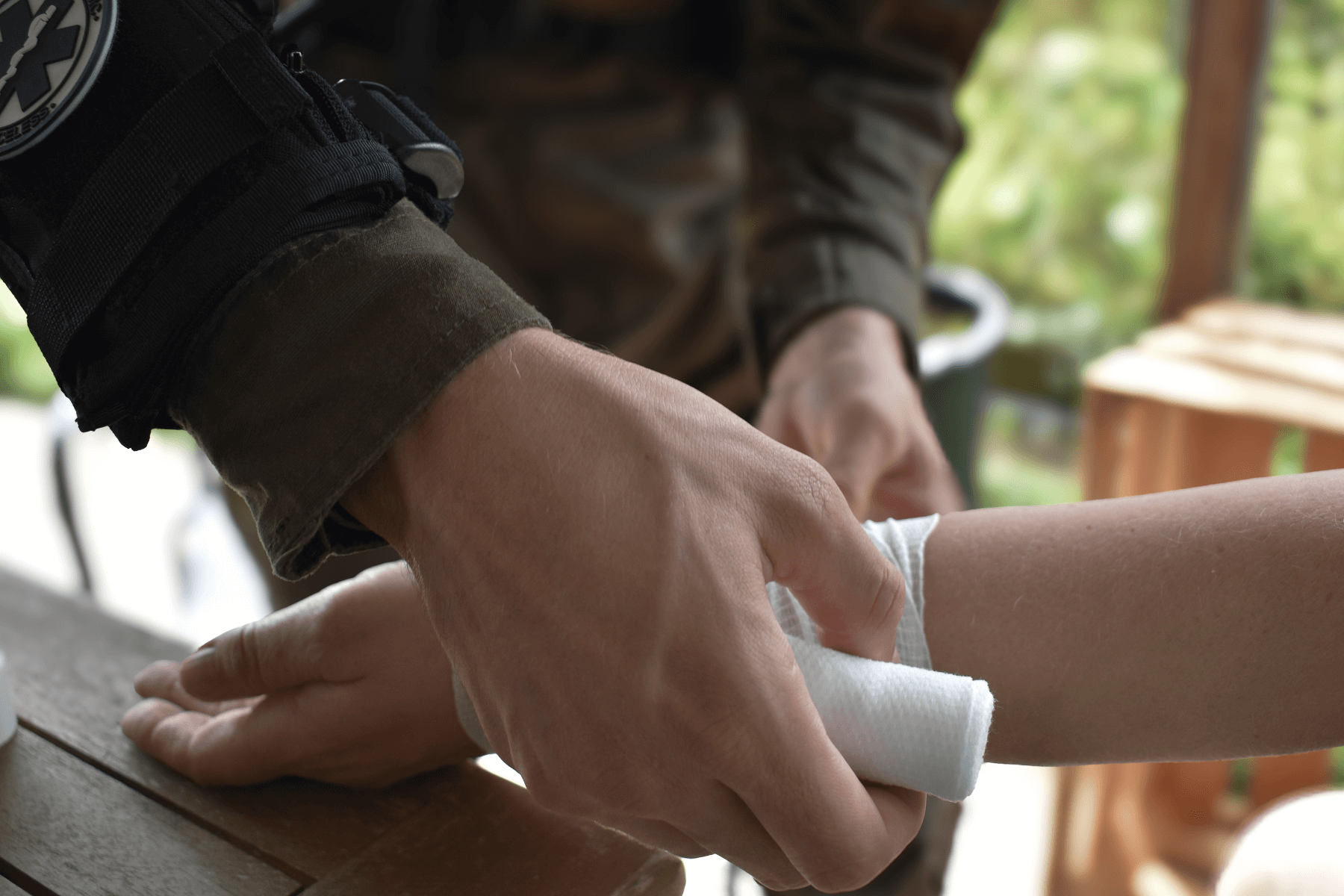
The American College of Surgeons’ Stop the Bleed program teaches three main methods for controlling life-threatening bleeding: applying direct pressure, packing an appropriate wound, and applying a tourniquet when appropriate. Hands-on training is important because emergency equipment is most useful when the responder understands how and when to use it.
Winter First Aid Challenges
Winter emergencies often combine cold exposure with falls, traffic incidents, reduced visibility, and delayed access to medical care. The injured person may be lying on snow, ice, concrete, or frozen ground, so protection from further heat loss should begin as soon as immediate life threats are being addressed.
Hypothermia
Hypothermia develops when the body loses heat faster than it can produce it. It can occur during very cold weather, but the CDC notes that it may also develop at temperatures above 40°F when a person becomes chilled by rain, sweat, or cold water. Warning signs can include shivering, exhaustion, confusion, fumbling hands, memory problems, slurred speech, and drowsiness.
Suspected hypothermia requires prompt medical attention. While waiting for help:
-
Move the person into a warm, dry shelter when it is safe.
-
Remove wet clothing carefully.
-
Replace wet clothing with dry layers or blankets.
-
Insulate the person from the ground.
-
Warm the center of the body, including the chest, neck, head, and groin.
-
Handle the person gently.
-
Do not give drinks to an unconscious or confused person.
-
Continue monitoring breathing and responsiveness.
Do not focus only on warming the hands and feet. Protecting the body’s core is the priority.
Frostbite
Frostbite occurs when skin and underlying tissues freeze. Fingers, toes, ears, nose, cheeks, and other exposed areas are particularly vulnerable. Early pain or redness may progress to numbness, firm or waxy skin, and white or grayish-yellow discoloration. Frostbite should be evaluated by a healthcare professional.
Move the person to a warm location and protect the affected area from additional injury. CDC and NIOSH guidance recommends warming frostbitten tissue with warm—not hot—water or body heat. Do not rub or massage the area, and do not use a stove, radiator, fireplace, heating pad, or heat lamp because numb tissue can be burned easily. Avoid walking on frostbitten feet or toes unless movement is necessary for safety.
Do not thaw frostbitten tissue when there is a realistic risk that it will freeze again. Refreezing can cause additional damage, so evacuation and professional guidance are important in remote environments.
Slips, Falls, and Winter Vehicle Injuries
Ice and snow increase the risk of falls, while reduced visibility and poor road conditions can contribute to vehicle emergencies. A fall may cause a sprain, fracture, head injury, or bleeding wound even when the person initially appears stable. Call 911 for a suspected head, neck, back, hip, or major limb injury, especially when the person has severe pain, confusion, vomiting, weakness, numbness, an abnormal limb position, or cannot safely move. Do not straighten a visibly deformed limb. Keep the person still, control external bleeding, and protect them from the cold while waiting for help.
A winter vehicle kit should be reachable from inside the vehicle rather than stored only beneath luggage or equipment. Ready.gov recommends keeping winter vehicle emergency supplies that include first aid materials, blankets, food, and water in case occupants become stranded.
Winter Trauma Kit Adjustments
A winter kit should help control injuries while reducing heat loss and maintaining access in cold, dark, or wet conditions. It should be packed so that gloves, lighting, bleeding-control supplies, and thermal protection can be reached quickly.
Consider adding or checking:
- Emergency foil blankets
- Dry insulating layers
- Chemical hand warmers used according to their directions
- Waterproof gloves over medical gloves when needed
- Extra nitrile gloves
- Headlamp with spare batteries
- Trauma shears that can cut heavy clothing
- Waterproof outer storage
- A compact ground barrier
- High-visibility markers
- Vehicle location and emergency information
Do not place chemical heat packs directly against injured, numb, or frostbitten skin.
Spring Storm and Wet-Weather First Aid Challenges
Spring weather can change rapidly across the United States. Thunderstorms, tornadoes, heavy rain, flash flooding, mud, and strong winds may create injuries while also making the scene unsafe for responders.
Lightning Injuries
The safest response to lightning is prevention. Move into a substantial building or an enclosed hard-topped vehicle when thunder is heard. Avoid open shelters, isolated trees, exposed ridges, water, metal fencing, and open fields.
A person struck by lightning does not retain an electrical charge and is safe to touch. Call 911 immediately. Lightning can cause cardiac arrest, breathing problems, burns, falls, and neurological injuries. Begin CPR and use an AED when needed and when trained. The National Weather Service advises giving first aid promptly while remaining alert to the possibility of another strike.
Move the person to a safer place only when the current location remains exposed to lightning or another immediate hazard.
Floodwater and Contaminated Wounds
Floodwater may contain sewage, chemicals, sharp debris, and other contaminants. It can hide open drains, unstable ground, electrical hazards, animals, glass, metal, and damaged structures. Avoid entering floodwater to reach an injured person unless you have appropriate training and equipment. Never enter moving floodwater or water near downed power lines.
The CDC recommends keeping open wounds away from floodwater whenever possible. Clean wounds exposed to floodwater with soap and clean water, cover them with a waterproof dressing, and obtain medical attention if redness, swelling, drainage, increasing pain, or other signs of infection develop. Dirty or major wounds can carry an increased tetanus risk. A healthcare professional can evaluate the wound and determine whether tetanus vaccination or other treatment is needed based on the type of injury and the person’s vaccination history.
Rain, Mud, and Slippery Terrain
Wet ground can injure both the patient and the responder. Approach slowly, use stable footing, and avoid kneeling directly in mud, water, roadway runoff, or an unknown substance. Before opening a medical kit, create the driest available work area. Keep sterile items inside their packaging until they are needed, and protect open packages from rain. Once a sterile package becomes wet, torn, contaminated, or partially opened, it should not be returned to the kit for later use.
Spring Trauma Kit Adjustments
A spring kit should protect supplies from water while supporting visibility, wound care, and communication during storm-related emergencies.
- Useful additions include:
- Waterproof or water-resistant medical storage
- Waterproof wound coverings
- Extra sterile gauze
- Additional gloves
- Hand-cleaning supplies
- Headlamp or flashlight
- Spare batteries in a sealed pouch
- Emergency rain protection
- High-visibility vest or marker
- Waterproof notepad and permanent marker
- Battery bank and charging cable
- Local emergency and evacuation information
A weather-resistant pouch protects supplies only when it is closed correctly. Inspect seams, zippers, seals, and inner packaging before storm season.
Summer First Aid Challenges
Summer emergencies are not limited to sunburn and dehydration. High temperatures can affect decision-making, physical performance, and the ability to provide trauma care. Heat illness may occur alongside a wound, fall, vehicle incident, or outdoor injury.
Heat Exhaustion
Heat exhaustion may cause heavy sweating, headache, dizziness, weakness, nausea, thirst, irritability, and an elevated body temperature. The person should stop activity, move to a cooler location, remove unnecessary clothing, and begin cooling. Cool water may be offered in frequent sips when the person is alert, able to swallow, and not vomiting.
Stay with the person and monitor for worsening symptoms. Seek medical evaluation, particularly when symptoms are severe, do not improve, or the person has underlying health risks. Confusion, collapse, seizures, loss of consciousness, or a significant change in mental state may indicate heatstroke rather than simple heat exhaustion.
Heatstroke
Heatstroke is a medical emergency. Call 911 immediately and begin rapid cooling without waiting for emergency responders to arrive. Altered mental status is a critical warning sign, and cooling is the first priority in severe heat illness.
Move the person to shade or an air-conditioned location, remove unnecessary outer clothing, and cool the body with available safe methods such as cool water, wet cloths, airflow, or cold packs placed around areas such as the neck, armpits, and groin. Do not force fluids into a person who is confused, unconscious, vomiting, or unable to swallow safely. Continue cooling and monitor breathing until professional help arrives.
Trauma Response During Extreme Heat
Heat can affect the responder as well as the patient. Carrying equipment, kneeling on hot pavement, wearing protective clothing, and working in direct sunlight increase physical strain.
When possible:
- Move into shade without delaying urgent care.
- Keep emergency vehicles ventilated when safe.
- Rotate responders during prolonged incidents.
- Use gloves but avoid unnecessary heat-trapping layers.
- Keep drinking water separate from medical supplies.
- Protect the patient from hot pavement or metal surfaces.
- Monitor team members for confusion, weakness, or dizziness.
A patient with severe bleeding may still need protection from excessive heat, but controlling the life-threatening bleed and contacting emergency services remain immediate priorities.
Summer Trauma Kit Adjustments
A summer medical kit should address heat illness, minor outdoor injuries, and trauma while protecting temperature-sensitive items from prolonged heat exposure.
Consider including:
- Instant cold packs
- Oral rehydration or electrolyte products for appropriate non-emergency use
- Additional water stored separately
- Burn dressings
- Sterile wound-cleaning supplies
- Insect-sting supplies appropriate to the user
- Emergency shade or a compact tarp
- Sunscreen stored separately from sterile supplies
- Extra gloves
- A digital thermometer if appropriate
- A battery-powered fan for planned events or worksites
Review every product’s storage limits. Do not assume that vacuum-sealed packaging protects an item from continuous vehicle heat.
Fall First Aid Challenges
Fall often brings cooler evenings, shorter daylight hours, changing weather, hunting seasons, road travel, hiking, and outdoor work. The main challenge is unpredictability: a warm afternoon may become a cold, wet night before an injured person can reach shelter or medical care.
Rapid Temperature Changes
People may begin an activity dressed for mild daytime conditions and become unprepared after sunset, rain, or a sudden cold front. An injury that prevents walking can turn a short delay into prolonged cold exposure. Fall kits should include thermal protection even when freezing weather is not expected. A compact blanket, rain layer, light source, and emergency communication method provide more value than relying on the original trip ending on time.
Reduced Daylight and Visibility
Shorter days increase the likelihood that an emergency will continue after dark. Low light can make it harder to evaluate a wound, locate equipment, identify hazards, communicate a location, or guide emergency responders. Every vehicle, outdoor, workplace, and household emergency kit should include a dependable light source. A headlamp is particularly useful because it keeps both hands available for first aid.
Hunting, Hiking, and Remote Injuries
Fall outdoor activities may take place far from roads and professional care. Sharp tools, falls, firearm injuries, vehicle incidents, and difficult terrain can create serious trauma with extended evacuation times.
People entering remote areas should carry medical supplies appropriate to their training, share their route with someone else, check weather conditions, and keep navigation and communication tools available. A compact personal IFAK may provide immediate bleeding-control equipment, while a larger group kit can carry additional dressings, thermal protection, splinting supplies, and minor wound-care products.
How to Build a Year-Round Seasonal Trauma Kit
A reliable year-round setup begins with a core kit that addresses common injuries and immediate threats to life. Seasonal modules can then be added without rebuilding the entire kit every few months.
Core Trauma and First Aid Supplies
The core kit should remain available throughout the year. Its exact contents should reflect the user’s environment, training, expected hazards, number of people, and distance from emergency care.
A practical core may include:
- Medical gloves
- Trauma shears
- Sterile gauze
- Compressed gauze
- Pressure bandage
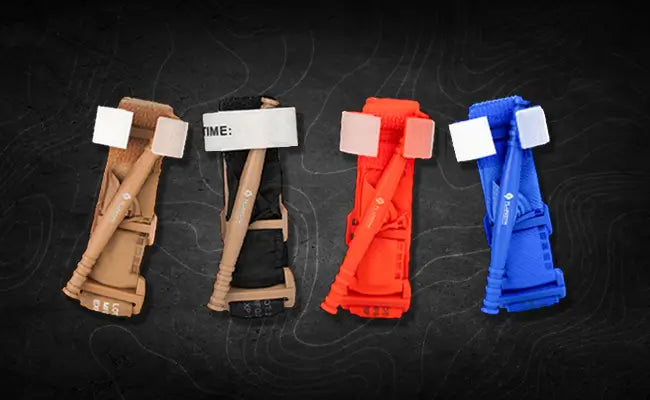
- Approved tourniquet
- Chest seals for trained users
- Adhesive bandages
- Medical tape
- Antiseptic wipes
- Burn dressing
- CPR barrier
- Emergency foil blanket
- Permanent marker
- First aid instructions
- Emergency contact information
A trauma kit is not automatically a complete first aid kit. Trauma kits focus on immediate life-threatening injuries, while ordinary first aid supplies address smaller cuts, abrasions, minor burns, and other common problems. Many users benefit from carrying both capabilities in one organized system.
Seasonal Module Checklist
Seasonal modules should be compact, clearly labeled, and easy to add or remove. The goal is to adapt the kit without burying essential trauma supplies underneath low-priority items.
|
Season or condition |
Main risks |
Useful kit adjustments |
|
Winter |
Hypothermia, frostbite, falls, stranded vehicles |
Thermal blankets, dry layers, hand warmers, headlamp, insulated ground barrier |
|
Spring |
Storms, lightning, flooding, wet equipment |
Waterproof storage, extra gauze, rain protection, lighting, communication backup |
|
Summer |
Heat illness, dehydration, burns, outdoor injuries |
Cold packs, appropriate hydration supplies, shade, burn care, temperature checks |
|
Fall |
Temperature swings, reduced daylight, remote recreation |
Thermal layer, headlamp, spare batteries, navigation and signaling tools |
|
Year-round |
Severe bleeding, vehicle trauma, cuts and burns |
Tourniquet, gauze, pressure dressing, gloves, shears, first aid supplies |
How to Store Medical Supplies in a Vehicle
A vehicle is convenient for emergency storage, but it is also one of the harshest environments for medical supplies. Interior temperatures can rise or fall far beyond comfortable outdoor conditions, and continuous vibration may damage packaging or disorganize equipment.
Store the kit:
- Away from direct sunlight
- Inside a secured pouch or compartment
- Where it cannot become a projectile
- Where the driver or passengers can reach it
- Away from fuel, chemicals, and contaminated tools
- In a location that will not become trapped beneath cargo
- According to each product’s storage instructions
Inspect vehicle kits more frequently during extreme summer and winter temperatures. Replace supplies when packaging becomes brittle, swollen, discolored, unsealed, wet, punctured, or otherwise damaged. Do not store the only kit inside a locked trunk when an accident could prevent access to it. A small reachable IFAK and a larger secondary kit can provide a more practical setup.
How Often Should a Seasonal First Aid Kit Be Inspected?
A kit should be checked at the beginning of each season, after every use, before major travel, and whenever it has been exposed to unusual heat, freezing, water, impact, or contamination.
During an inspection:
- Replace used items.
- Check expiration dates.
- Examine sterile seals.
- Test flashlights and batteries.
- Check gloves for brittleness.
- Inspect elastic materials and adhesives.
- Confirm liquids have not leaked.
- Replace wet or contaminated products.
- Verify that seasonal items are present.
- Confirm the kit remains accessible.
- Review emergency contacts and location information.
Keep a small inventory card inside the kit and record the inspection date. A kit that is organized and familiar is easier to use under stress than one filled with unlabelled supplies.
Train for the Environment, Not Only the Equipment
Owning medical gear does not create emergency readiness by itself. Seasonal training should include the conditions in which the supplies may actually be used.
Useful practice scenarios include:
- Applying direct pressure while wearing winter gloves
- Locating supplies in low light
- Opening a kit without placing contents in mud or rain
- Moving a person away from direct sun
- Calling for help from a remote location
- Giving accurate location information
- Using a tourniquet trainer rather than opening emergency equipment
- Protecting a patient from cold ground
- Inspecting and repacking the kit after a drill
Training supplies should be kept separate from emergency-use medical products. Do not repeatedly practice with the same tourniquet, gauze, or packaging intended for a real emergency unless the manufacturer specifically permits it.
Prepare for Every Season With FlareSyn
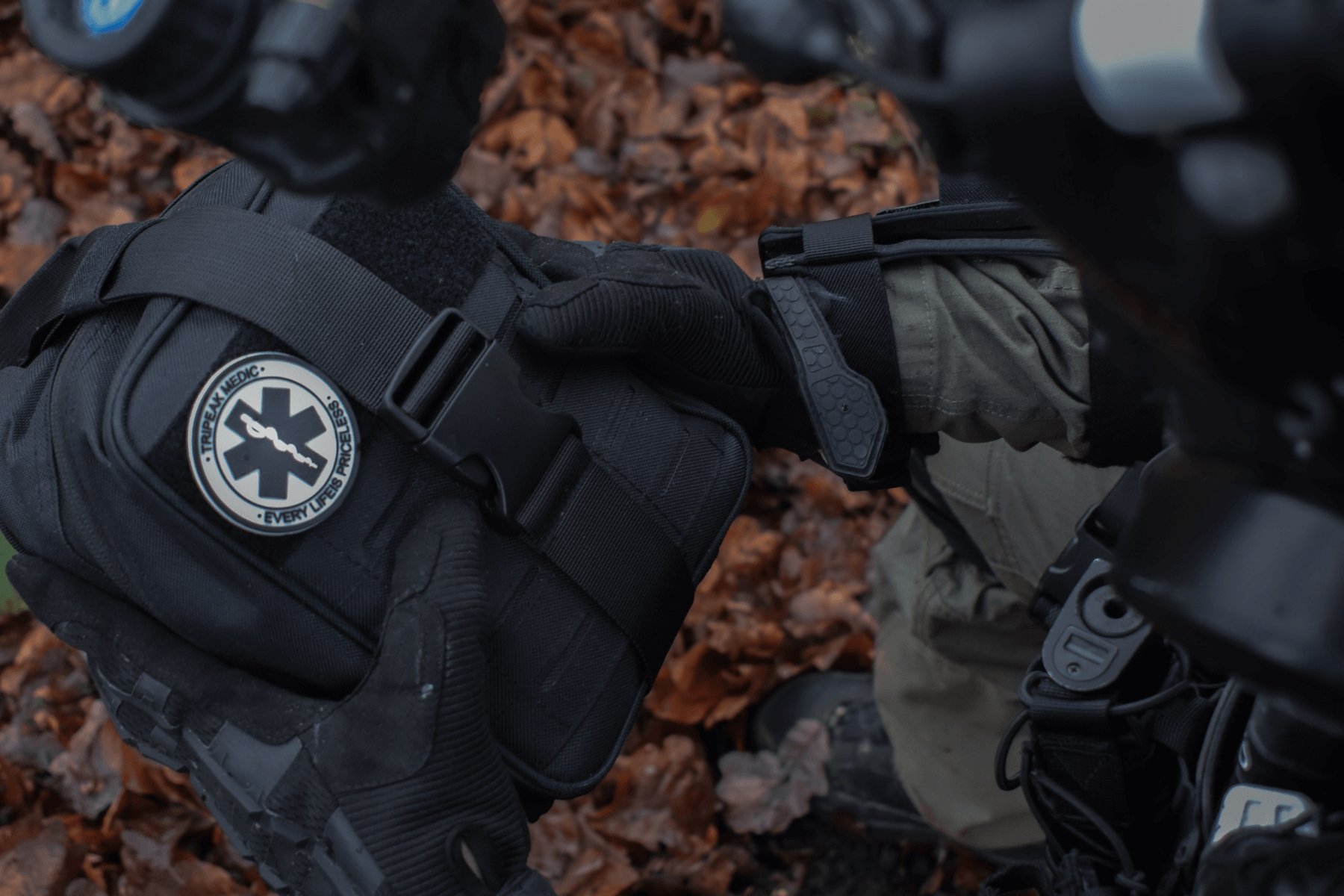
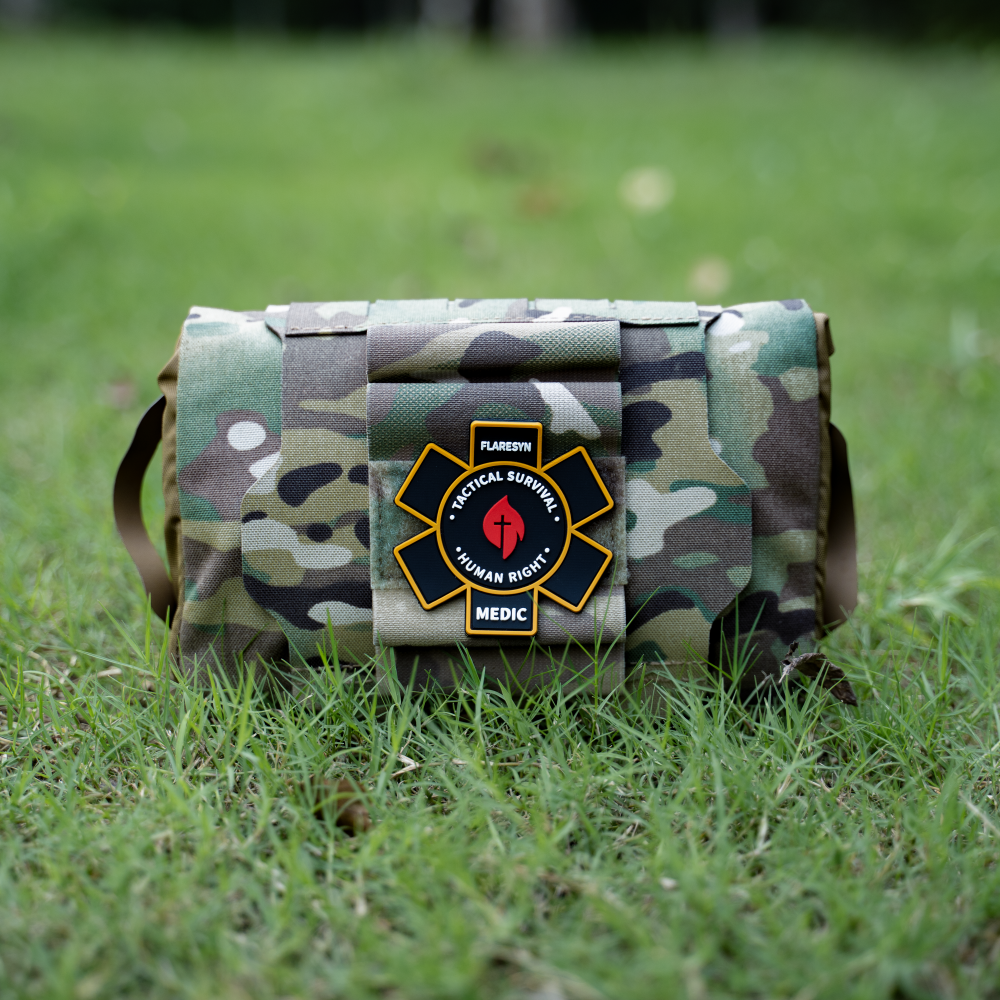
FlareSyn offers compact IFAKs, vehicle trauma kits, tourniquets, chest seals, compressed gauze, pressure bandages, emergency blankets, pouches, and replacement supplies for personal, vehicle, outdoor, professional, and organizational preparedness. Pre-filled FlareSyn IFAKs combine trauma-focused components in portable MOLLE-compatible pouches designed for organized access.
Choose a kit based on the risks you may face, where it will be stored, how many people it must support, and your level of training. A daily commuter may need a compact vehicle IFAK and basic wound-care supplies, while an outdoor group, work crew, security team, or remote traveler may require a larger kit with additional bleeding-control and environmental protection.
FlareSyn also provides individual refill components, making it possible to replace used or expired supplies without discarding the entire kit. Before adding advanced trauma products, complete appropriate first aid, CPR, AED, or Stop the Bleed training.
Seasonal First Aid Preparedness Checklist
Seasonal readiness comes from combining medical supplies, environmental protection, communication, and training. Review this checklist before major weather changes or travel.
- Check local seasonal hazards.
- Review weather forecasts before outdoor activities.
- Keep emergency supplies accessible.
- Add the correct seasonal module.
- Protect sterile items from heat, cold, and moisture.
- Carry a reliable light source.
- Keep a communication backup available.
- Know how to describe your location.
- Store water separately from medical supplies.
- Carry thermal protection throughout the year.
- Check vehicle kits after temperature extremes.
- Replace opened, damaged, wet, or expired items.
- Practice bleeding-control and first aid skills.
- Ensure family members or team members know where the kit is.
- Call 911 early when an injury may be serious.
Frequently Asked Questions
Does a First Aid Kit Need to Change With the Seasons?
The core supplies can remain the same, but seasonal additions improve preparedness. Winter may require more thermal protection, spring may require waterproof storage, summer may require cooling and hydration support, and fall may require lighting and cold-weather backup.
Can Medical Supplies Be Left in a Car All Year?
Some supplies may tolerate vehicle storage better than others, but extreme heat, freezing temperatures, moisture, and vibration can damage medical products. Follow manufacturer storage instructions and inspect vehicle kits frequently.
Should I Carry Both a First Aid Kit and a Trauma Kit?
A standard first aid kit manages common minor injuries, while a trauma kit is designed around urgent threats such as life-threatening bleeding. A combined setup or two clearly organized kits can provide broader coverage.
What Is the Most Important Winter First Aid Item?
There is no single item that addresses every emergency. In addition to injury-care supplies, winter preparedness should include insulation from the ground, dry thermal protection, a reliable light source, communication, and supplies for controlling serious bleeding.
What Is the Most Important Summer Warning Sign?
Confusion, collapse, loss of consciousness, seizures, or another significant change in mental state during heat exposure may indicate heatstroke. Call 911 and begin rapid cooling immediately.
Final Takeaway
The best seasonal first aid plan does not replace the entire kit four times a year. It keeps essential trauma and first aid supplies ready at all times, then adds protection for the conditions most likely to delay care or worsen an injury. During winter, prevent heat loss while managing the injury. During spring storms, protect the responder and supplies from lightning, floodwater, and moisture. During summer, recognize heat illness early and begin cooling quickly when heatstroke is suspected. During fall, prepare for shorter daylight, temperature changes, and remote outdoor emergencies.
Equipment matters, but access, inspection, communication, and training matter just as much. A well-organized kit that matches the season and the user’s skills provides a more reliable response than a large collection of unfamiliar supplies.