Emergency Response Preparedness: What Actually Matters Before Help Arrives
Emergency response preparedness is often treated like a checklist, something you write down, review once, and assume will work when needed. But real emergencies don’t follow checklists. They happen fast, without warning, and usually in environments where confusion takes over immediately. A car crash, a workplace injury, or a sudden fall can turn into a life-threatening situation within seconds. In those moments, the gap between being “prepared” and actually responding becomes clear. True preparedness is not about having a plan stored somewhere, it is about being able to act without delay, using the right tools, in the right way, when time is limited. That is what determines outcomes before professional help arrives.
Why Most Emergency Plans Fail in Real Life
Most people believe they are prepared because they have thought about emergencies or created a basic plan. On paper, everything looks structured, contact numbers, steps to follow, maybe even a kit stored somewhere nearby. But when a real emergency happens, that structure often collapses. Stress changes how people think and react. Memory becomes unreliable, decision-making slows down, and hesitation increases.
There are three common reasons why emergency plans fail in real situations:
-
They are not practiced, People forget details under pressure
-
They lack proper tools, Plans exist, but equipment does not
-
They rely on ideal conditions, Real emergencies are unpredictable
For example, someone may know they should “apply pressure to a wound,” but without proper tools like a tourniquet or hemostatic gauze, that knowledge has limits. Similarly, knowing emergency steps does not help if the kit is not within reach.
The key idea is simple:
a plan without execution is useless.
Preparedness must go beyond planning. It must include the ability to act immediately, with confidence and the right equipment. Without that, even the best plan becomes ineffective the moment it is needed.
What Emergency Response Preparedness Really Means
Emergency response preparedness is often misunderstood as planning ahead for possible risks. While planning is part of it, true preparedness goes much deeper. It is a combination of awareness, access to proper tools, and the ability to respond effectively in real time. Without all three, preparedness remains incomplete.
At its core, emergency response preparedness includes:
-
Awareness recognizing when a situation is serious
-
Tools having the right equipment available and accessible
-
Response ability knowing what to do and acting without delay
Organizations like the American Red Cross emphasize early intervention as a key factor in survival outcomes. The time between an incident and professional medical care is where preparedness has the greatest impact. This is especially true in cases of severe bleeding, airway obstruction, or trauma injuries where immediate action is required.
Preparedness is not about being perfect or having advanced medical training. It is about being ready enough to recognize a problem and take the first critical steps. That readiness turns passive knowledge into active response.
The First 5 Minutes of an Emergency (Where Outcomes Are Decided)
The first few minutes after an emergency begins are often the most important. This is the period where outcomes are shaped, before emergency services arrive, before advanced care is available, and often before the situation is fully understood. What happens during these minutes determines whether a situation stabilizes or escalates.
In reality, these first moments are rarely calm. People experience:
-
Confusion: trying to understand what just happened
-
Panic: emotional reactions that delay action
-
Delay: waiting for someone else to respond
During this time, critical injuries, especially severe bleeding, continue to worsen. According to initiatives like Stop the Bleed, uncontrolled bleeding can become fatal within minutes if not addressed quickly. This makes immediate action essential.
The difference between prepared and unprepared individuals becomes clear here. A prepared person recognizes the severity of the situation and acts immediately, applying a tourniquet, controlling bleeding, or stabilizing the injured person. An unprepared person often hesitates, unsure of what to do or lacking the tools to act.
This is why emergency response preparedness must focus on action, not just planning. The ability to respond within those first five minutes is what saves lives.
The Core Pillars of Emergency Response Preparedness
Preparedness becomes effective when it is built on clear, practical foundations. Instead of relying on long plans or complex procedures, it can be broken down into four core pillars that guide real-world response. These pillars work together to ensure that a person is not just aware of emergencies, but capable of handling them.
Awareness: Recognizing a Real Emergency
The first step in any response is recognizing that a situation is serious. This may sound simple, but in real scenarios, it is often delayed. People underestimate injuries, assume someone else will act, or fail to identify the severity of bleeding or trauma.
Awareness means quickly identifying signs such as heavy bleeding, difficulty breathing, or loss of consciousness. It requires paying attention to what is happening and understanding that immediate action may be necessary. The faster a situation is recognized, the faster the response begins.
Immediate Action: Doing Something Without Delay
Once an emergency is recognized, action must follow immediately. Hesitation is one of the biggest barriers in emergency response. People often wait, second-guess, or look for confirmation before acting. This delay can have serious consequences.
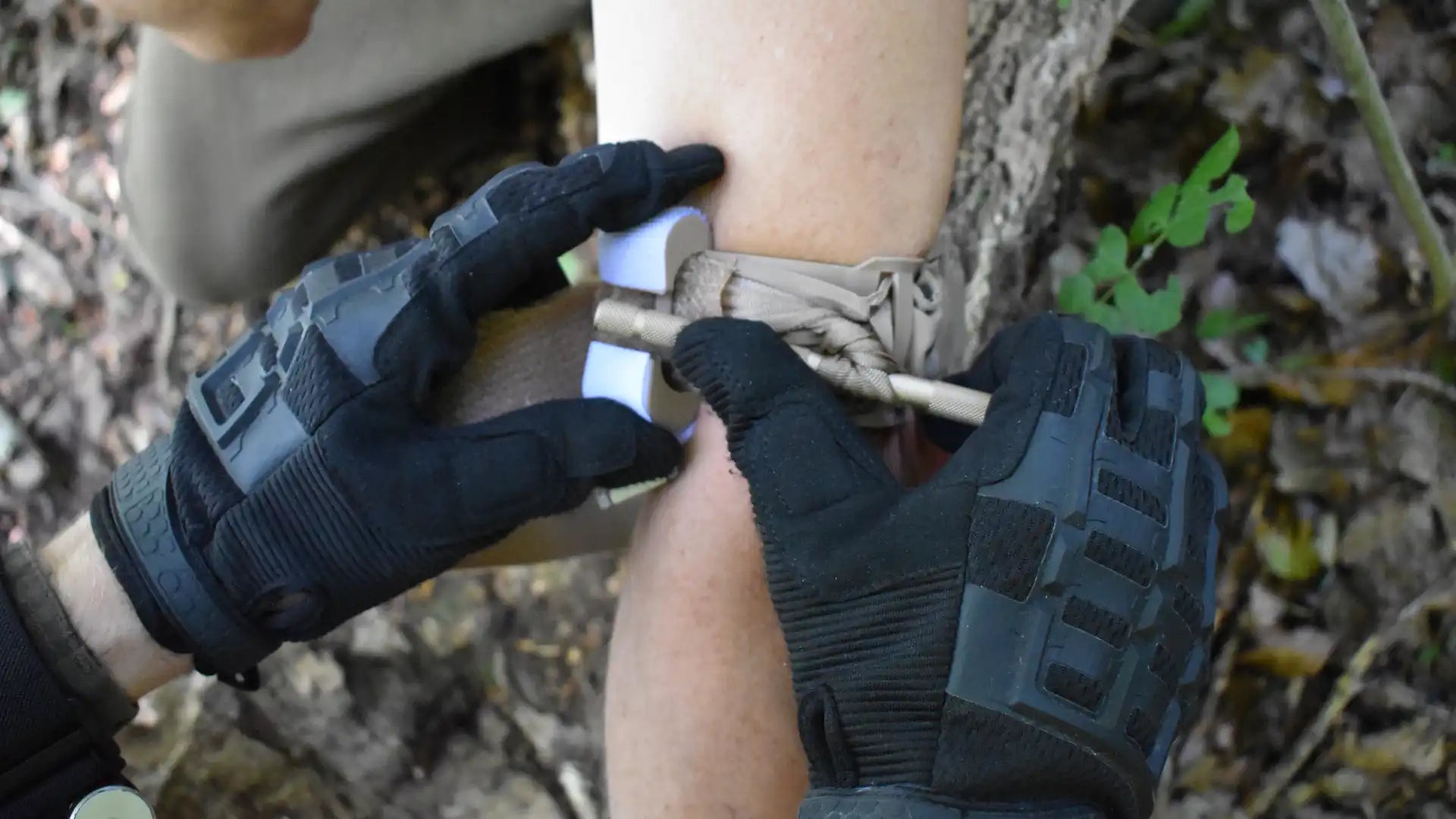
Immediate action does not require perfection. It requires decisiveness. Applying pressure to a wound, using a tourniquet, or calling for help are all steps that can be taken quickly. The goal is to interrupt the progression of the emergency, even if the response is basic.
Time is the most critical factor here. Acting within seconds is far more valuable than waiting for the “perfect” response.
Access to Proper Equipment
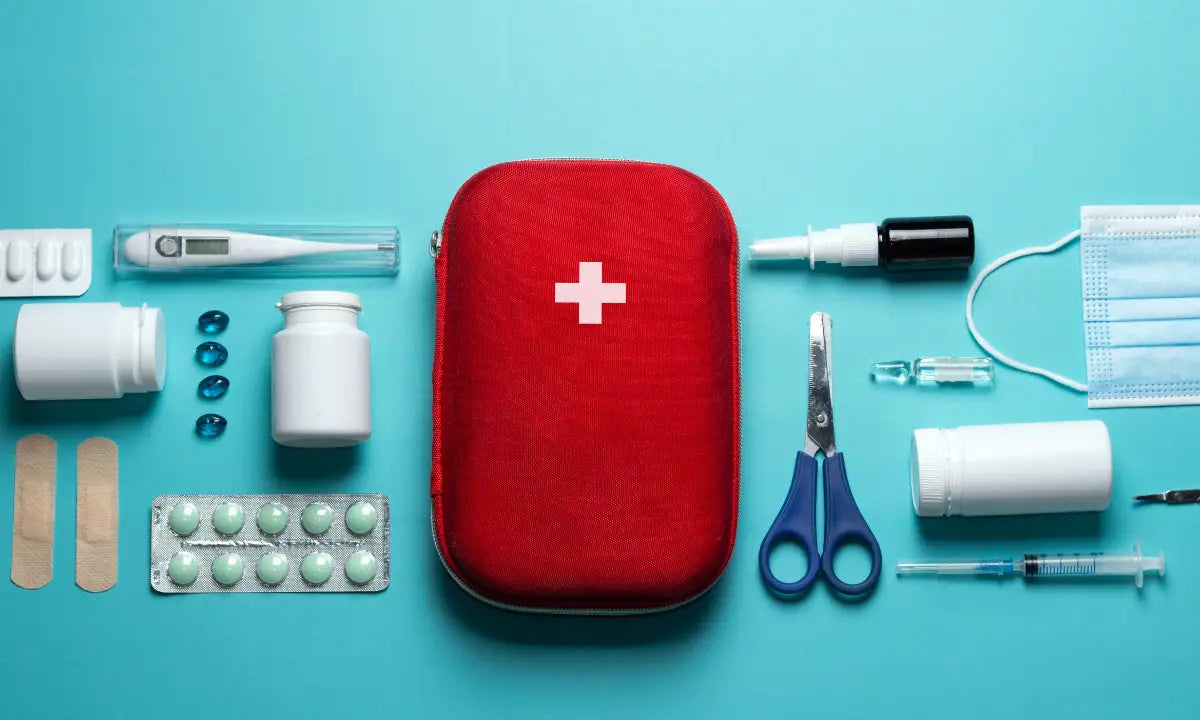
Having the right equipment available is what turns action into effective action. Basic first aid kits are not designed for severe trauma. They lack the tools needed for bleeding control and critical injury management.
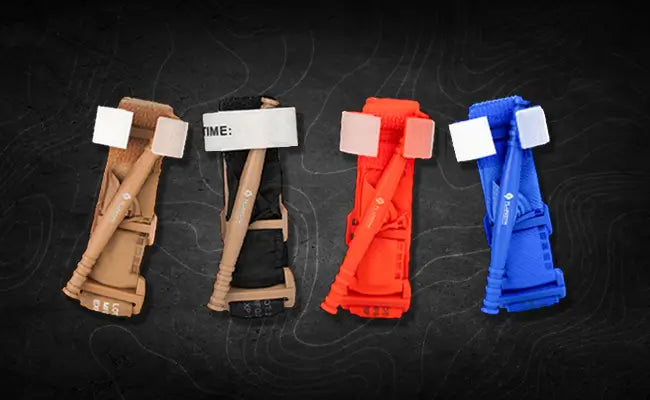
Trauma kits fill this gap. They include essential items such as tourniquets, gauze, and pressure bandages, tools specifically designed for life-threatening situations. However, equipment is only useful if it is accessible. A kit stored out of reach or buried in a bag cannot be used when needed.
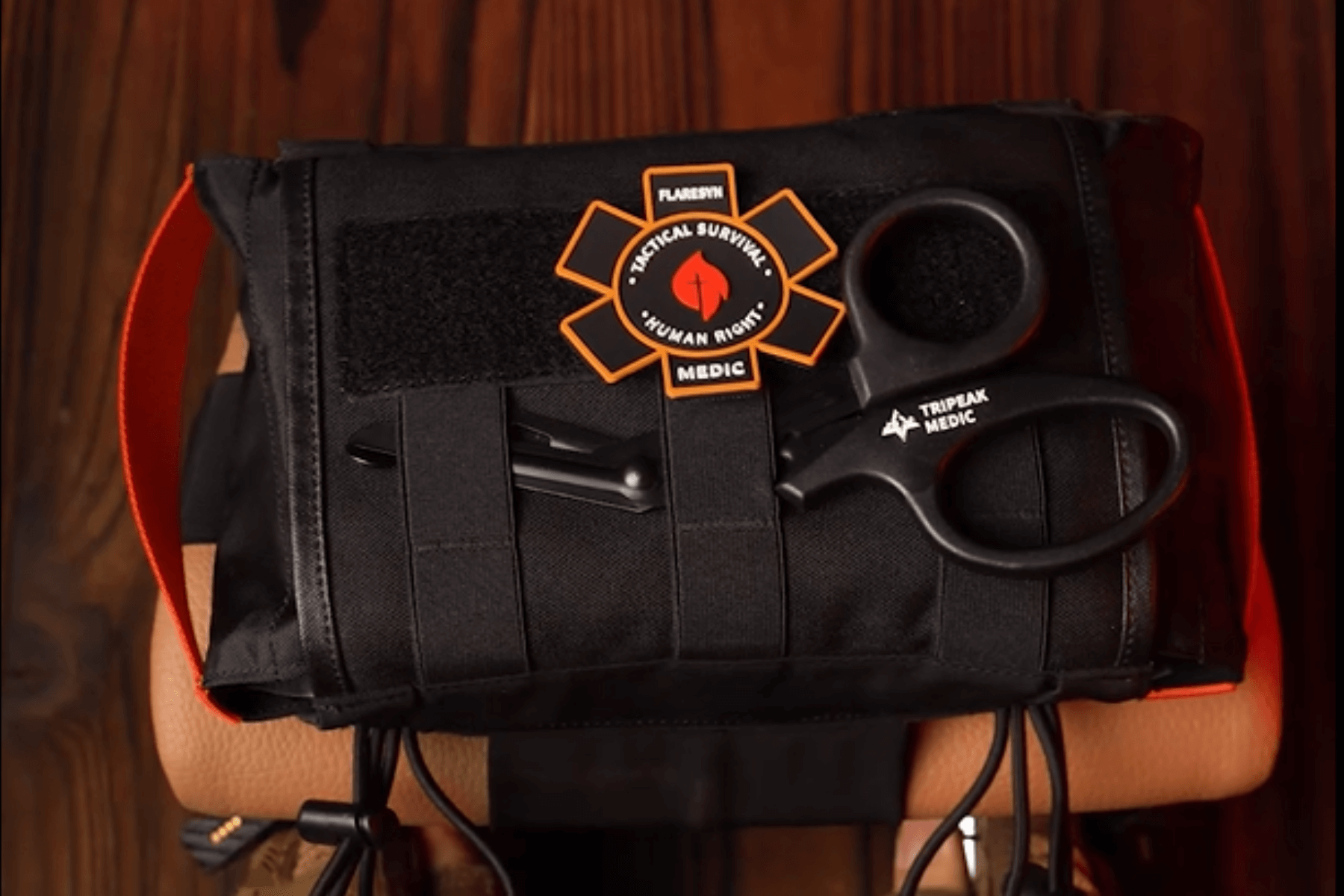
This is where thoughtful design and organization matter. Kits structured with clarity and purpose, like those built with real-world use in mind, such as FlareSyn configurations, allow faster access and more effective response under pressure.
Basic Response Knowledge
Preparedness does not require advanced medical training, but it does require basic understanding. Knowing how to apply a tourniquet, pack a wound, or recognize signs of shock can significantly improve outcomes.
Simple knowledge creates confidence. It reduces hesitation and allows individuals to act more quickly. Training programs and public awareness campaigns have shown that even minimal instruction can make a meaningful difference in emergency situations.
The goal is not to become an expert, but to be capable. Basic response knowledge, combined with the right tools and awareness, forms a complete approach to emergency preparedness.
Emergency Preparedness vs Emergency Response (Critical Difference)
Emergency preparedness and emergency response are often used as if they mean the same thing, but they represent two very different phases of dealing with a crisis. Preparedness happens before anything goes wrong. It includes planning, thinking ahead, gathering supplies, and understanding potential risks. Response, on the other hand, happens during the emergency itself, when decisions must be made quickly and actions must be taken without delay. This distinction is important because many people focus heavily on planning but give little attention to how they will actually respond under pressure.
Preparedness might involve creating a checklist or storing a kit, but response is where those decisions are tested. In real situations, there is no time to review notes or reconsider options. The ability to act depends on how well preparation translates into action. This is where most gaps appear. People prepare in theory but struggle in practice. Understanding this difference helps shift the focus from “having a plan” to being ready to execute that plan when it matters most.
The Role of Trauma Kits in Emergency Response Preparedness
Preparedness without the right tools creates a false sense of security. You may understand what needs to be done in an emergency, but without proper equipment, your ability to act is limited. Trauma kits are the link between knowledge and execution. They provide the tools needed to control bleeding, manage injuries, and stabilize a situation before professional help arrives.
In real-world emergencies, especially those involving severe bleeding, the absence of proper gear becomes immediately noticeable. A basic first aid kit cannot handle arterial bleeding or deep wounds effectively. Trauma kits, however, are built specifically for these situations. They include tools designed for rapid intervention, allowing responders to take control of critical conditions.
Preparedness becomes practical when it includes equipment that works under pressure. Kits structured with clarity, like those designed with real use in mind, similar to FlareSyn setups, focus on fast access and purposeful organization. This ensures that when an emergency occurs, the response is not delayed by confusion or missing tools. In this way, trauma kits are not just part of preparedness, they are what make preparedness functional.
Real-Life Emergency Scenarios and How Preparedness Changes Outcomes
Emergency response preparedness becomes clearer when viewed through real situations. The difference between being prepared and unprepared is not theoretical, it directly affects outcomes in everyday incidents. Looking at common scenarios helps illustrate how preparation influences what happens next.
Car Accident with Severe Bleeding
In a car accident, injuries often involve heavy bleeding caused by broken glass, metal, or impact trauma. An unprepared person may call for help and attempt to use available materials like cloth or basic bandages, which often fail to control bleeding effectively. Time passes, and the situation worsens.
A prepared individual responds differently. They recognize the severity immediately, apply a tourniquet or pack the wound using proper gauze, and stabilize the person while waiting for emergency services. The bleeding is controlled early, which significantly improves survival chances. The difference is not luck, it is preparation combined with action.
Workplace Injury
Workplace environments, especially those involving tools or machinery, carry a risk of serious injury. When an accident occurs, unprepared individuals may hesitate, unsure of what to do or lacking the necessary equipment. Delays in response can lead to increased blood loss or complications.
In contrast, a prepared response involves immediate action. The injury is assessed quickly, bleeding is controlled using appropriate tools, and the individual is stabilized. Access to a properly equipped trauma kit ensures that the response is effective, not improvised. This reduces risk and helps maintain control of the situation.
Outdoor / Remote Emergency
In remote settings such as hiking trails or isolated work areas, the delay in professional help is often longer. An unprepared person may rely on limited supplies and wait for assistance, which may take significant time to arrive.
Prepared individuals carry the tools and knowledge needed to manage injuries independently for longer periods. They can control bleeding, prevent complications, and maintain stability until help arrives. In these situations, preparedness is not just helpful, it becomes essential for survival.
Common Mistakes in Emergency Preparedness
Many people believe they are prepared, but certain common mistakes reduce the effectiveness of their efforts. These mistakes often go unnoticed until an emergency occurs.
-
Relying only on plans, Planning without practical application creates a gap between knowledge and action
-
Ignoring proper equipment , Without the right tools, response options become limited
-
Lack of accessibility, Kits stored out of reach cannot be used when needed
-
Overcomplicating preparedness, Too many steps or items create confusion under stress
Preparedness works best when it is simple, practical, and focused on real-world use. Removing unnecessary complexity makes it easier to act quickly and effectively.
How to Build Practical Emergency Response Preparedness
Building effective preparedness does not require complicated systems or extensive training. It starts with a few practical steps that focus on readiness and usability.
First, having a properly equipped trauma kit is essential. This ensures that you have the tools needed to respond to serious injuries. Second, understanding basic response actions, such as controlling bleeding or stabilizing a person, provides the confidence to act without hesitation. Third, keeping equipment accessible ensures that it can be used immediately when needed.
A simple approach looks like this:
|
Step |
Purpose |
|
Have a trauma kit |
Enables real response |
|
Learn basic actions |
Reduces hesitation |
|
Keep it accessible |
Saves time in emergencies |
Preparedness is not about doing everything, it is about doing the right things consistently.
Final Thought: Preparedness Is Proven in Action, Not Plans
Preparedness is often judged by what people say they will do, but its real value is shown in what they actually do during an emergency. Plans, knowledge, and equipment all contribute, but they only matter when they are used. The ability to act quickly, with confidence and clarity, is what defines true preparedness. Emergencies do not wait for perfect conditions. They require immediate decisions and direct action. Those who are prepared respond without hesitation because they have already taken the steps needed to be ready.
Being ready is not about expecting emergencies, it is about removing uncertainty if they occur. Having the right tools, understanding how to use them, and keeping everything accessible creates a level of readiness that goes beyond planning.
Well-structured trauma kits, like those developed with practical use in mind such as FlareSyn setups, support this readiness by focusing on clarity and reliability. They are built to function in real situations, where speed and simplicity matter most.
Because when an emergency happens, preparation is no longer a concept, it becomes a decision made in seconds.