

FlareSyn™ Pneumothorax Decompression Needle (14G)
Choose options
PRODUCT DESCRIPTION
14G Decompression Needle for Trained Responders
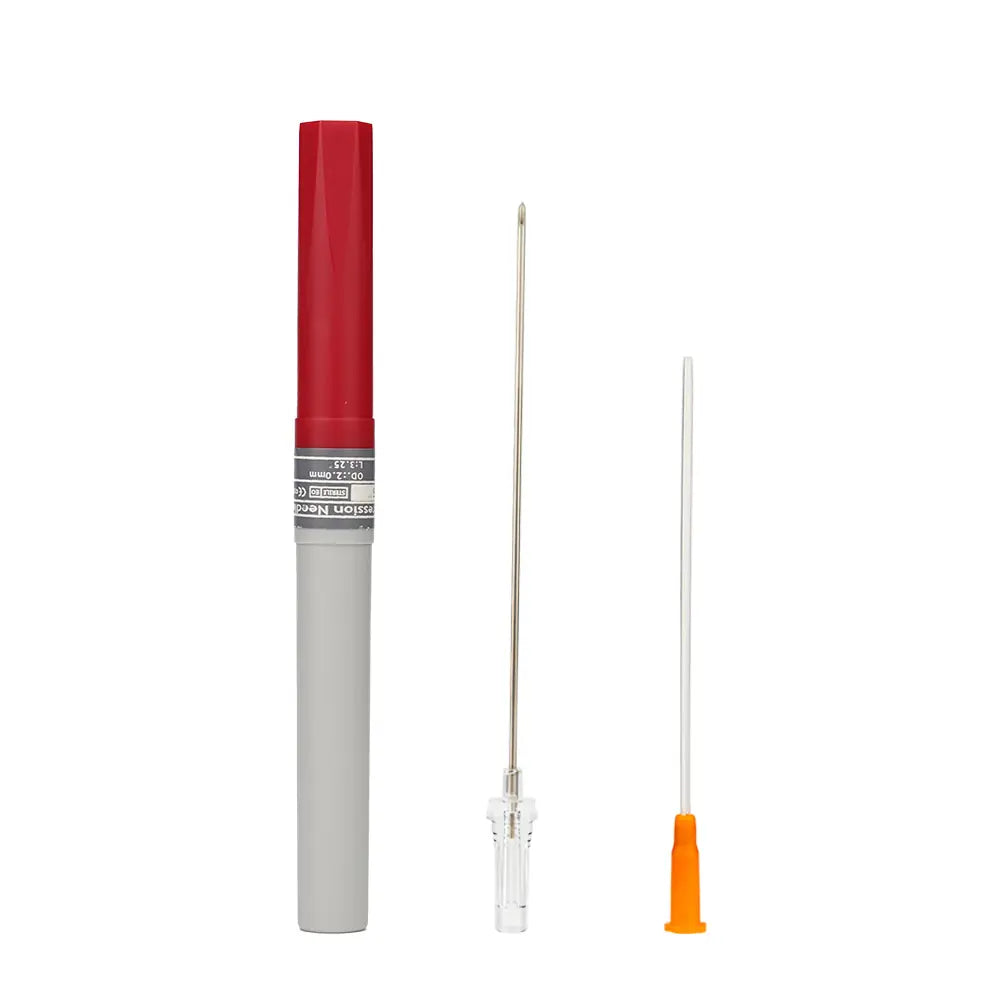
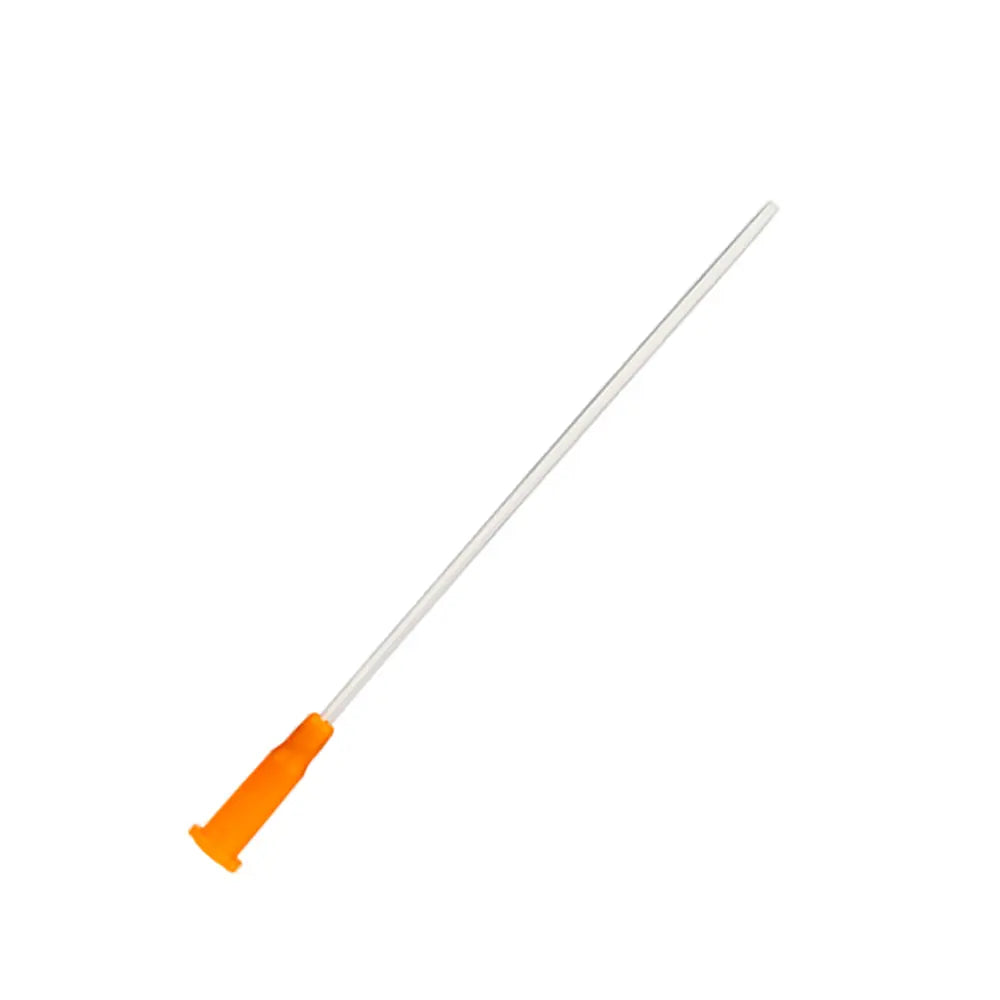
The FlareSyn® Pneumothorax Decompression Needle is a compact 14G × 3.25 in device intended for trained medical responders whose protocols and scope of practice include emergency needle decompression. It is not a general first-aid item and should not be used without appropriate training and authorization.
Key Details
Key Features
- Compact Form: Designed for organized storage in professional trauma kits.
- Protected Transport: The device is housed to help protect it during storage and transport.
- Clear Identification: The labeled format makes it easier to identify inside a structured medical loadout.
Appropriate Environments
- EMS and professional response kits
- Tactical or remote medical loadouts
- Authorized clinical and emergency preparedness programs
MISSION READY. EVERY TIME.
The Flaresyn Standard. Engineered for the extreme, trusted by those who serve.
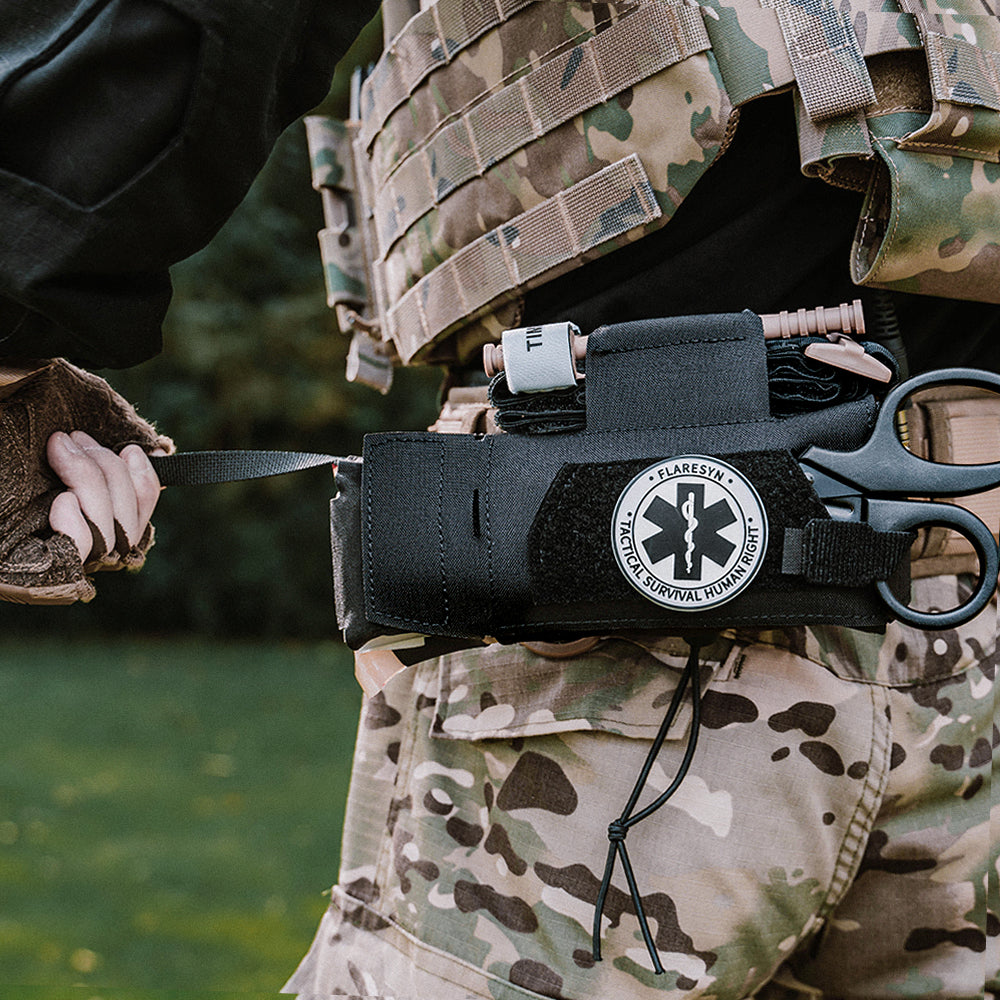
SECONDS SAVE LIVES
Designed for rapid deployment under extreme stress. Our gear features intuitive layout and quick-pull systems, ensuring immediate access to critical bleeding control supplies when every second counts.
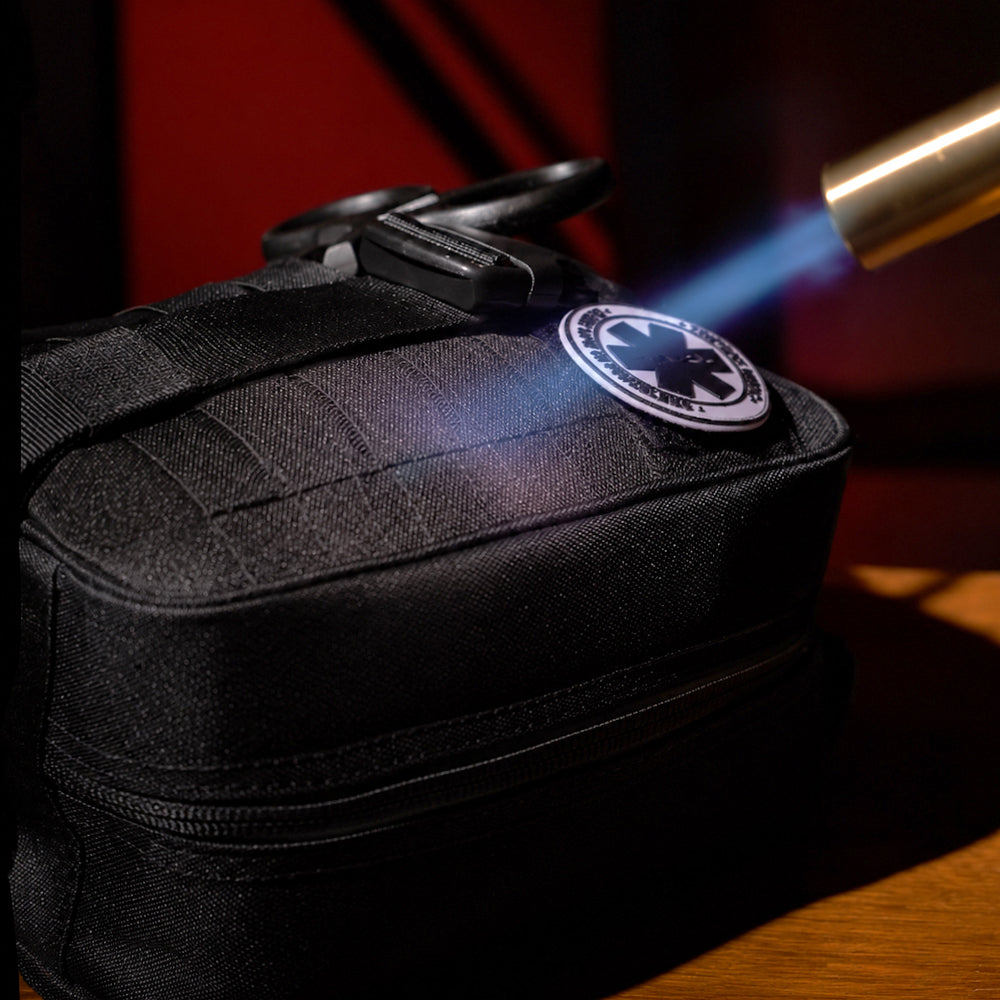
BATTLE-TESTED DURABILITY
Failure is not an option. Constructed from military-grade, water-resistant Cordura fabrics and heavy-duty zippers to withstand the most unforgiving environments on earth.
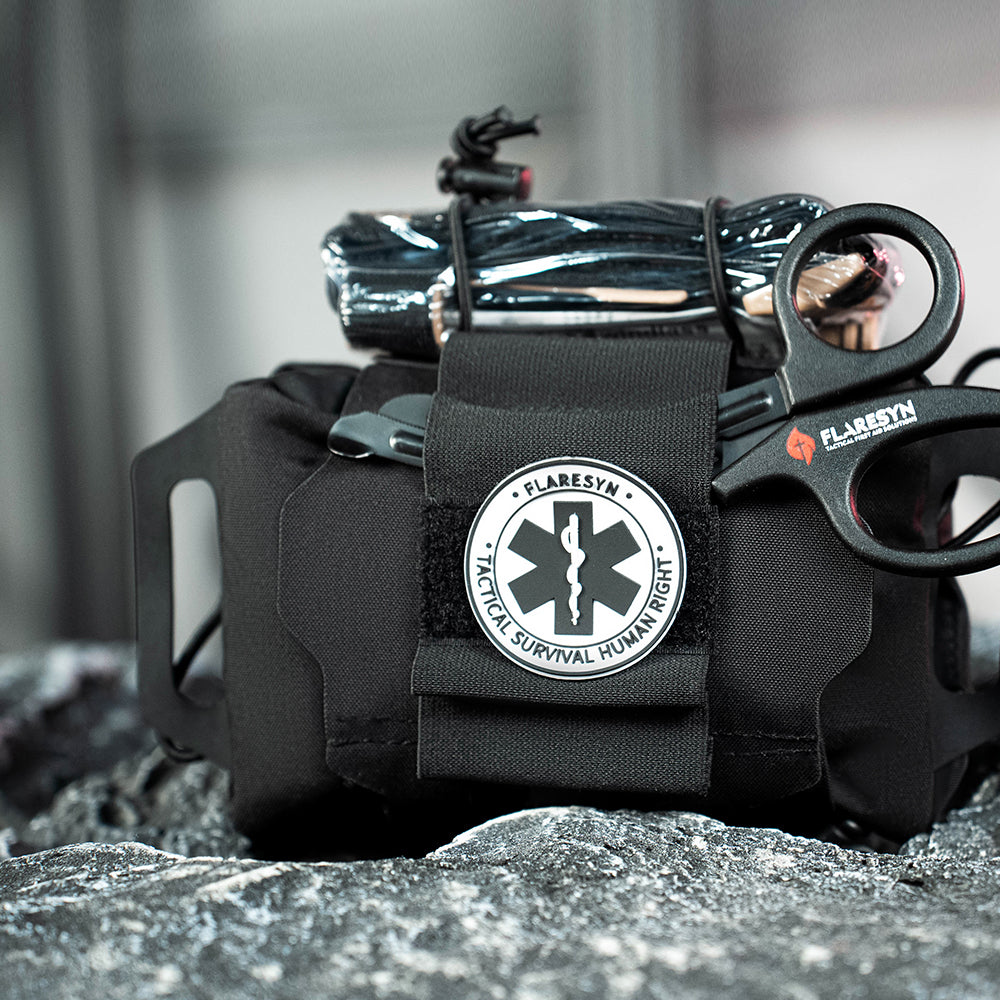
TRUSTED BY PROFESSIONALS
Built to rigorous medical standards and strict M.A.R.C.H. protocols. Flaresyn is the go-to tactical medical supplier for military, law enforcement, and serious preppers worldwide.
TACTICAL INTEL
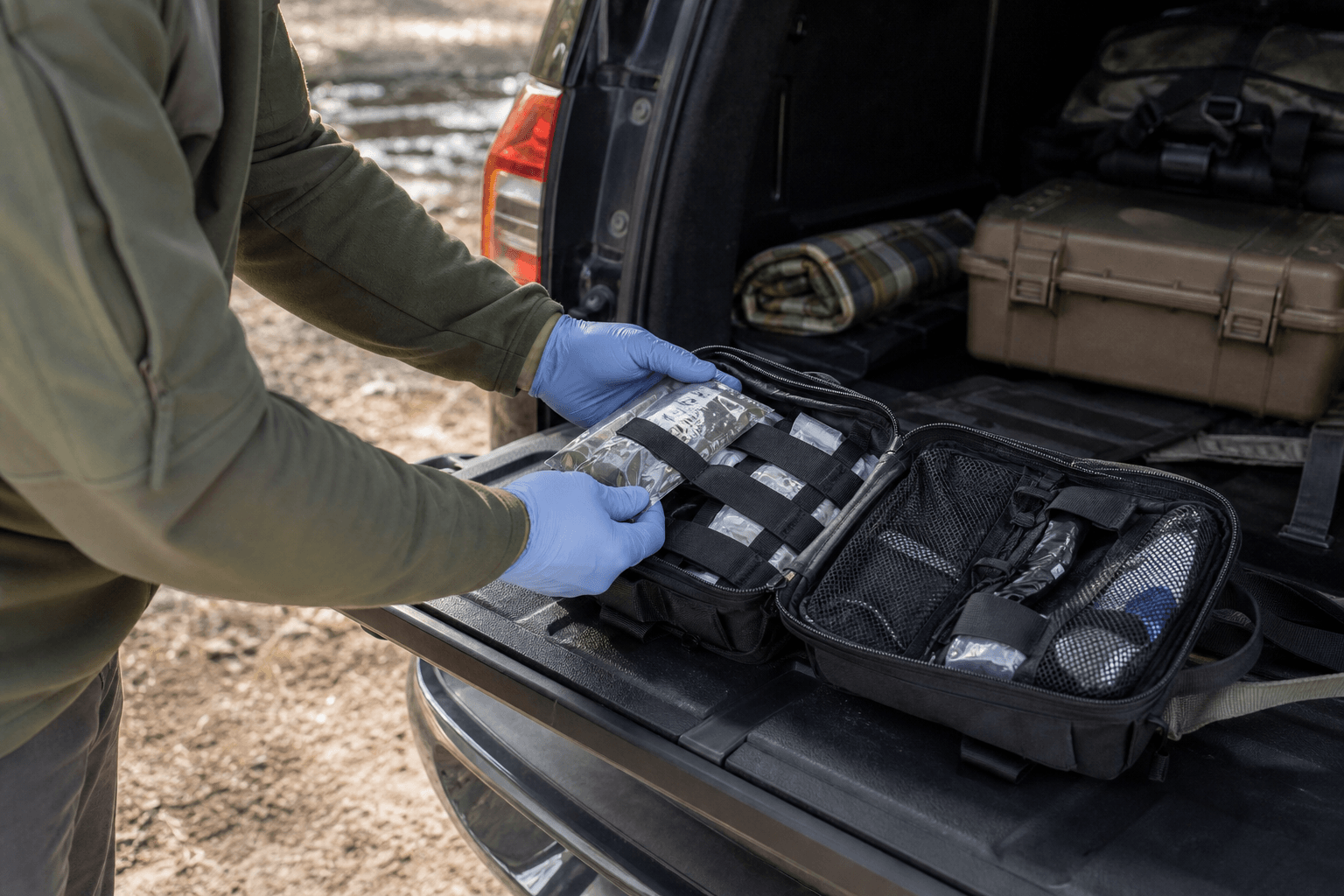
Vehicle Trauma Kit Maintenance
Vehicle Trauma Kit Maintenance Buying the kit is the start of the job Why vehicles are hard on emergency supplies The false confidence of an untouched pouch The...
Read more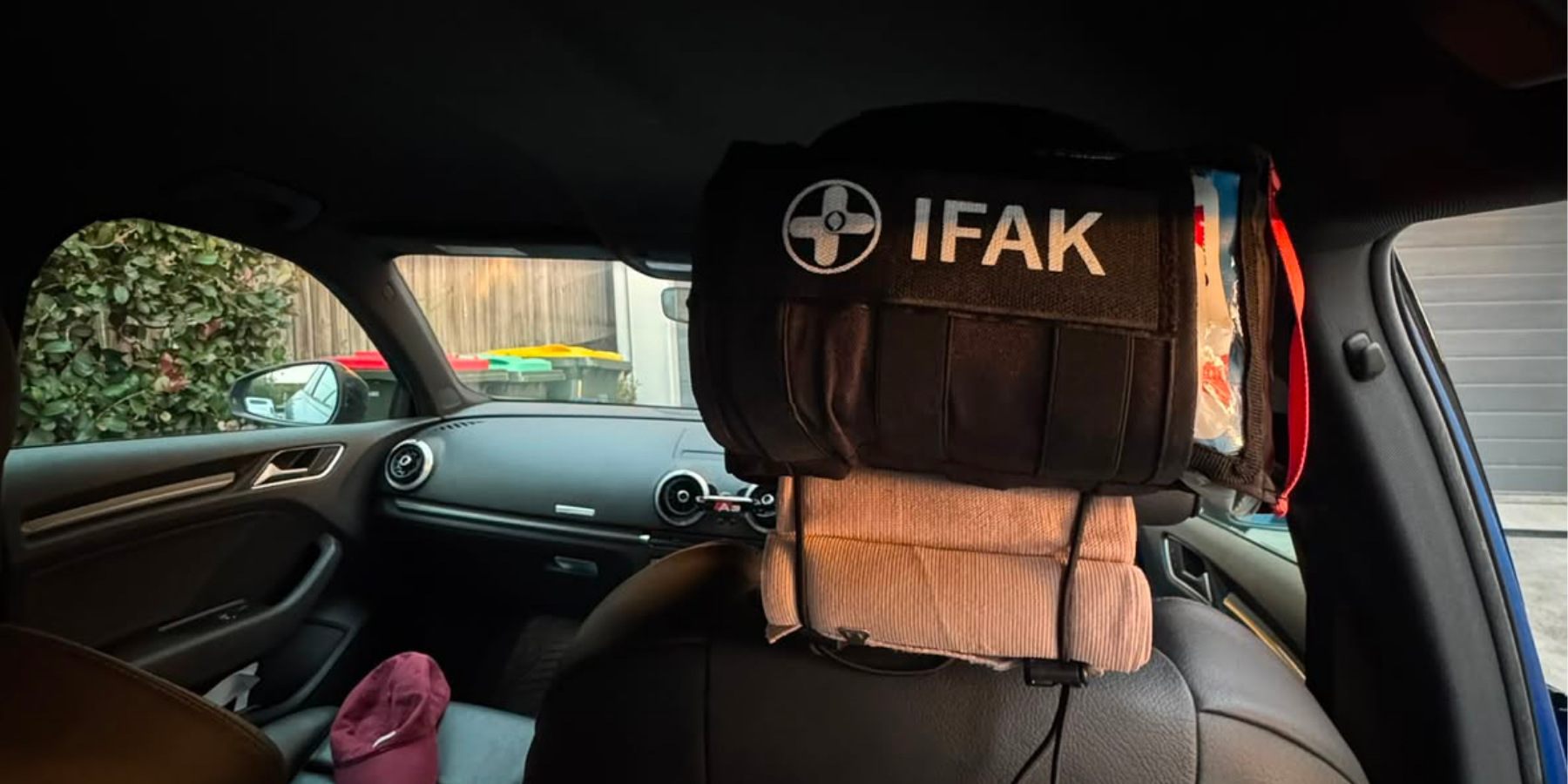
Australian Motorcycle Crash Vehicle IFAK Case
Australian Motorcycle Crash Vehicle IFAK Case A real roadside response, s...
Read more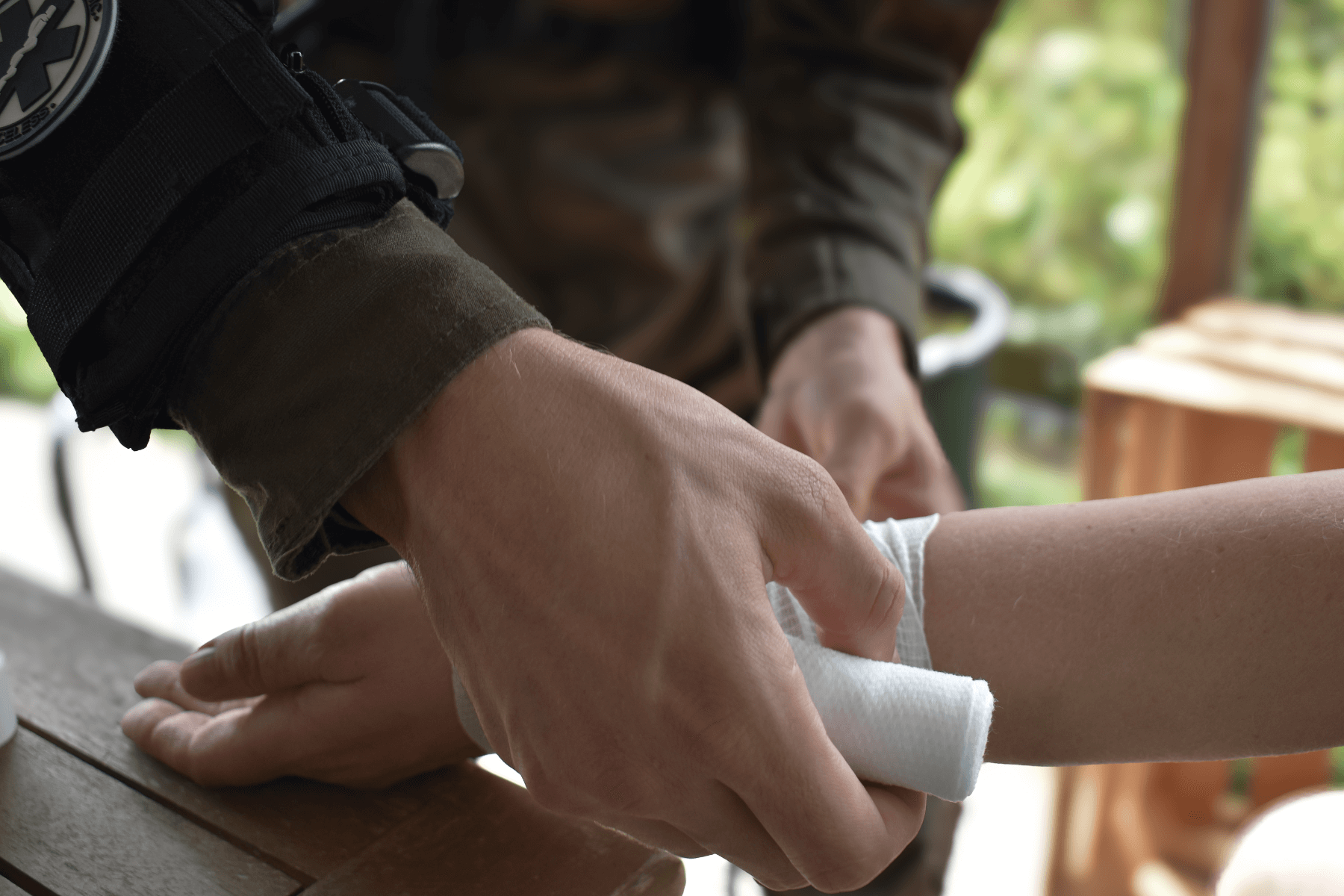
IFAK Refill Kit Guide for Trauma Gear Maintenance 2026
Quick Navigation: Family Safety Guide Why an IFAK Is a System, Not a One-...
Read more