Préparation tactique : à quelle fréquence les plans d’urgence tactiques doivent-ils être mis à jour ?
En temps de crise, disposer d’un plan d’urgence tactique bien préparé peut faire la différence entre une action rapide et efficace et la confusion. La préparation tactique n’est pas quelque chose à prendre à la légère. Qu’il s’agisse d’une catastrophe naturelle, d’une urgence sur le lieu de travail ou d’une menace pour la sécurité, avoir un plan clair et à jour garantit une réponse rapide, efficace et coordonnée. Cependant, un plan tactique n’est pas figé : il doit évoluer et s’adapter au fil du temps. Des mises à jour régulières de votre plan d’urgence tactique sont essentielles pour qu’il reste pertinent, efficace et capable de répondre aux risques émergents.
Au fil du temps, les menaces évoluent, tout comme les ressources, le personnel et les technologies disponibles pour y répondre. Des plans obsolètes peuvent entraîner des réponses inefficaces, une perte de temps et, dans les pires cas, une incapacité à agir assez vite. Sans mises à jour régulières, votre réponse d’urgence peut ne pas être en mesure de faire face à de nouvelles menaces comme les cyberattaques, les pandémies ou même l’évolution des tensions géopolitiques.
Facteurs clés qui déterminent à quelle fréquence les plans tactiques doivent être mis à jour
1. Évolution des risques et des menaces
L’une des raisons les plus évidentes de mettre à jour votre plan d’urgence tactique est l’évolution des risques et des menaces. À mesure que de nouveaux dangers apparaissent, votre plan doit s’adapter pour y répondre. Les catastrophes naturelles, les avancées technologiques et les menaces d’origine humaine peuvent modifier radicalement la situation. Par exemple, un plan autrefois axé sur les tremblements de terre devra peut-être évoluer pour prendre en compte le risque accru de cyberattaques, de pandémies ou d’activités terroristes.
Par ailleurs, le changement climatique a entraîné des catastrophes naturelles plus fréquentes et plus intenses, comme les ouragans, les feux de forêt et les inondations. Aux États-Unis, les régions touchées par les ouragans doivent parfois mettre leurs plans à jour plus souvent, car les nouvelles technologies de prévision améliorent les estimations de calendrier et de gravité, ce qui peut à son tour avoir un impact sur les itinéraires d’évacuation et les opérations de secours.
Exemple concret :
Après les feux de forêt dévastateurs en Californie, les plans locaux d’urgence ont été mis à jour afin d’améliorer les procédures d’évacuation et d’intégrer davantage de données en temps réel, comme la surveillance des réseaux sociaux et l’imagerie satellite, afin d’orienter les équipes d’intervention plus efficacement.
2. Mises à jour liées aux changements de personnel et de ressources
Un autre facteur essentiel dans la mise à jour de votre plan tactique est l’évolution continue du personnel et des ressources. Dans toute organisation, le turnover, les nouveaux recrutements ou les changements de responsabilités peuvent avoir un impact sur l’efficacité d’un plan d’urgence. Lorsqu’un membre clé de l’équipe part ou qu’un nouveau poste est créé, il est essentiel de réévaluer les rôles et responsabilités définis dans le plan.
De même, si de nouvelles ressources deviennent disponibles, qu’il s’agisse de nouveaux équipements, de technologies avancées ou de personnel supplémentaire, elles doivent être intégrées au plan. Cela peut inclure des outils comme des drones, des systèmes GPS ou même des systèmes d’aide à la décision basés sur l’IA, qui améliorent la rapidité et la précision de la réponse des équipes tactiques.
Exemple :
Une entreprise peut mettre à jour son plan tactique pour inclure des drones de surveillance aérienne ou des systèmes d’identification biométrique afin de sécuriser les locaux en cas de faille de sécurité. Ces ressources peuvent améliorer considérablement la façon dont les équipes réagissent dans des situations de forte pression.
3. Progrès technologiques
Les progrès technologiques peuvent modifier en profondeur la manière dont les plans d’urgence tactiques sont exécutés. Par le passé, les plans d’urgence reposaient fortement sur les communications radio, la saisie manuelle des données et des cartes papier. Aujourd’hui, avec les données en temps réel, la navigation GPS et les systèmes basés sur le cloud, votre plan tactique peut devenir bien plus efficace et adaptable.
Les menaces liées à la cybersécurité exigent également des mises à jour fréquentes de votre plan. Dans des secteurs comme les services financiers, la santé ou les infrastructures critiques, les cyberattaques et les violations de données font de plus en plus partie du paysage des risques. Il est essentiel que votre plan inclue des réponses aux menaces numériques afin de maintenir votre niveau de préparation.
Exemple concret :
En réponse à la montée des cybermenaces, de nombreuses entreprises ont mis à jour leurs plans d’urgence tactiques pour inclure des protocoles immédiats de réponse aux incidents informatiques. Ceux-ci peuvent comprendre la mise en place de pare-feu, la sécurisation des sauvegardes de données et la désignation d’experts en cybersécurité pour gérer rapidement la situation.
Fréquence idéale de mise à jour des plans d’urgence tactiques
1. Revue annuelle : évaluation générale de la préparation
Au minimum, les plans d’urgence tactiques doivent faire l’objet d’une révision complète au moins une fois par an. Les mises à jour annuelles garantissent que les stratégies de base, comme les protocoles de communication, les rôles d’urgence et l’allocation des ressources, restent pertinentes et efficaces. Lors de cette revue annuelle, les organisations doivent évaluer si la structure de l’équipe est toujours adaptée au personnel en place, si les systèmes de communication sont à jour et si toutes les ressources sont opérationnelles et prêtes à être déployées.
Les mises à jour annuelles sont généralement suffisantes pour la préparation de base, les plans d’évacuation, les rôles du personnel et les vérifications des équipements, mais elles peuvent nécessiter des mises à jour plus fréquentes selon la nature dynamique des risques ou la croissance de l’organisation.
2. Mises à jour trimestrielles pour les situations dynamiques
Certains environnements ou secteurs connaissent des changements rapides qui exigent des mises à jour plus fréquentes. Dans des domaines comme les services d’urgence, les unités militaires et les organisations de sécurité, les plans tactiques devraient être révisés et mis à jour tous les trimestres. Ces secteurs sont souvent sur le terrain et confrontés à des menaces immédiates comme les troubles civils, le terrorisme ou les catastrophes naturelles.
Les mises à jour trimestrielles permettent de s’assurer que les nouvelles informations, telles que les menaces émergentes, les prévisions météorologiques ou les évolutions géopolitiques, sont prises en compte et que les protocoles de réponse sont ajustés en conséquence.
Exemple :
Une entreprise de sécurité qui protège de grands événements peut avoir besoin de mettre à jour son plan tactique tous les trimestres afin de tenir compte des changements dans les menaces locales, comme les activités terroristes, les lieux de manifestation ou la criminalité.
3. Relectures et mises à jour après incident
L’une des méthodes les plus efficaces pour s’assurer que votre plan tactique reste pertinent est de réaliser des retours d’expérience après tout incident ou exercice. Ces évaluations fournissent une boucle de retour qui aide les organisations à améliorer leurs protocoles de réponse. Après un événement réel ou un exercice, les membres de l’équipe peuvent discuter de ce qui a bien fonctionné, de ce qui n’a pas fonctionné et des améliorations possibles. Ce retour d’expérience concret est essentiel pour affiner le plan.
Il est important de mettre à jour le plan tactique immédiatement après un incident afin d’intégrer les enseignements tirés, d’identifier les lacunes et de veiller à ce que les réponses futures soient encore plus efficaces.
Exemple :
Après un exercice d’incendie dans un bâtiment, l’équipe d’urgence peut constater que certains itinéraires d’évacuation sont bloqués ou que les systèmes de communication ont échoué. Ces problèmes doivent être pris en compte dans le plan tactique mis à jour.
Fréquence de mise à jour du plan selon le type d’organisation
Les différents environnements sont exposés à des risques différents, ce qui signifie que leurs programmes de "préparation" seront très différents. Un petit bureau comporte moins d’éléments mobiles qu’un site industriel à haut risque ou qu’une école pleine d’enfants. Utilisez le tableau ci-dessous pour voir où se situe votre organisation et à quelle fréquence vous devez tester vos plans tactiques.
|
Type d’organisation |
Révision recommandée |
Fréquence d’exercice requise |
Déclencheur de mise à jour majeure |
|
Écoles et crèches |
Tous les 6 mois |
Mensuel ou trimestriel |
Nouveau personnel ou nouvelle technologie de sécurité |
|
Industriel / Pétrole et gaz |
Trimestriel |
Tous les 6 mois |
Nouvelles substances dangereuses |
|
Bureaux d’entreprise |
Annuellement |
Annuellement |
Rénovations majeures des bureaux |
|
Commerce de détail et forte affluence |
Tous les 6 mois |
Trimestriel |
Changements saisonniers de personnel |
|
Famille / foyer |
Tous les 6 mois |
Deux fois par an |
Nouveaux besoins médicaux ou voyages |
Erreurs courantes à éviter lors de la mise à jour des plans d’urgence tactiques
Bien maintenir à jour votre plan d’urgence tactique est essentiel pour conserver un bon niveau de préparation, mais de nombreuses organisations rencontrent des difficultés courantes lorsqu’elles élaborent ou affinent leurs plans. Comprendre ces erreurs et savoir comment les éviter peut aider à garantir l’efficacité et la fiabilité de vos efforts de préparation.
1. Ignorer les révisions régulières et les retours d’expérience
L’une des plus grandes erreurs des organisations est de ne pas réviser et mettre à jour régulièrement leur plan d’urgence tactique. Avec le temps, le paysage des menaces évolue, le personnel peut changer et de nouveaux risques peuvent apparaître. Si vous n’évaluez pas votre plan au moins une fois par an, il y a de fortes chances qu’il devienne obsolète. Cette négligence peut laisser votre équipe mal préparée à faire face à de nouvelles menaces, comme les cyberattaques, les pandémies ou les catastrophes naturelles.
Pourquoi cela arrive: Il est facile de supposer qu’un plan qui a bien fonctionné l’année dernière fonctionnera de la même manière cette année. Cependant, l’absence de révision conduit souvent à manquer des occasions d’amélioration.
Comment l’éviter: Faites des révisions annuelles une étape obligatoire de votre routine de préparation aux situations d’urgence. Même si rien de majeur ne change, il est important de prendre le temps de réévaluer l’efficacité du plan et d’identifier les faiblesses potentielles. En outre, les rapports de retour d’expérience issus des exercices ou des événements réels doivent toujours être utilisés pour affiner le plan.
2. Rendre le plan trop complexe
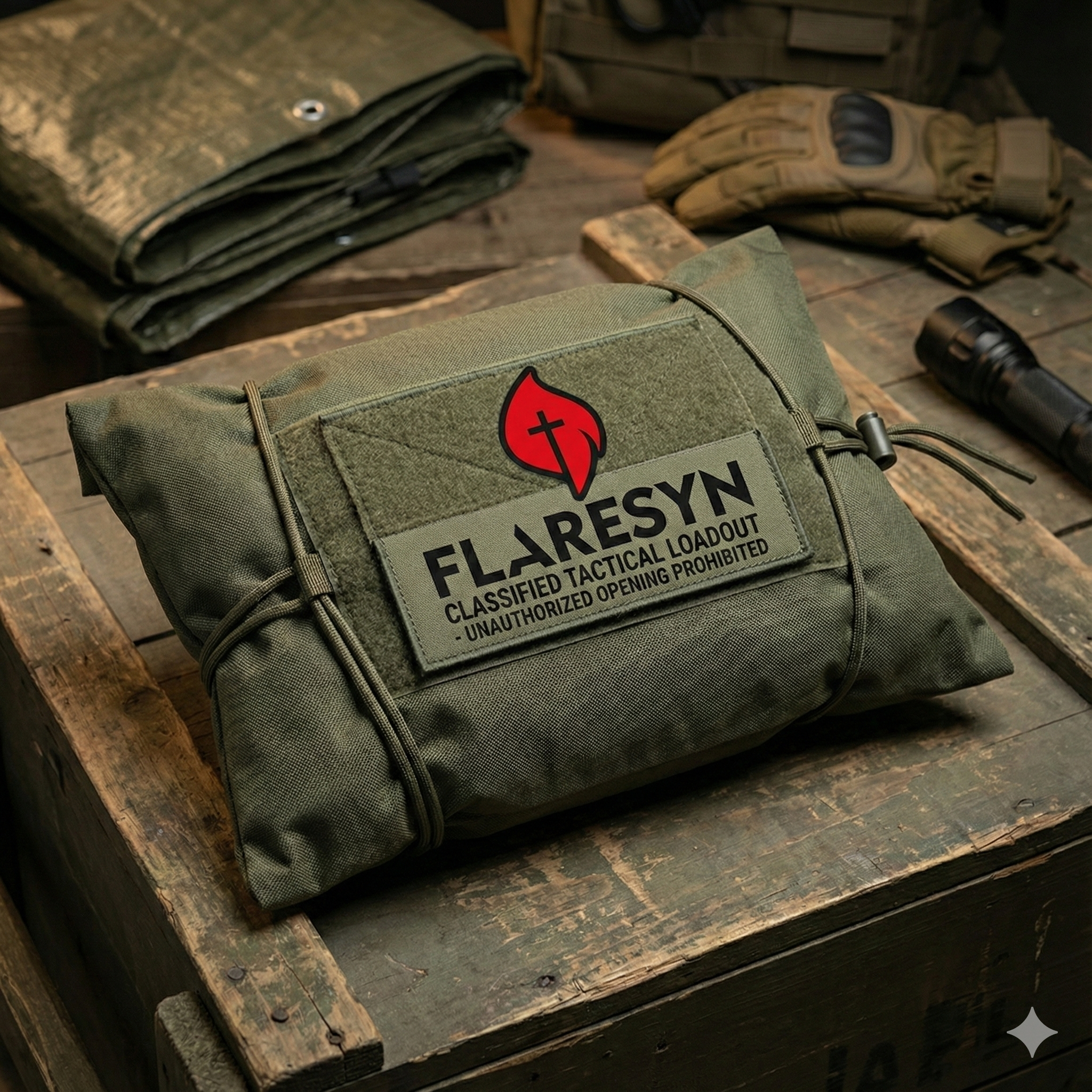
Une autre erreur courante consiste à rendre le plan tactique trop complexe ou trop détaillé. Un plan trop détaillé peut submerger votre équipe et rendre plus difficile le suivi des étapes nécessaires lorsque cela compte le plus. En situation d’urgence, la clarté et la simplicité sont essentielles. Si un membre de l’équipe ne peut pas rapidement trouver les informations pertinentes dont il a besoin dans une situation de forte pression, un temps précieux est perdu. Vous veillez à ce que votre stratégie reste aussi affûtée que l’équipement de votre kit FlareSyn.
Pourquoi cela arrive: À mesure que les organisations se préparent à des scénarios plus complexes, elles pensent parfois devoir inclure toutes les éventualités possibles. Cela peut conduire à un plan difficile à assimiler ou à exécuter sous pression.
Comment l’éviter: Concentrez-vous sur les actions essentielles susceptibles de se produire pendant une urgence. Créez des étapes d’action simples et claires, en veillant à ce que chaque membre de l’équipe connaisse son rôle et la séquence des événements. Les stratégies complexes doivent être décomposées en étapes faciles à exécuter.
3. Ne pas prendre en compte les nouveaux risques
Le monde évolue en permanence, et de nouveaux risques apparaissent chaque jour. Des menaces de cybersécurité aux pandémies, les organisations qui n’intègrent pas les risques émergents dans leurs plans tactiques peuvent se retrouver prises au dépourvu lorsque ces défis surviennent. Ne pas tenir compte des nouveaux types de menaces peut rendre votre plan vulnérable à des problèmes imprévus.
Pourquoi cela arrive: Souvent, les organisations s’en tiennent à des plans obsolètes parce qu’elles se concentrent sur les risques qu’elles ont déjà rencontrés. Elles peuvent ne pas prendre en compte les nouvelles menaces apparues à l’ère numérique ou devenues plus fréquentes en raison de l’évolution du contexte mondial.
Comment l’éviter: Restez informé des risques émergents et des événements mondiaux. Faites de la recherche et de l’intégration des nouvelles menaces dans vos plans une priorité, en particulier avec le rôle croissant de la technologie et de l’interconnexion mondiale. Par exemple, tenez compte de la montée des cybermenaces, du terrorisme et du changement climatique lorsque vous réexaminez votre plan.
Questions fréquentes sur les plans d’urgence tactiques
1. À quelle fréquence les plans d’urgence tactiques doivent-ils être révisés ?
La fréquence des révisions dépend de plusieurs facteurs, mais au minimum, les plans doivent être révisés chaque année. Les environnements plus dynamiques, comme les services d’urgence ou la sécurité d’entreprise, peuvent nécessiter des mises à jour trimestrielles en raison de l’évolution rapide des risques ou des ressources. Il est également recommandé de mettre à jour les plans après des incidents importants ou des exercices afin de garantir qu’ils restent pertinents et efficaces.
2. Quelle est la partie la plus importante d’un plan d’urgence tactique ?
L’élément le plus critique de tout plan d’urgence tactique est l’attribution claire des rôles et des responsabilités. Dans le chaos d’une urgence, la confusion peut entraîner des retards ou des erreurs. Définir qui fait quoi, quand et comment est essentiel pour que chacun puisse réagir rapidement et avec assurance. Une communication efficace et des procédures d’évacuation bien établies sont également des éléments indispensables.
3. Peut-on mettre à jour un plan tactique trop souvent ?
Même s’il est important de garder les plans à jour, il est également essentiel de trouver le bon équilibre. Le fait de mettre à jour constamment le plan sans nécessité réelle peut entraîner de la désorganisation et de la confusion. Les mises à jour doivent être basées sur des événements réels, les retours d’expérience des exercices et l’évolution des risques, plutôt que sur des ajustements arbitraires. Des mises à jour excessives peuvent aussi provoquer une lassitude du personnel et conduire à une mise en œuvre moins efficace lorsque le plan est nécessaire.
4. Comment savoir si mon plan tactique est suffisamment complet ?
Votre plan tactique est complet s’il couvre tous les scénarios probables, y compris les catastrophes naturelles, les failles de sécurité, les urgences médicales, et les risques technologiques. Il doit contenir des étapes claires pour la communication, l’évacuation, l’allocation des ressources et la liste de vérification des premiers secours. Tester le plan au moyen d’exercices et des retours d’expérience issus de vraies urgences peut aider à en déterminer l’efficacité.
5. Pourquoi les retours d’expérience après incident sont-ils essentiels pour mettre à jour les plans tactiques ?
Les retours d’expérience après incident fournissent des informations précieuses sur les performances de votre plan lors d’une véritable urgence. Ces évaluations mettent en évidence les points à améliorer, qu’il s’agisse de problèmes de communication, de pénuries de ressources ou d’inefficacités dans la prise de décision. Sans évaluation approfondie après un incident, il est impossible de savoir ce qui a fonctionné et ce qui n’a pas fonctionné, ce qui pourrait vous laisser mal préparé la prochaine fois.
Maintenir votre plan d’urgence tactique à jour pour une préparation maximale
L’idée clé à retenir de ce guide est simple : des mises à jour régulières sont indispensables pour maintenir un plan d’urgence tactique fonctionnel et efficace. Un plan pertinent l’an dernier peut ne plus répondre aux risques, aux ressources et à la dynamique d’équipe d’aujourd’hui. Par conséquent, effectuer des mises à jour régulières en fonction de l’évolution des menaces, des nouvelles technologies, des changements de personnel et des retours d’expérience concrets garantit que votre équipe reste prête et résiliente face aux urgences.
Étapes clés pour rester préparé :
-
Révisez votre plan au moins une fois par an.
-
Ajustez les plans chaque trimestre si vous travaillez dans des environnements qui évoluent rapidement, comme la santé ou la sécurité.
-
Intégrez les retours d’expérience issus des exercices et des incidents réels pour affiner et améliorer le plan.
-
Restez informé des risques émergents et adaptez votre plan pour faire face aux nouvelles menaces.
Si vous recherchez un accompagnement professionnel ou des ressources pour maintenir votre plan d’urgence tactique à jour, envisagez de vous associer à Flaresyn. Nous proposons des outils complets de préparation et des consultations d’experts pour vous aider à garder une longueur d’avance sur les crises potentielles.