
Trauma Care Principles: A Comprehensive Guide to Healing-Centered Care
When a crisis hits in a place like Casper, the local response can be the difference between a life saved and a tragic outcome. Most people think of trauma care as only what happens in an emergency room, but true survival depends on a much wider set of rules. If you are a first responder, a healthcare worker, or even just a prepared neighbor, you have likely seen how a chaotic scene can lead to mistakes or how a victim can feel overwhelmed and scared even after the physical danger has passed.
The problem is that traditional care often focuses only on the bleeding while ignoring the person's mental state, or vice versa. This guide solves that problem by bringing together the physical life-saving steps and the psychological safety rules you need to handle any emergency with confidence.
Understanding Trauma Care Principles
Trauma-informed care is a framework that emphasizes the importance of understanding trauma’s widespread effects and creating environments that foster healing, safety, and empowerment. Every day, people experience traumatic events that can have profound and long-lasting impacts on their physical, emotional, and mental health. However, by incorporating trauma-informed principles into care, services, and programs, we can create spaces that help individuals feel safe and supported in their healing journey.
Whether it’s dealing with post-traumatic stress disorder (PTSD), childhood trauma, or emotional wounds, trauma-informed care provides a foundation for practitioners to interact with people in a way that is sensitive, compassionate, and empowering. These principles help caregivers, healthcare professionals, and even organizations better understand the effects of trauma and how to provide more effective and compassionate support.
What Are the 6 Key Principles of Trauma-Informed Care?
The six principles of trauma-informed care are designed to help organizations and caregivers create environments where people feel understood, respected, and safe. These principles act as a guide to ensure that care providers approach their work with an awareness of the impact of trauma and the need for healing.
1. Safety: Creating a Safe Environment
The first and most essential principle is ensuring safety. People who have experienced trauma often struggle with feeling unsafe or constantly alert, especially in environments that feel chaotic, unpredictable, or threatening. A safe environment is one where physical and emotional safety are prioritized. This means:
-
Ensuring that physical spaces are well-maintained, comfortable, and secure.
-
Creating an atmosphere where individuals feel emotionally safe, free from judgment or the risk of further harm.
In practice, healthcare facilities, schools, and community centers implement safety protocols by designing spaces that are quiet, welcoming, and free from triggers that might cause anxiety or distress. Additionally, trust-building measures are critical—people are more likely to feel safe when they can trust that their needs will be addressed with sensitivity and care.
2. Trust and Transparency: Building Trust with Individuals
Trust and transparency are central to trauma-informed care. Many individuals who have faced trauma often struggle with trust, especially in systems or environments that have historically failed them. Establishing clear, honest, and open communication can help rebuild trust and create a sense of security.
-
Transparency: Caregivers should explain processes, expectations, and potential outcomes upfront, helping individuals make informed decisions.
-
Trust: Trust is built over time and through consistent, reliable actions. Providers should follow through on their commitments and be predictable in their interactions.
By incorporating transparency into interactions and systems, individuals feel more in control of their circumstances and can begin to trust those around them.
3. Peer Support: Empowering Through Shared Experiences
Peer support is another crucial element of trauma-informed care. Individuals who have experienced similar types of trauma are often able to connect and offer emotional support in ways that professionals cannot. Peer support is empowering because it shows individuals that they are not alone and that others have successfully navigated similar challenges.
-
Peer support groups: Facilitating groups where individuals can share experiences and coping strategies helps build a community of understanding and solidarity.
-
Mentorship: Having a peer mentor can offer a sense of hope and practical advice that may not be available from traditional care providers.
By incorporating peer-led interventions into care models, organizations create environments that emphasize mutual aid and collective healing.
4. Collaboration and Empowerment: Centering Individuals in Their Healing Process
Collaboration and empowerment are about allowing individuals to take an active role in their recovery. Trauma-informed care is not about simply delivering a service; it’s about collaborating with the individual and involving them in decisions regarding their healing process. Empowering individuals means recognizing their autonomy and capacity for self-determination.
-
Collaboration involves working with individuals as partners in their recovery, rather than just recipients of care.
-
Empowerment means giving people the tools, resources, and options to make choices that affect their lives and well-being.
For example, in healthcare settings, trauma-informed care might look like involving patients in decisions about their treatment plans, explaining available options, and respecting their preferences.
5. Cultural, Historical, and Gender Issues: Acknowledging Diverse Needs
Cultural, historical, and gender issues play a vital role in trauma-informed care. Individuals from marginalized communities may have experienced historical trauma or systemic oppression that affects their view of the world and their experiences with care providers. Recognizing these factors is essential for providing trauma-informed services.
-
Cultural competence involves understanding and respecting the individual’s background, experiences, and values.
-
Gender sensitivity acknowledges how trauma impacts different genders differently and tailors care accordingly.
For instance, LGBTQIA+ individuals may experience trauma related to discrimination, while people of color might have encountered historical injustices that shape their trust in institutions.
6. Recognizing Trauma’s Impact on Caregivers and Providers
Trauma care isn't just about helping the individuals who have experienced trauma; it also requires recognizing that caregivers and professionals may themselves be affected by the trauma they witness. The principle of secondary trauma or compassion fatigue acknowledges the emotional toll on providers and emphasizes the need for self-care and support for caregivers.
-
Support for providers: Organizations that provide trauma-informed care must offer training and resources for caregivers to prevent burnout and secondary trauma.
-
Healthy work environments: Encouraging self-care practices and offering mental health support for caregivers helps them maintain their own well-being and continue providing effective care.
The "4 Rs" of Trauma-Informed Practice
To truly apply these principles, you need to remember the "4 Rs." These are the basic assumptions that every caregiver should hold. First, you must Realize just how common trauma is and how it affects everyone differently. Second, you should Recognize the signs of a trauma response, such as someone becoming very quiet, angry, or confused. Third, your system must Respond by using your training to handle these signs calmly. Finally, you must work to Resist re-traumatization. This means avoiding anything that reminds the victim of their initial injury or makes them feel trapped and powerless again.
Tactical Trauma Care: The MARCH Algorithm
In the heat of a crisis, even the best-trained people can forget what to do. The MARCH algorithm is the standard life-saving tool used by military and tactical medics to prevent the most common causes of death on the battlefield. Instead of a general check-up, MARCH tells you exactly which injury to fix first based on how fast it will kill the person. In a place like Wyoming, where professional medical help may be far away, following this specific order is the best way to keep someone alive until they reach a hospital.
-
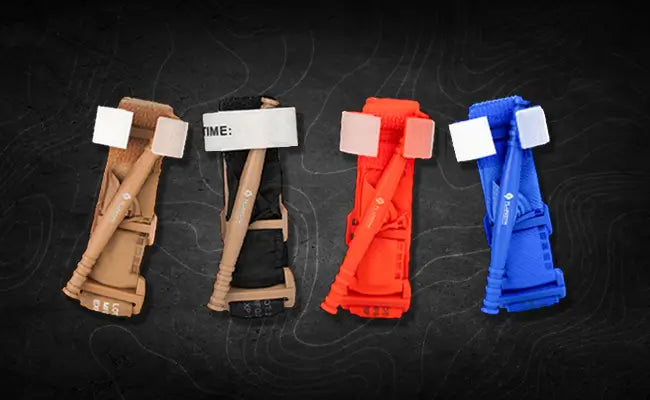
M for Massive Hemorrhage: This is the absolute priority. A person can bleed to death from a large wound in less than three minutes. You must stop "the bleed" immediately using high-quality tourniquets for limbs or hemostatic gauze for wounds in the neck, groin, or armpits.
-
A for Airway Management: Once the bleeding is controlled, you check if the person can breathe. If they are unconscious, their tongue or blood can block their throat. Simple moves like a "head-tilt/chin-lift" or using a nasopharyngeal airway (NPA) tube can keep the path to their lungs open.
-
R for Respiration: This focuses on the chest. If there is a hole in the chest, air can get trapped inside and crush the lungs. You must use a vented chest seal to let air out but not in. Watching for "tension pneumothorax" (a collapsed lung) is a vital part of this step.
-
C for Circulation: Here, you check for signs of shock. Is the skin pale and cold? Is the pulse weak? This is the stage where you dress smaller wounds, re-check your tourniquets, and consider fluid replacement if you have the proper medical training.
-
H for Hypothermia/Head: Even in a hot Casper summer, a trauma patient can freeze. When you lose blood, your body loses the ability to stay warm. If the blood gets too cold, it stops clotting, which leads to more bleeding. You must use thermal blankets to keep them warm and check for any signs of brain injury.
The TCCC Philosophy: Good Medicine vs. Bad Tactics
Tactical Combat Casualty Care (TCCC) is a set of rules that teaches you that the "right" medical treatment at the "wrong" time can get everyone killed. In a dangerous situation, you have to worry about more than just the injury; you have to worry about the threat that caused it. TCCC splits care into three distinct phases to make sure the rescuer stays safe while helping the victim.
The Three Phases of TCCC
-
Care Under Fire (CUF): If the threat is still active, the "best medicine" is returning fire and taking cover. The only medical treatment you do here is applying a tourniquet to a life-threatening limb bleed. Everything else waits until you are behind a wall or out of the line of fire.
-
Tactical Field Care (TFC): Once you are in a safer spot, you can perform the full MARCH assessment. This is where you have the time to use chest seals, pack wounds with gauze, and provide pain relief.
-
Tactical Evacuation (TACEVAC): This is the final move. You prepare the patient for transport in an ambulance or helicopter. You make sure they are wrapped in a blanket, their wounds are stable, and all their information is written down for the next medical team.
Comparison Table: Psychological vs. Physical Trauma Principles
While both types of care are important, they focus on very different things. Understanding the difference helps you know which "toolbox" to open depending on the situation you are facing.
|
Feature |
Trauma-Informed Care (Psychological) |
Tactical Trauma Care (Physical) |
|
Primary Goal |
Emotional Safety & Long-Term Healing |
Immediate Life Preservation |
|
Core Mnemonic |
The 6 Principles (Safety, Trust, etc.) |
M.A.R.C.H. Algorithm |
|
Key Threat |
Re-traumatization & Mental Distress |
Preventable Death (Major Bleeding) |
|
Focus Area |
Creating a Supportive Environment |
Stabilizing Life-Threatening Wounds |
|
Primary Tool |
Clear Communication & Empowerment |
Tourniquets, Gauze, & Chest Seals |
Implementing Trauma Principles Across Industries
The rules of trauma care are not just for doctors; they are being used to change how we work in almost every field. In a place like Casper, businesses and schools are starting to see that being "trauma-informed" makes the community stronger and more resilient.
-
In Healthcare: Hospitals are moving away from asking "What is wrong with you?" and instead asking "What happened to you?" This small change in language helps nurses and doctors understand the root cause of a patient's fear or anger, leading to better cooperation and faster recovery.
-
In First Response: Police and EMS are using these principles to handle high-stress scenes. By staying calm, explaining their actions, and giving victims a sense of control, they can prevent a bad situation from becoming a permanent mental scar for the survivor.
-
In the Workplace: Many companies now realize that employees who have faced trauma need a supportive environment to do their best work. This includes clear communication, physical safety in the building, and a culture that values mental health as much as physical health.
The Impact of 2025-2026 Tech on Trauma Care
As we move through 2026, technology is starting to help human rescuers do their jobs even better. While a machine can never replace the empathy of a person, new tools are making the "physical" side of trauma care much faster.
AI-Assisted Triage
New programs, like those being tested in the DARPA Triage Challenge, use cameras and sensors to scan a large group of injured people. The AI can "see" things the human eye might miss, such as a hidden internal bleed or a slight change in how someone is breathing. This helps medics know exactly who needs help first when there are too many victims to handle at once.
Automated Resuscitation
There are now smart machines that can monitor a patient’s vital signs and automatically adjust things like oxygen flow or fluid drips. These tools act like a "digital assistant" for the medic, allowing them to focus on the most difficult tasks while the machine handles the steady, repetitive parts of keeping someone stable.
Frequently Asked Questions
What are the three C's of trauma care?
For civilians, these are Check, Call, and Care. You check the scene for safety and the person for injuries, you call 911 immediately, and you provide Care like stopping bleeding or keeping the person warm until help arrives. In recovery, the three C's often stand for Choice, Commitment, and Connection.
How do you provide trauma-informed care to marginalized groups?
This requires "cultural humility." It means listening more than talking and acknowledging that historical or systemic issues might make some groups feel less safe. Providing care in their own language and respecting their personal boundaries is a key part of this process.
What is the difference between trauma-informed and trauma-specific care?
"Trauma-informed" is a general approach used by everyone to create a safe environment. "Trauma-specific" care is a professional treatment, like therapy or surgery, designed to fix a specific wound or mental health condition.
How does the MARCH protocol save lives?
MARCH saves lives by forcing the rescuer to fix the most deadly problems first. By stopping massive bleeding (M) before checking the airway (A), you ensure the person doesn't bleed out while you are trying to help them breathe.
Conclusion: The Future is Integrated
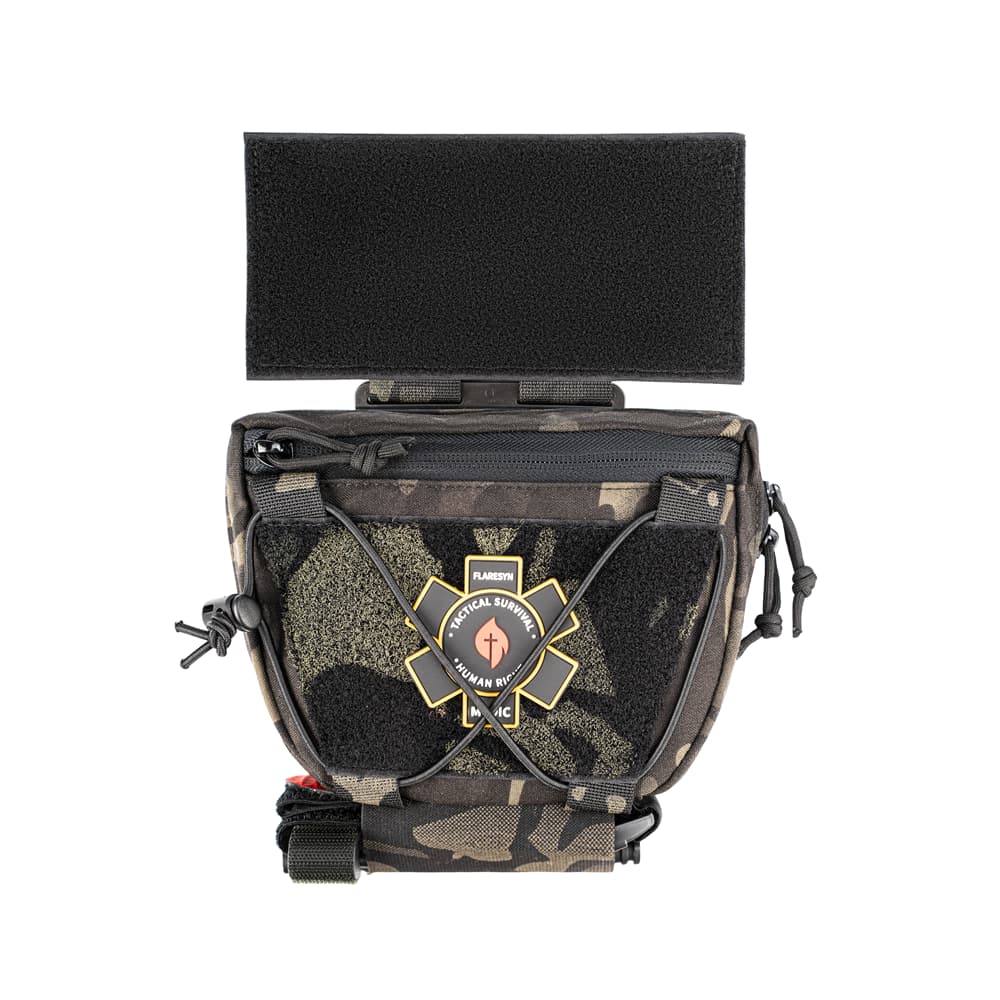
The most effective trauma care happens when we treat the "whole person." Whether you are using a FlareSyn tourniquet to stop a life-threatening bleed or using calm words to make a victim feel safe, you are applying the core principles of trauma care. As technology like AI helps us make faster decisions and our community becomes more aware of mental health, the goal remains the same: to save lives and support healing. By staying trained and having the right gear ready, you can be a vital part of the safety net that keeps your family and your neighbors safe in any crisis.