
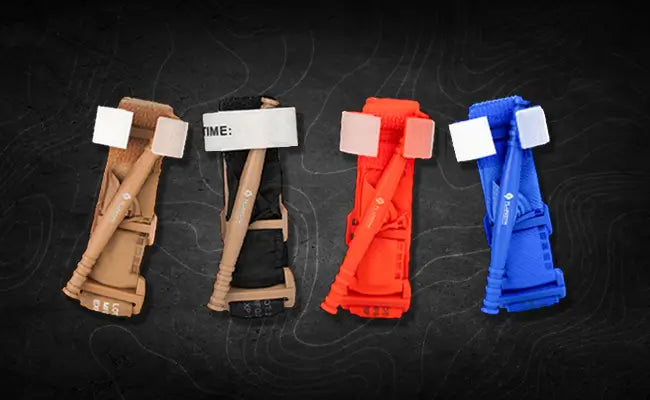

Introduction to the Concept of Trauma and Hemostasis
Trauma refers to external injuries to the body caused by external forces such as impacts, collisions, and chemical erosions.
Blood, a vital substance for sustaining life, circulates through the heart and vascular chambers. An adult's blood volume accounts for about 8% of their body weight, and bleeding is one of the major complications following trauma.
Bleeding occurs when blood vessels rupture, causing blood to escape into areas outside the vessels. It is both the most common and most likely occurrence following trauma. Severe trauma often results in significant blood loss, endangering the victim's life. Effective and timely hemostasis (blood stopping) is crucial for saving lives at the scene of an injury.
Classification of Trauma
Based on the cause of injury: Trauma can be categorized into mechanical injuries, such as cuts, crush injuries, lacerations, and falls; animal bites; and chemical injuries, such as burns and scalds.
Based on the severity of the injury: Trauma can be classified into mild, moderate, and severe levels.
Based on the nature of the wound: There are open wounds, like stab wounds, which expose the injury to the environment, increasing infection risks, and closed wounds, which, though they may show no visible signs, can lead to more severe internal damage.
Assessment of Traumatic Bleeding Sites
Subcutaneous bleeding: Typically results from falls, impacts, or bruises, leading to hematomas or bruises that often heal independently.
Internal bleeding: Not visible externally, this type of bleeding occurs when blood vessels rupture, allowing blood to flow into body cavities such as the thoracic, abdominal, or cranial cavities. Diagnosis relies on symptoms like pallor, vomiting blood, abdominal pain, or a weak pulse. Severe cases necessitate emergency medical intervention.
Evaluation techniques for internal bleeding include:Examining for bleeding indicators such as in the mouth, sputum, feces, or urine.Observing systemic symptoms including pallor, cold sweats, and weak pulse, and assessing for swelling or pain in critical areas like the chest, abdomen, or skull to determine the extent and specific site of bleeding.
External bleeding: Easily identifiable as blood flows out from the injury site. Management involves direct measures to control the bleeding and prevent further complications.
Identification of Different Types of Vascular Bleeding
Arterial Bleeding: Characterized by high oxygen content, arterial blood is bright red and spurts out in a forceful stream. Significant blood loss can occur rapidly and, if not immediately controlled, may be life-threatening.
Venous Bleeding: Venous blood, which has a lower oxygen content, flows continuously and is darker red in color. Delay in managing this type of bleeding can lead to prolonged, substantial blood loss, and potentially endanger life.
Capillary Bleeding: This type of bleeding manifests as a trickle of blood that shifts from bright to dark red. The amount of blood lost is generally minimal, and it often ceases spontaneously.
Common Hemostasis Methods for Traumatic Bleeding
1.Compression Hemostasis
(1)Direct Compression on the Wound
Direct compression is suitable for minor bleeding. Clean gauze, sterile gauze, clean towels, clothing, or scarves can be used to apply pressure to the bleeding site, achieving the purpose of stopping the bleed. Generally, pressing for about 10 minutes is sufficient to halt the bleeding.
Detailed Steps:
① Apply Pressure: Place a clean cloth or towel over the wound and apply direct pressure for 10-20 minutes.
② After Stopping the Bleed: Gently wrap the wound with a bandage, being careful not to bind it too tightly.
③ Avoid Certain Materials: Do not use degreased cotton or paper pads on the wound, nor apply any medications directly to it.
④ Cleaning the Wound: If the wound is not contaminated with dirt, rinse it with a liquid first; avoid using soap.
⑤Handling Clots and Debris: Do not wipe away blood clots or plasma around the bleeding wound, nor remove debris like glass shards from within the wound. Seek immediate medical attention at a hospital.
(2) Digital Pressure Hemostasis
Digital pressure hemostasis is appropriate for severe bleeding in specific areas like the head and limbs. The technique involves using fingers to press an artery near the heart against an underlying bone to obstruct blood flow and achieve hemostasis.
Important Considerations:
Use the index or ring finger to locate the pressure point, not the thumb, as the thumb's central artery is larger and may lead to misjudgment.Once the arterial pressure point is identified, apply pressure with the thumb or multiple fingers.


%20%7C%20%F0%9F%94%AC%20Medically%20Reviewed%20by:%20Dr.%20Alan%20Hastings,%20TCCC%20Certified%20Instructor%20/%20Paramedic%20Expert%20on%20April%2015,%202025.%0A%0A%0A%0A%0AIntroduction%20to%20the%20Concept%20of%20T...)
Leave a comment
This site is protected by hCaptcha and the hCaptcha Privacy Policy and Terms of Service apply.