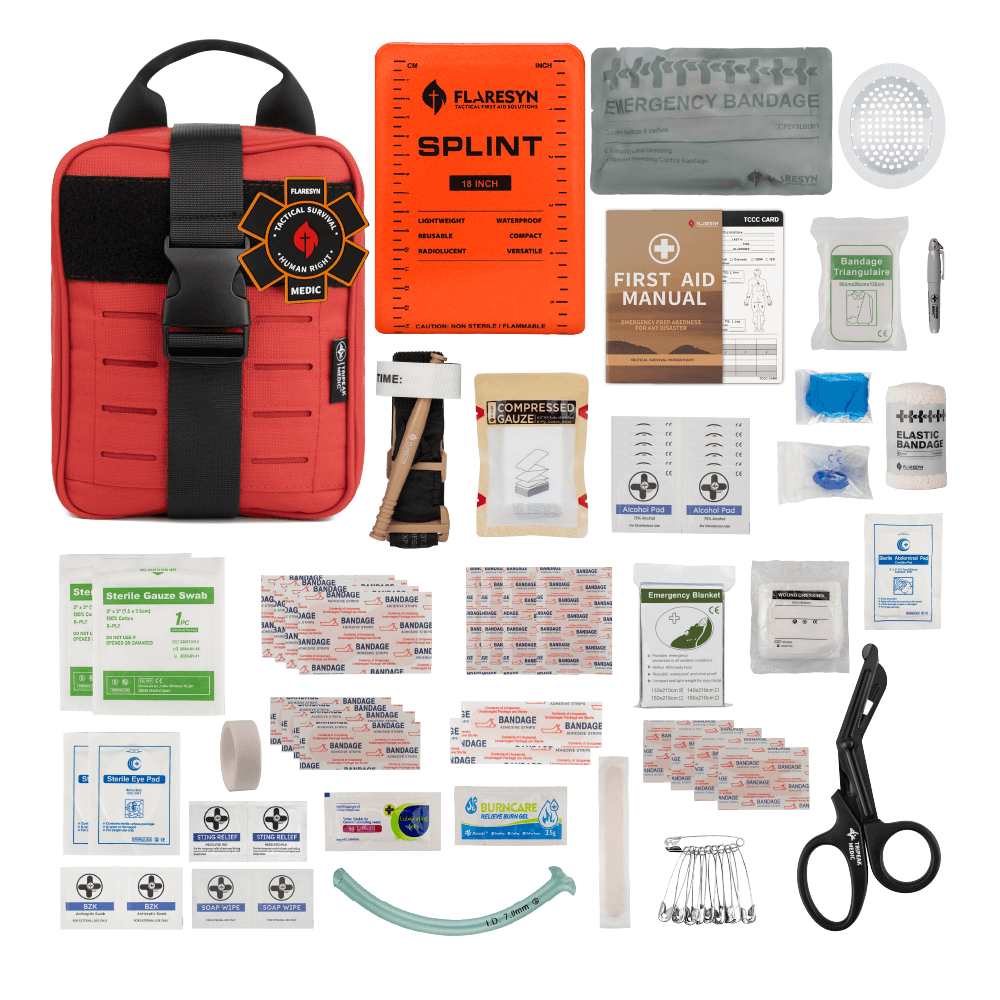
Types of Bandages: A Comprehensive Guide to Choosing the Right One
When it comes to injuries, no matter how small or large, having the right bandage can make all the difference in ensuring a proper and fast recovery. Bandages are essential medical tools that not only protect the wound but also help in bleeding control, infection prevention, and supporting or immobilizing injured areas. In fact, selecting the wrong bandage can slow down healing and lead to complications such as infection or further injury.
Understanding the different types of bandages and knowing which one to use for a specific wound is crucial for ensuring effective treatment. From simple adhesive bandages for minor cuts to more specialized compression bandages for injuries like sprains and strains, choosing the right bandage is a vital step in your first aid kit. In this guide, we’ll explore the various types of bandages, how to choose the right one based on the wound, and how to apply them correctly for the best results.
Common Types of Bandages and Their Uses
Bandages come in many forms, each designed for specific applications based on the type and location of the injury. Here are some of the most common types of bandages, along with their specific uses:
Adhesive Bandages
Adhesive bandages, often known as Band-Aids, are some of the most commonly used bandages. These are designed for minor cuts, scrapes, and abrasions. They come with an adhesive backing that sticks to the skin, ensuring that the wound remains protected from dirt, bacteria, and further injury.
Uses:
-
Small Cuts and Scrapes: Adhesive bandages are ideal for superficial wounds that do not require intensive care. They provide a protective barrier and promote healing by keeping the area clean and dry.
-
Blisters: Special blister bandages can be used to protect against friction, allowing the wound to heal faster without further irritation.
Gauze and Roller Bandages
Gauze and roller bandages are often used for larger wounds, surgical incisions, or when bleeding needs to be controlled. Gauze bandages are absorbent, allowing them to soak up blood and fluid from a wound. Meanwhile, roller bandages are used to secure gauze or other dressings around the injury to ensure they stay in place. Standard bandages are often insufficient for road emergencies; the FlareSyn Vehicle Trauma Kit ensures that high-grade gauze and pressure dressings are mounted directly to your headrest for instant access.
Uses:
-
Large or Deep Wounds: Gauze bandages are used for covering large lacerations or abrasions, as well as surgical wounds. They can be wrapped around the injury site and secured in place with roller bandages.
-
Bleeding Control: These bandages help absorb blood and control bleeding by providing pressure to the wound.
Compression and Cohesive Bandages
Compression bandages, such as short-stretch and long-stretch compression bandages, are designed to provide support and pressure to injured areas, especially in cases of swelling, sprains, and strains. These bandages help reduce edema (swelling) and support joint stability.
Uses:
-
Sprains and Strains: Compression bandages are commonly used to treat injuries like sprained ankles or twisted wrists, where pressure is required to control swelling and reduce pain.
-
Edema Control: These bandages are also used for managing swelling associated with conditions like lymphedema and venous insufficiency.
Hydrocolloid Bandages
Hydrocolloid bandages are advanced wound care products designed for moist wound healing. They are especially effective for blisters, superficial burns, and abrasions. These bandages create a moist healing environment that speeds up the recovery process by absorbing exudates and reducing pain.
Uses:
-
Blisters and Abrasions: Hydrocolloid bandages are perfect for covering blisters and abrasions that need a protective seal. They are highly effective for treating dry skin and preventing further irritation.
-
Minor Burns: For superficial burns, hydrocolloid bandages help manage pain and discomfort while promoting faster healing.
Medicated and Antiseptic Bandages
Medicated bandages are antiseptic bandages that contain medications like antibiotics to help prevent infection and promote healing. They are ideal for contaminated wounds, burns, and post-surgical sites that are at risk for infection.
Uses:
-
Infected Wounds: Medicated bandages like POLYSPORIN® Original Antibiotic Ointment are perfect for treating cuts and scrapes that are prone to infection.
-
Burns and Post-Surgical Care: These bandages can be used on burns, abrasions, and post-surgical wounds to reduce infection risk and promote healing.
Specialized Bandages
Knuckle and Fingertip Bandages
These bandages are designed to fit and protect joints like knuckles and fingertips, which are often challenging areas to wrap with regular bandages. They help secure injured fingers, toes, and other joint areas.
Triangular Bandages
Triangular bandages are versatile first aid supplies used for creating slings, splints, or bandaging large areas. They are perfect for providing support to injured arms or shoulders.
Tubular Bandages
Used for covering fingers, toes, or arms, tubular bandages are easy to apply and ensure that the wound remains protected without needing to secure it with adhesive.
If you need a compact way to carry adhesive strips and cohesive wraps, the Rapid-Deploy Pouch allows you to organize various bandage types without adding bulk to your gear.
Proper Bandage Application Techniques
Proper application of the bandage is as important as choosing the right type. Whether you're dealing with a small cut, a sprained ankle, or a blister, it's essential to follow proper techniques to ensure that the bandage stays in place, doesn’t cause further harm, and provides the necessary protection.
How to Apply Adhesive Bandages
For minor cuts and scrapes, simply clean the wound, dry it, and then apply the adhesive bandage. Ensure the bandage is placed smoothly over the wound and that the adhesive sticks securely to the skin.
How to Apply Gauze and Roller Bandages
For larger wounds, start by applying the gauze directly over the wound, ensuring it covers the entire injury. Next, wrap the roller bandage around the gauze and secure it with adhesive tape to hold it in place.
How to Apply Compression Bandages
To apply a compression bandage, start at the end of the limb (e.g., the foot or hand) and wrap the bandage in a spiral motion toward the body. Be sure not to wrap it too tightly to avoid restricting blood flow.
Key Features of High-Quality Bandages
A bandage may look simple, but the quality of that bandage has a direct effect on wound care, comfort, and healing. In real use, the difference between a low-quality bandage and a well-made one becomes obvious very quickly. A poor bandage may peel off too soon, trap sweat, irritate the skin, or fail to protect the wound from debris and bacteria. A high-quality bandage should stay in place, protect the injured area, feel comfortable during daily movement, and match the needs of the wound. For people in the United States who keep first-aid items at home, in the car, at work, or in outdoor kits, choosing better bandages means fewer wound care problems and better day-to-day readiness.
1. Adhesive Strength and Secure Hold
One of the first things people notice about a bandage is whether it actually stays on. Adhesive strength matters because a bandage that lifts too early can expose the wound to dirt, friction, moisture, and bacteria. At the same time, the adhesive should not be so harsh that it damages the surrounding skin during removal. A good balance is especially important for children, older adults, active workers, athletes, and anyone who needs bandages on fingers, hands, knees, elbows, or other high-movement areas. Products such as fabric bandages, fingertip bandages, and knuckle bandages are often shaped to improve hold where standard strip bandages may fail.
A strong and reliable adhesive is useful for:
-
Minor cuts and scrapes that need daily protection
-
Hands and fingers that are washed often
-
Knuckles, knees, and elbows that bend repeatedly
-
Busy work settings where bandages face friction and sweat
-
Travel and outdoor use where changing bandages often is not practical
2. Breathable Materials for Comfort
A high-quality bandage should protect the wound without making the skin feel trapped. Breathable cotton, sheer bandages, and flexible fabric bandages are often more comfortable for long wear because they allow airflow while still shielding the injury. This matters because trapped moisture around the skin can lead to irritation, soft skin edges, and weaker adhesion. In many wound care cases, comfort is not just a convenience. A comfortable bandage is more likely to stay on properly and less likely to be removed too early.
For everyday use, many people prefer breathable materials because they help with:
-
Better comfort during long wear
-
Less skin irritation
-
Improved flexibility during movement
-
A lighter feel on fingers, wrists, hands, and joints
3. Waterproof Protection for Daily Life
Waterproof bandages are especially useful in modern daily routines. People wash hands, shower, clean, cook, work outside, and spend time in humid conditions. A standard adhesive strip may fail quickly in these settings, while waterproof bandages are made to create a protective seal that keeps moisture out. This is helpful for small wounds that still need coverage during routine activities. Waterproof options are commonly chosen for fingers, hands, and other places that come into contact with water often. They are also useful in travel kits, gym bags, hiking packs, and car first aid kits.
4. Flexibility for Moving Body Parts
Body placement matters. A bandage on the forearm may stay put easily, but a bandage on a knuckle or knee needs to move with the skin. That is why flexibility is a key feature in high-quality wound care products. Flexible fabric bandages, self-adhesive material, and elasticated material help the bandage stay secure during movement. This is especially important for workers, parents, athletes, and anyone who cannot stop moving just because of a small injury.
5. Specialized Shapes for Better Coverage
Not all wounds fit a simple strip. Knuckle bandages, fingertip bandages, triangular bandages, tubular bandages, and roller bandages all serve different purposes because wound location changes the way a bandage should fit. A fingertip injury needs wraparound coverage. A joint injury often needs shape, stretch, or support. A large wound may need gauze plus rolled support. A strained wrist or ankle may need compression. Better bandage design improves coverage and reduces the chance that the dressing slips during normal activity.
Quick Comparison Table
|
Bandage Feature |
Why It Matters |
Best For |
|
Strong adhesive |
Keeps wound covered longer |
Fingers, hands, active use |
|
Breathable cotton or fabric |
Improves comfort and airflow |
Daily wear, sensitive skin |
|
Waterproof seal |
Helps block water and outside moisture |
Showering, hand washing, outdoor use |
|
Flexible material |
Moves with skin and joints |
Knees, elbows, knuckles |
|
Specialized shape |
Covers hard-to-bandage areas better |
Fingertips, knuckles, toes |
|
Soft removal |
Reduces skin pull and discomfort |
Children, elderly users, sensitive skin |
Common Mistakes to Avoid with Bandages
Even the right bandage can fail if it is used the wrong way. Many wound care problems happen because people apply a bandage too fast, choose the wrong type, or leave it on longer than they should. Common mistakes in homes, schools, sports settings, workplaces, and travel situations. Learning what to avoid can make first aid more effective and help wounds heal in a cleaner and safer way.
Using the Wrong Bandage for the Injury
A small adhesive medical strip may work well for a paper cut, but it is not the right choice for a bleeding wound that needs gauze and pressure. In the same way, a standard strip bandage may not stay in place on a knuckle, fingertip, toe, or elbow. Matching the bandage to the wound type, wound size, and wound location is one of the most important parts of first aid. This is where many people make mistakes, especially when they only keep one generic type of bandage at home.
Examples of mismatch include:
-
Using a strip bandage on a large wound
-
Using weak adhesive on high-movement areas
-
Using a dry bandage on a blister that may benefit from hydrocolloid bandages
-
Using standard adhesive on skin with adhesive allergy or sensitive skin
-
Using a non-waterproof option where water exposure is likely
Applying a Bandage Too Tightly
Support bandages such as compression bandages, crepe bandages, roller bandages, and cohesive bandages can be very useful, but they must be applied correctly. Wrapping too tightly may reduce circulation, increase pain, or cause numbness and color change in the fingers or toes below the wrap. This is especially important for ankles, knees, wrists, and hands, where people often use compression for swelling, sprains, or strains.
Signs that a bandage may be too tight include:
-
Tingling
-
Numbness
-
Cold skin
-
Swelling below the wrap
-
Pale or bluish color in fingers or toes
Applying a Bandage Too Loosely
A loose bandage creates a different problem. It may slide off, expose the wound, bunch up over the dressing, or fail to provide support. This is common with gauze bandages, roller bandages, and slings when they are secured in a hurry. A proper bandage should feel secure without cutting into the skin. If it shifts during walking, bending, or lifting, it likely needs adjustment.
Failing to Clean the Wound First
A bandage should protect a wound, but it should not seal in debris or bacteria. Before applying dressings or bandages, the wound should be cleaned with appropriate first aid steps. Dirt, sand, grass, or other debris left in the wound can increase the risk of irritation and infection. Even high-quality medicated bandages work better when basic cleaning is done first.
Ignoring Skin Reactions
Some users have sensitive skin or react to certain adhesives. Redness, itching, rash, or peeling skin around the bandage may point to irritation or adhesive allergy. In these cases, gentler materials, breathable cotton, low-irritation adhesive, or non-adhesive dressings with tape alternatives may be better choices.
Frequently Asked Questions About Bandages
What is the best bandage for minor cuts and scrapes?
For minor cuts and scrapes, adhesive bandages are usually the best first option. They are quick to apply, easy to remove, and good for everyday wound protection. Fabric bandages are often preferred for flexibility, while waterproof bandages are helpful if the area may get wet.
What type of bandage works best for fingers and knuckles?
Fingertip bandages and knuckle bandages work better than standard strip bandages because they are shaped for movement and wraparound coverage. These are useful for hands, fingers, and joints where regular bandages often peel off.
When should you use gauze instead of an adhesive bandage?
Gauze is better for larger wounds, bleeding wounds, surgical areas, or wounds that need extra absorbency. It is often paired with roller bandages or adhesive tape to keep the dressing in place.
Are hydrocolloid bandages good for blisters?
Yes. Hydrocolloid bandages are widely used for blisters because they protect the area, cushion friction, and support a moist healing environment. They are also useful for some abrasions and light surface wounds.
What bandage is best for sprains and swelling?
Compression bandages, crepe bandages, and cohesive bandages are common choices for sprains, strains, and swelling. They help provide compression and light support, especially around ankles, knees, wrists, and elbows.
Conclusion: Choosing the Right Bandage for Better Wound Care
Bandages are one of the most basic tools in first aid, yet they do many different jobs. They protect wounds, help control bleeding, support injuries, reduce friction, and improve healing conditions. The key is knowing that there is no single bandage for every situation. Adhesive strips are useful for minor cuts and scrapes. Gauze and roller bandages are better for larger wounds. Compression bandages help with sprains, strains, and swelling. Hydrocolloid bandages are often the better option for blisters. Specialty shapes improve fit on fingertips, knuckles, elbows, knees, and toes.
The best wound care choice depends on a few simple factors:
-
Wound type
-
Wound size
-
Wound location
-
Skin sensitivity
-
Need for waterproofing or flexibility
For Flaresyn, this topic is a strong opportunity to help customers in a useful and informed way. A well-structured collection of bandages, dressings, gauze, support wraps, and first-aid items can serve readers who want trusted wound care products without confusion. Educational content like this builds trust first, then helps users move naturally from learning to choosing the supplies they actually need.