IFAK for Law Enforcement: Duty-Ready Medical Kit Guide
Every law enforcement officer faces unpredictable situations where seconds can mean the difference between life and death. While patrol officers, SWAT teams, and tactical units are trained to respond to emergencies, having the right medical tools immediately available can save lives. This is where an Individual First Aid Kit (IFAK) becomes essential. Properly stocked and correctly used, an IFAK equips officers to handle severe injuries like massive bleeding, penetrating trauma, and airway blockages before professional medical help arrives. At Flaresyn, we provide duty-ready IFAKs and trauma kit components tailored to meet the demanding needs of law enforcement personnel across the United States.
Understanding the M.A.R.C.H. Protocol for Trauma Response
Effective trauma response starts with understanding the M.A.R.C.H. protocol, a systematic approach used by medical professionals and tactical officers to prioritize life-threatening conditions. Each step addresses critical threats:
-
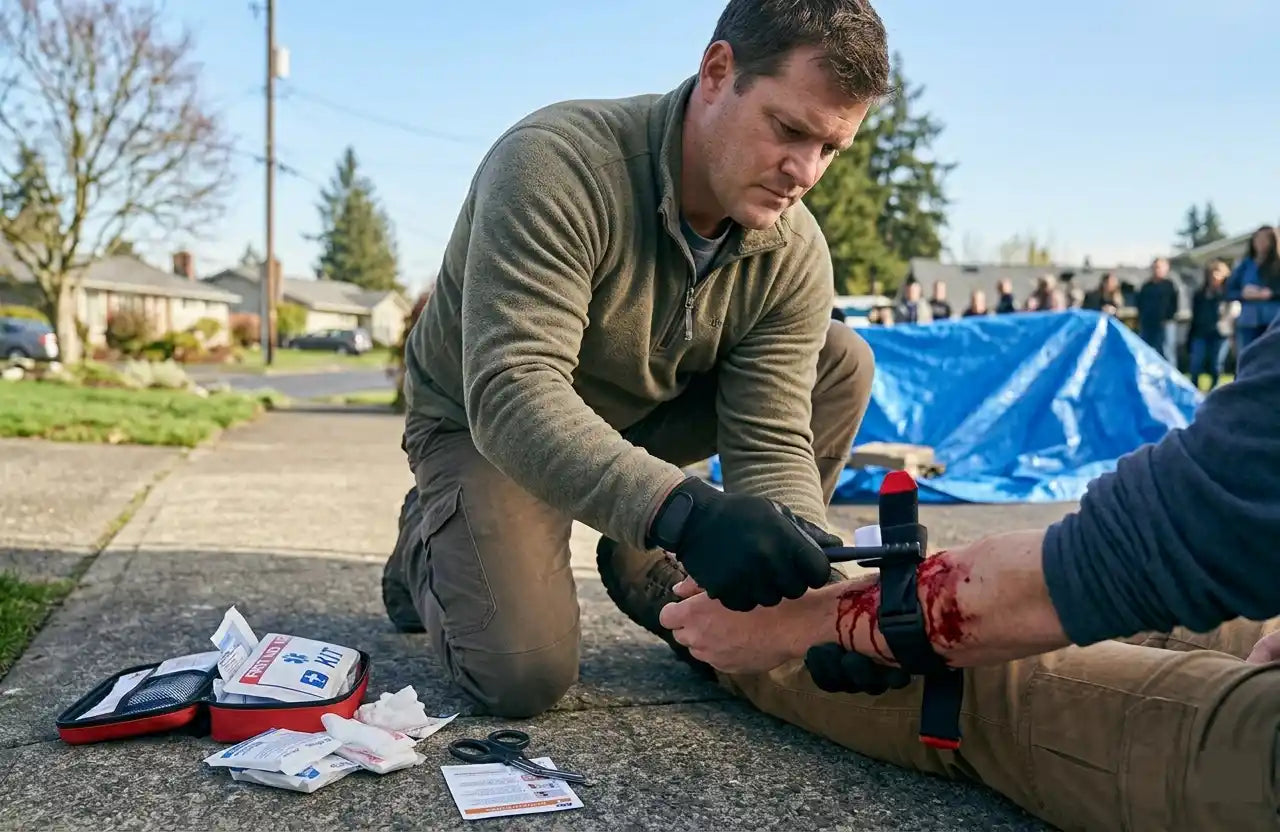
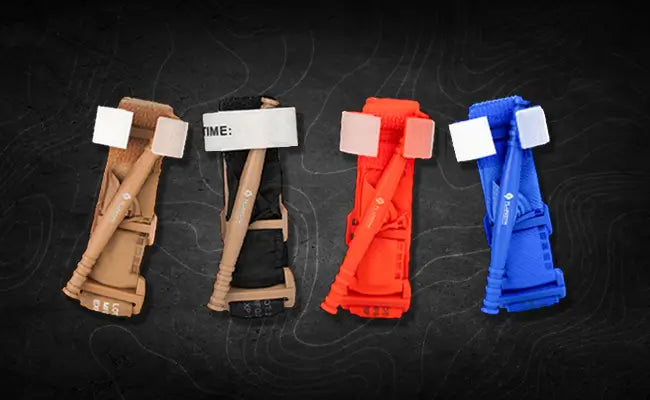
Massive Hemorrhage: Severe bleeding is the leading cause of preventable deaths in trauma cases. Officers should be trained to apply a tourniquet (like CAT or SOF-T) and use hemostatic gauze (such as QuikClot or Celox Rapid) along with pressure dressings to control blood loss quickly.
-
Airway: Maintaining a clear airway is vital. Nasopharyngeal airways (NPA 28F) with lubricant can keep airways open in unresponsive victims.
-
Respiration: For penetrating chest injuries that may cause tension pneumothorax, vented chest seals like HyFin Vent Compact allow trapped air to escape while preventing contamination.
-
Circulation: Officers should monitor for shock and maintain circulation using appropriate bandages and emergency blankets. Early attention to circulation improves survival outcomes.
-
Head / Hypothermia: Preventing hypothermia and managing head injuries are crucial during extended response times. Mylar or space blankets can help maintain body temperature, while careful monitoring addresses head trauma.
Following the M.A.R.C.H. protocol ensures that every action focuses on the most urgent threats first, allowing officers to respond confidently in high-stress scenarios.
Core Components of a Law Enforcement IFAK
A properly prepared IFAK contains essential tools to address the major threats outlined in M.A.R.C.H. Here’s a breakdown of what every law enforcement IFAK should include:
Life-Saving Essentials
|
Component |
Purpose |
Example / Brand |
|
Tourniquet |
Stop severe bleeding |
CAT, SOF-T |
|
Hemostatic Gauze |
Wound packing to control hemorrhage |
QuikClot, Celox Rapid |
|
Pressure Dressing |
Continued bleeding control |
Israeli Emergency Bandage (ETD) |
|
Vented Chest Seal |
Treat penetrating chest wounds |
HyFin Vent Compact |
|
Nasopharyngeal Airway (NPA) |
Maintain airway |
28F NPA with lubricating jelly |
|
Trauma Shears |
Cut clothing or gear to access wounds |
NAR Trauma Shears |
|
Nitrile Gloves |
Protect against bloodborne pathogens |
Standard disposable gloves |
|
Permanent / Triage Marker |
Track wounds, injuries, or care |
Permanent marker |
|
Glow Stick |
Low-light visibility |
Small tactical glow stick |
|
Emergency Blanket / Mylar Blanket |
Shock and hypothermia management |
Compact space blanket |
Optional Enhancements
- Wound packing gauze for larger trauma incidents
- Surgical tape to secure dressings
- SAM splints for fractures
- Backup airway adjuncts or additional tourniquets
At Flaresyn, our law enforcement IFAKs are pre-assembled with these components, ensuring officers have immediate access to the tools they need. Each item is chosen for durability and reliability, from compact pouches that mount on duty belts or plate carriers to vehicle-ready kits for team support. Officers can also customize their kits with optional supplies for specialized assignments, ensuring preparedness for every scenario.
Kit Formats: Compact, Low-Profile, and Vehicle-Based
The best IFAK for law enforcement depends on where and how it will be used. A patrol officer working city streets has different requirements than a SWAT operator serving high-risk warrants. Likewise, a detective working in plain clothes may need a discreet option that remains accessible without drawing attention.
The goal is simple: carry enough medical equipment to address life-threatening injuries while keeping the kit practical for daily use. A kit that is too bulky often gets left behind. A kit that is too small may not contain the supplies needed during a serious emergency.
Compact Duty IFAKs
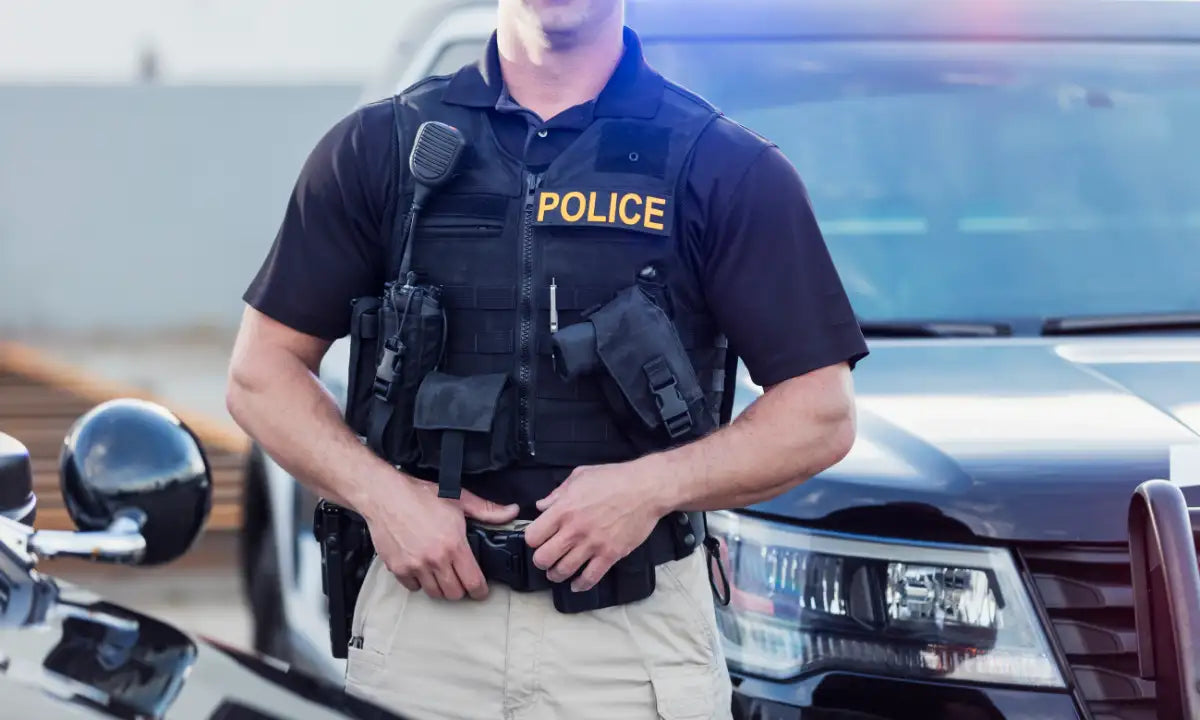
Compact IFAKs are the most common choice for patrol officers. These kits are built for on-body carry and are typically mounted on a duty belt, tactical vest, or plate carrier.
Their primary advantage is immediate access. When an officer suffers an injury or encounters a wounded civilian, the kit is already within reach.
A quality compact IFAK typically includes:
- Tourniquet
- Hemostatic gauze
- Pressure dressing
- Chest seal
- Nitrile gloves
- Trauma shears
Compact kits work especially well for:
- Patrol officers
- Traffic enforcement units
- School resource officers
- Campus police trauma kit
- Transit police
Because space is limited, every item should have a clear life-saving purpose.
Low-Profile Trauma Kits
Not every law enforcement professional wears a tactical vest or full duty belt medical kit. Detectives, narcotics investigators, executive protection personnel, and plainclothes officers often need a medical solution that remains discreet. Low-profile trauma kits focus on carrying essential trauma supplies in a compact pouch that can fit inside a backpack, messenger bag, or concealed carry setup.
These kits usually prioritize:
- Bleeding control
- Airway management
- Minimal bulk
- Fast deployment
Although smaller than traditional patrol kits, they still provide critical capabilities during emergencies.
Patrol Vehicle Trauma Kits
A vehicle-based trauma kit serves as a secondary medical resource and should complement the officer's on-body IFAK. These kits offer additional supplies that may be needed during incidents involving multiple casualties or extended response times.
Common additions include:
- Multiple tourniquets
- Extra chest seals
- Additional hemostatic gauze
- Extra pressure dressings
- Emergency blankets
- Splints
- Burn care supplies
Vehicle kits are especially useful for:
- Patrol supervisors
- Rural deputies
- Highway patrol units
- K9 teams
- Search and rescue support
Many agencies now encourage officers to carry both an on-body IFAK and a vehicle trauma kit for layered preparedness.
SWAT and Tactical Medical Kits
SWAT operations present unique medical challenges. High-risk entries, barricaded suspects, active shooter incidents, and tactical deployments increase the likelihood of traumatic injuries. SWAT medical kits generally contain expanded supplies and are often carried by tactical medics or designated team members.
These kits may include:
- Multiple CAT or SOF-T tourniquets
- Additional wound-packing materials
- Advanced airway equipment
- Multiple chest seals
- Hypothermia prevention supplies
- Casualty evacuation tools
The focus shifts from treating a single casualty to managing multiple trauma patients under operational conditions.
Comparing Common Law Enforcement IFAK Types
|
Kit Type |
Best For |
Carry Method |
Capacity |
|
Compact Duty IFAK |
Patrol Officers |
Duty Belt / Vest |
Moderate |
|
Low-Profile Trauma Kit |
Detectives & Plainclothes Officers |
Bag or Concealed Carry |
Light |
|
Vehicle Trauma Kit |
Patrol Vehicles |
Vehicle Storage |
High |
|
SWAT Medical Kit |
Tactical Teams |
Tactical Gear |
Very High |
Understanding these formats helps officers choose a setup that matches their operational responsibilities instead of relying on a one-size-fits-all solution.
Selecting the Right IFAK for Your Assignment
Choosing the right Individual First Aid Kit for law enforcement begins with understanding the specific needs of your role, the environment in which you operate, and the level of risk you are likely to encounter. A patrol officer conducting city rounds will have different requirements compared to a SWAT operator executing a high-risk entry, and a detective working undercover will need a more discreet solution. The carry method is equally important; kits designed for duty belts, plate carriers, or tactical vests must balance accessibility with mobility.

Officers should avoid novelty or generic kits with unclear components, as these can fail during critical incidents. Instead, modular IFAK options provide flexibility, allowing a kit to be configured for on-body carry or vehicle storage, ensuring all essential tools are at hand when needed. At Flaresyn, our modular IFAK bundles feature durable 500D and 1000D nylon pouches that withstand daily use while keeping components organized and quickly deployable. These kits are designed to meet the real-world demands of law enforcement, providing reliable access to tourniquets, hemostatic gauze, chest seals, and other life-saving essentials under pressure.
Placement and Accessibility Best Practices
Proper placement of an IFAK is critical for rapid response during emergencies. For officers carrying kits on their duty belts, positioning should be centerline, on the side, or at the back in locations accessible to the wearer and to partner officers. Kits mounted on plate carriers or tactical vests offer similar advantages, providing fast access in high-stress operations while keeping the equipment secure and stable during movement. Vehicle or range bag kits serve as secondary resources for team deployment and backup, complementing on-body kits with additional supplies.
One of the most important considerations for placement is accessibility; kits must allow deployment with one hand if the officer is injured or under duress. Pull-tab deployment systems, tear-away pouches, and clearly organized internal layouts ensure that every item can be reached quickly, reducing response time and improving the effectiveness of medical interventions in the field.
Training, Maintenance, and Readiness
Having a well-stocked IFAK is essential, but it is only effective when officers know how to use it correctly. Training and regular maintenance ensure that life-saving tools perform as intended during high-stress situations. Law enforcement personnel should undergo structured drills for bleeding control, airway management, and shock treatment, with a focus on the M.A.R.C.H. protocol.
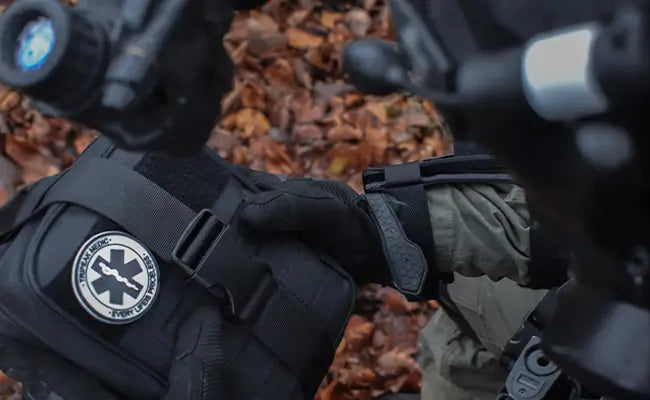
Officers should practice one-handed tourniquet application, as injuries to themselves or victims may limit the use of both hands. Repeated drills under simulated stress conditions improve reaction time and increase confidence when responding to actual emergencies. In addition, knowing how to deploy other core IFAK items, such as chest seals, NPAs, and pressure dressings, can make the difference between survival and preventable death.
Routine maintenance is equally important.
All hemostatic agents, chest seals, and trauma dressings have expiration dates and should be inspected regularly. Trauma shears, gloves, and markers should be checked for wear or damage. After training exercises or real incidents, used or expired components must be replaced immediately. At Flaresyn, we provide replacement parts and full IFAK re-stocking services to keep your kit always ready for deployment.
Legal, Policy, and Compliance Considerations
Law enforcement officers operate under strict agency policies that dictate how and when medical aid can be provided. While most officers are empowered to administer first aid, understanding local laws and department protocols reduces liability and ensures proper documentation of medical interventions. Carrying a properly equipped IFAK is part of maintaining compliance with agency safety requirements and protecting both officers and the public.
Departments often have guidelines specifying which components are required in IFAKs, how kits should be maintained, and how training records should be kept. Ensuring alignment with these policies not only promotes officer safety but also reinforces accountability. Officers should always verify that their kit meets the latest law enforcement medical standards and that any customized additions are approved by their agency.
Real-World Scenarios
Understanding the practical applications of IFAKs helps illustrate their importance. Consider a patrol officer responding to a traffic accident where a victim suffers severe arterial bleeding. With a compact duty belt IFAK, the officer can quickly apply a CAT tourniquet, pack the wound with hemostatic gauze, and maintain circulation with a pressure dressing while waiting for EMS. This immediate intervention can save crucial minutes and prevent life-threatening blood loss.
In a tactical SWAT operation, multiple team members may encounter injuries simultaneously. A vehicle-based trauma kit, stocked with additional tourniquets, chest seals, and airway adjuncts, ensures that each casualty receives timely care. These real-world applications highlight the need for layered preparedness: an on-body IFAK for rapid intervention and a vehicle or team kit for backup support.
Quick-Reference Checklist
To ensure readiness, officers benefit from a checklist of essential IFAK components. This includes:
- Tourniquet (CAT or SOF-T)
- Hemostatic gauze (QuikClot, Celox Rapid)
- Pressure dressing / Israeli Emergency Bandage
- Vented chest seal (HyFin Vent Compact)
- Nasopharyngeal airway (28F) + lubricant
- Trauma shears
- Nitrile gloves
- Permanent / triage marker
- Emergency / Mylar blanket
- Optional: splints, additional gauze, surgical tape
Frequently Asked Questions (FAQ)
What is an IFAK and why is it critical for law enforcement?
An IFAK is a personal trauma kit intended for immediate response to life-threatening injuries. It allows officers to control severe bleeding, maintain airways, and manage shock before EMS arrives.
How often should I inspect my IFAK?
Components like hemostatic agents and chest seals should be checked at least every 6–12 months, with immediate replacement after use or when expired.
Can officers carry multiple IFAKs safely?
Yes. Many agencies encourage a combination of on-body and vehicle kits to provide layered preparedness for patrol, tactical operations, and team response.
What makes a high-quality IFAK?
Reliability of components, durability of the pouch, quick accessibility, and alignment with the M.A.R.C.H. protocol. Brands like CAT tourniquet, QuikClot, Celox, HyFin Vent Compact Chest Seal, and Israeli Emergency Bandage are recommended for their proven performance.
Final Thought
A duty-ready IFAK equips law enforcement officers to respond quickly and effectively to trauma situations, improving outcomes for both officers and civilians. Proper selection, smart placement, quality components, and consistent training are key to maximizing the kit’s life-saving potential. At Flaresyn, we provide comprehensive law enforcement IFAKs, replacement components, and full-service support for patrol, tactical, and SWAT teams across the United States. Explore our duty-ready trauma kits and resources to ensure that you and your team are always prepared to respond under pressure.