

Echte Erfahrungsberichte und Lektionen zu Trauma Gear aus 2026
Warum User Stories wichtig sind
Notfallhandbücher und Anleitungen können die Schritte erklären, aber nichts bringt den Kern so auf den Punkt wie eine echte Geschichte. Wenn ein Wanderer auf einem Trail ausrutscht oder ein Fahrer plötzlich mit einer Verletzung am Straßenrand konfrontiert wird, veranschaulichen die Entscheidungen, die sie treffen – und die Ausrüstung, nach der sie greifen – Lektionen, die Lehrbücher nie vollständig erfassen können.
Von der Theorie zur Realität: Lektionen aus der Praxis
Nehmen wir zum Beispiel eine von der Community eingereichte Geschichte: Ein Wanderer am Wochenende stürzte auf einen nassen Felsen und zog sich eine tiefe Schnittwunde am Bein zu. Er griff in seinem Rucksack nach dem Tourniquet und legte es unter Stress an, wodurch die Verletzung stabilisiert wurde, bis Hilfe eintraf. Geschichten wie diese zeigen, wie Timing, Vertrautheit mit der Ausrüstung und schnelles Denken zusammenspielen, um Leben zu retten.
Wie Geschichten eine klügere Vorbereitung fördern
Zu hören, wie andere mit Notfällen umgehen, hilft Leserinnen und Lesern, Herausforderungen vorherzusehen und ihre eigenen Reaktionen zu verfeinern. Es geht nicht nur darum, welche Ausrüstung funktioniert – sondern darum, wie Menschen Maßnahmen priorisieren, einen kühlen Kopf bewahren und sich unter Druck anpassen. Diese Erzählungen verwandeln abstraktes Wissen in praktische Orientierung, die die Community in realen Situationen anwenden kann.
Lebensrettende Ausrüstung im Einsatz
Tourniquet rettet: Notfälle an Gliedmaßen
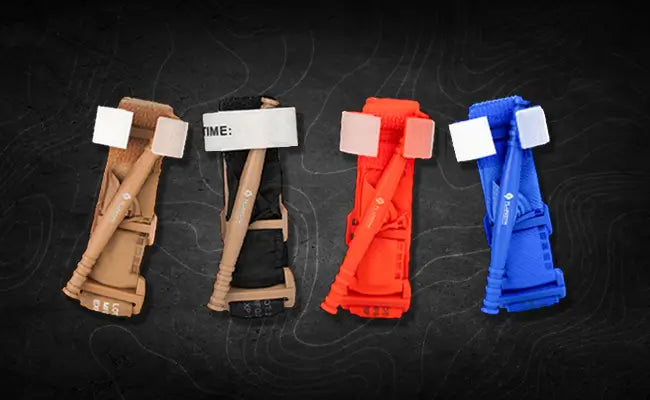
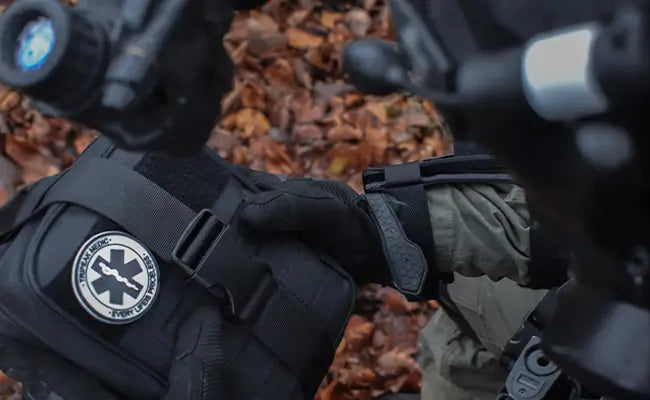
Im letzten Sommer, während einer Wanderung am Wochenende, rutschte eines unserer Gruppenmitglieder auf einem nassen Felsen aus und zog sich am Unterarm eine tiefe Schnittwunde zu. Die Blutung setzte sofort und beängstigend ein. Einen Moment lang war ich überfordert, das Herz schlug mir bis zum Hals, doch dann erinnerte ich mich an das Tourniquet-Training, das ich zu Hause geübt hatte. Mit ruhigen Händen legte ich das Tourniquet oberhalb der Wunde an. Sofort verlangsamte sich die Blutung, und Panik wich der Konzentration. Der Rettungsdienst traf 25 Minuten später ein, aber der entscheidende Unterschied lag in diesen ersten wenigen Augenblicken. Ohne dieses spezielle Ausrüstungsstück und die vorherige Übung hätte das Ergebnis viel schlimmer ausfallen können. Der Wanderer erzählte später, dass es einen großen Unterschied für Komfort und Genesung machte, nach dem Anlegen des Tourniquets wieder bewegungsfähig zu sein und klar kommunizieren zu können.
Smart Wearables mit Echtzeit-Alarm
In trauma gear user stories, erlebte ein Soloradfahrer auf einer Langstreckenreise einen Sturz bei hoher Geschwindigkeit. Sein Smart-Armband, das kontinuierlich die Herzfrequenz überwachte und plötzliche Aufprälle erkannte, sendete sofort einen Alarm mit GPS-Standort und Vitaldaten an seine Notfallkontakte. Allein auf einer Landstraße konnte der Radfahrer aus seinem kleinen Trauma-Set schnell Mull und einen Druckverband anlegen, während er auf Hilfe wartete. Innerhalb von 15 Minuten traf ein Helfer ein, geleitet durch den Echtzeit-Alarm. Später merkte der Radfahrer an, dass die Kombination aus Wearable-Technologie und tragbarer Trauma-Ausrüstung eine potenziell lebensbedrohliche Situation in eine kontrollierte Reaktion verwandelt hatte.
Diese Berichte zeigen den greifbaren Nutzen, sowohl die richtigen Werkzeuge als auch das Wissen zu haben, sie zu benutzen. Die Momente direkt nach einem Unfall – chaotisch, stressig und schnell – stehen in starkem Kontrast zum stabilisierten Zustand danach, wenn die richtige Ausrüstung korrekt eingesetzt wird. Tourniquets, smarte Wearables und gut organisierte Sets sind nicht nur praktisch; in echten Notfällen können sie der entscheidende Faktor zwischen eskalierenden Verletzungen und einer erfolgreichen Erstversorgung sein.
Gelerntes & Ausrüstungsverbesserungen
Dein Set anhand realer Vorfälle anpassen
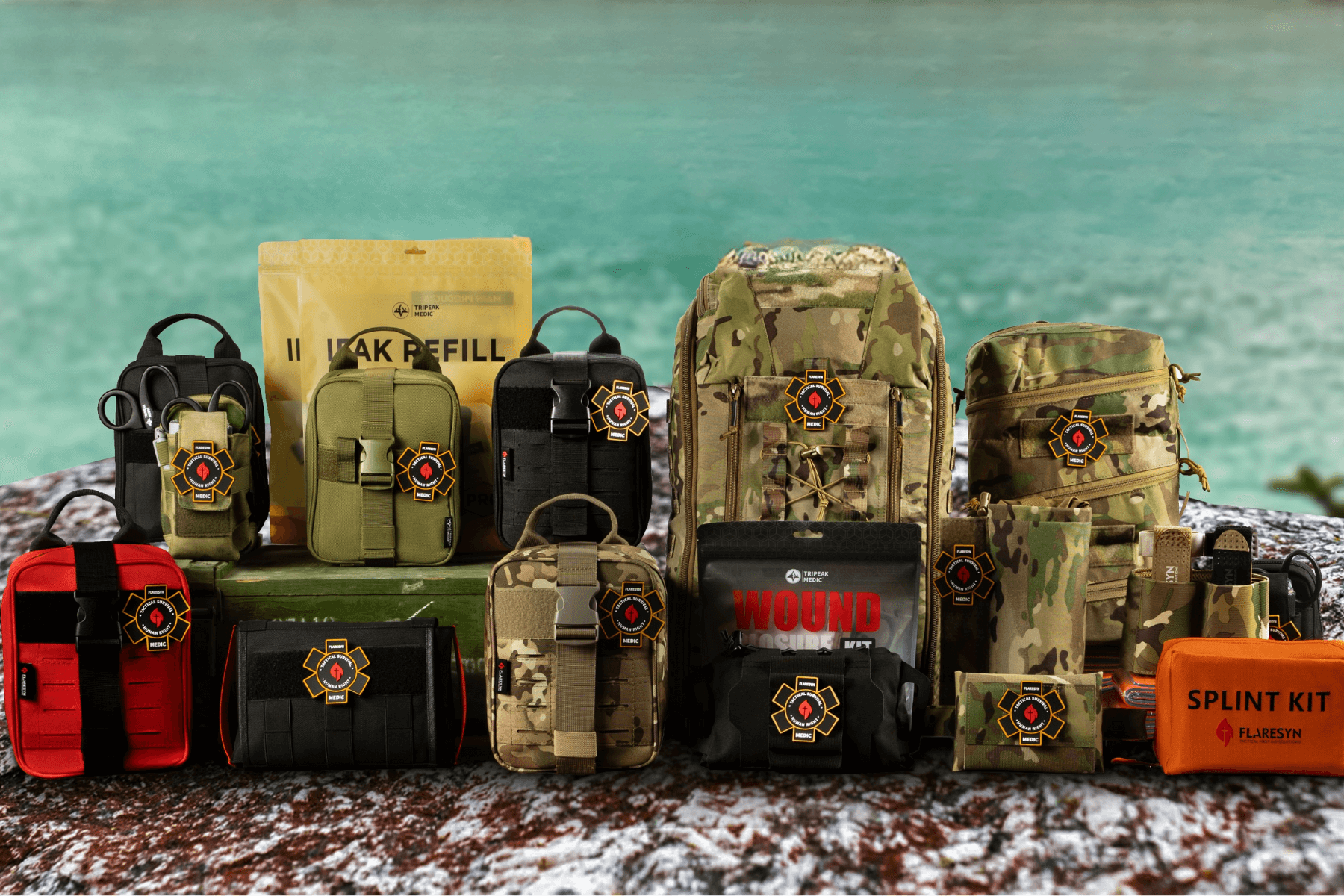
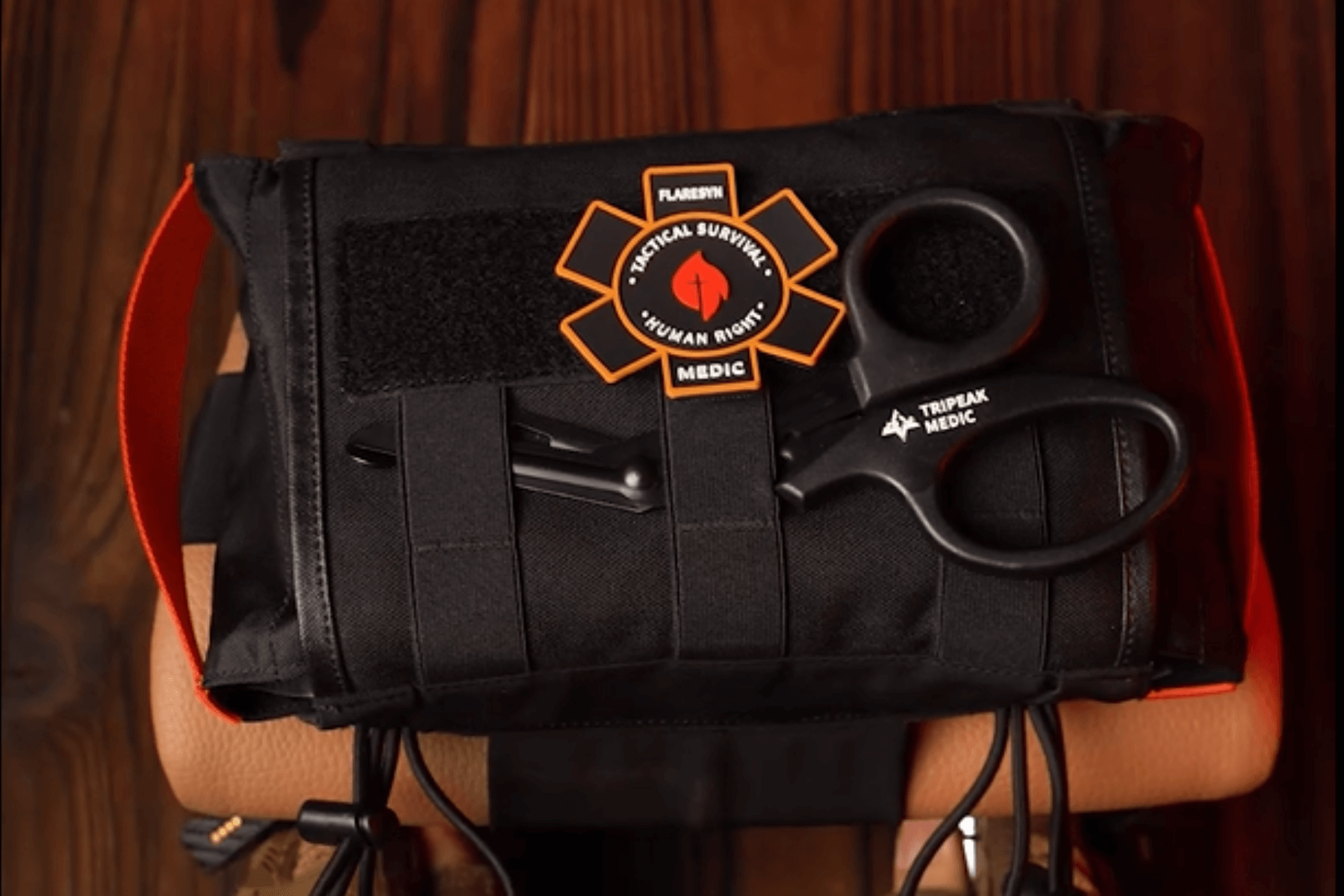
Ein begeisterter Wanderer berichtete von einer mehrtägigen Tour, bei der sich sein Standard-Trauma-Set bei einem plötzlichen Knöchelbruch als sperrig und langsam zugänglich erwies. Nachdem er sich damit abmühte, die richtigen Dinge schnell herauszuholen, entschied er sich, sein Set für leichte Tragbarkeit neu zu gestalten. Er tauschte voluminöse Verbände gegen kompaktes hämostatisches Mullmaterial, ersetzte ein Standard-Tourniquet durch ein Schnellverschluss-Modell und ordnete die Tasche neu, sodass wichtige Dinge – wie Handschuhe, Schere und Druckverbände – oben lagen. Der Wanderer bemerkte, dass diese Anpassungen seine Reaktionszeit um wertvolle Minuten verkürzten und es ihm ermöglichten, zusätzliches Wasser und Snacks mitzunehmen, ohne mehr Gewicht zu tragen.
Ein anderer Nutzer, ein Wochenendradfahrer, betonte die Integration von Wearables. Nachdem er einen Sturz erlebt hatte, bei dem sein Smart-Armband Kontakte alarmierte, ihm aber nicht sagte, was als Nächstes zu tun war, fügte er dem Set eine kleine, gedruckte Checkliste für die „ersten Schritte“ hinzu und synchronisierte sie mit seinen Wearable-Benachrichtigungen. Jetzt weiß er bei einem erkannten Sturz sofort, ob er nach Blutungen sehen, eine Gliedmaße ruhigstellen oder den Rettungsdienst rufen soll, was Zögern und Panik reduziert.
Fehler, die Nutzer gemacht haben (und korrigiert haben)
Viele Nutzer berichteten von typischen Fallstricken in echten Notfällen. Ein wiederkehrender Fehler war Überpacken: alles Mögliche mitzunehmen, ohne die wichtigsten Werkzeuge zu priorisieren. Ein weiterer war, neue Ausrüstung nicht zu üben – Tourniquets wurden falsch angelegt oder Verbände saßen unter Stress zu locker. Nach diesen Vorfällen betonten die Nutzer, dass Übungen unerlässlich sind: Das wiederholte Üben mit genau dem Set, das man mitführt, kann Fehler verhindern, wenn Sekunden zählen.
Auch Batteriemanagement und Gerätepflege erwiesen sich als entscheidende Lektionen. Ein Smart-Wearable eines Solo-Rucksackreisenden fiel mitten auf der Wanderung wegen eines niedrigen Akkustands aus, was die Notwendigkeit stromsparender Geräte, Ersatzbatterien oder Solarladegeräte verdeutlichte. Andere stellten fest, dass Wasserdichtigkeit und Haltbarkeit wichtiger waren als zunächst gedacht – Nässe oder raues Gelände konnten die Ausrüstung beeinträchtigen, wenn sie nicht entsprechend robust ausgelegt war.
Aus diesen Erfahrungen aus erster Hand hat die Community begonnen, praktische Verbesserungen zu teilen: priorisierte leichte, kompakte und stromsparende Geräte; Sets für schnellen Zugriff organisiert; und traditionelle Werkzeuge mit Smart Wearables kombiniert. Den Lesenden wird in Erinnerung gerufen, dass Fehler Chancen zum Lernen sind – dein Set auf Grundlage realer Vorfälle anzupassen ist der schnellste Weg zu einer sichereren, klügeren Vorbereitung.
Community-Einsendungen & Engagement
So kannst du trauma gear user stories einreichen
Das Teilen deiner eigenen Notfallerfahrung kann für die Community einen echten Unterschied machen. Nutzer werden ermutigt, detaillierte Berichte über Vorfälle einzureichen, bei denen Trauma-Ausrüstung – oder Wearable-Technologie – ihnen geholfen hat, effektiv zu reagieren. Wenn du deine Geschichte schreibst, konzentriere dich auf drei zentrale Elemente: die Situation, die von dir ergriffenen Maßnahmen und das Ergebnis. Füge konkrete Details hinzu, etwa welche Art von Ausrüstung du verwendet hast, wie du darauf zugegriffen hast und welche unerwarteten Herausforderungen aufgetreten sind. Selbst scheinbar kleine Details – wie die Erkenntnis, dass sich deine Handschuhe unter Stress schwer ausziehen ließen – können anderen wertvolle Lektionen vermitteln.
Ermutigende Tipps für ausführliche, nützliche Beiträge
Damit dein Beitrag wirklich hilfreich ist, könntest du ihn als kleine „Schritt-für-Schritt“-Erzählung schreiben. Beginne damit, Umgebung und Kontext zu beschreiben: Warst du allein wandern, mit der Familie unterwegs oder in einem örtlichen Park? Erkläre dann deinen Entscheidungsprozess: Wie hast du Verletzungen priorisiert, die richtige Ausrüstung ausgewählt oder Wearable-Alerts genutzt? Reflektiere schließlich über das Ergebnis und darüber, was du beim nächsten Mal anders machen würdest. Fotos oder Diagramme deines Set-Aufbaus hinzuzufügen (optional und auf Wunsch anonym) kann deine Erfahrung für Leserinnen und Leser zusätzlich verständlicher machen.
Community-Engagement hilft nicht nur anderen Nutzern, ihre Bereitschaft zu verbessern, sondern steigert auch die Sichtbarkeit deiner Geschichte online. Google bevorzugt einzigartige, authentische Inhalte mit hoher Interaktion und langer Verweildauer – genau das, was echte Nutzereinreichungen liefern. Durch deinen Beitrag baust du ein Archiv praktischen Wissens auf, inspirierst sicherere Vorgehensweisen und schaffst ein Netzwerk von Nutzern, die voneinander lernen.
Schon ein einzelner Beitrag kann Diskussionen anstoßen: Jemand könnte eine alternative Tourniquet-Technik kommentieren, einen kompakteren Set-Aufbau vorschlagen oder Tipps zur Wearable-Integration teilen. Mit der Zeit bilden diese gemeinsamen Beiträge ein lebendiges Nachschlagewerk für Ersthelferwissen, das direkt von den Menschen geprägt ist, die Notfälle tatsächlich erleben.
Trends aus Community-Geschichten analysieren
Häufigste Verletzungen & wirksame Ausrüstung
Die Auswertung von Hunderten von Community-Geschichten zeigt klare Muster in Notfallsituationen. Verletzungen an Gliedmaßen – insbesondere Schnitte, Frakturen und schwere Verstauchungen – gehören weiterhin zu den am häufigsten gemeldeten Vorfällen. Tourniquets, hämostatisches Mull und Druckverbände erweisen sich immer wieder als die Ausrüstung, die in den ersten Minuten der Reaktion den greifbarsten Unterschied macht. Nutzer heben oft hervor, dass es entscheidend war, diese Werkzeuge sofort griffbereit zu haben statt sie tief im Rucksack zu verstauen, um die Situation zu stabilisieren.
Neue Muster in 2026 Outdoor trauma gear user stories
Über einzelne Vorfälle hinaus fallen im Jahr 2026 einige Trends auf. Wearable-Technologie – wie Smart-Armbänder, Brust-Patches und Aufprallsensoren – wird zunehmend dafür gelobt, Nutzern vor einer Eskalation von Unfällen eine wichtige Frühwarnung zu geben. Stürze auf Wanderwegen, plötzliche Herzereignisse bei Roadtrips und Vorfälle mit mehreren Personen bei Familienausflügen sind Szenarien, in denen Wearables und Trauma-Ausrüstung zusammen die höchste Überlebenswirkung gezeigt haben. Community-Geschichten deuten außerdem auf einen Wandel hin zu leichten, energiesparenden und modularen Set-Designs hin, was den Wunsch nach Mobilität ohne Einbußen bei der Einsatzbereitschaft widerspiegelt.
Die Analyse dieser geteilten Erfahrungen ermöglicht es der Community, nicht nur zu sehen, welche Ausrüstung funktioniert, sondern auch, wie und warum sie unter realen Bedingungen funktioniert. Sie liefert umsetzbare Erkenntnisse: Welche Werkzeuge priorisiert werden sollten, wie dein Set für schnellen Zugriff aufgebaut wird und wann Wearable-Alerts mit praktischer Erster Hilfe kombiniert werden sollten. Für A4-Nutzer – also diejenigen, die sich intensiv mit dem Teilen von Erfahrungen beschäftigen – sind diese Muster mehr als Statistiken; sie sind aus Hunderten realer Tests destillierte Lektionen, die sowohl praktische Orientierung als auch Inspiration für eine klügere Vorbereitung bieten.
Lektionen in die eigene Vorbereitung integrieren
Community-Erkenntnisse auf dein Set anwenden
Community-Geschichten sind nicht nur Unterhaltung – sie sind ein Fahrplan, um deine eigene Traumavorbereitung zu verbessern. Beginne damit, Vorfälle zu prüfen, die deinem Lebensstil oder Umfeld ähneln. Wenn Wanderer häufig von Knöchelbrüchen auf unebenen Wegen berichten, solltest du eine kompakte Schiene hinzufügen und das Schuhwerk verstärken. Wenn Roadtrip-Geschichten plötzliche Herzereignisse hervorheben, stelle sicher, dass dein Set ein mit Wearables kompatibles Alarmsystem sowie schnell zugängliche Handschuhe und Mull enthält. Der Schlüssel ist, aus dem, was für andere funktioniert hat (und was nicht), umsetzbare Verbesserungen für deine eigene Ausrüstung abzuleiten.
Szenariobasiertes Üben inspiriert von realen Fällen
Sobald du Ausrüstungsverbesserungen identifiziert hast, übe deren Einsatz in realistischen Szenarien. Spiele einen Sturz auf einem Trail, einen Autounfall bei einer langen Fahrt oder einen Notfall mit mehreren Personen in der Familie durch. Nutze Wearable-Alerts, um deine Reaktion auszulösen – Blutungen stoppen, eine Fraktur ruhigstellen oder den Rettungsdienst rufen – und integriere traditionelle Trauma-Werkzeuge, je nachdem, wie die Situation es erfordert. Dieser „Beobachten, reflektieren, üben“-Kreislauf stärkt die Entscheidungsfindung, reduziert Zögern und verbessert die Muskelgedächtnisleistung.
Zukunft der gemeinschaftsgetriebenen Sicherheit
Wie UGC die Entwicklung von Trauma-Ausrüstung 2026 prägt
Nutzererzeugte Inhalte (UGC) treiben 2026 zunehmend das Design von Trauma-Ausrüstung voran. Hersteller analysieren inzwischen Community-Geschichten, um zu verstehen, was in echten Notfällen funktioniert – und was nicht. Beispielsweise führten mehrere Berichte darüber, dass Armbänder bei Wanderungen an Kleidung hängenblieben, zu schlankeren, widerstandsfähigeren Designs. Geschichten über verzögerte Alarme in abgelegenen Gebieten führten zu stärkeren Konnektivitätsfunktionen und längerer Akkulaufzeit. Diese Erkenntnisse ermöglichen es Designern, schnell zu iterieren und Ausrüstung zu entwickeln, die den tatsächlichen Bedürfnissen der Nutzer im Feld besser entspricht.
Eine Feedbackschleife zwischen Nutzern und Designern aufbauen
Die Community ist nicht nur eine Quelle von Anekdoten – sie ist ein aktiver Partner in der Produktentwicklung. Indem Nutzer detaillierte Vorfälle teilen, einschließlich der verwendeten Ausrüstung, ihres Einsatzes und der Ergebnisse, schaffen sie eine Feedbackschleife, die neue Funktionen, Verbesserungen der Bedienbarkeit und Sicherheitsprotokolle beeinflusst. Aktive Beteiligung stärkt das Ökosystem: Je mehr Geschichten geteilt werden, desto intelligenter und zuverlässiger wird die Ausrüstung für alle.
Wenn Leserinnen und Leser ermutigt werden, kontinuierlich Beiträge zu leisten, wächst die Community sowohl in Größe als auch in Qualität. Mit der Zeit bilden diese Beiträge ein inhaltsreiches Ökosystem mit hoher Interaktion, in dem reale Erfahrungen Innovation prägen und die Nutzer selbst eine entscheidende Rolle dabei spielen, Traumavorbereitung und Sicherheitsstandards voranzubringen.



Hinterlasse einen Kommentar
Diese Website ist durch hCaptcha geschützt und es gelten die allgemeinen Geschäftsbedingungen und Datenschutzbestimmungen von hCaptcha.