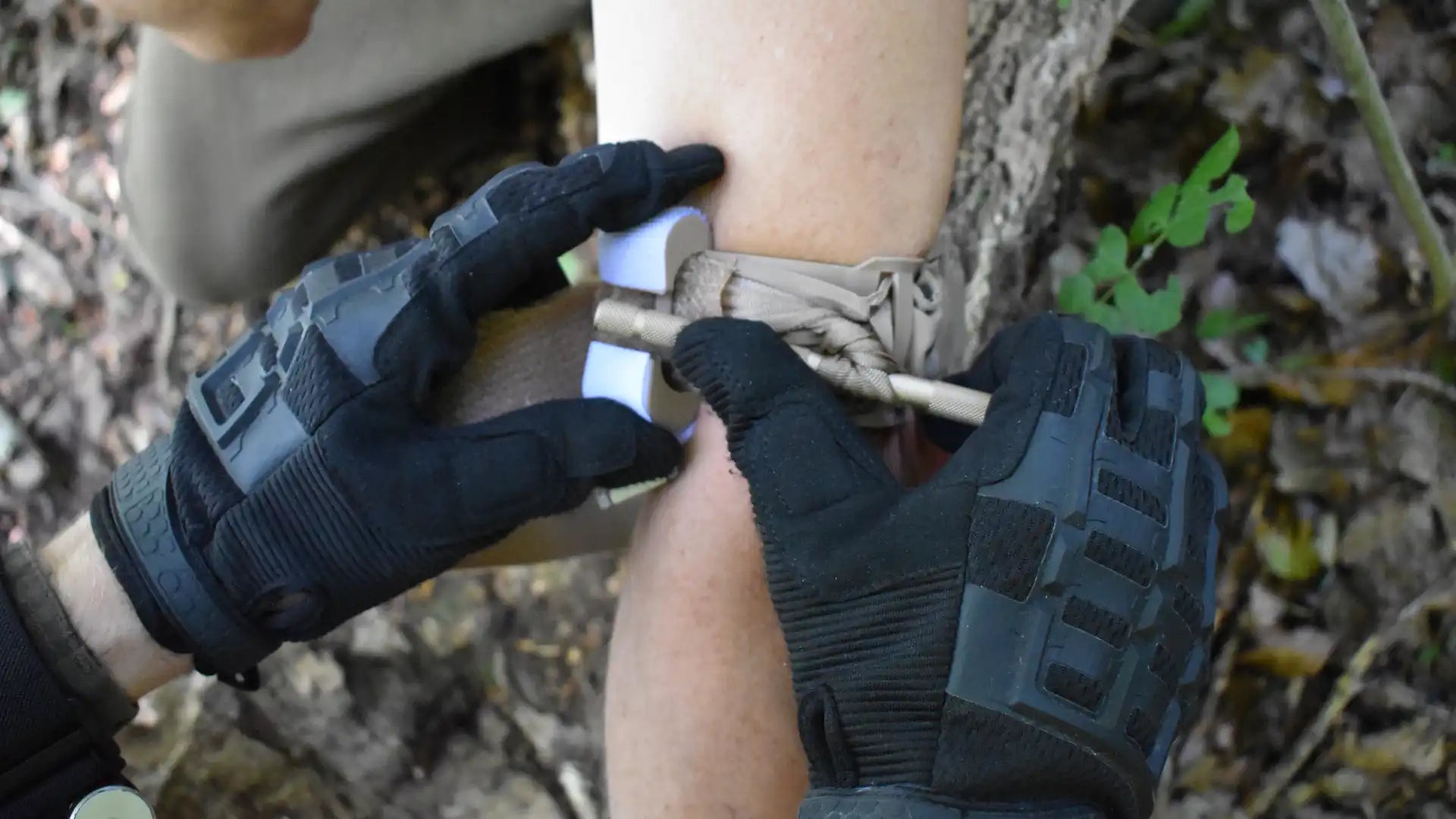


Burn First Aid at Work: OSHA Compliance and Best Practices
Burn injuries in workplace environments can be sudden and severe, and responding quickly with proper first aid can significantly reduce injury severity, prevent complications, and even save lives. Whether you are working in food manufacturing, industrial kitchens, maintenance, or manufacturing lines, burns can occur from hot surfaces, chemicals, electrical equipment, grease, steam lines, or sun exposure. Understanding the types of burns, their severity, and OSHA compliance standards is essential for every employee, supervisor, and first responder on site. This guide is crafted to provide practical, US OSHA-aligned strategies for burn first aid, including prevention measures, response protocols, and first-aid tools, helping workplaces reduce downtime and protect personnel effectively.
OSHA Regulations & Legal Requirements for Burn First Aid
Workplace safety in the United States is regulated under OSHA standards, specifically 29 CFR 1910.151(b), which requires that employers provide adequate first aid equipment and trained personnel for their workplace settings. OSHA does not prescribe exact supplies for burn care, but it mandates that employers must ensure employees can access first-aid treatment quickly and safely.
Employers are responsible for providing trained responders, who may be on-site or able to reach the employee quickly, depending on the workplace risk level. For example, a manufacturing line or laboratory with chemical exposure hazards may require an on-site trained responder with proper burn treatment knowledge. OSHA also requires that all injuries, including burns, be evaluated and recorded correctly. Minor first-degree burns treated immediately may be documented differently from serious burns involving multiple layers of skin or electrical injuries.
Additionally, employers must provide initial and refresher training for staff. OSHA recommends that employees complete site-specific first aid training aligned with risk exposure, including how to identify burn severity and apply proper treatment. Recordkeeping is also critical: employers must distinguish between first aid treatments and medical treatments requiring professional care, ensuring compliance with OSHA reporting and hazard communication requirements.
|
OSHA Requirement |
Practical Implementation |
|
Access to First Aid |
Place kits near high-risk zones (kitchen, maintenance areas, chemical labs) |
|
Trained Personnel |
Ensure at least one responder per shift trained in burn first aid |
|
Injury Documentation |
Use OSHA logs for burns above first-degree severity or chemical/electrical exposure |
|
Refresher Training |
Conduct quarterly or annual burn response drills |
|
Hazard Communication |
Display clear hazard labels, GHS symbols, and burn safety signage |
Properly understanding OSHA regulations ensures that both employers and employees are prepared, and minimizes liability while increasing workplace safety.
Understanding Workplace Burn Hazards
Burn hazards in workplaces vary widely and can result from several sources. Recognizing these hazards helps supervisors, first responders, and employees respond correctly.
Types of Burns
-
Thermal Burns: Caused by hot surfaces, liquids, steam, or open flames. Common in industrial kitchens, food processing, and maintenance areas.
-
Chemical Burns: Result from acids, alkalis, or corrosive cleaning agents. These burns are common in laboratories and maintenance workshops.
-
Electrical Burns: Occur when current passes through the body. Often accompanied by internal injuries and can happen in industrial or manufacturing lines with live circuits.
-
Grease/Oil Burns: Hot oil or cooking grease can cause deep tissue burns, particularly in kitchens.
-
Steam Line Burns: High-pressure steam exposure can rapidly cause second or third-degree burns.
-
Sun Exposure Burns: Relevant for outdoor workplaces like warehouses or maintenance sites where workers are exposed to UV radiation.
Burn Severity
Burns are classified based on depth and tissue involvement:
|
Burn Type |
Layers Affected |
Symptoms |
Workplace Context |
|
First-Degree |
Epidermis |
Redness, mild pain |
Minor contact with hot surfaces |
|
Second-Degree |
Epidermis + Dermis |
Blisters, swelling, intense pain |
Grease/oil or chemical splashes |
|
Third-Degree |
Full thickness |
White/charred skin, numbness |
Electrical burns, high-heat contact |
|
Fourth-Degree |
All skin + underlying tissue |
Muscle/tendon/bone involvement |
Severe industrial accidents, electrical or fire incidents |
Recognizing severity is crucial for deciding whether on-site first aid is sufficient or immediate medical intervention is required.
OSHA-Aligned Burn First Aid Step-by-Step
Proper burn first aid involves rapid action and correct techniques, aligned with OSHA standards and workplace safety practices.
Step 1: Ensure Scene Safety & Stop the Hazard
Before attending to a burn, ensure that the area is safe. Turn off electrical power, shut down machinery, and remove chemicals or hot liquids from the worker’s proximity. Employees should remove rings, watches, or tight PPE to prevent swelling complications.
Step 2: Cool the Burn Properly
Use cool running water for 10–20 minutes. Never use ice, which can worsen tissue damage. If water is limited, a clean cloth soaked in water can be used. For chemical burns, flush the affected area for 20 minutes or more, while using eyewash stations if needed. This reduces pain, swelling, and the risk of deeper tissue injury.
Step 3: Clean and Protect the Burn
Cover the burn with sterile gauze, non-fluffy dressings, or burn blankets. Avoid applying ointments, butter, or creams unless a medical professional approves. Loosely wrap the dressing to avoid constriction.
Step 4: Escalate to Medical Care
Burns that are deep, extensive, involve the face, hands, feet, or groin, or result from chemical or electrical exposure require immediate professional care. First responders or medical personnel should be notified quickly, and OSHA recordkeeping must reflect the severity.
Step 5: Document the Incident
Record the incident according to OSHA standards. Include burn type, severity, treatment administered, and first responder information. This documentation supports compliance and can guide future preventive measures.
Ensure your workplace is ready for any burn emergency, check out Flaresyn’s complete burn care first aid kits.
OSHA & ANSI First Aid Kit Requirements & Best Practices
Workplaces must be equipped with first-aid supplies that are ready for burn emergencies. While OSHA does not list exact items for burns, it mandates accessible first-aid equipment and trained personnel. Most workplaces follow ANSI/ISEA Z308.1-2021 standards, which define what must be included in first-aid kits for general and specific hazards.
Burn-Specific Supplies to Include
- Sterile gauze and non-fluffy dressings for covering burns
- Saline solution to clean chemical burns or debris
- Burn gel or sterile cooling packs (ANSI-approved)
- Burn emergency blankets for larger surface burns
- Gloves, scissors, and tweezers for safe dressing application
Tip: Kits should be checked monthly, and expired items should be replaced immediately.
Placement should ensure quick access, especially in food manufacturing, industrial kitchens, laboratories, or manufacturing lines where burn hazards are common.
Burn Prevention Strategies for OSHA Compliance
Preventing burns is always more effective than treating them. Workplace prevention strategies combine engineering controls, administrative procedures, PPE, and hazard communication.
Engineering & Administrative Controls
-
Machine Guards & Insulation: Protect employees from hot surfaces, steam lines, and moving equipment
-
Safe Work Procedures: Ensure employees follow step-by-step protocols when handling hot liquids, electrical circuits, or chemicals
-
Lockout/Tagout (LOTO) Procedures: Prevent accidental machinery start-ups during maintenance
Personal Protective Equipment (PPE)
- Heat-resistant gloves, aprons, and face shields for thermal hazards
- Chemical-resistant gloves and eye protection for corrosive substances
- Flame-resistant clothing for high-heat tasks
- Regular PPE inspections ensure gear is functional and compliant with OSHA standards
Hazard Communication & Signage
- GHS labels, color codes, and warning posters clearly mark hot surfaces, chemicals, and electrical hazards
- Employees should receive site-specific hazard communication training to recognize potential burn risks
Workplace Awareness & Training
- Conduct drills and simulations for high-risk areas
- Supervisors should model correct PPE usage and safe behavior
- Document near-miss incidents to identify hazard patterns and prevent recurrence
Burn prevention strategies are most effective when paired with training employees to recognize hazards, use PPE consistently, and respond immediately to minor incidents before they escalate.
Training & Competency of First Aid Responders
Proper training ensures that burns are treated correctly and quickly, minimizing long-term injury. OSHA expects workplaces to have responders who can assess burn severity, apply first aid, and escalate care if needed.
Key Training Components:
-
Recognizing Burn Types & Severity: Employees should distinguish between thermal, chemical, electrical, grease/oil, and steam line burns, and understand first-degree to fourth-degree severity levels
-
Burn First Aid Techniques: Cooling, dressing, and handling of burns with sterile gauze, saline, and burn gels
- OSHA Documentation: Training must include recording incidents according to OSHA logs, distinguishing first aid from medical treatment
- Emergency Communication Protocols: Knowing who to call, first responders, medical personnel, supervisors, and how to escalate severe cases
- Periodic Refreshers: Quarterly or annual refresher training reinforces knowledge, ensures compliance, and keeps employees confident during incidents
Training should cover industrial kitchens, laboratories, food manufacturing, and manufacturing lines, reflecting real-world exposure to burn hazards.
Common Workplace Burn Mistakes & Myths
Even with good preparation, incorrect practices can worsen injuries or violate OSHA compliance. Avoid these mistakes:
- Applying ice, butter, or oily substances to burns
- Breaking blisters or peeling damaged skin
- Ignoring OSHA reporting requirements for serious burns
- Using adhesive bandages on large or chemical burns
- Delaying medical evaluation for electrical or chemical burns
Debunking myths helps maintain a safety-first culture and ensures employees use correct first aid measures.
Creating a Burn Response Protocol
A clear, written protocol ensures employees and supervisors know how to respond:
-
Emergency Action Plans (EAPs): Define roles, responsibilities, and escalation steps
-
Contact Lists: Include first responders, medical personnel, and internal supervisors
Burn First Aid Kit Locations: Clearly marked and accessible
-
Drills & Simulations: Regularly test response time and accuracy
-
Post-Incident Review: Evaluate effectiveness and adjust protocols to prevent recurrence
Protocols reduce confusion, speed up treatment, and help maintain OSHA compliance.
Workplace Safety Culture for Burn Prevention
Burn prevention is effective only in workplaces with a strong safety culture:
- Leadership Involvement: Supervisors model PPE usage and report incidents promptly
-
Employee Engagement: Encourage reporting of hazards and near-misses
-
Continuous Learning: Share lessons from incidents and conduct regular safety meetings
-
Recognition Programs: Reward safe practices and quick reporting to reinforce desired behaviors
A safety culture reduces injuries, improves compliance, and protects employees’ long-term health. Protect your team with Flaresyn burn first aid kits, our OSHA-compliant solutions for every workplace.”
Emergency Response Tips in Workplace Environments
Different workplace environments pose unique burn risks. Here are practical tips:
-
Food Manufacturing & Industrial Kitchens: Avoid hot grease splashes; always use heat-resistant gloves and face shields
-
Maintenance & Manufacturing Lines: Follow Lockout/Tagout (LOTO) procedures, ensure electrical systems are de-energized before working
-
Chemical Handling: Use PPE, emergency showers, and eyewash stations, and follow SDS protocols
-
Steam Lines: Release pressure safely before work and maintain a minimum distance from steam vents
Quick Reference Table: Burn Hazards & Response
|
Workplace Environment |
Common Burn Types |
First Aid Key Notes |
|
Industrial Kitchen |
Thermal, grease/oil |
Cool with water, remove contaminated clothing |
|
Maintenance Lines |
Electrical, thermal |
LOTO, isolate energy, cool thermal burns |
|
Laboratories |
Chemical |
Flush with water 20+ min, follow SDS, notify medical personnel |
|
Outdoor/Construction |
Sun exposure, thermal |
Apply cool compress, protect skin, report heat-related burns |
Signs of Infection and Monitoring
After initial treatment, employees should be monitored for infection or complications:
-
Pain or increased swelling
-
Redness or warmth around the burn
-
Oozing or pus
-
Fever
If these signs appear, contact medical personnel immediately. For minor burns, apply over-the-counter burn cream, non-adherent dressings, and NSAIDs as needed.
Final Thought
Effective burn first aid in workplace environments protects employees, reduces downtime, and ensures OSHA compliance. By understanding burn types, thermal, chemical, electrical, grease/oil, steam line, and sun exposure, and providing the right first-aid tools, training, and protocols, organizations can maintain safer work environments.
Supervisors, first responders, and employees all play a role in prevention, immediate response, and documentation. Following these standards in industrial kitchens, laboratories, maintenance, and manufacturing lines ensures that burns are treated promptly, infections are prevented, and compliance with OSHA and ANSI regulations is maintained.