What Is Chitosan Hemostatic Gauze and How Can It Save Lives?
Quick Answer
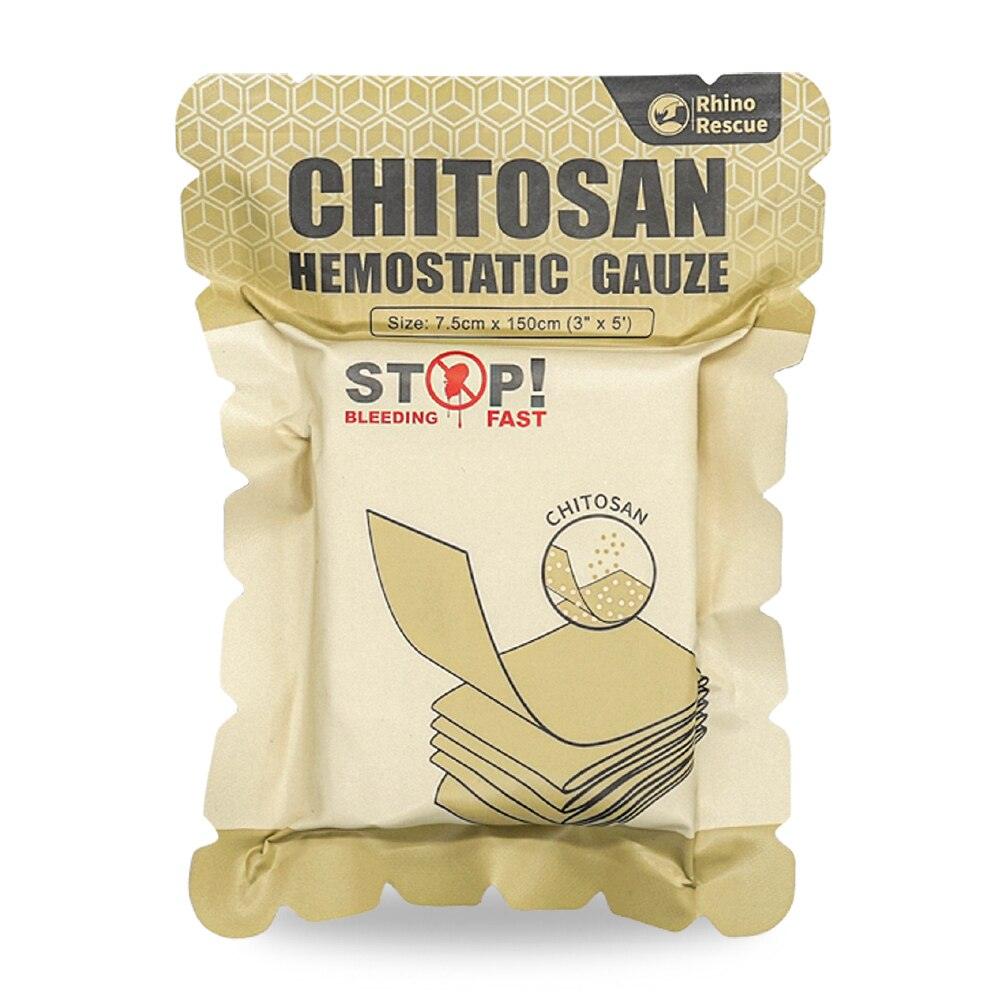
Chitosan hemostatic gauze is a medical dressing made from chitosan, a natural polymer derived from shellfish shells. It stops bleeding quickly by binding with blood cells and forming a strong seal over the wound. Products such as Axiostat, which use Protonated Bioadhesive Technology (PBT®), can achieve hemostasis in about 3–5 minutes, making them valuable in trauma care, EMS response, and surgical bleeding control.
Severe bleeding can become life-threatening in minutes. Whether it happens during a highway accident outside Casper, Wyoming, an industrial injury at a worksite, or a surgical procedure in a hospital, uncontrolled hemorrhage is one of the most common causes of preventable death. Standard gauze alone often cannot stop heavy bleeding fast enough, especially in traumatic injuries or in patients taking blood thinners.
This is where chitosan hemostatic gauze plays a vital role. Advanced products like Axiostat, a 100% chitosan wound dressing, help control bleeding rapidly by forming a bioadhesive seal over the wound. Emergency medical teams, military medics, and surgical staff rely on this technology to manage bleeding in situations where every second matters.
What Is Chitosan Hemostatic Gauze?
Chitosan hemostatic gauze is a specialized wound dressing used to stop bleeding rapidly. It is made from chitosan, a natural biopolymer derived from the shells of crustaceans such as shrimp and crab. When applied to a bleeding wound, the dressing interacts with blood cells to create a strong clot and seal the injury site.
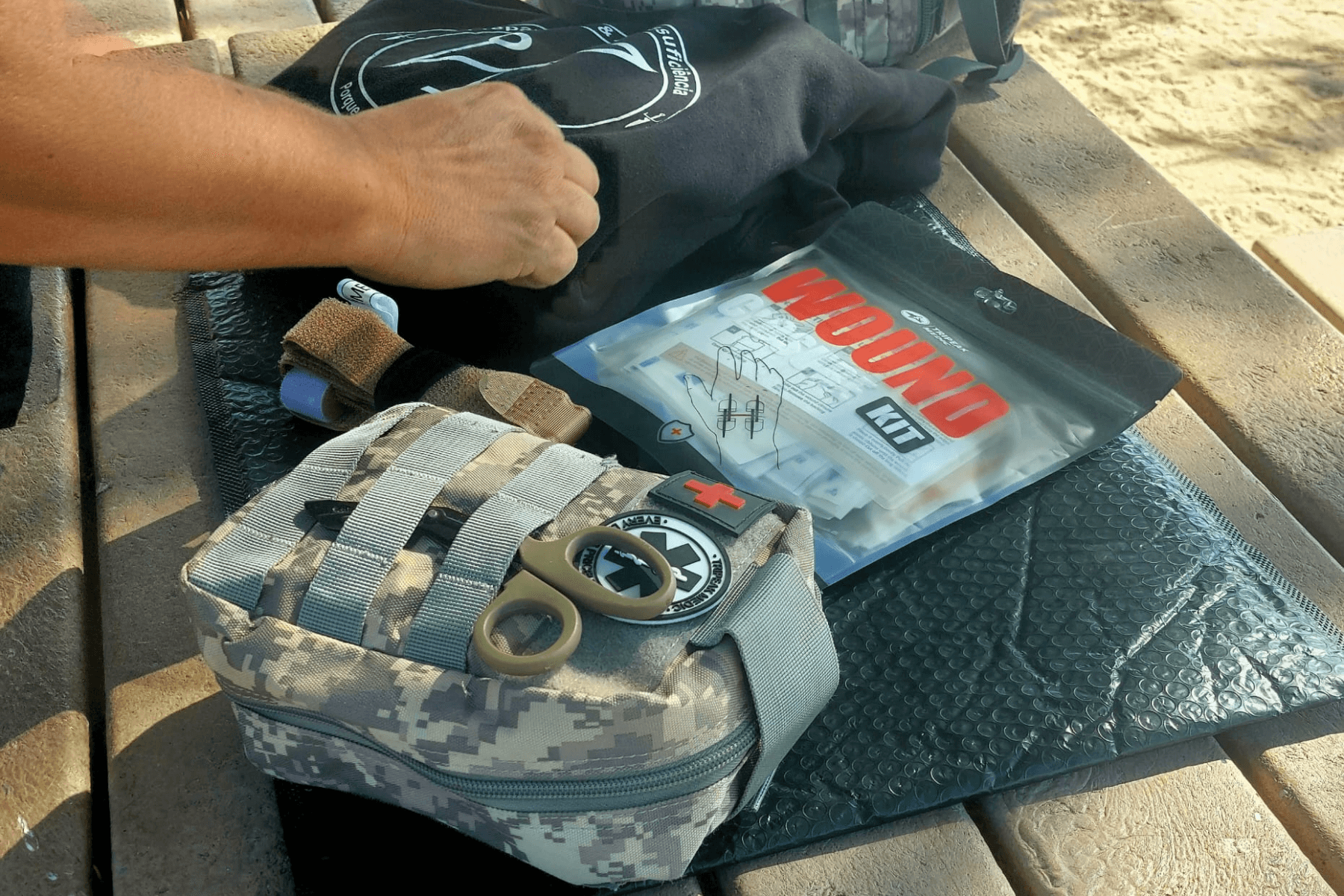
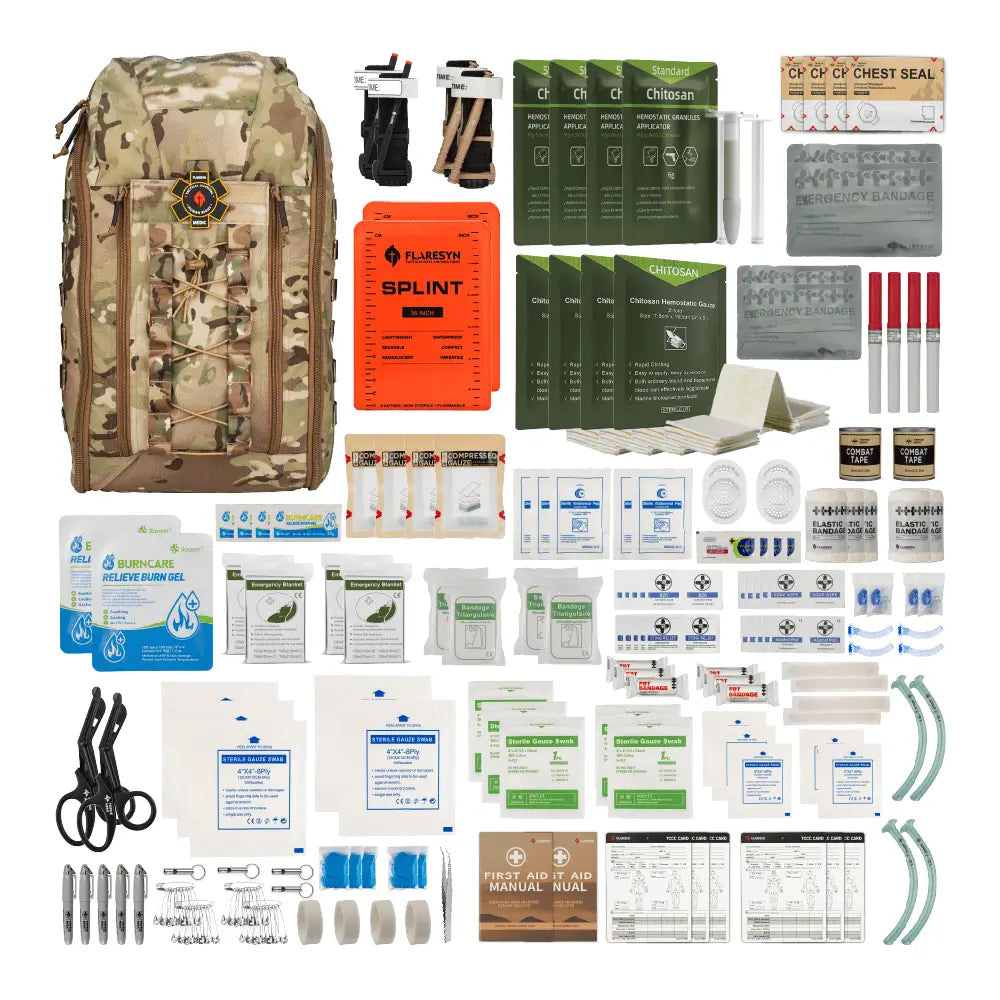
The primary medical purpose of chitosan gauze is rapid hemorrhage control. It is used in emergency trauma situations, surgical procedures, and wound care where standard dressings may not stop bleeding quickly enough. Medical teams often include these dressings in bleeding-control kits, trauma bags, and emergency-response equipment. In simple terms, chitosan gauze is an active hemostatic dressing. Unlike regular gauze, which only absorbs blood, it actively helps the body form a clot and stabilize the wound.
Origin of Chitosan (Natural Polymer from Shellfish)
Chitosan is produced from chitin, a natural compound found in the shells of crustaceans. Through a chemical process called deacetylation, chitin becomes chitosan, a substance widely used in medical and pharmaceutical applications.
Key properties of chitosan include:
-
Positive electrical charge
-
Biocompatibility with human tissue
-
Bioadhesive characteristics
-
Antimicrobial potential
These properties allow chitosan to interact directly with blood components and wound surfaces. Because of this ability, chitosan is used in many modern wound care products, including hemostatic dressings, surgical bandages, and advanced wound management systems.
How Chitosan Is Used in Hemostatic Dressings
In hemostatic dressings, chitosan is incorporated into sterile gauze or pads. When the dressing touches blood, it activates a clotting response and forms a protective seal over the wound. Medical products like Axiostat use Protonated Bioadhesive Technology (PBT®). This technology improves the natural properties of chitosan by increasing its ability to adhere to tissue and blood cells.
The result is a dressing that:
-
Stops bleeding quickly
-
Sticks securely to the wound surface
-
Reduces the risk of re-bleeding
-
Can be removed easily using a saline solution
These characteristics make chitosan dressings suitable for trauma care, surgical bleeding control, and emergency medicine.
Key Components and Product Forms
Chitosan hemostatic products are available in several forms to suit different types of wounds and medical procedures.
|
Product Format |
Description |
Typical Use |
|
Z-Fold Gauze |
Folded gauze designed for wound packing |
Deep traumatic wounds |
|
Rolled Gauze |
Flexible gauze roll |
Wrapping larger injuries |
|
Hemostatic Pads |
Flat pad dressing |
Surgical or surface wounds |
|
Patches |
Small adhesive dressings |
Minor bleeding control |
A common example is Axiostat Z-Fold Gauze, which has a shelf life of about five years and is widely used in trauma kits and emergency response equipment.
These dressings are commonly included in:
-
Emergency trauma kits
-
Military medical supplies (NSN codified equipment)
-
Hospital surgical units
-
First responder kits
-
Industrial workplace safety kits
For communities like Casper, Wyoming, where outdoor recreation, industrial work, and remote travel are common, reliable bleeding control tools are an important part of emergency preparedness.
How Chitosan Hemostatic Gauze Works to Stop Severe Bleeding
The ability of chitosan to stop bleeding comes from its positive electrical charge. Human red blood cells and platelets carry a negative charge on their surfaces. When chitosan touches blood, these opposite charges attract each other. This interaction causes blood cells to rapidly gather at the wound site. As they cluster together, they form a thick clot that seals the injured blood vessels.
This process happens even when the body's normal clotting system is impaired. Because of this, chitosan gauze can work effectively in patients with coagulopathy or those taking anticoagulant medications.
Electrostatic Interaction With Red Blood Cells
The electrostatic attraction between chitosan and blood cells creates a strong bioadhesive seal.
This process occurs in several steps:
-
Blood contacts the chitosan surface.
-
Positively charged chitosan attracts red blood cells and platelets.
-
Cells cluster together and form a clot.
-
The dressing adheres to tissue and stabilizes the wound.
This mechanism helps control bleeding rapidly, even in high-flow traumatic injuries.
Rapid Clot Formation Without Normal Coagulation Pathways
Many trauma patients suffer from impaired clotting due to shock, medication, or medical conditions. For example:
-
Anticoagulated patients
-
People with diabetes
-
Individuals with hypertension
-
Trauma victims experiencing hypovolemic shock
Chitosan dressings work independently of the body's natural clotting cascade, which makes them especially useful in these situations. Even when normal clotting is delayed, the dressing can still create a mechanical seal that reduces blood loss.
Adhesion to Wet Tissue and Wound Surfaces
One of the strongest advantages of chitosan gauze is its bioadhesive property. It sticks to wet tissue surfaces, which is critical when treating actively bleeding wounds. Traditional gauze often slips or becomes saturated with blood. Chitosan gauze, on the other hand:
-
Adheres directly to tissue
-
Maintains pressure on the bleeding vessel
-
Supports stable clot formation
This adhesion reduces the chance that the clot will break or reopen.
Comparison With Traditional Clotting Mechanisms
Standard gauze works through passive absorption. It soaks up blood but does not actively help clot formation.
Chitosan gauze provides active hemostasis.
|
Feature |
Standard Gauze |
Chitosan Hemostatic Gauze |
|
Bleeding control |
Passive absorption |
Active clot formation |
|
Adhesion |
Low |
Strong bioadhesive |
|
Time to hemostasis |
15–20 minutes in some cases |
Around 3–5 minutes |
|
Re-bleeding risk |
Higher |
Lower |
|
Effectiveness in anticoagulated patients |
Limited |
High |
This difference explains why emergency responders increasingly carry hemostatic dressings in trauma kits and bleeding control kits.
Key Advantages of Chitosan Hemostatic Gauze Over Standard Gauze
Faster Bleeding Control
One of the most important advantages of chitosan hemostatic gauze is its ability to stop bleeding rapidly. Because the dressing interacts with blood cells and forms a seal, it can achieve hemostasis much faster than standard gauze.
In clinical and field use, hemostatic gauze often achieves bleeding control within 3 to 5 minutes of direct pressure. Traditional gauze may require 15–20 minutes or longer, especially in severe wounds. This difference is critical in trauma care, where every minute of uncontrolled bleeding increases the risk of shock.
Strong Adhesion in Wet and High-Flow Wounds
Traumatic wounds often produce large amounts of blood, which can make dressings difficult to secure. Standard gauze may slip or wash away in high-flow bleeding. Chitosan gauze adheres strongly to tissue because of its bioadhesive properties. This adhesion allows the dressing to stay in place even in active bleeding environments.
Benefits of this property include:
-
Better wound stability
-
Improved clot formation
-
Reduced need for repeated dressing changes
This characteristic is especially useful in junctional wounds, which occur in areas such as the groin, neck, and torso where tourniquets cannot be applied.
Reduced Risk of Re-Bleeding
Re-bleeding can occur when a clot breaks or when a dressing is removed too quickly. Chitosan gauze helps reduce this risk by creating a stable seal between the wound and the dressing. Once hemostasis occurs, the clot remains protected under the dressing. This stability allows medical professionals to transport the patient safely without the wound reopening.
For trauma teams and emergency responders, this reliability helps maintain patient stability during critical transport periods.
Antibacterial and Biocompatible Properties
Chitosan also offers natural antimicrobial properties, which help limit bacterial growth in wounds. While the primary purpose of the dressing is bleeding control, this additional benefit supports cleaner wound conditions. Key characteristics include:
-
Biocompatibility with human tissue
-
Low risk of skin irritation
-
Reduced bacterial contamination
These features make chitosan dressings suitable for both acute trauma wounds and surgical applications.
Easy Removal Without Disrupting the Clot
A common challenge with traditional dressings is painful removal. When gauze sticks to a wound, removing it can disturb the clot and cause bleeding again. Chitosan dressings are designed for painless saline removal. Most chitosan products can be dissolved with saline, preventing the wound from reopening during removal, a common issue with types of bandages that stick to the scab.
This feature improves patient comfort and supports safer wound management during medical treatment.
Types of Hemostatic Gauze and Where Chitosan Fits
Chitosan-Based Hemostatic Gauze
Chitosan dressings rely on charge-based clotting activation and bioadhesive bonding to control bleeding. These dressings work independently of the body’s clotting cascade and are effective even in patients with clotting problems.
Products such as Axiostat represent this category and are used in both civilian and military medical settings.
Key features include:
-
Rapid clot formation
-
Strong tissue adhesion
-
Simple single-step application
Kaolin-Based Hemostatic Gauze
Kaolin-based dressings use a different mechanism. Kaolin is a clay mineral that activates the intrinsic clotting pathway in the blood. When the mineral contacts blood, it accelerates the clotting cascade. These dressings are commonly used in trauma care but depend on the body’s normal clotting ability.
Zeolite-Based Hemostatic Agents
Zeolite was one of the earliest materials used for advanced bleeding control. It absorbs water rapidly, which concentrates clotting factors and speeds clot formation. However, early zeolite dressings generated heat during the reaction, which sometimes caused tissue irritation. Newer products have improved safety but are less common today compared with chitosan and kaolin technologies.
Comparison of Effectiveness and Safety
The table below highlights the main differences between common hemostatic agents.
|
Hemostatic Material |
Mechanism |
Advantages |
Limitations |
|
Chitosan |
Charge-based blood cell binding |
Works in anticoagulated patients, with strong adhesion |
Shellfish allergy risk |
|
Kaolin |
Activates the clotting cascade |
Effective in trauma care |
Requires a functioning clotting system |
|
Zeolite |
Rapid absorption and clotting factor concentration |
Quick clot formation |
Early versions produced heat |
In the world of tactical medicine, there is often a debate between different materials. If you are building a kit, it is helpful to compare chitosan vs kaolin to see which science fits your specific needs. While kaolin activates the body's internal clotting cascade, chitosan provides an external adhesive seal.
Real-World Applications of Chitosan Hemostatic Gauze
Emergency Medical Services (EMS)
Paramedics frequently encounter trauma injuries that involve severe bleeding. In these situations, hemostatic gauze allows EMS teams to stabilize patients quickly before transport. Common EMS uses include:
-
Road traffic accidents
-
Industrial injuries
-
Severe lacerations
-
Penetrating trauma
The dressing can be applied at the scene and maintained until hospital care begins.
Military and Tactical Combat Casualty Care
Chitosan hemostatic gauze is widely used in Tactical Combat Casualty Care (TCCC). Battlefield injuries often involve severe bleeding in areas where tourniquets cannot be used. Military medics rely on hemostatic dressings for:
-
Gunshot wounds
-
Blast injuries
-
Shrapnel wounds
-
Junctional bleeding
Some products are NSN codified, meaning they are officially approved for military procurement.
Emergency Room and Trauma Centers
In hospital trauma units, rapid bleeding control remains essential. Surgeons and emergency physicians use hemostatic gauze during procedures to manage bleeding quickly and maintain a clear surgical field. Applications include:
-
Trauma surgery
-
Emergency wound management
-
Post-procedure bleeding control
These dressings help shorten treatment time and improve patient stability.
Surgical and Post-Operative Bleeding Control
Hemostatic gauze also plays a role in surgical procedures where bleeding must be controlled quickly. One example comes from a clinical case study conducted at NH MMI Hospital in Raipur, India. In this case, doctors used Axiostat V55 during a pacemaker implantation procedure.
Key findings included:
-
Hemostasis achieved in 3 minutes
-
Standard gauze typically requires 15–20 minutes
-
No re-bleeding after 5 days
-
No complications, including swelling or skin irritation
This case demonstrated the effectiveness of chitosan dressings in surgical bleeding control.
Disaster Response and Field Medicine
In disaster scenarios, medical teams often work with limited equipment and time. Hemostatic dressings provide a portable solution for controlling bleeding in these conditions. Emergency teams may use them during:
-
Natural disasters
-
Mass casualty events
-
Remote rescue operations
Because the dressings are lightweight and have long shelf lives, they are commonly stored in emergency response kits and disaster preparedness supplies.
Industrial and Workplace Injury Response
Workplace accidents can result in severe bleeding, particularly in industries such as construction, manufacturing, and energy production. Bleeding control kits that include hemostatic gauze help safety teams respond quickly until medical professionals arrive. For companies in regions like Casper, Wyoming, where oil, gas, and heavy equipment operations are common, these kits support workplace safety programs and emergency readiness.
Who Should Carry Hemostatic Gauze?
First Responders and Paramedics
Emergency medical professionals rely on bleeding control tools during daily operations. Paramedics and EMTs commonly carry hemostatic dressings in trauma kits because they provide fast and reliable hemorrhage control.
Military Personnel and Tactical Medics
In combat environments, soldiers and medics must manage injuries in high-risk conditions. Chitosan dressings are widely used in Tactical Combat Casualty Care (TCCC) protocols for treating battlefield wounds.
Outdoor Enthusiasts and Hunters
Wyoming residents and visitors often participate in outdoor activities such as hunting, hiking, and camping. These activities can take place far from medical facilities. Carrying a compact bleeding control kit with hemostatic gauze adds an extra layer of safety during outdoor travel.
Workplace Safety Teams
Industries such as construction, oil production, and manufacturing carry higher injury risks. Workplace safety teams often include hemostatic gauze in first aid stations and emergency response kits. This preparation allows workers to respond quickly if an accident occurs.
Civilian First Aid Kits
You don't have to be a medic to save a life. Many people are now adding bleeding control supplies to their Family Emergency Medical Kit. Keeping a pack in your Car Emergency Kit is especially useful for roadside accidents where professional help may be minutes away. A small kit may contain:
-
Hemostatic gauze
-
Gloves
-
Trauma shears
-
Compression bandages
-
Antiseptic wipes
These supplies allow bystanders to provide immediate help before emergency services arrive. Whether you are a first responder or a prepared citizen, Flaresyn provides the professional-grade gear you need to handle life’s most critical moments.
Safety Considerations and Proper Use
When to Use Hemostatic Gauze
Hemostatic gauze should be used in situations involving severe external bleeding that cannot be controlled with simple pressure alone.
Examples include:
-
Deep lacerations
-
Penetrating trauma
-
Junctional wounds
-
Surgical bleeding
Situations Where It Should Not Be Used
Certain situations require different medical care rather than hemostatic dressings.
These include:
-
Internal bleeding
-
Minor cuts that stop with light pressure
-
Eye injuries
-
Chest wounds requiring specialized treatment
Allergies and Biocompatibility
Because chitosan is derived from shellfish, individuals with shellfish allergies may need to avoid certain products. However, many medical studies report low allergic reaction rates. Healthcare providers should always review patient history before use during planned procedures.
Frequently Asked Questions About Chitosan Hemostatic Gauze
What is chitosan hemostatic gauze used for?
Chitosan hemostatic gauze is used to control severe bleeding in trauma injuries, surgical procedures, and emergency medical situations. It helps form a rapid clot and seal over the wound.
How fast does chitosan gauze stop bleeding?
Most products achieve bleeding control within 3 to 5 minutes when direct pressure is applied.
Is chitosan gauze safe for all wounds?
It is effective for many external bleeding injuries but should not be used for internal bleeding or specialized wounds such as eye injuries.
Can civilians use hemostatic gauze?
Yes. With basic training, civilians can safely use hemostatic gauze in emergency situations before professional medical help arrives.
Does hemostatic gauze replace a tourniquet?
No. Tourniquets are still the best option for severe limb bleeding. Hemostatic gauze is often used for wounds where tourniquets cannot be applied.
Is chitosan hemostatic gauze biodegradable?
Yes. Chitosan is a natural biopolymer that breaks down over time and is considered environmentally friendly in many medical applications.
Key Takeaways: Why Chitosan Hemostatic Gauze Matters in Emergency Care
Rapid bleeding control is one of the most important actions during trauma care. Chitosan hemostatic gauze provides a powerful solution by combining bioadhesive properties with fast clot formation.
Important benefits include:
-
Rapid hemostasis within minutes
-
Reduced blood loss in trauma injuries
-
Effective performance in surgical settings
-
Reliable use in emergency medical services and military medicine
Because of these advantages, hemostatic dressings have become standard equipment in trauma kits, hospitals, and emergency response systems.
Final Thought
Severe bleeding remains a major cause of preventable death during trauma and medical emergencies. Tools that stop bleeding quickly can save lives before advanced medical care is available.
Chitosan hemostatic gauze, including products like Axiostat, provides rapid bleeding control through bioadhesive clot formation and advanced technology such as Protonated Bioadhesive Technology (PBT®). These dressings are widely used in trauma care, surgery, emergency medicine, and military applications.
For healthcare professionals, emergency responders, and organizations responsible for safety preparedness, including reliable bleeding control tools in emergency kits is an important step in protecting lives.