
Open vs Closed Pneumothorax | First Aid and Trauma Care
🛡️ Written by: Hwang Elias.H. (Certified NAEMT Member) | 🔬 Medically Reviewed by: Dr. Alan Hastings, TCCC Certified Instructor / Paramedic Expert on May 8, 2026.
A chest injury can turn critical within minutes. A simple accident, a fall, or a penetrating wound can allow air to enter the pleural space, causing partial or complete lung collapse. This condition is known as pneumo-thorax, and it directly affects breathing and oxygen supply in the body. In emergencies, knowing the difference between open pneumothorax and closed pneumothorax helps responders act fast and choose the right first aid steps, especially when trauma kits and chest seals are involved.
This guide explains both conditions in detail, their causes, symptoms, diagnosis, and emergency management. It also highlights why access to purpose-built emergency gear, such as chest seals and trauma kits from brands like Flaresyn, can make a meaningful difference during the first response phase before hospital care begins.
What is Pneumothorax?
Pneumothorax is a medical condition where air collects inside the pleural space, the thin area between the lung and the chest wall. This trapped air puts pressure on the lung and can lead to partial or complete lung collapse. In a healthy chest, negative pressure inside the pleural space helps the lungs expand during breathing. When air enters this space, that pressure balance breaks, and normal breathing becomes difficult.
This condition can develop suddenly in trauma cases or gradually in people with underlying lung disease. In both situations, oxygen exchange in the body reduces, which may quickly become dangerous if not treated.
Chest Anatomy Involved in Pneumothorax
The respiratory system depends on several important structures working together. The pleural space is the small gap between the visceral pleura, which covers the lungs, and the chest wall. This space normally contains a small amount of lubricating fluid, allowing smooth lung movement during breathing.
The chest wall protects the lungs and is formed by ribs and intercostal muscles. The diaphragm is the main breathing muscle that helps expand the chest cavity. The trachea carries air into the lungs, while the mediastinum sits in the center of the chest and contains the heart and major blood vessels.
When air enters the pleural space, it disrupts the natural pressure system. This causes the lung to shrink, reducing its ability to expand and take in oxygen properly.
Types of Pneumothorax
Pneumothorax is divided into different types based on how air enters the chest cavity. A closed pneumothorax occurs when air leaks from inside the lung without any external wound. This often happens due to spontaneous rupture of weak areas in the lung or after blunt chest trauma. It can also be linked with conditions like COPD or asthma. In many cases, the lung partially collapses and symptoms may vary depending on severity.
An open pneumothorax, also known as a sucking chest wound, happens when there is a direct opening in the chest wall. This allows air to enter the pleural space from outside the body. It is usually caused by penetrating injuries such as gunshot wounds or knife wounds. In these cases, air may move in and out through the wound during breathing, making the condition more dangerous.
Traumatic pneumothorax refers to cases caused by physical injury, which may be open or closed depending on whether the chest wall is penetrated. Spontaneous pneumothorax occurs without injury and is often linked to weak lung tissue or ruptured air pockets called blebs.
How Pneumothorax Affects Breathing
When air enters the pleural space, the lung loses its ability to expand fully. This reduces oxygen intake and leads to shortness of breath. As the condition worsens, the body may show signs such as rapid breathing, low oxygen levels, and chest pain. In severe cases, oxygen supply drops significantly, affecting brain and heart function.
If pressure continues to build inside the chest, it can lead to a more dangerous condition called tension pneumothorax. This happens when trapped air pushes the mediastinum to one side, affecting blood flow back to the heart. As a result, blood pressure drops and the patient can go into shock.
Causes and Risk Factors
Several medical conditions increase the risk of pneumothorax. People with chronic lung diseases like COPD, asthma, tuberculosis, or cystic fibrosis are more vulnerable due to weak lung tissue. Smoking also increases the risk by damaging lung structure over time.
In other cases, pneumothorax is caused by trauma. This includes blunt chest injuries from car accidents or falls, as well as penetrating injuries like gunshot wounds or knife wounds. Rib fractures can also puncture the lung and lead to air leakage into the pleural space.
Open Pneumothorax (Sucking Chest Wound)
An open pneumothorax is a serious chest injury where the chest wall is broken and there is a direct connection between the outside air and the pleural space. This opening removes the normal sealed pressure system inside the chest, allowing air to enter the pleural cavity every time the person breathes. As air continues to enter, the affected lung gradually collapses and loses its ability to expand properly, making breathing increasingly difficult.
Causes
Open pneumothorax is most commonly caused by penetrating trauma that physically breaks through the chest wall. This includes injuries such as gunshot wounds and stab wounds, where an object directly enters the thoracic cavity and damages the lung or surrounding tissues. It can also occur in severe road traffic accidents, especially when sharp objects or broken ribs puncture the chest. In all these cases, the chest wall loses its protective barrier, allowing uncontrolled air entry into the pleural space.
Symptoms
The symptoms of open pneumothorax are usually severe and appear immediately after injury. One of the most recognizable signs is a “sucking” sound coming from the chest wound, which occurs as air moves in and out of the pleural space during breathing. Patients often experience extreme shortness of breath and visible difficulty in breathing due to reduced lung function. In many cases, the wound may also show frothy blood or continuous air bubbling, which indicates active air leakage from the chest cavity. As oxygen levels drop, the patient may become anxious, restless, and show signs of respiratory distress.
First Aid Response
Immediate first aid is critical in an open pneumothorax because the condition can worsen within minutes. The primary goal is to prevent further air from entering the chest cavity. This is done by applying an occlusive dressing or chest seal directly over the wound. A proper chest seal creates an airtight barrier that blocks outside air while helping stabilize internal pressure.
In field situations, a vented chest seal is preferred because it allows trapped air to escape while preventing new air from entering. If a commercial chest seal is not available, an improvised seal using plastic material can be used temporarily. However, this is only a short-term solution until medical help is available.
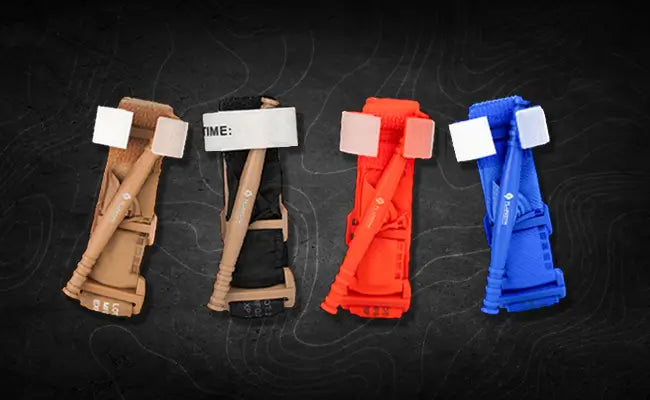
Properly equipped trauma kits (IFAKs) and emergency chest injury kits are designed specifically for these situations. They usually include chest seals, sterile dressings, and other essential tools needed to manage penetrating chest injuries before reaching a hospital. Using these tools correctly may help reduce the risk of worsening complications before hospital care. For example, Flaresyn’s Advanced Chest Seal is designed as an occlusive barrier for open chest wounds and is built for fast access in emergency kits, making it a practical addition to chest trauma preparedness.
Closed Pneumothorax
Closed pneumothorax is a condition where air enters the pleural space without any visible wound in the chest wall. Unlike an open pneumothorax, there is no external injury or opening. Instead, the air comes from inside the lung itself, usually due to internal damage or spontaneous rupture. This trapped air gradually builds pressure and causes the lung to collapse partially or completely.
Causes
Closed pneumothorax can occur for several reasons. One of the most common causes is spontaneous rupture of small air sacs in the lung, known as blebs. This often happens in people with weakened lung tissue due to conditions such as COPD, asthma, or smoking-related damage. In some cases, it can develop without any clear reason, which is known as spontaneous pneumothorax.
It can also be caused by blunt chest trauma, such as a car crash, fall, or direct blow to the chest. In these situations, the chest wall remains intact, but internal lung tissue is injured, allowing air to leak into the pleural space. Unlike open pneumothorax, there is no visible external wound, which can sometimes delay recognition.
Symptoms
The symptoms of a closed pneumothorax usually develop suddenly. Patients often feel sharp chest pain on one side, which may worsen with breathing or movement. Shortness of breath is a common symptom and may increase as more air accumulates in the pleural space.
On physical examination, reduced breath sounds can be heard on the affected side due to lung collapse. As oxygen levels decrease, the patient may develop rapid breathing, increased heart rate, and signs of respiratory distress. In more severe cases, oxygen saturation drops significantly, and the condition may progress if not treated in time.
First Aid Response
First aid for a closed pneumothorax focuses on supporting breathing and preventing further complications. The most important step is to provide oxygen support if available, which helps improve oxygen levels in the blood. The patient should be kept calm and still to reduce oxygen demand and prevent worsening of symptoms.
Continuous monitoring is important to detect any signs of deterioration, such as increasing breathlessness or chest pain. Unlike an open pneumothorax, there is no external wound, so sealing is not required. The patient must be transported to a medical facility as soon as possible for imaging tests and advanced treatment.
In hospital care, doctors may perform procedures such as needle aspiration or chest tube insertion to remove trapped air and allow the lung to re-expand.
Key Differences Between Open and Closed Pneumothorax
Both conditions affect the pleural space and lung function, but the mechanism of air entry and treatment approach is different. Open pneumothorax involves an external wound, while closed pneumothorax occurs internally without chest wall penetration.
In open pneumothorax, air enters directly through a chest wound, often caused by gunshot wounds, knife wounds, or other penetrating injuries. In closed pneumothorax, air leaks from the lung itself due to internal rupture or trauma.

Open pneumothorax requires immediate sealing of the wound using a chest seal or occlusive dressing, while closed pneumothorax is usually managed with oxygen therapy and medical observation unless complications develop.
Side-by-Side Comparison Table
|
Feature |
Open Pneumothorax |
Closed Pneumothorax |
|
Chest wound |
Present (open injury) |
Absent |
|
Air entry source |
Outside environment |
Internal lung leak |
|
Common cause |
Gunshot, knife injury |
Spontaneous rupture, blunt trauma |
|
Breathing pattern |
Air moves through wound |
No external air movement |
|
First aid step |
Chest seal / occlusive dressing |
Oxygen + monitoring |
|
Severity |
Often more critical initially |
Varies from mild to severe |
|
Risk of complications |
High (tension pneumothorax) |
Moderate to high |
Why Open Pneumothorax Becomes More Dangerous Quickly
An open pneumothorax can worsen rapidly because the chest cavity loses its sealed pressure system. Every breath allows air to move through the wound instead of entering the lungs. This reduces oxygen intake and increases the risk of mediastinal shift, where internal chest structures move due to pressure imbalance.
As the condition progresses, blood flow back to the heart decreases, which may lead to hypotension, weak pulse, and in severe cases, cardiovascular collapse. This is why immediate sealing of the wound is critical before transport.
Emergency First Aid Approach (Field Response)
In pre-hospital care, both conditions require fast assessment using the ABC method (Airway, Breathing, Circulation). However, the treatment steps differ based on the type of pneumothorax.
For open pneumothorax:
- Cover the wound immediately using a chest seal or occlusive dressing
- If no chest seal is available, use sterile plastic material as temporary cover
- Monitor breathing and oxygen levels
- Prepare for emergency transport
For closed pneumothorax:
- Provide high-flow oxygen if available
- Keep the patient calm and still
- Monitor for worsening symptoms
- Transfer to hospital for imaging and intervention
In both cases, advanced treatment may include needle decompression, oxygen therapy, or chest tube placement depending on severity.
Why Trauma Kits Matter
In real-world emergencies, treatment often begins before reaching a hospital. This is where properly equipped first aid kits and trauma kits become important. This is where compact, pre-filled trauma kits from Flaresyn fit naturally into emergency planning, especially for high-risk environments, vehicles, and mobile response situations where immediate access to chest injury supplies matters
A complete emergency chest injury kit may include:
- Chest seals (vented or non-vented)
- Sterile gauze dressing
- Occlusive plastic dressings
- Gloves and trauma scissors
- Basic airway and bleeding control tools
These tools help control air leakage in open pneumothorax cases and stabilize the patient until advanced medical care is available. For individuals in high-risk environments such as construction sites, travel, or outdoor activities, having a trauma kit can significantly improve survival chances in chest injury situations.
Emergency Treatment Flow (Step-by-Step)
In cases of pneumothorax, especially when trauma is involved, the first few minutes are extremely important. Emergency care begins with identifying whether there is a visible chest wound or signs of internal lung collapse. This helps determine whether the condition is an open or closed pneumothorax.
If an open chest wound is present, the immediate priority is to seal it using a chest seal or occlusive dressing. This step prevents outside air from continuously entering the pleural space, which helps reduce further lung collapse and stabilizes breathing. After sealing the wound, the patient’s breathing must be closely monitored for any signs of worsening distress.
In both open and closed cases, attention should be given to the risk of developing tension pneumothorax. This is a dangerous complication where trapped air builds pressure inside the chest, affecting heart function and blood circulation. Early recognition of worsening symptoms such as severe breathlessness, low blood pressure, or decreasing oxygen levels is critical. Once initial stabilization is done, the final step is immediate hospital transfer. Advanced medical treatment such as oxygen therapy, needle decompression, or chest tube insertion may be required depending on severity.
Prevention & Preparedness
While pneumothorax cannot always be prevented, especially in trauma cases, preparedness plays a major role in reducing complications and saving lives. Keeping a properly equipped trauma kit in everyday environments can make a significant difference during emergencies.
It is strongly recommended to have trauma kits available in vehicles, especially for long-distance travel or road safety situations. Workplaces, particularly construction sites, factories, and industrial environments, should also be equipped with emergency medical kits due to a higher risk of chest injuries. Outdoor activities such as hiking, sports, or camping also increase exposure to accidental trauma, making portable first aid kits essential.
Along with equipment, basic first aid training is equally important. Understanding how to recognize chest injuries, apply a chest seal, and manage breathing emergencies can help stabilize a patient until professional medical help arrives.
Frequently Asked Questions
What is the difference between an open and closed pneumothorax?
An open pneumothorax occurs when air enters the chest cavity through an external wound in the chest wall, often caused by penetrating injuries like gunshots or stab wounds. Closed pneumothorax, on the other hand, happens without any visible chest wound, where air leaks from the lung itself due to internal damage or spontaneous rupture.
Can a pneumothorax heal without treatment?
In mild cases of small closed pneumothorax, the condition may improve on its own as the body gradually absorbs trapped air. However, this process still requires medical supervision to ensure the condition does not worsen.
What is a chest seal used for?
A chest seal is a medical device used in an open pneumothorax to cover a chest wound and prevent air from entering the pleural space. It creates an airtight barrier that helps stabilize breathing and reduces the risk of lung collapse. In emergency settings, chest seals are commonly included in trauma kits and first aid kits designed for serious injuries.
Is pneumothorax life-threatening?
Yes, pneumothorax can become life-threatening, especially if it progresses to tension pneumothorax. This condition can severely affect breathing and blood circulation, leading to low oxygen levels and potential cardiovascular collapse.
Final Thought
Pneumothorax is a serious medical condition that affects breathing by allowing air into the pleural space, leading to partial or complete lung collapse. Both open and closed pneumothorax require fast identification and immediate response to prevent life-threatening complications. Open cases involve external chest wounds and need quick sealing, while closed cases often require oxygen support and medical observation.
In real-world emergencies, survival often depends on how quickly the first response begins before hospital treatment. This is why having access to proper emergency supplies such as chest seals, trauma kits, and first aid equipment is important in high-risk environments like travel, workplaces, and outdoor activities. For individuals and teams building that level of readiness, Flaresyn offers trauma-focused medical gear that supports faster field response when chest injuries and other life-threatening emergencies demand immediate action. Preparedness, awareness, and basic first aid knowledge can significantly improve outcomes in chest trauma situations, especially when every second matters.
References
- Cleveland Clinic. Collapsed Lung (Pneumothorax)
- https://my.clevelandclinic.org/health/diseases/15304-collapsed-lung-pneumothorax
- MedlinePlus. Pneumothorax
- https://medlineplus.gov/ency/article/000087.htm


%20%7C%20%F0%9F%94%AC%20Medically%20Reviewed%20by:%20Dr.%20Alan%20Hastings,%20TCCC%20Certified%20Instructor%20/%20Paramedic%20Expert%20on%20May%208,%202026.%0AA%20chest%20injury%20can%20turn%20critical%20wi...)