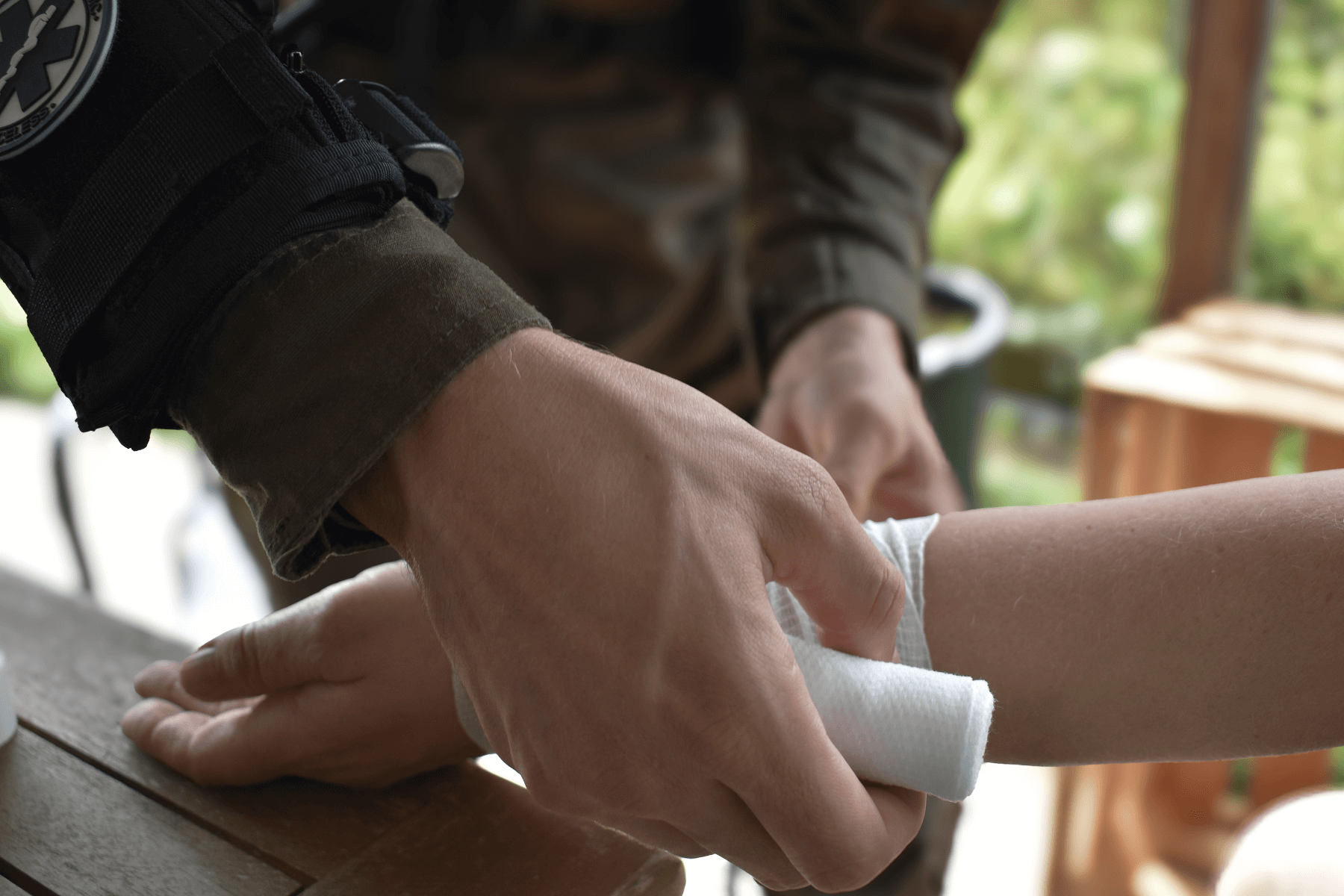
What’s the Real Difference Between an IFAK, AFAK & MFAK?
Emergencies can strike unexpectedly, especially in environments where immediate medical attention is necessary. For anyone involved in tactical operations, outdoor adventures, or disaster preparedness, having the right first aid kit can make all the difference. The main challenge many face is choosing between different types of first aid kits, like the IFAK (Individual First Aid Kit), AFAK (Advanced First Aid Kit), and MFAK (Multiple First Aid Kit).
These three kits are often discussed in survival and tactical circles, but understanding what sets them apart and when to use each is crucial for making the right decision. Whether you’re looking for a compact, personal solution or a kit designed to care for an entire group, this guide will break down the differences and help you select the best kit based on your needs.
What Are IFAK, AFAK, and MFAK?
Before comparing these kits, it helps to understand that the acronyms are not all used the same way across the market. IFAK is the most established term and usually refers to an Individual First Aid Kit built around trauma care for one person. AFAK is used less consistently and may mean Advanced First Aid Kit, Advanced Individual First Aid Kit, or even Adaptive First Aid Kit, depending on the brand. MFAK or M-FAK can also vary, and in some cases, it refers to a Mini First Aid Kit, not a multi-person kit. That is why buyers should compare the actual contents of a kit instead of assuming the acronym tells the full story.
1. IFAK: Individual First Aid Kit
An IFAK (Individual First Aid Kit) is usually a compact trauma kit designed to help treat one person in a serious emergency, especially severe bleeding. In tactical and preparedness settings, an IFAK is commonly built for self-aid or buddy-aid until EMS or higher-level care takes over. It is typically focused on life-threatening trauma rather than routine cuts and scrapes, which is why many modern IFAKs are better described as trauma kits than general first aid kits.
Key Uses of IFAK:
-
Solo Hikers or Outdoor Enthusiasts: Individuals venturing into remote areas where medical help is far away.
-
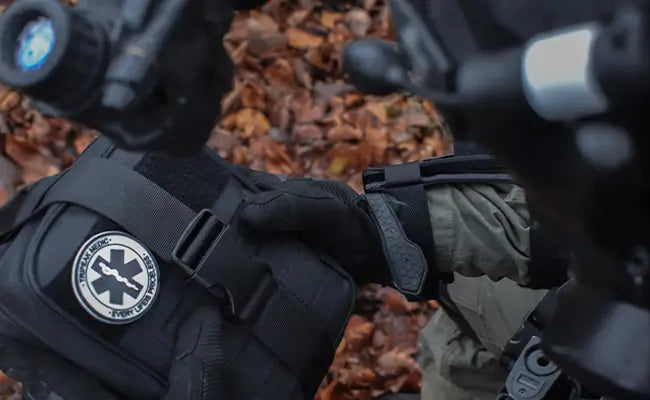
Tactical Operators: Used by soldiers or police officers who need to treat themselves or others quickly during high-risk situations.
-
Everyday Carry: Great for anyone who needs to be prepared for minor trauma, including cuts, abrasions, or sprains.
The IFAK is designed to handle basic trauma care and is lightweight enough to carry in a backpack, tactical vest, or belt.
2. AFAK: Advanced First Aid Kit
AFAK is not as standardized as IFAK. Some brands use it to mean Advanced First Aid Kit or Advanced Individual First Aid Kit, while others use it differently. In practice, the term usually points to a more expanded trauma-focused kit with additional components for users who have more training or want broader capability than a basic IFAK.
Key Uses of AFAK:
-
Tactical Teams and Military: Designed to treat severe wounds like chest trauma, airway blockages, or internal injuries that require more than basic first aid.
-
Emergency Medical Technicians (EMTs): A kit that allows them to stabilize patients in the field before transport to a hospital.
-
Large Expeditions or Teams: AFAKs are beneficial in group settings where the likelihood of complex injuries is higher.
3. MFAK: Multiple First Aid Kit
The MFAK (Multiple First Aid Kit) is designed for group care and is usually the largest of the three kits. It’s built to handle multiple casualties in a mass casualty event or group scenario, making it ideal for disaster relief operations, large teams, or expeditions where several individuals could be injured at once.
Key Uses of MFAK:
-
Disaster Relief Teams: For treating multiple people in disaster zones.
-
Military Units: Used when treating a group of soldiers or a team that has suffered multiple injuries.
-
Organizations or Groups: For events or office settings where injuries to multiple people may occur, such as during sports events, camping trips, or public gatherings.
Key Differences Between IFAK, AFAK, and MFAK
When choosing the right first aid kit, understanding the key differences between IFAK, AFAK, and MFAK is critical. These kits serve specific purposes based on the severity of injuries and the number of people involved in an emergency. Below is a clear comparison that helps in making the right choice for your situation.
Size and Portability
-
IFAK: The Individual First Aid Kit (IFAK) is the most compact and portable of the three. It’s designed to be carried by an individual in tactical gear (e.g., a backpack, vest, or belt), which makes it ideal for solo use. Its small size means it can be easily attached to a plate carrier or war belt for quick access during a personal emergency.
-
AFAK: The Advanced First Aid Kit (AFAK) is larger than the IFAK, but still portable enough for individuals in tactical settings or teams. It usually fits in a medium-sized backpack and contains more advanced tools. The AFAK is moderately portable, suited for people who need to treat themselves or others in more complex emergency scenarios. Generally, a Tactical Medical Kit labeled as an AFAK is an expanded version of an IFAK.
-
MFAK: The Multiple First Aid Kit (MFAK) is the largest of the three. Designed for group use, it is generally stored in a large medical bag or aid station. Due to its bulkier nature, the MFAK is often kept stationary in vehicles, medical tents, or disaster relief stations rather than being carried around. It provides comprehensive care for multiple casualties and is not intended for personal use.
Contents and Functionality
-
IFAK: The IFAK is designed for basic trauma treatment. It typically includes:
-
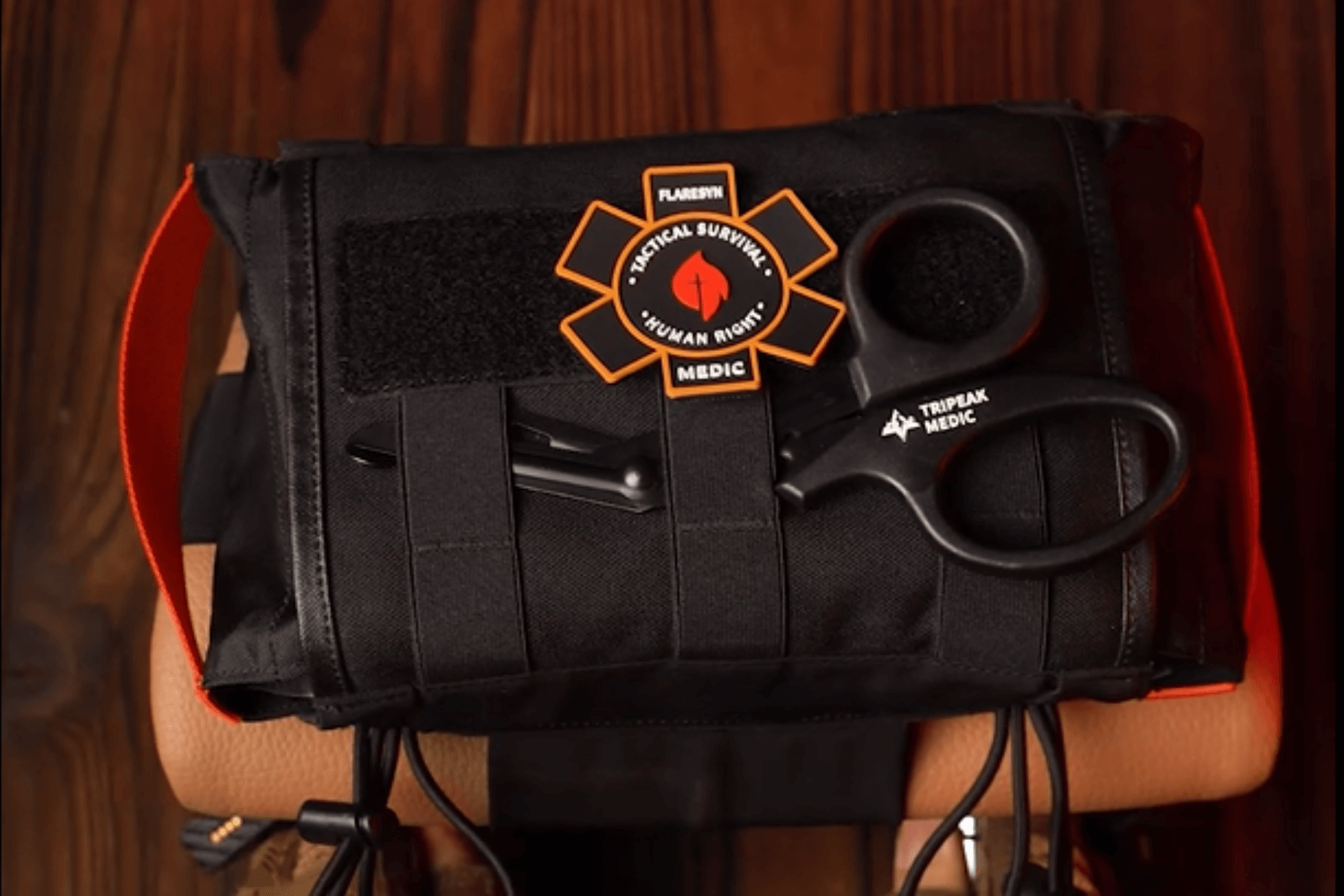
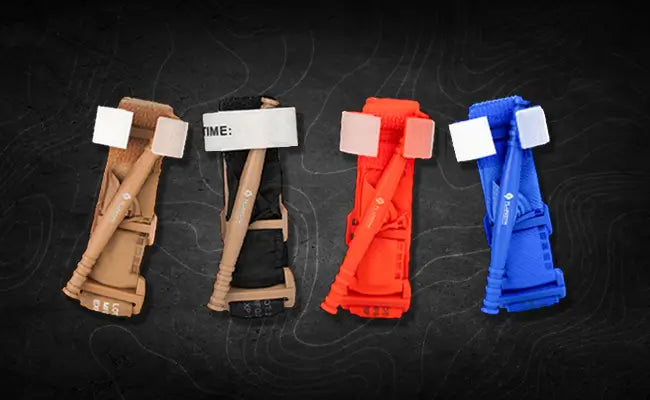
Tourniquets for bleeding control
-
Israeli bandages for wound care
-
Trauma shears for cutting clothing or gear
-
Gauze for wound packing
-
Hemostatic dressing to promote blood clotting
-
This kit is perfect for personal injuries like cuts, scrapes, or minor trauma. It is ideal for someone who needs self-sufficiency until professional help arrives.
-
AFAK: The AFAK is designed for more complex injuries and includes more advanced medical supplies. Some of the typical items in an AFAK are:
-
Hemostatic gauze to stop severe bleeding
-
Chest seals for penetrating chest wounds
-
Nasopharyngeal airway for airway management
-
Clotting powder to assist in wound clotting
-
Splints for immobilizing broken limbs
-
This kit is best suited for tactical teams, first responders, or military personnel who have advanced first aid training and need to handle life-threatening injuries.
-
MFAK: The MFAK contains supplies to handle multiple casualties and is usually equipped with everything found in the IFAK and AFAK, plus more extensive medical tools:
-
Multiple tourniquets for larger groups
-
Chest seals and advanced bandages for mass trauma
-
Oxygen tank for respiration support
-
Antibiotics and medications for infection prevention
-
Defibrillator (AED) for treating cardiac arrest
-
This kit is perfect for group care and mass casualty scenarios, where you may need to provide care to several people at once.
Comparison Table: Key Differences
|
Feature |
IFAK (Individual First Aid Kit) |
AFAK (Advanced First Aid Kit) |
MFAK (Multiple First Aid Kit) |
|
Purpose |
Personal use for minor to moderate trauma |
Advanced care for serious injuries |
Group care, mass casualty treatment |
|
Size/Portability |
Compact, easily portable |
Medium, moderately portable |
Large, often stationary |
|
Key Contents |
Tourniquets, bandages, gauze, shears |
Hemostatic gauze, chest seals, airway tools |
Multiple tourniquets, chest seals, defibrillator, oxygen tanks |
|
Best For |
Solo trauma treatment |
Tactical use, complex injuries |
Group care, large-scale emergencies |
|
Typical Users |
Hikers, individuals, tactical operators |
Military, law enforcement, EMTs |
Disaster teams, organizations |
Trauma Kit vs Standard First Aid Kit
A standard first aid kit is usually built for everyday problems like small cuts, burns, blisters, or minor sprains. OSHA points employers to ANSI-style generic first aid kits as guidance for minimal workplace readiness, which is a very different purpose from a trauma-focused emergency kit. A trauma-focused kit such as an IFAK is built around immediate stabilization in more serious situations, especially severe bleeding. That means the two categories are not competing versions of the same thing. They serve different jobs.
A normal first aid kit helps with routine injuries; a trauma-focused kit helps buy time during serious emergencies until trained medical care arrives. Most people are better served by owning both than by pretending one kit can do everything.
Choosing the Right First Aid Kit for Your Needs
When deciding between an IFAK, AFAK, or MFAK, consider the environment you’ll be in, your level of training, and the risk factors associated with the area. Below is a breakdown of what you should consider:
-
IFAK: Ideal for individuals or solo adventurers in remote areas or tactical environments where immediate, personal care is needed. It’s compact, so it can be carried easily, and it’s designed for self-aid.
-
AFAK: Best suited for professionals with medical training, such as EMTs, military personnel, or law enforcement officers, who are trained to treat complex injuries in high-risk situations. AFAKs are also ideal for tactical teams or expeditions where serious trauma care is needed on the go.
-
MFAK: The MFAK is most appropriate for groups or teams, such as disaster response units, public safety teams, or large events, where multiple injuries can occur and require simultaneous care. It’s designed to provide care for a larger group of people in situations like mass casualty events or group expeditions.
Training Matters More Than the Label
The most important upgrade is not a bigger pouch or a more tactical acronym. It is training. The American College of Surgeons’ Stop the Bleed program teaches three core bleeding-control actions: apply direct pressure, pack the wound, and apply a tourniquet. Those are practical, lifesaving skills, and they matter more than owning a kit full of items you cannot use under stress.
That is why buyers should match their kit to their training. A trauma kit is supposed to help stabilize someone until higher-level care arrives. It is not a shortcut to advanced medical capability. The smarter move is to buy a realistic kit, learn to use it properly, and avoid loading it with gear that falls outside your knowledge or comfort level.
Best Practices: Placement, Training & Maintenance of Your Kit
A trauma kit is only useful if it is accessible and you know how to use what’s inside. Store your kit within reach, not buried under gear or in a spot you can't access during injury. Maintain familiarity with your kit’s layout so you don’t waste time searching when seconds count. Remember that medical gear is not set and forget. You must understand why your medical gear has an expiry. Adhesives on chest seals can dry out, and the integrity of sterile packaging can fail over time.
Training is equally important; even the best kit fails if the user panics or doesn't know proper technique. Kit maintenance involves checking expiry dates, replacing broken packaging, and ensuring adhesive seals stay intact. Whether mounted on a plate carrier or stored in a vehicle, readiness and upkeep determine how effective your kit will be.
Where to Mount or Store Your Kit for Rapid Access
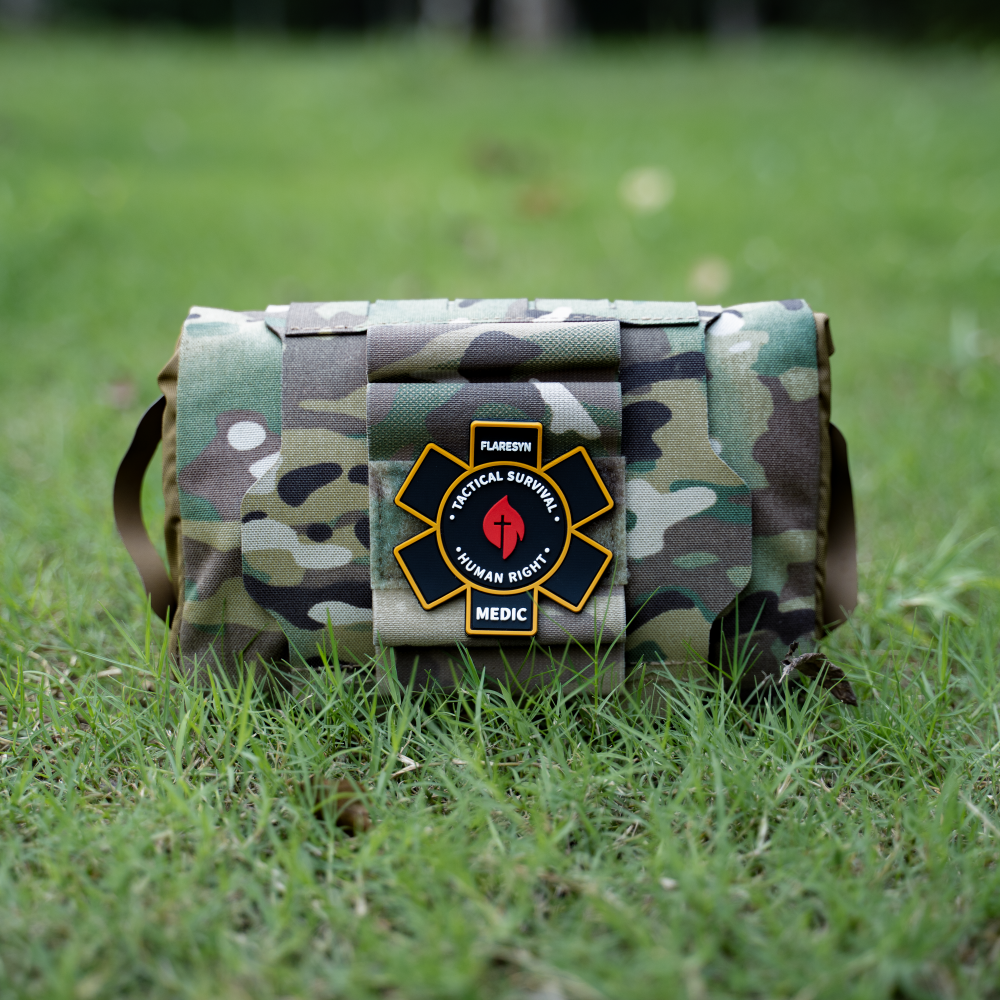
The ideal placement allows you to reach the kit with either hand. Plate carriers, chest rigs, and battle belts offer quick access for armed professionals or tactical environments. For civilians, vehicles, range bags, and backpacks are practical storage locations. Avoid placing your kit where someone else must retrieve it for you. Rip-away pouches like those offered by FlareSyn allow quick removal for ease of use without permanent mounting.
Training Matters: Knowing How to Use What’s Inside
Owning gear is only half of preparedness. Learning how to apply a tourniquet, pack a wound, or seal a chest injury ensures you don’t freeze under pressure. Even basic training boosts confidence and response time. Consider attending first aid courses that teach bleeding control and trauma response. Practice using your own kit so you're familiar with each item before an emergency happens.
Replenishing Consumables, Versioning, Expiry Dates
Many medical items expire or degrade over time, especially adhesives and sterile packaging. Review your kit regularly to replace worn items. Track versions of tourniquets and bandages since new models may offer better function. Keep a small list of expiration dates on a card inside the kit. This keeps everything usable when needed instead of discovering issues in critical moments.
Frequently Asked Questions
What is the main difference between an IFAK and an AFAK?
An IFAK usually refers to a compact individual trauma kit. AFAK is less standardized and is commonly used by some brands to mean a more advanced or expanded trauma kit. The actual difference depends more on the contents and the intended user than on the acronym itself.
When should I use an MFAK or M-FAK over an IFAK?
Only after checking what the brand means by the label. Some sellers may use it for a broader or differently configured kit, while North American Rescue uses M-FAK for Mini First Aid Kit. Do not assume the letters mean a multi-person setup unless the product description clearly says so.
Can I carry an IFAK without medical training?
Yes, but carrying one is not the same as knowing how to use it well. At minimum, basic bleeding-control training is worth getting. Stop the Bleed teaches direct pressure, wound packing, and tourniquet use, which are the most practical skills for many trauma-kit owners.
What should most civilians keep in addition to a trauma kit?
A normal first aid kit for everyday injuries. Trauma kits and standard first aid kits do different jobs. One handles routine problems; the other is built for severe bleeding and urgent stabilization. OSHA’s guidance for generic workplace first aid kits shows how different standard kit purposes are from trauma-kit use.
What should I look for before buying any kit?
Look at the actual contents, where you plan to keep it, how fast you can access it, and whether you know how to use what is inside. The acronym matters less than the loadout, quality, and your training level.
Conclusion
Choosing the right first aid kit depends on several factors, including the environment, your level of medical training, and the type of risks you face. IFAK is perfect for personal use, AFAK is suited for advanced care in tactical settings, and MFAK is designed for group care in large-scale emergencies. Whichever kit you choose, ensure that you are properly trained to use it.
At FlareSyn, we offer a wide selection of IFAK, AFAK, and MFAK kits to meet the needs of various environments, from tactical operations to family preparedness. Prepare today and be ready for any emergency, explore our range of high-quality first aid kits and find the one that’s right for you!