Urban Survival Gear: How to Stay Prepared in City Emergencies
Emergencies can strike at any time, and in cities, the risks are even more pronounced. Power outages, natural disasters, civil unrest, and supply shortages can leave urban dwellers vulnerable. With the right urban survival gear, however, you can stay prepared and increase your chances of surviving and thriving during a city emergency. The key is to have the proper tools, mindset, and plans in place to act quickly and effectively. This guide breaks down the exact gear, planning, and first-response steps that help city residents handle blackouts, supply shortages, severe weather, and civil disruption without panic.
Urban Survival Gear Essentials for City Emergencies
What is Urban Survival Gear and Why It’s Different from Wilderness Gear?
Urban survival gear is specially designed to help you cope with the unique challenges of living in a city during an emergency. Unlike wilderness survival gear, which focuses on outdoor survival skills, urban survival gear must address the needs of densely populated, resource-dependent environments. City dwellers face distinct challenges like power outages, crowded evacuation routes, and limited access to essential supplies during a crisis.
Urban survival gear includes tools, devices, and supplies that can help you manage these challenges effectively. Examples include:
-
Multi-tools: Compact, versatile tools that are perfect for navigating the tight spaces and specific needs of urban environments.
-
Water filtration systems: Compact filters that provide clean water, especially when city water supplies are disrupted.
-
Portable power banks: Essential for charging your phone and other devices during a blackout.
-
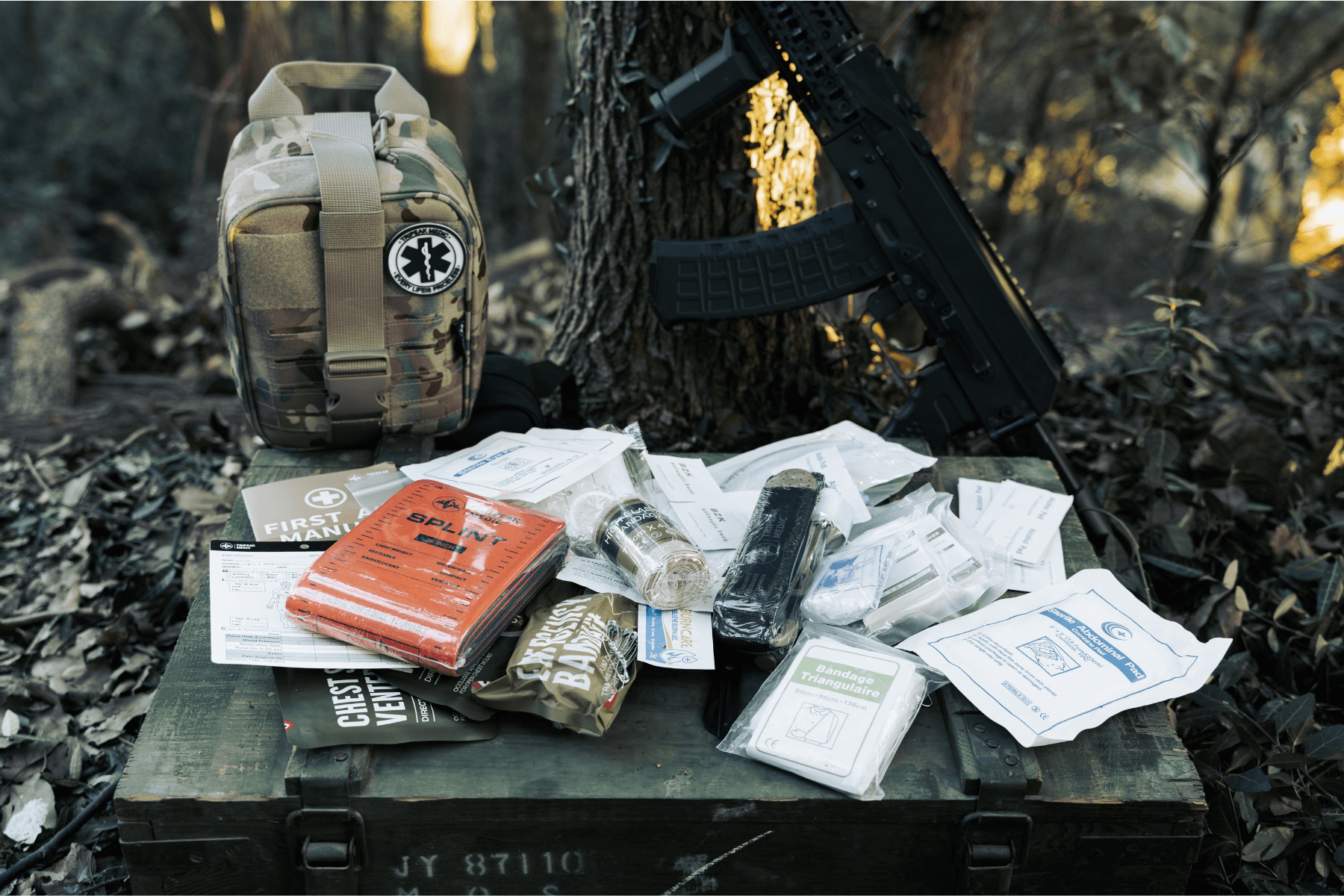
First aid kits: Customized for treating injuries that are common in urban emergencies, such as burns, cuts, and sprains.
The difference between urban and wilderness survival lies in the need for tools that enable you to manage the everyday infrastructure breakdowns and social challenges that cities face. Having the right gear ensures that you're ready for anything, from basic first aid to full-on survival situations.
Why Urban Survival Gear is Essential for City Dwellers
Cities are highly dependent on infrastructure, and during emergencies, this can become a significant vulnerability. When the power goes out, roads become impassable, or civil unrest breaks out, you need to be able to rely on your own resources. Urban survival gear allows you to:
-
Maintain basic necessities: Access clean water, food, and light when city services are unavailable.
-
Stay connected: Maintain communication with your loved ones and emergency services when mobile networks fail.
-
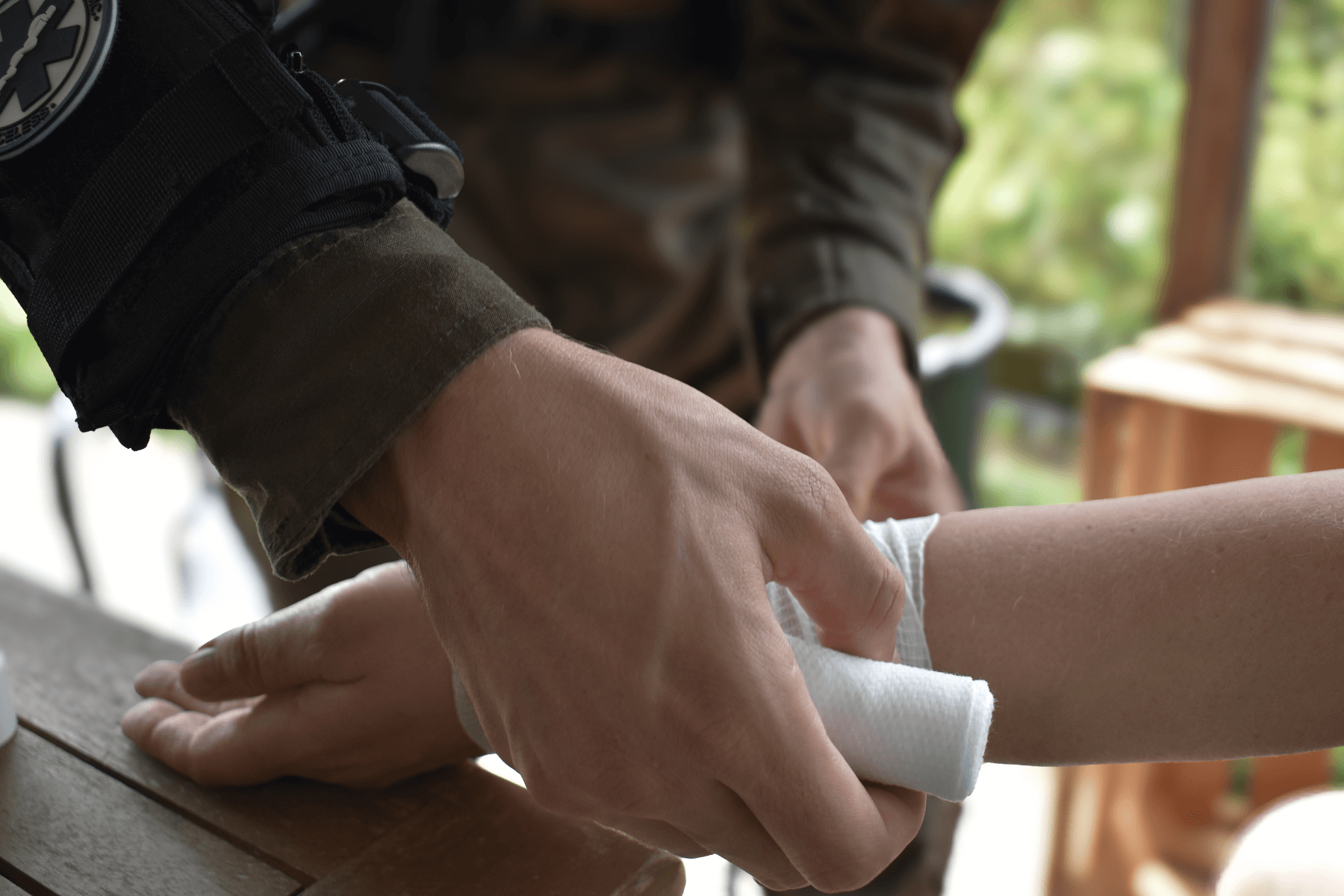
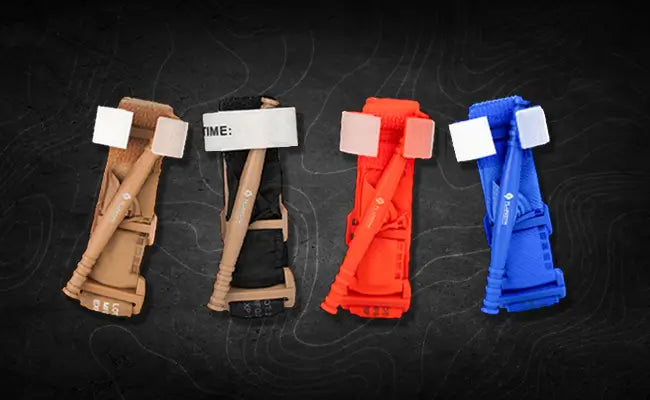
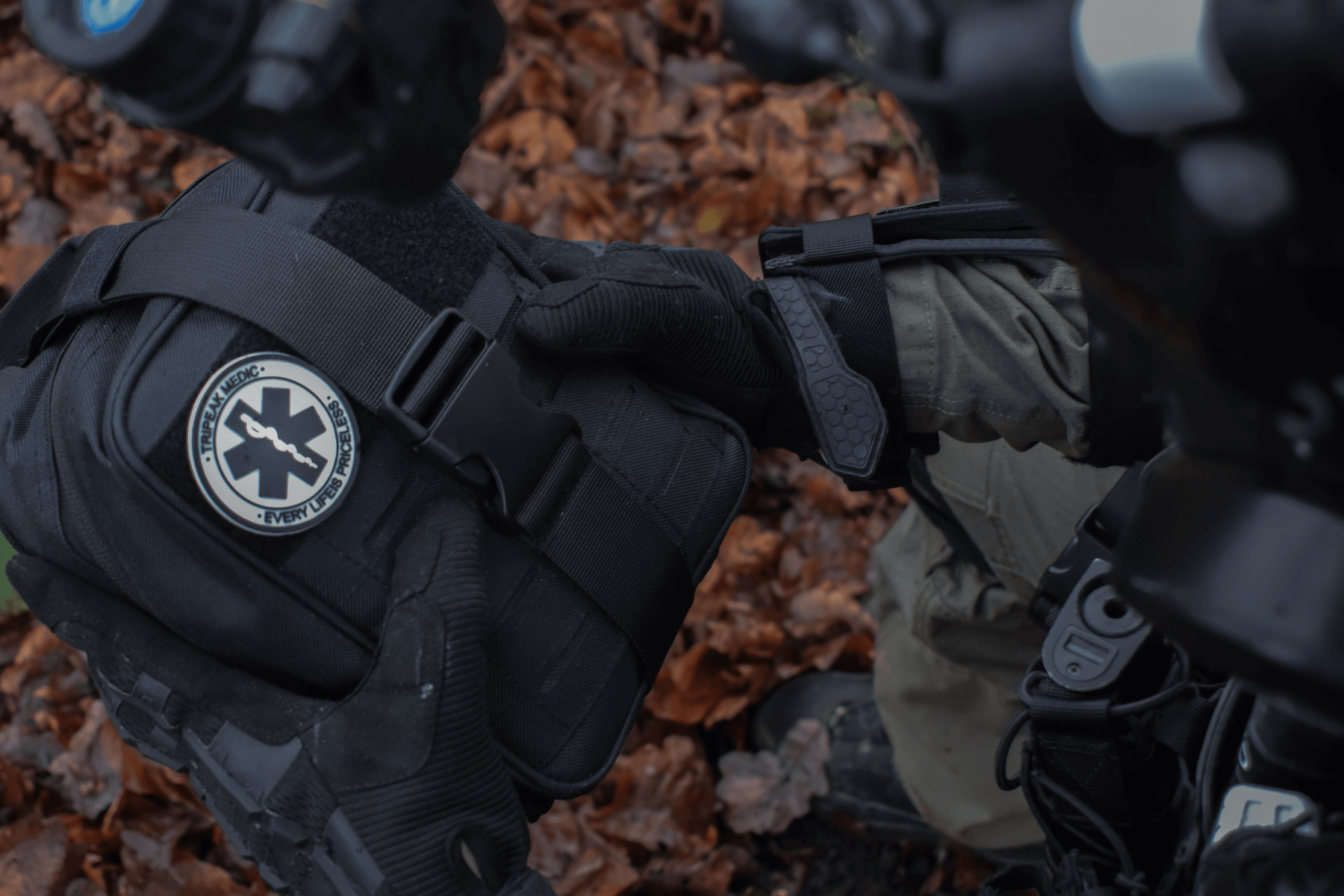
Provide first aid: A professional IFAK (Individual First Aid Kit) is a cornerstone of urban survival. Every city dweller should follow a verified IFAK checklist to ensure they have the right supplies for lacerations or blunt force trauma.
Having the right gear ensures you can take care of yourself and your family, minimizing the impact of an emergency and enabling you to stay self-sufficient when the situation requires it.
Urban Survival Strategies and Preparedness
Creating Your First Urban Survival Kit
Building your first survival kit is the first step toward urban preparedness. Tailor your kit based on the risks specific to your city. Here’s a step-by-step checklist for creating a 72-hour urban emergency kit.
Urban Survival Gear Checklist: Essentials for a 72-Hour Urban Emergency Kit
-
Drinking water (1 gallon per person per day)
-
Water filter or purification tablets
-
Non-perishable food (canned goods, energy bars, freeze-dried meals)
-
Manual can opener
-
Flashlight or headlamp with extra batteries
-
Portable power bank and charging cables
-
Battery or hand-crank radio for emergency updates
-
First aid kit (including prescription medications)
-
N95 masks (to protect from dust, smoke, or airborne contaminants)
-
Work gloves for debris handling
-
Whistle (to signal for help)
-
Multi-tool (for quick fixes and self-reliance)
-
Cash in small bills (in case ATMs or credit card systems fail)
-
Copies of important documents (ID, insurance papers, medical info)
-
Hygiene supplies (toothbrush, soap, hand sanitizer)
-
Emergency blanket (for warmth)
-
Local paper map (in case GPS fails)
-
Change of clothes (weather-appropriate)
-
Sturdy shoes (for walking long distances)
Having this checklist will ensure that you are prepared for basic survival in an urban emergency for at least three days. If you’re building a practical city-ready kit, FlareSyn offers gear designed for real urban emergency use.
Go-Bag vs Home Survival Kit
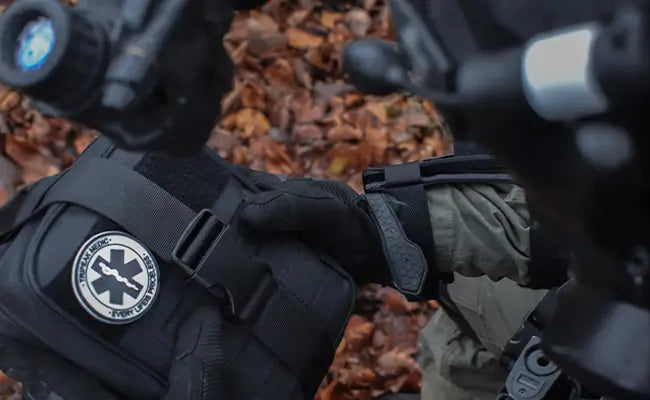
Designed for a quick exit, your go-bag should be a lightweight Pouch or EDC Bag containing 72 hours of essentials.
When preparing for urban emergencies, it's important to recognize that urban survival preparedness is typically split into different categories based on where you’ll be during an emergency: at home, on the go, or in your car. Here’s how to differentiate:
Go-Bag for Evacuation
A go-bag is designed for quick evacuation. It should be compact, lightweight, and packed with only the essentials you need to leave your home and make it to safety. Your go-bag should include:
-
A small first aid kit
-
Water purification tablets or a filter
-
Portable power for charging devices
-
Emergency food (high-energy bars)
-
Lightweight clothing
-
N95 masks for air quality protection
Keep it near your door or in a location that's easy to grab and go.
Home Emergency Kit for Sheltering in Place
A home emergency kit is larger and designed to help you stay at home for at least 72 hours. It includes everything in your go-bag plus additional supplies, such as:
-
Extra water (at least 3 days’ worth per person)
-
Food and cooking supplies
-
Battery-powered lighting and candles
-
Extra first aid supplies
-
Hygiene products
-
Fire extinguishers
Your home kit should be stored in a central location that is easy to access but out of harm’s way during an emergency.
Car Emergency Kit
If you drive regularly, having an emergency kit in your car is essential. A car emergency kit should include:
-
Seasonal clothing (cold-weather gear in winter, sun protection in summer)
-
Flashlight and spare batteries
-
Jumper cables
-
Water and snacks for long waits or evacuations
-
Phone charger
-
Car maintenance tools (tire repair kit, jack)
This kit ensures that you’re prepared for emergencies on the road, especially during long evacuations or unexpected delays.
Sanitation and Hygiene: A Critical but Often Overlooked Element
In urban emergencies, sanitation can become a major issue. Whether you’re sheltering in place or evacuating, maintaining hygiene is crucial for both physical health and mental well-being. Here’s what you should include:
-
Toilet paper and wet wipes (to manage hygiene without running water)
-
Garbage bags for waste disposal
-
Soap and hand sanitizer (for cleaning when water isn’t available)
-
Feminine hygiene products (tampons, pads, etc.)
-
Portable toilet options (e.g., camping toilets or bags for waste disposal)
These items ensure that your basic hygiene needs are met during an emergency when access to regular facilities may be limited.
Important Documents and Backup Cash
During an emergency, digital access can fail—whether due to a power outage, network failure, or cyberattack. It’s critical to have physical copies of important documents and cash on hand for these situations.
Keep the following in a waterproof folder or safe:
-
Identification (driver's license, passports)
-
Insurance papers (home, health, car)
-
Medical information (prescriptions, emergency contacts)
-
Spare keys for your home, car, or office
-
Cash in small denominations (for purchases if ATMs or card systems are down)
This preparedness will help you stay self-sufficient and protect your identity and financial security during a crisis.
Air Quality and Debris Protection
In urban areas, particularly during disasters like fires, riots, or construction accidents, air quality can degrade quickly. Protect yourself from harmful particles and debris with the following:
-
N95 masks (to filter out smoke, dust, and pollutants)
-
Work gloves (to protect your hands from debris and sharp objects)
-
Safety glasses (to protect your eyes from dust, smoke, or debris)
-
Sturdy shoes (to protect your feet from broken glass or debris)
These items will help ensure your safety when the environment becomes hazardous.
What to Do in the First 30 Minutes of a City Emergency
The first 30 minutes of an emergency are crucial. When the crisis begins, here’s what you should do:
-
Check for immediate dangers: Look for fire, gas smells, structural damage, or unsafe exits.
-
Grab essential items: Get your phone, flashlight, power bank, and first aid kit.
-
Check official alerts: Use your radio, phone (if functional), or emergency apps to get the latest updates. Use a radio to monitor emergency preparedness risk levels.
-
Contact family members: Let your loved ones know you're safe, and confirm their status.
-
Make a decision: Based on the situation, decide whether you need to shelter in place or evacuate. Do not waste time packing random items—follow your pre-made checklist.
Acting quickly and following these steps will help minimize confusion and allow you to respond effectively.
Dealing with Common Urban Emergency Scenarios
Understanding the most common urban emergencies and knowing how to respond to each of them can drastically improve your ability to manage a crisis effectively. Below are practical steps you can take to address the most likely scenarios.
Power Outages
Power failures can happen during storms, equipment malfunctions, or even as a result of a cyberattack. Power outages can last anywhere from a few hours to several days. When the lights go out, your first priority should be lighting and temperature regulation. Use battery-powered flashlights or headlamps to navigate, and keep a backup power bank to charge essential devices like your phone.
You can also use solar-powered chargers to maintain a longer-term power supply. If temperatures drop, use thermal blankets and portable heaters (powered by solar or gas) to stay warm. Additionally, consider keeping non-perishable food on hand that doesn’t require cooking, such as canned goods and protein bars.
Natural Disaster
Urban areas are often vulnerable to a variety of natural disasters, including floods, earthquakes, and fires. In the event of a flood, the first step is to avoid low-lying areas and ensure that your home is protected with sandbags or other barriers. Keep important documents in waterproof bags or containers to prevent damage. During an earthquake, “Drop, Cover, and Hold On” is the standard advice, take cover under a sturdy piece of furniture and protect your head and neck. If you’re in a high-rise or apartment building, avoid using elevators. Wildfires can also be a serious risk, particularly if you live near wooded areas. Keep fire extinguishers on hand and consider having fire-resistant clothing and masks to protect yourself in the event of smoke exposure.
Civil Unrest
If civil unrest or riots break out in your area, your first priority should be safety. Stay inside your home or shelter, and lock all doors and windows. If you must go outside, avoid areas with large crowds or protests. Stay low-profile and wear inconspicuous clothing to blend in. Keep a first aid kit handy for any minor injuries you might sustain while evacuating or protecting your property. For communication, use two-way radios or satellite phones to stay connected with loved ones and neighbors without relying on overloaded mobile networks.
Supply Shortages
During an emergency, access to essential goods such as food, water, and medical supplies may become limited. To prepare for supply shortages, ensure that your home is equipped with at least a 72-hour supply of food and water. Store non-perishable items like canned goods, dried fruits, and grains. Water should be stored in large, sealed containers, and a water filtration system should be included in your survival gear. It's also essential to stockpile first aid supplies, including bandages, antiseptics, and any necessary prescription medications. For added convenience, consider a modular survival kit that includes multiple survival tools, first aid items, and rations in one portable bag.
How Technology Can Enhance Urban Survival Preparedness
While traditional survival gear is essential for any urban emergency, integrating technology into your plan can significantly increase your chances of staying informed and connected during a crisis. From communication tools to power solutions, modern technology can help you respond more effectively.
Emergency Radios and Alerts
Battery-powered or hand-crank emergency radios are essential in urban survival. These devices keep you informed about weather updates, emergency broadcasts, and city-wide alerts, especially when other communication channels fail. Be sure to choose a radio that can pick up AM/FM signals and includes a solar charging option for long-term use.
Solar Power and Backup Energy Solutions
Power outages are one of the most common issues in urban crises. A reliable backup energy system, such as a solar panel charger or portable battery banks, ensures you can keep your devices powered even when the grid goes down. Solar chargers are especially beneficial for long-term power outages as they provide a renewable energy source to keep essential devices like flashlights, phones, and radios running.
Smartphone Apps and Communication Tools
Mobile phones are an essential part of urban survival, but they depend on battery life and network connectivity. In case of a network failure, having offline map apps (like Google Maps offline or Maps.me) can help you navigate your surroundings. Additionally, apps like FEMA, Red Cross, and LocalAlert provide important updates and notifications during emergencies.
Satellite Communication
If you need to stay in contact with people when traditional phone networks fail, consider investing in satellite phones or satellite communicators like Garmin inReach. These devices ensure that you can send and receive messages no matter where you are.
Maintaining Your Urban Survival Gear
Having the right gear is only part of the equation. Keeping it functional and up to date is equally important. Here’s how to maintain your urban survival gear, ensuring it’s always ready when you need it.
Routine Gear Inspections: Regularly inspect all items in your survival kit to ensure they are in working condition. Check your flashlights to ensure they have fresh batteries, and test any multi-tools to make sure all parts are functioning properly. Replenish any supplies that have expired or been used, such as medications, food rations, and water filters.
Updating Your Gear Based on Changing Risks: As you assess your personal risks, you should also adjust your gear accordingly. For example, if you live in an area that is increasingly prone to severe winter weather, make sure your survival kit includes thermal blankets, extra warm clothing, and a portable heater. Urban environments constantly evolve, and your preparedness gear should evolve with them.
Rotate Food and Water Supplies: Canned goods, dried foods, and water have expiration dates, so it’s essential to rotate them regularly. Store water in food-grade containers and use a water purification system to ensure it's always drinkable. Consider purchasing freeze-dried meals that have a longer shelf life and are easy to prepare in emergencies.
Keep Your First Aid Kit Fully Stocked: The first aid kit is one of the most crucial parts of your survival gear. Check it regularly to ensure that everything is in good condition, such as bandages, gauze, and antiseptics. Replace any expired medications or treatments and consider adding extra items that are specific to your family’s needs (e.g., allergy medication or prescription drugs).
Start Preparing for Urban Emergencies Today
Urban emergency preparedness is not about buying the most gear. It is about removing failure points before normal systems break down. Start with water, light, first aid, backup power, documents, and a clear evacuation plan. Then expand your setup based on your local risks and daily routine. If you’re building a practical city-ready kit, FlareSyn offers gear designed for real urban emergency use.