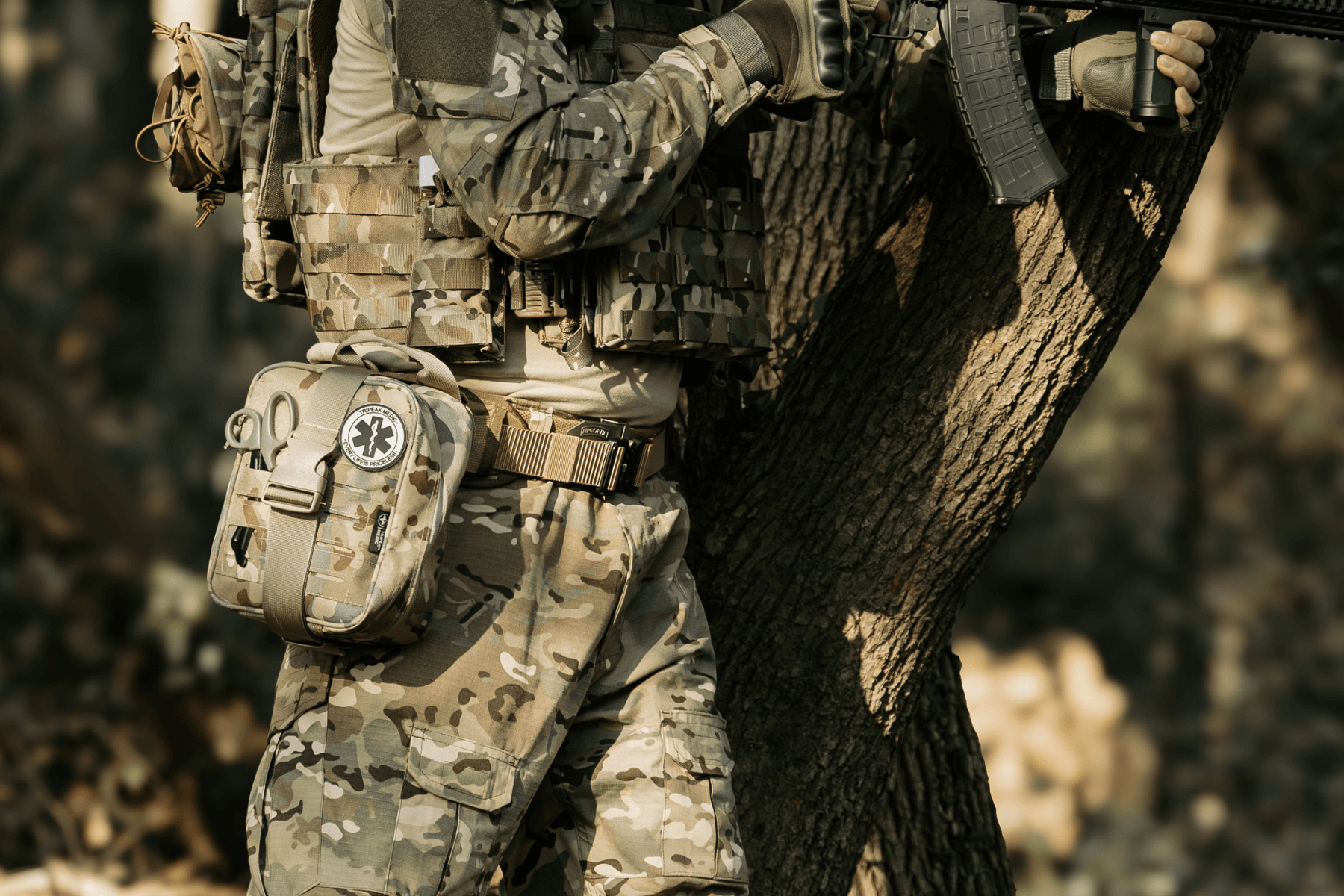
What to Put in a Medical Kit: Essential Supplies for Home, Car & Emergencies
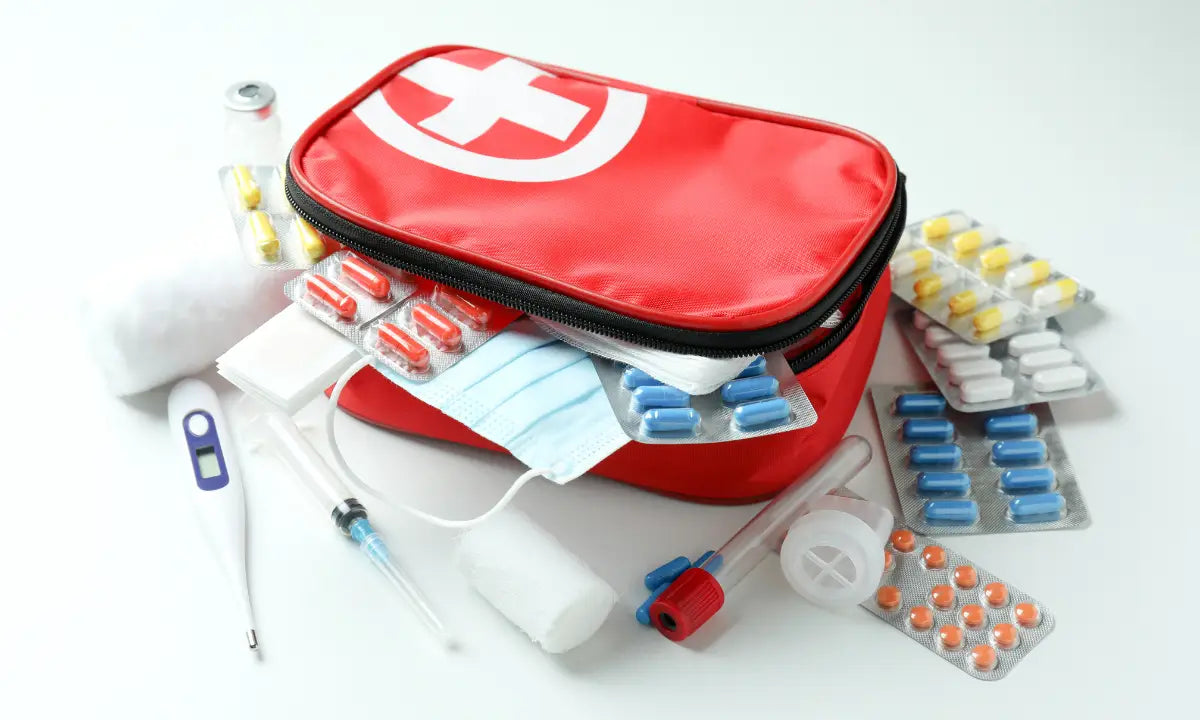
A well-stocked medical kit is crucial for addressing injuries and emergencies. It should include basic wound care supplies, pain relievers, essential medical tools, and trauma supplies. For a home, car, or emergency kit, include items such as adhesive bandages, gauze, antiseptic wipes, ibuprofen, gloves, and a CPR mask.
We all know that accidents and medical emergencies can happen when least expected. Whether it’s a small cut at home, a car breakdown on a remote road, or a camping trip that turns into an unexpected emergency, being prepared can make all the difference. In this blog post, we’ll walk you through the essential supplies to include in your medical kit for home, car, and emergency use. You’ll learn exactly what to include in each kit and why it's crucial to keep them well-stocked and easily accessible. By the end, you'll have the confidence to ensure that you're always prepared for whatever life throws your way.
Core Medical Supplies Every Kit Should Have (For Home, Car & Emergencies)
In every medical kit, certain supplies are essential. These items should be included whether the kit is for use at home, in the car, or in an emergency. Each item plays a vital role in handling common injuries and conditions, from minor cuts to severe trauma. Many of these essentials are already included in FlareSyn basic First Aid Kits, making them a helpful starting point if you prefer ready-made solutions. When building your kit, focus on items that clean, protect, and support wounds, along with tools that make treatment easier.
Wound Care Supplies
Wound care is the first priority in any medical emergency. Whether you're dealing with a minor cut or a more serious injury, these items will help control bleeding, prevent infection, and promote healing.
-
Adhesive Bandages (Various Sizes): Essential for treating minor cuts and scrapes. They come in various sizes to fit different wound types, making them versatile and easy to use.
-
Sterile Gauze Pads: Gauze is used for larger wounds to absorb blood and prevent infection. Sterile gauze ensures that the wound remains clean.
-
Medical Tape: Medical tape is used to secure gauze pads or bandages. It's a simple yet necessary tool for ensuring that the wound is covered and protected.
-
Bandage Rolls: These rolls are great for wrapping larger wounds or securing gauze to a wound site.
-
Antiseptic Wipes: Wipes help clean wounds, removing dirt and bacteria, preventing infections.
-
Antibiotic Ointment: Antibiotic ointment like Neosporin is essential for preventing infections in minor wounds and cuts.
Pain Relief & Basic Medications
Having the right medications on hand can make a world of difference when dealing with pain, allergic reactions, or dehydration. These basic medications are crucial for treating everyday discomforts and common conditions.
-
Ibuprofen & Acetaminophen: These pain relievers are perfect for managing pain from sprains, headaches, or fever.
-
Antihistamines: Antihistamines like Benadryl are essential for allergic reactions, whether it’s a mild reaction to a bee sting or seasonal allergies.
-
Electrolyte Solution Packets: These are crucial for hydration in case of heat exhaustion, dehydration, or stomach illnesses. They help replace essential electrolytes lost through sweating or vomiting.
Essential Medical Tools
These tools are designed for precision and ease of use during first aid treatment. Whether you’re performing CPR or simply trying to remove a splinter, these tools will help make the process smoother and safer.
-
Tweezers: Essential for removing splinters, ticks, and small foreign objects.
-
Medical Scissors: Scissors are necessary for cutting tape, gauze, or even clothing in emergencies to expose a wound.
-
Non-Latex Gloves: These are essential for hygiene and safety when treating wounds. They prevent cross-contamination and protect both the patient and caregiver.
-
Digital Thermometer: Used to measure body temperature, which is crucial for diagnosing fever and related conditions.
-
CPR Mask: A CPR mask is used to safely perform mouth-to-mouth resuscitation in case of cardiac arrest, reducing the risk of infection.
Precision tools make the treatment process smoother and safer. In addition to tweezers and scissors, every kit should follow the IFAK checklist, ensuring you have items like non-latex gloves and a durable Tourniquet ready for rapid deployment.
Basic Trauma Supplies
Trauma supplies are necessary for controlling severe injuries, particularly those that involve significant bleeding or trauma. For high-stakes situations, understanding the importance of trauma kits can help you bridge the gap between basic first aid and life-saving intervention. These supplies are vital for stabilizing a person until professional medical help arrives.
-
Instant Cold Packs: Cold packs help reduce swelling, numb pain, or treat burns. They are simple to use and essential in any emergency.
-
Pressure Bandages: Pressure bandages are designed to help control heavy bleeding by applying direct pressure to the wound. Bleeding Control and pressure bandages to stabilize severe hemorrhaging.
-
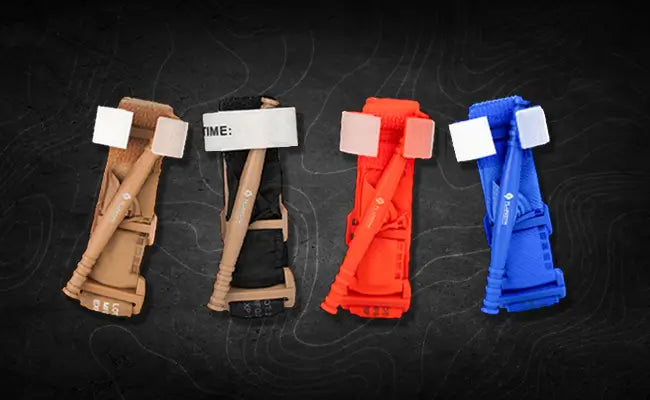
Tourniquet (For Severe Bleeding): A tourniquet is a life-saving device used in cases of severe bleeding, such as a limb amputation. It should be included in any emergency medical kit for trauma situations.
These core supplies ensure that you can address the most common injuries and health conditions, providing immediate relief and support until professional medical assistance is available.
How to Customize Your Medical Kit for Different Situations
Now that we've covered the core supplies that every medical kit should have, it's important to understand how to customize your kit for specific scenarios. While the core supplies are essential in any situation, each environment (home, car, and emergencies) has unique requirements. Let’s look at how to optimize your kit for these different needs.
Home Medical Kit Essentials
A home medical kit should be equipped to handle common household injuries, illnesses, and emergencies. Whether it’s a minor burn while cooking, a child with a fever, or someone in need of allergy relief, your home kit should have everything you need for immediate treatment.
Additional Items for Home Use
-
Burn Gel or Aloe Vera: For soothing burns caused by accidents in the kitchen, sun exposure, or other minor burns.
-
Extra Bandages and Gauze: Having a variety of bandages and additional gauze is important in case of more severe cuts or repeated injuries.
-
Fever Thermometer: For monitoring fever in the case of illness, especially in children or elderly family members.
-
Prescription Medications: Include medications prescribed to your family members. This ensures that you can manage chronic conditions or sudden health issues without delay.
-
Pulse Oximeter: An optional item but valuable for monitoring oxygen levels, particularly for elderly family members or those with respiratory conditions.
Storage Tips for Home Kits
-
Central Location: Store your medical kit in a central, easy-to-access location like the kitchen or a common area.
-
Dry and Moisture-Free: Avoid storing the kit in areas like bathrooms where humidity can damage supplies.
-
Labeled Compartments: Use clearly labeled compartments to organize the supplies and ensure quick access when needed.
-
Childproof: If you have young children, ensure the kit is stored safely out of their reach to avoid accidents.
Customizing for Family Needs
For Children
When customizing your medical kit for children, it’s essential to include infant pain relievers, such as liquid acetaminophen or ibuprofen, specifically designed for young children. A baby nasal aspirator is also helpful for clearing congestion in infants and toddlers. Don’t forget baby-safe bandages, which are gentle on their delicate skin, and diaper rash cream to soothe and prevent rashes. These items ensure that you are prepared for common childhood illnesses and injuries, especially during travel or outdoor activities.
For Elderly
Elderly family members often have unique health needs. Include blood pressure medications, as many older adults take these regularly. Keep extra prescriptions on hand, as some medications may need refills while traveling or in case of emergencies. Mobility aids such as a lightweight cane or a walking frame, can be important if your elderly loved one requires assistance getting around. By customizing your kit to accommodate their specific needs, you’ll be better prepared to manage any medical emergencies that arise.
For Pets
Pets are part of the family, and they require their own set of medical supplies. Include pet-safe bandages for minor cuts or injuries, and make sure to have saline eye wash to clean your pet's eyes if they get irritated. Flea and tick treatments are essential, especially if you're in areas where these pests are common. Consider adding any prescription medications your pet may need in case of an emergency. With a pet-friendly medical kit, you’ll be able to care for your furry friends in the event of an injury or health concern.
Car Medical Kit Essentials
When it comes to a car medical kit, the focus is on managing injuries and accidents that may occur while on the road. A car kit should also include tools and supplies to handle minor issues and emergencies, ensuring you can manage roadside injuries or assist others until professional help arrives.
Key Additions for a Car Kit
-
Flashlight with Extra Batteries: A flashlight is vital for visibility during night-time emergencies, especially in case of an accident.
-
Multi-tool or Swiss Army Knife: Essential for tasks such as cutting, opening packages, and making quick repairs to your car or gear.
-
Emergency Whistle: Useful for signaling for help in case you're stranded or need attention from nearby drivers.
-
Emergency Blanket: Helps to retain body heat in case of shock or prolonged exposure to cold weather.
-
Bottled Water: Always carry water in the car, especially during long trips or if you're stuck in traffic for extended periods.
-
Non-Perishable Snacks: Granola bars or similar snacks can provide energy in case of delays or long road trips.
Organization Tips for Car Kits
Waterproof Container
A waterproof container is crucial for ensuring that your medical supplies stay dry, especially in areas prone to rain or wet conditions. A durable, waterproof bag or a sealed plastic container will protect your bandages, medications, and other sensitive items from water damage. This is especially important in places like Casper, WY, where unpredictable weather can easily cause dampness inside your vehicle. Keeping your kit in a waterproof container ensures that it’s always ready for use, regardless of the weather.
Storage Location
Proper storage of your medical kit is just as important as the contents inside. Store your kit in an easily accessible location, such as the glove compartment or trunk of your car. Ensure that the storage area is within reach and that you don’t have to fumble through other items to find it in an emergency. The more accessible your kit is, the quicker you’ll be able to provide help in a stressful situation, whether you’re on a long road trip or just driving through town.
Compact but Accessible
When selecting a container for your car medical kit, it's essential to make sure it’s compact yet easily accessible. You don’t want a bulky kit that takes up too much space or is hard to open in a rush. Choose a compact pouch or small toolbox that can hold all your necessary supplies but is still easy to grab when you need it. Having everything organized and within reach will save time in emergencies, ensuring that you can address injuries or medical concerns without unnecessary delays.
Insulated Bags for Cold Climates
If you’re traveling in winter conditions, it’s especially important to use insulated bags for your medical kit. Items like medications, ointments, and antiseptic wipes can freeze or lose their effectiveness in cold temperatures. By storing your medical kit in an insulated bag, you ensure that the contents stay at a functional temperature, even in freezing conditions. This is particularly useful in places like Wyoming, where temperatures can drop significantly, making sure your medical supplies are ready to use whenever you need them.
Travel & Outdoor Emergency Kits
When you're traveling or spending time outdoors, a medical kit needs to be lightweight, portable, and adaptable to different environments. These kits should be compact yet packed with supplies to address common injuries or health issues while away from home.
Additional Supplies for Travel
-
Motion Sickness Tablets: To manage nausea or dizziness during travel, especially on boats, planes, or winding roads.
-
Insect Repellent: Essential for protecting against bug bites and potential allergic reactions or infections.
-
Electrolyte Packets: Handy for maintaining hydration, especially during hot weather or after intense physical activity.
-
Compact Splints for Fractures or Sprains: If you're hiking or engaging in outdoor sports, splints are crucial for stabilizing broken or sprained limbs.
-
Extra Antiseptic Wipes: To clean wounds when fresh water or other cleaning supplies aren't readily available.
-
Waterproof Medical Tape: For keeping gauze and bandages in place, even in wet conditions.
Specialized Items for Outdoor Adventures
Snake Bite Kit
If you’re heading into areas where venomous snakes are common, carrying a snake bite kit is a must. These kits typically include suction devices to help remove venom, bandages to help control bleeding, and instructions for administering first aid while waiting for professional help. The key to using a snake bite kit is to act quickly and efficiently—venomous bites can lead to serious complications if not treated immediately. Having the right kit at hand can significantly increase your chances of survival until you can reach medical assistance.
Altitude Sickness Medication
Traveling to high altitudes, whether for hiking, skiing, or exploring mountain ranges, comes with the risk of altitude sickness. This condition can cause headaches, nausea, dizziness, and fatigue. Having altitude sickness medication on hand can help mitigate symptoms and prevent the condition from worsening. Medications such as acetazolamide help the body acclimatize more effectively to higher elevations, ensuring that you can continue your adventure safely. Be sure to consult your doctor before your trip to see which medications are appropriate for your needs.
Thermal Blanket
A thermal blanket is a lightweight yet essential item in your outdoor kit, particularly if you’re in remote areas where temperatures can drop unexpectedly. These blankets, often made from mylar, trap body heat and provide insulation against the cold, helping to prevent hypothermia. Whether you're stranded outdoors due to a missed turn or a sudden storm, a thermal blanket can be a lifesaver. Keep it folded and accessible so that you can use it quickly during an emergency.
Waterproof Storage Bag
When you’re spending time outdoors, weather conditions can be unpredictable. A waterproof storage bag ensures your medical supplies stay safe and dry in harsh outdoor conditions. Whether you’re hiking in the rain, kayaking, or dealing with snow, a waterproof bag helps protect your medications, bandages, and tools from the elements. This is especially critical for keeping your first aid supplies functional and ready for use when needed.
Packing Tips
Lightweight Waterproof Kits
When packing for outdoor adventures, you need a medical kit that is both lightweight and comprehensive. A compact, waterproof kit allows you to carry essential supplies without adding unnecessary weight to your backpack. Look for kits that include multi-use items like gauze, antiseptic wipes, and bandages, which cover a wide range of injuries. Opting for a lightweight kit ensures that you can comfortably carry it without it becoming a burden on your trip, while still being prepared for various outdoor situations.
Organize by Categories
Organization is key when it comes to packing your outdoor medical kit. Group similar items together, such as wound care, medications, and trauma supplies. This makes it easier to find what you need in a hurry, especially in a stressful situation. For example, keep bandages, gauze, and antiseptic wipes in one section, while medications like pain relievers and altitude sickness tablets are stored in a separate pocket. Having everything organized allows you to quickly access the right supplies when they’re needed the most.
Store Trauma Supplies Separately
In critical situations, trauma supplies need to be easily accessible. Keep items like tourniquets, pressure bandages, and trauma shears separate from your other medical supplies, preferably in a dedicated compartment or pouch. These items are crucial for handling severe injuries, so having them organized and within quick reach could be a matter of life or death. When you’re facing a serious situation, knowing where your trauma supplies are stored and being able to grab them immediately can help you act swiftly.
How to Maintain and Restock Your Medical Kit
Keeping your medical kit ready for use at all times is essential. A well-maintained kit ensures that you can quickly address any injuries or emergencies, whether at home, in the car, or while traveling. This section will guide you through the maintenance process, explaining how to check, restock, and refresh your kit regularly to keep it in peak condition.
Why Regular Maintenance is Important
A kit is only useful if the supplies are fresh. Perform a quick check every three months to replace expired medications and restock items used during minor incidents. Following the M.A.R.C.H. protocol during your drills ensures you know exactly where every item is located when seconds count.
Maintenance Tips for Your Medical Kit
Check Supplies Every 3 Months
Perform a quick check of your medical kit every three months to ensure that all the supplies are in good condition. This is especially important for medications and first aid products, as many items have expiration dates. This check should include:
-
Medications: Ensure that pain relievers, antihistamines, and electrolyte packets haven’t expired.
-
Wound care items: Bandages, gauze, and medical tape should still be functional and not damaged.
-
Trauma supplies: Ensure that items like the tourniquet, pressure bandages, and cold packs are in usable condition.
Replace Expired Medications
Medication expiration is a key concern when maintaining any medical kit. As medications lose potency over time, you risk ineffective treatment during an emergency. FlareSyn offers kits for each environment, including Home First Aid Kits, Vehicle Trauma Kits, and Outdoor Tactical Kits, allowing customers to select the setup that fits their daily routine.Pay particular attention to:
-
Pain relief medications like ibuprofen and acetaminophen, which can lose potency after their expiration date.
-
Antibiotic ointments and antiseptic wipes, which should be replaced if they’ve expired, to ensure their effectiveness.
-
Prescribed medications: Always make sure that any medications for chronic conditions are replaced when they expire, as they are critical for ongoing treatment.
Restock After Every Use
If you’ve used any items from your kit, whether in a home emergency or roadside situation, be sure to restock immediately. Keeping track of what’s been used will ensure you don’t forget important supplies, especially in a high-stress situation. This includes:
-
Bandages, gauze pads, and medical tape.
-
Medications, such as pain relievers or antihistamines.
-
Tools, like scissors, tweezers, or CPR masks, that might have been used.
Adjust Items Based on Season, Travel Plans, or Family Needs
Your needs may change depending on the season, travel plans, or family changes. Here’s how to keep your kit updated:
-
Winter: In cold climates, ensure that your car kit has winter-specific items, such as extra blankets and a portable tire inflator.
-
Summer: For warmer months, ensure that your travel kit includes sunscreen, insect repellent, and hydration tablets.
-
Travel: When traveling, particularly internationally, consider adding specific items such as motion sickness tablets, water purification tablets, or even medications for travel-related health risks (e.g., altitude sickness).
How to Restock and Refresh Your Medical Kit
Restocking your kit isn't just about replacing expired items—it's also about making sure your kit reflects your current needs. Here are some best practices for restocking and refreshing your medical kit:
1. Keep an Inventory List
An inventory list will help you keep track of what’s in your kit and ensure that you’re not missing essential supplies. You can keep this list digitally on your phone or in a physical copy inside the kit. Update it regularly based on the supplies you use or replace.
2. Choose Quality, Reliable Products
When restocking, it’s crucial to prioritize quality over quantity. While it’s tempting to go for cheap alternatives, medical products like bandages, adhesive tapes, and medications need to be reliable and effective. Consider opting for trusted brands and reputable products that are widely recognized for their quality and effectiveness.
3. Opt for Multi-Purpose Items
Where possible, choose multi-purpose items that can serve multiple functions. For example, a multi-tool can replace several separate items like scissors and a knife, and CPR masks can be used for both adults and children in emergencies. This helps keep your kit compact and organized without compromising on its functionality.
4. Consider Professional Medical Help
While having a well-stocked medical kit is essential, it’s equally important to recognize when professional medical assistance is needed. Always ensure your kit contains emergency contact information for local healthcare providers or emergency services, such as the American Red Cross or local urgent care facilities like Accelerated Urgent Care in Casper, WY. This information will help you quickly reach out for professional help in critical situations.
Conclusion: Be Prepared, Stay Safe
A well-maintained medical kit can make all the difference in an emergency. By regularly checking supplies, restocking expired items, and adjusting for seasonal needs, you ensure that your kit remains effective and ready for action when you need it most. Whether you’re preparing a home medical kit, car emergency kit, or travel kit, the key is to be proactive and stay prepared. Whether you are a first responder or a prepared citizen, Flaresyn provides the professional-grade gear you need to handle life’s most critical moments.