
When Kids Bleed: Why Adult Trauma Protocols Fail Children and How to Adapt Your IFAK
Quick Navigation: Family Safety Guide
There is a glaring, unspoken cognitive dissonance that exists among many modern prepared individuals and tactical enthusiasts. Walk into their homes or look in the trunks of their vehicles, and you will find perfectly curated, military-grade Individual First Aid Kits (IFAKs). They feature pristine, battle-tested windlass tourniquets, heavy-duty pressure dressings, and advanced hemostatic agents chosen to survive the harshest environments. Yet, if an emergency strikes within their own living room or during a family road trip, a terrifying reality comes to light: many heavily equipped individuals possess absolutely zero mechanical or operational capability to treat a life-threatening injury on their own children.
The underlying problem stems from a pervasive and highly dangerous medical assumption—the belief that children are simply "miniature adults" and that adult emergency trauma protocols can be scaled down on the fly. In a high-stress crisis where blood is actively pooling, the instinct to simply grab an adult tactical kit and apply it to a toddler or infant can lead to catastrophic failure. Standard adult battlefield protocols do not translate perfectly to pediatric physiology. The tools, the kinetic forces required, the blood volume tolerances, and even the basic anatomical angles change completely when the patient is a child.
True tactical preparedness is not measured by how "cool" your belt rig looks or how many combat-certified patches are stuck to your nylon gear. It is measured by your actual capacity to shield and preserve your most vulnerable assets when seconds count. When a child experiences a severe penetration wound, an arterial laceration from broken glass, or a deep animal bite, their survival depends entirely on a parent's ability to act with precise, age-adapted knowledge. This guide breaks down the critical physiological math of pediatric trauma, exposes the structural failure zones of adult tactical gear on small bodies, and provides a comprehensive roadmap to optimize your pediatric trauma kit and family medical setup.


The Physiological Reality: Why Kids Are Not "Miniature Adults" in Trauma
To effectively build a pediatric trauma kit, a parent must first dismantle the myth that a child's body behaves like an adult's, only smaller. In emergency medicine, pediatric biology operates under completely different mathematical rules, fluid dynamics, and structural tolerances. When severe trauma occurs, understanding these underlying differences is the exact line between an effective life-saving intervention and an accidental, tragic failure of care.
The Critical Math of Pediatric Blood Volume
The most terrifying aspect of child bleeding control is the sheer lack of margin for error. Blood loss that an adult could easily tolerate while remaining conscious can push a toddler into irreversible hemorrhagic shock within minutes.
To put this into perspective, an average adult weighing 180 pounds possesses roughly 5 liters (5,000 mL) of blood. A typical newborn or infant, by contrast, has a total blood volume calculated at a mere 75 to 80 mL per kilogram of body weight. For an average 15-pound (approx. 7 kg) infant, their entire circulatory system contains less than 550 mL of blood—barely more than a standard single can of soda. A loss of just 150 mL of blood, which would barely soak through a couple of standard adult gauze pads, represents nearly 30% of that child's total blood volume, plunging them directly into severe, life-threatening shock.
Compounding this fluid dynamic is a physiological phenomenon known as "Compensatory Shock." Children possess incredibly resilient cardiovascular systems. When an active bleed occurs, a child’s body will engage in extreme vasoconstriction and elevate its heart rate dramatically to keep blood pressure perfectly normal. To an untrained parent, the child may look alert and stable. However, this is a medical illusion. While an adult will gradually decline, a child will maintain a normal blood pressure right up until they exhaust their compensatory reserves. Once that limit is hit, they crash off a medical cliff without warning—dropping from stable to cardiac arrest in a matter of moments. Immediate, aggressive child blood loss first aid must be applied at the very first sign of bleeding, regardless of how stable the child appears.
Anatomical Vulnerabilities: Small Bones, Fragile Skin, and Large Heads
A child’s physical geometry creates unique mechanical challenges for standard trauma interventions.
Bone and Vessel Geometry: In toddlers and young children, the long bones—such as the humerus in the upper arm and the radius and ulna in the forearm—are highly flexible and surrounded by soft, compressible tissue. This makes compressing an arterial vessel through traditional mechanical means vastly more difficult, as the blood vessels can easily slip or shift away from direct compression points under a wide, stiff band.
Skin and Tissue Fragility: Pediatric skin is significantly thinner and less structurally developed than adult skin. High-tension medical devices or heavy-duty zinc-oxide tactical adhesives can easily cause immediate friction blistering, secondary skin tears, or localized tissue necrosis if left in place.
To help parents stay ahead of the compensatory cliff, it is vital to memorize the early indicators of pediatric circulatory failure before a blood pressure drop occurs.
Altered Mental Status / Irritability: The absolute earliest sign of brain hypoxia. If a child transitions from screaming in pain to sudden lethargy, extreme glassiness, or unnatural quietness, their brain is losing perfusion.
Tachypnea / Rapid Breathing: As the body loses hemoglobin to transport oxygen, the respiratory rate will skyrocket to compensate, even before the heart rate peaks.
Delayed Capillary Refill: Press firmly on the child's central chest or forehead for 5 seconds. If the skin takes longer than 2 seconds to turn from white back to pink, peripheral circulation is failing.
Mottled / Pale, Cool Skin: The body actively shunts blood away from the skin and limbs to protect the heart and brain, leaving the hands and feet cold, clammy, and distinctively marbled.
Why Your Tactical Adult IFAK Fails in a Pediatric Emergency
Having a battle-ready adult IFAK on your belt or in your vehicle gives a tremendous sense of security. However, in a pediatric emergency, opening that kit can reveal a frustrating truth: much of the gear you rely on to save an adult teammate can actively fail when applied to a toddler or infant. This isn’t a flaw in the manufacturing of tactical gear; it is a fundamental mismatch in mechanical engineering and scale. To protect your family, you must understand exactly where adult components fail on small bodies.
The Windlass Tourniquet Failure Zone on Small Limbs
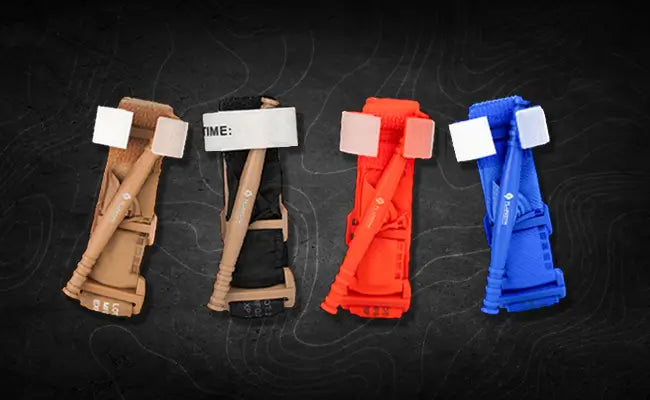
The cornerstone of modern battlefield medicine is the windlass tourniquet, such as the combat-proven CAT or SOFTT-W. These devices are engineered to wrap around an adult arm or thigh and use a rigid plastic or aluminum rod to twist and tighten the inner band until arterial flow stops. However, these devices have a mechanical limitation: they require a minimum limb circumference to function.
When you attempt to wrap a standard adult tourniquet around the tiny arm or leg of a two-year-old child, you encounter the "slack accumulation failure." Because the child's limb circumference is so small—often less than five inches—the thick, heavy nylon webbing of the tourniquet strap bunches up and stacks inside the plastic routing buckle. This fabric bulk creates a physical jam. When you turn the windlass rod, the mechanical force is wasted compressing the bunched-up nylon fabric against itself rather than transferring circumferential pressure down into the child's femoral or brachial artery. The rod locks tight, but the wound keeps bleeding beneath it.
Furthermore, the wide, stiff band of an adult tourniquet can bridge across the small gap between a child's joints, failing to apply the focused pressure needed to compress a deep artery against a tiny, developing bone. Relying solely on an unmodified adult tourniquet for an infant or small toddler is a dangerous gamble.
Hemostatic Agents and Chemical Considerations for Children
When a tourniquet cannot be applied—such as a deep puncture or laceration to a child’s neck, groin, or shoulder—wound packing is the primary solution. However, parents must be highly selective about the chemical composition of the clotting gauze inside their family kit.
In the early days of tactical medicine, first-generation hemostatic powders utilized a mineral volcanic clay that caused an exothermic reaction. When mixed with blood, it generated intense chemical heat to form a clot, frequently resulting in severe second-degree thermal burns on adult skin. While modern military forces moved away from these formulas years ago, many older surplus kits still contain them. Applying an exothermic agent to the delicate skin and shallow tissue tracks of a small child can cause devastating internal thermal damage.
Modern family trauma gear setup parameters dictate the exclusive use of non-heating, safe biopolymers or clays, such as Kaolin or Chitosan. These advanced agents do not generate any heat. Instead, they utilize electrostatic charges to attract red blood cells and platelets, creating a robust, instant mechanical plug independently of the body's natural clotting cascade. Even with safe agents, parents must remember that a child's wounds have a much lower volumetric capacity; you must use smaller, more flexible gauze strips rather than stuffing massive, thick adult combat gauze into a shallow pediatric wound track.
To help you audit your gear, the matrix below outlines exactly where standard adult tactical components fall short and what needs to be in place to ensure your family is protected.
| Adult Trauma Component | Why It Fails on Small Children | Pediatric-Safe Alternative / Protocol | Parental Action Item |
| Standard Windlass Tourniquet | Cannot tighten enough on limbs with a circumference smaller than 5-7 inches. | Ratcheting style tourniquets (RMT) or Direct Continuous Digital Pressure with elastic wrap. | Pack a dedicated pediatric-approved wrap or RMT. |
| Full-Sized Adult Vented Chest Seal | Excessively large surface area overlaps small torsos, breaking the hydrogel seal edge. | Compact/Mini Chest Seals or trimming non-vented borders in an extreme emergency. | Keep a compact/micro chest seal twin-pack in your vehicle kit. |
| Adult Nasopharyngeal Airway (NPA) | Too long and wide; can puncture or damage delicate pediatric adenoids and cause airway blockage. | Manual airway positioning (Head-Tilt/Chin-Lift) or age-specific pediatric airways. | Rely primarily on physical position management for toddlers. |
| Standard Heavy Zinc-Oxide Tape | Shreds fragile, thin infant skin upon removal, creating secondary open wounds. | Silicone-based medical adhesive tape or self-adhering cohesive bandages. | Upgrade your family emergency kit with self-adhering wrap. |
The Pediatric-Ready Medical Checklist: Upgrading the Family Kit
Adapting your medical gear for children does not mean you have to throw away your existing tactical setup. Instead, it requires a smart, modular upgrade—adding specific, pediatric-capable tools that fit seamlessly into your current layout. When shopping for or assembling a pediatric trauma kit, your focus must shift from heavy, rigid mechanical devices toward highly flexible, high-friction, and adaptive materials. The items below are essential additions to convert any standard vehicle or home kit into a true family life-support system.
Hemorrhage Control Options for Small Extremities
Because standard windlass tourniquets have a structural failure zone on small limbs, you must pack alternatives that can shrink down to tiny circumferences.
Ratcheting Medical Tourniquets (RMT): Unlike windlass systems, an RMT operates on a rugged buckle-and-strap mechanism similar to a ski boot binding. As you pump the ratcheting lever, the device bites down incrementally without requiring fabric slack to clear a buckle first. High-quality pediatric-approved RMTs can effectively compress and occlude arterial flow on limbs as small as 2.5 inches in circumference, making them highly effective for toddlers and small children.
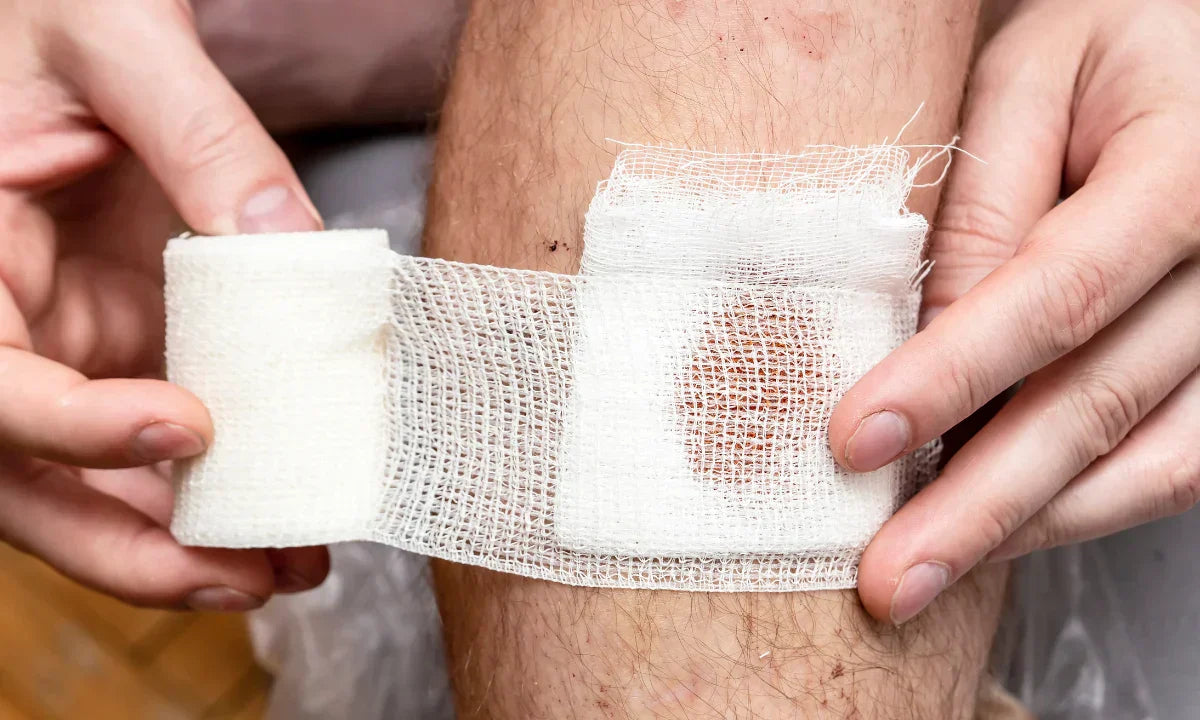
The Power of Cohesive Self-Adhering Wraps: If you do not have a dedicated pediatric tourniquet, your absolute superpower in emergency first aid child care is cohesive elastic wrap (often known as Coban or Vet-wrap). This material possesses a unique property: it sticks aggressively to itself, but carries zero adhesive stickiness to skin, hair, or blood. Because it stretches and self-fuses, a parent can wrap an injured limb with continuous, high-tension layers. Every overlapping layer multiplies the compression force, allowing you to create a custom, high-pressure circumferential wrap that fits a tiny arm or leg perfectly.
Respiration, Sucking Chest Wounds, and Airway Interventions
Penetrating injuries to a child's chest cavity—whether from a severe bicycle handlebar impalement, a dog bite, or flying shards of broken glass—demand immediate pressure management.
Compact/Mini Vented Chest Seals: Standard adult chest seals feature an expansive square footprint designed to cover a broad adult pectoral or latissimus muscle. If you slap an adult-sized seal onto a toddler’s tiny chest, the sticky hydrogel backing will inevitably overlap their armpit, collarbone, or ribs, creating air channels that cause the seal to fail. Compact or mini chest seals use the exact same advanced, blood-resistant hydrogel formula but feature a significantly downsized footprint. This allows the seal to lie completely flat against a small rib cage, maintaining the critical vacuum required to prevent a collapsed lung.
Pediatric Burn and Fracture Specifics
Children possess a vastly higher surface-area-to-mass ratio than adults, meaning environmental factors affect them much more rapidly.
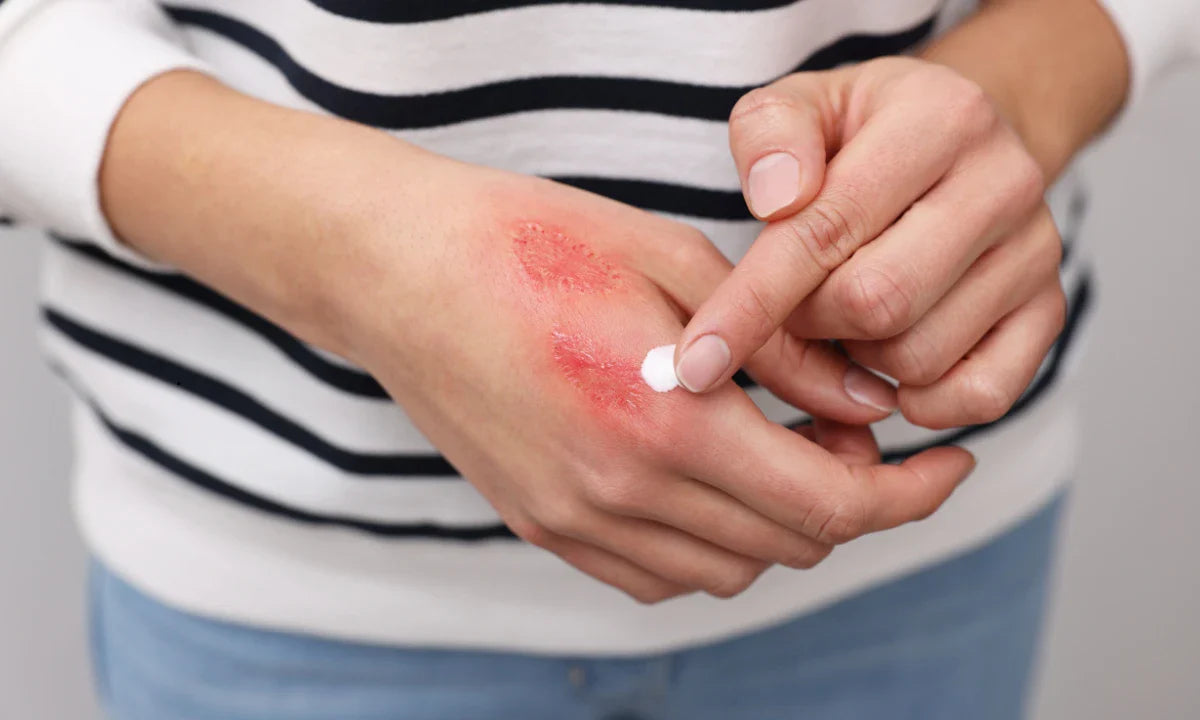
Water-Based Hydrogel Burn Dressings: A child's skin layers are thin and fragile, causing thermal heat from a boiling liquid spill, a hot vehicle exhaust pipe, or a campfire ember to penetrate deeper and faster. Standard dry cloth dressings can easily fuse to the raw, weeping wound beds of a child's burn, causing excruciating pain and massive tissue damage during removal. Your kit must contain sterile dressings infused with water-based hydrogels. These instantly cool the burn site, soothe nerve endings, and can be removed cleanly without ripping away regenerating skin layers.
To ensure your family setup is fully upgraded and ready for any domestic or travel crisis, use this checklist to audit and restock your trauma gear:
Self-Adhering Cohesive Elastic Bandages (2-Inch & 3-Inch Rolls): The primary tool for creating high-pressure, custom-fit limb wraps on small children.
Pediatric-Sized Compressed Gauze Rolls: Narrower, highly flexible gauze strips designed to easily pack into smaller, shallower wound tracks.
Compact Hydrogel Vented Chest Seals (Twin-Pack): Sized appropriately to lay perfectly flat on a small torso without creasing or leaking.
Water-Based Hydrogel Burn Sheets: Crucial for instantly stopping the progression of thermal burn depth on thin pediatric skin.
Malleable Aluminum Foam Splints (Pediatric Size): Lightweight, shapeable splints to safely immobilize fractured limbs or support injured joints without cutting off blood flow.
The Action Protocol: Step-by-Step Response for Child Trauma
When a child is severely injured, the emotional and psychological toll on a parent is overwhelming. The sight of your own child bleeding heavily triggers a massive, primal surge of adrenaline that can completely paralyze your logical thinking. In these high-stress moments, you cannot rely on guesswork or memory. You must fall back on a practiced, structured operational protocol. Managing a pediatric medical crisis requires a distinct balance: you must control your own psychological panic, manage the child’s terror, and execute a modified medical sequence tailored to a small body.
Phase 1: Psychological Management and Triage Chaos Control
The first and most critical rule of pediatric trauma response is an psychological one: Calm is contagious. Children are highly intuitive mirror-responders; they evaluate the severity of their own injuries by looking directly at their parents' reactions. If a child sees you screaming, crying, or freezing in panic, their internal terror will skyrocket.
Physiologically, extreme panic drives up a child's heart rate and blood pressure, which drastically accelerates blood loss and worsens the onset of hemorrhagic shock. Take one deep, deliberate breath, steady your voice, and look your child directly in the eyes. Speak to them in a firm, calm, and reassuring tone. Tell them exactly what you are doing: "I am here, I am putting pressure on it, and I am going to fix this." Controlling the emotional environment is not just about comfort—it is a direct medical intervention that stabilizes the patient’s vitals.
Phase 2: Applying the Adapted Pediatric M.A.R.C.H. Protocol
Once you have established psychological control of the scene, you must immediately execute the modified steps of the M.A.R.C.H. protocol, prioritizing your interventions by what will take the child's life first.
M - Massive Bleeding: Do not spend precious seconds opening bags or fumbling with complex medical wrappers if a major artery is breached. Immediately place your bare thumb, fingers, or fist directly into the wound track and apply all your body weight to exert Direct Continuous Digital Pressure. Hold this pressure relentlessly. While holding, use your free hand to access your pediatric trauma kit. If a ratcheting tourniquet is available, apply it high and tight. If you are using a cohesive elastic wrap, pack the wound track tightly with pediatric gauze and wrap the cohesive bandage over it with overlapping, high-tension layers to create a continuous compression matrix.
A - Airway: Check if the child is breathing clearly. If a child or infant is unconscious, proper head positioning is vital. Unlike an adult, an infant's tongue is proportionally massive, and the back of their head (the occiput) is large and rounded. If you lay an infant flat on their back, their large head will naturally force their chin down onto their chest, completely collapsing their floppy, delicate airway. Never aggressively over-extend a child's neck. Instead, place them in the "Sniffing Position"—lay them flat and place a small, rolled-up cloth or towel directly under their shoulders. This slightly elevates the torso and aligns the ear canal with the chest, opening their airway naturally.
R - Respiration: Use your trauma shears to quickly slice away children’s clothing, car seat straps, or jackets to inspect the torso. Look for unequal chest rise, bruising, or puncture wounds. If an entry or exit puncture is found, apply your compact hydrogel chest seal immediately.
C - Circulation: Reassess your bleeding control sites. Check the warmth of the hands and feet, and monitor the child's mental responsiveness to ensure brain perfusion is holding steady.
H - Hypothermia: This is where many parents fail. Because children have very little body fat and a high surface-area-to-mass ratio, they lose body heat up to four times faster than an adult. A drop in core temperature stops the blood’s chemical ability to clot, triggering the lethal triad of trauma. Even if you are indoors in a heated room or outside in mid-summer, you must strip away wet, blood-soaked clothing and wrap the child completely in a clean Mylar emergency blanket or heavy layers to lock in their remaining body heat immediately.
How to Execute Manual Wound Packing on a Child
If a child sustains a deep puncture or tear in a junctional area (such as the groin or armpit) where a tourniquet cannot function, you must manually pack the wound. Follow these steps precisely to avoid causing internal injury:
Maintain Continuous Pressure: Never let go of the initial direct pressure point on the bleeding vessel.
Feed the Gauze Channel: Unroll your pediatric-sized hemostatic or compressed gauze. Using the tip of your thumb or finger, pack the gauze tightly, layer by layer, directly down into the deepest point of the wound track where the blood is originating.
Pack Tight, but Respect Anatomy: Stuff the wound cavity completely until the gauze tightly meets the surface level of the skin. Note: Apply firm, targeted pressure backward against the bone to compress the vessel, but avoid slamming downward with excessive, blunt force that could fracture a child's delicate skeletal structures.
Hold and Secure: Maintain direct manual pressure over the packed wound for a full 3 minutes (if using hemostatic gauze) or 5 minutes (for standard gauze) before securing it tightly with a cohesive elastic wrap.
Common Home & Travel Pediatric Trauma Scenarios and Drills
The vast majority of pediatric injuries do not happen on remote battlefields; they occur during ordinary family moments—a weekend road trip, a backyard barbecue, or a routine afternoon at home. In these domestic environments, hazards are often masked by familiarity. To ensure your family trauma gear setup translates into real-world capability, you must analyze how typical accidents unfold and train your household to respond smoothly under pressure.
The Vehicle Accident Scenario: Extraction and Management
The most common severe trauma scenario for modern families is a high-impact motor vehicle collision. In a major crash, loose cabin cargo, shattered window glass, and crumpled metal panels turn the vehicle's interior into a high-velocity shrapnel hazard.
When analyzing a child in a car seat post-crash, look for "hidden" injuries. The rigid nylon straps of a five-point harness do an incredible job of preventing ejection, but the intense deceleration forces can cause severe seatbelt bruising or internal chest compression. Furthermore, side-window glass shrapnel frequently showers children, causing deep, highly irregular lacerations to the neck, face, and arms.
When rendering aid inside a damaged vehicle, do not automatically yank the child out of their car seat unless there is an immediate fire hazard. The rigid frame of a modern car seat acts as an excellent, built-in spinal stabilizer. Instead, leave the child secured in the seat, use your trauma shears to cut away the surrounding fabric or clothing to expose the injury, and apply your child blood loss first aid protocols—such as wound packing or cohesive wrapping—directly within the safety of the seat frame.
Household and Outdoor Cutting/Puncture Disasters
Outside of vehicles, children are naturally drawn to high-risk structural hazards. Classic domestic trauma scenarios include a toddler running and falling through a glass patio door, a child climbing a tree and sustaining a deep branch impalement to the thigh, or a severe, high-volume tearing injury from an unprovoked dog bite.
In every one of these instances, the parent must resist the urge to pull out an impaled object. If a shard of glass or a sharp branch has punctured a child's limb or torso, that object is currently acting as a mechanical plug, pinning the ruptured artery shut. Pulling it out can trigger an instant, catastrophic internal hemorrhage that can cause fatal blood loss in minutes. Instead, use your cohesive self-adhering wrap and compressed gauze to pack around the object, stabilizing it in place so it cannot shift or cut deeper while you wait for emergency medical personnel to arrive.
Parental Audit and Stress Drills
To ensure that panic doesn't freeze your response, parents should conduct simple, low-stress drills at home to build cognitive readiness.
The "Middle-of-the-Night" Drop Drill: True emergencies rarely happen under perfect lighting. Have your spouse or a family member unexpectedly shout "TRAUMA!" at 2:00 AM. Without turning on the main overhead lights, you must navigate your home, locate your primary family medical bag by memory, and pull out a specific component—such as a cohesive wrap or shears—within 45 seconds. This builds an intuitive spatial map of your safety gear.
The "Kit Talk" Family Integration: Normalise emergency gear for your children so they are not terrified of it when an accident occurs. Periodically open your pediatric trauma kit, show them the brightly colored cohesive wraps, and explain to them in a playful, low-stakes environment what the items do. Let them practice wrapping a stuffed animal's leg. When a child understands that the medical gear is a safe tool, they are significantly less likely to scream, fight, or resist your treatment when they are injured and panicked.
Conclusion
True tactical preparedness is a holistic mindset that extends far beyond personal defense or looking capable on a firing line. The ultimate measure of a prepared individual is not how well they can defend themselves, but how effectively they can protect, stabilize, and heal the people who depend on them entirely—their family. To possess a highly specialized, military-grade medical kit for yourself while having zero mechanical capability to stop a severe bleed on your own child is a dangerous gap in any emergency plan.
Children are fragile, their blood volumes are small, and their physiological margins for error are incredibly slim. When a severe domestic or travel accident occurs, you will not have the time to read manuals or try to adapt oversized adult gear under pressure. Your child's survival will depend entirely on the smart, proactive changes you make to your family kit today and your ability to bring calm, practiced focus to a chaotic scene.
Take the time right now to audit your home and vehicle emergency setups. Clear out the basic utility first-aid boxes that offer nothing more than minor comfort care, and upgrade your gear with versatile, highly flexible materials. Explore FlareSyn’s compact modular pouches and versatile trauma supplies to build a comprehensive, pediatric-capable framework. Give yourself the peace of mind that comes from knowing you are fully equipped to protect your family's lives when it matters most.
Can I use a standard CAT tourniquet on a teenager or older child?
Yes. Once a child reaches older childhood or adolescence (typically around 8 to 10 years old, depending on their physical development), their limb circumference grows large enough for a standard windlass tourniquet to function properly without stacking fabric. The easiest way to test this is a dry-run fitting: wrap your live tourniquet around your child’s upper arm. If the hook-and-loop strap can make full engagement around the arm without bunching up or jamming inside the routing buckle, the device will apply effective mechanical compression in an emergency.
Are chemical hemostatic agents safe to use on a child’s open wounds?
Yes, modern hemostatic dressings are completely safe for children, provided you avoid obsolete, first-generation powders that create an exothermic heat reaction. Ensure that your family kit utilizes non-heating, safe biopolymers or mineral clays like Chitosan or Kaolin. These modern agents do not burn the skin; they react electrostatically with blood cells to speed up natural clotting, making them highly effective for deep, hard-to-stop pediatric punctures.
Should I keep an EpiPen or child medications inside my primary trauma kit?
No. To prevent critical mistakes during an emergency, it is a best practice to maintain a strict separation between "Trauma Gear" (used for immediate life support like heavy bleeding or airway blockages) and "Medical/Comfort Gear" (such as prescription medications, allergy pills, or EpiPens). Keep your trauma pouch streamlined and focused solely on the M.A.R.C.H. protocol. Store daily medications and allergy supplies in a separate, clearly labeled pouch in your range bag or glove box to avoid confusion when seconds count.
How do I know if a child is losing too much blood before they pass out?
Because children maintain a normal blood pressure during the early stages of blood loss through vasoconstriction, you cannot rely on a blood pressure drop to spot trouble. Instead, monitor their behavior and physical appearance closely. If a child transitions from crying loudly to becoming suddenly quiet, unresponsive, lethargic, or glassy-eyed, their brain is losing blood flow. Other warning signs include a racing heart rate, rapid breathing, and cold, pale, or marbled skin on their hands and feet.


Elias.H.Hwang
Elias H. Hwang is a tactical medicine expert and lead contributor at FlareSyn. He specializes in emergency trauma protocols and preparedness education, helping civilians and professionals alike master the tools and skills needed to save lives in critical moments.


Dejar un comentario
Este sitio está protegido por hCaptcha y se aplican la Política de privacidad de hCaptcha y los Términos del servicio.