
Compact IFAK Guide for Low-Profile EDC Trauma Kits
Low-Profile Trauma Carry


Why Compact Trauma Gear Wins in Daily Life
Most people do not fail at preparedness because they lack interest. They fail because their gear is too inconvenient to carry. A large trauma bag can be excellent for vehicles, home staging, team response, or range safety, but it is rarely on your body during a sudden emergency. A Compact IFAK accepts the reality of human behavior. If gear is light, flat, intuitive, and comfortable, you are far more likely to keep it close.
The Carry Gap: Gear You Own vs. Gear You Reach
There is a dangerous difference between gear ownership and gear access. A tourniquet in a garage cabinet is useful only if the emergency occurs in the garage. Hemostatic gauze locked in a truck toolbox is useless if the injury occurs inside a mall, school parking lot, workplace hallway, or remote trail section where your vehicle is twenty minutes away. Trauma preparedness is not about what you can produce eventually. It is about what you can reach immediately.
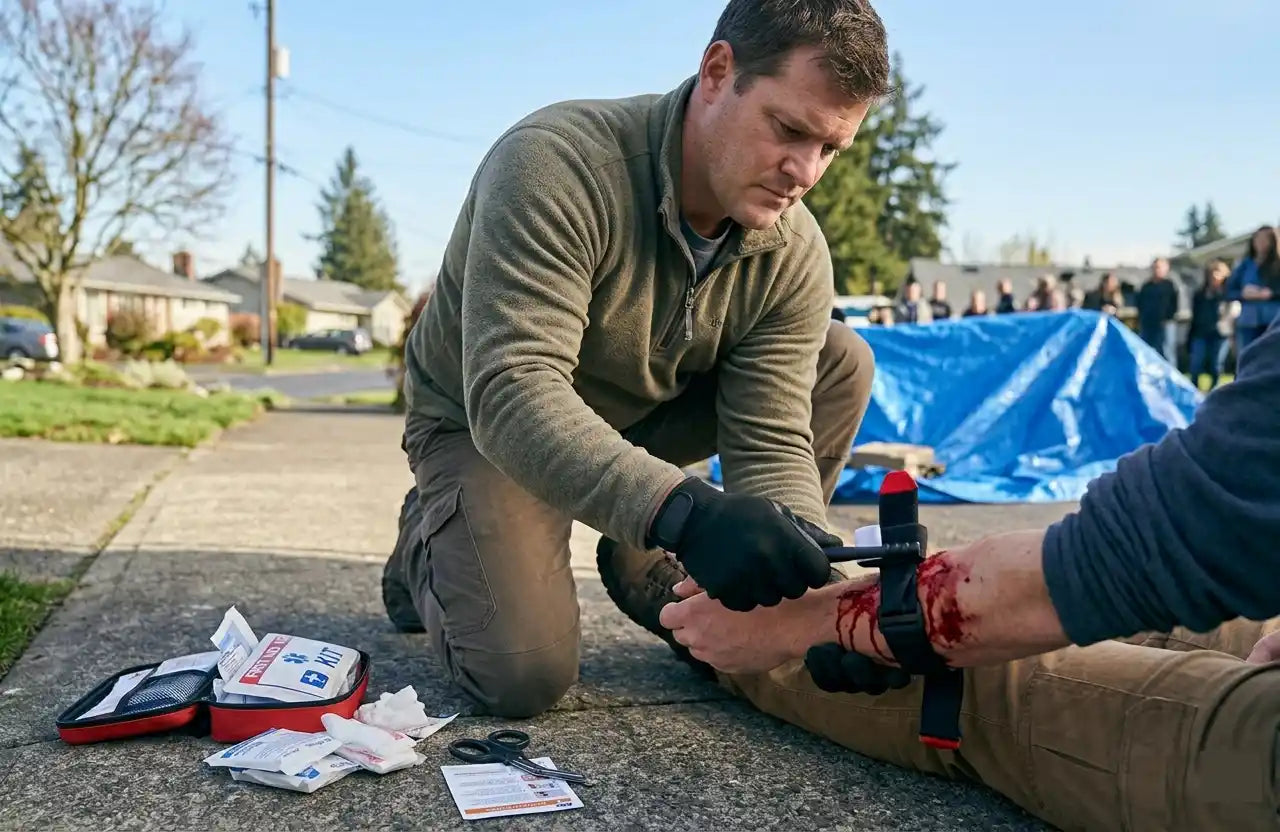
This is the exact gap an EDC Trauma Kit is designed to close. It gives you a realistic daily-carry option that supports the first intervention: stop major bleeding, protect yourself with gloves, expose the injury, pack or compress the wound, and keep pressure until professional help arrives. It is not meant to replace a larger vehicle or home kit. It is meant to be the bridge between zero equipment and full equipment.
EDC Trauma Kit vs. Full-Size IFAK
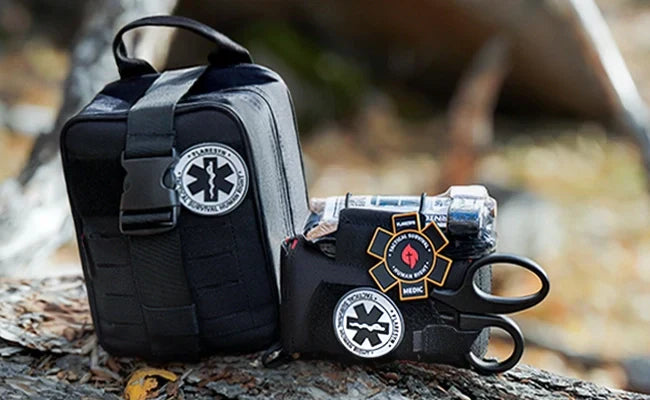
A full-size IFAK can carry more capability: chest seals, multiple gauze rolls, emergency blanket, trauma shears, pressure dressing, and additional supplies. A Micro Trauma Kit must make harder decisions. It prioritizes the most immediate threats and leaves bulkier secondary items for a vehicle kit, range bag, or responder bag. This is not a weakness. It is a disciplined design philosophy.
The correct question is not, "Which kit has more items?" The correct question is, "Which kit will I actually carry in the environment where the emergency happens?" For many people, a Small tactical medical pouch for belt carry creates more real-world readiness than a larger pouch that stays home because it is uncomfortable, bulky, or visually awkward.
The Anatomy of a Compact IFAK
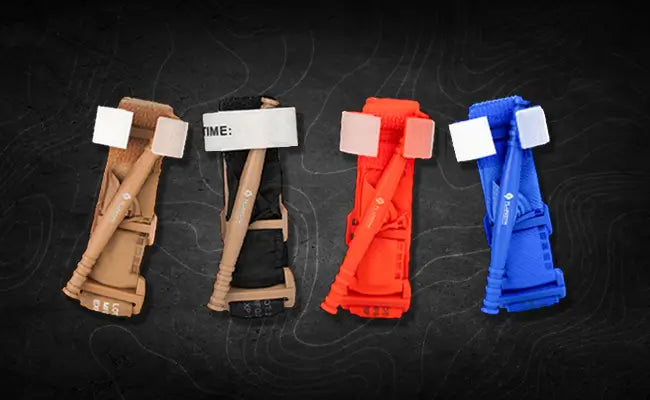
A strong Compact IFAK is not a random miniature first aid kit. It is a compressed trauma system built around massive hemorrhage. The core loadout should support direct pressure, wound packing, tourniquet application, and basic responder protection. That means gloves, a real tourniquet, compressed gauze or hemostatic gauze, and a pressure dressing are far more important than a large collection of minor-care items.
What Must Stay, What Can Move
- Every compact kit faces a space problem. The answer is not to remove life-saving tools. The answer is to separate immediate trauma tools from convenience supplies. Adhesive strips, burn cream, medications, tweezers, and comfort items can live in a separate utility pouch. The EDC Trauma Kit should stay focused on the injuries that cannot wait. If the patient is bleeding heavily, you do not need a tiny antiseptic wipe first. You need compression, packing material, and mechanical control.
- For FlareSyn™ users, this is where compact pre-filled systems become valuable. A pre-filled kit reduces guesswork, keeps the layout consistent, and pairs the pouch with the medical components it was designed to carry. When a kit is too tightly stuffed with mismatched supplies, it becomes difficult to open and repack. When the contents are intentionally staged, the pouch becomes a workflow instead of a container.
The Micro Trauma Kit Philosophy
- A Micro Trauma Kit is built on the assumption that the first intervention matters most. You may not have everything a medic wants, but you can still carry enough to change the outcome of a severe bleed. This is why tourniquet sleeve access is so important. The tourniquet is often the largest item in a micro kit, but it should never be sacrificed for comfort. A kit that is small because it removed the tourniquet may be easier to carry, but it is weaker against the injury most likely to kill quickly.
- The ideal micro layout keeps the tourniquet reachable, the gauze protected, and the pouch slim enough for routine use. It should avoid unnecessary visual bulk while still being obvious to your hands. Under stress, you may not read labels. You will rely on texture, placement, and repetition. That is why a compact kit should be packed the same way every time.
| Carry Option | Best Use | Primary Advantage |
| Compact IFAK | Range, vehicle, work, tactical belt | Balanced capability with low-profile trauma organization. |
| Micro Trauma Kit | Daily carry, minimalist setups, commuter bags | Maximum carry consistency with core bleeding-control tools. |
| Belt Medical Pouch | On-body access during movement | Reachable when bags, vehicles, or backpacks are separated from you. |
| Vehicle Backup Kit | Road trips, commuting, family travel | Adds depth and refill capacity beyond the compact on-body kit. |
Where to Carry a Belt Medical Pouch
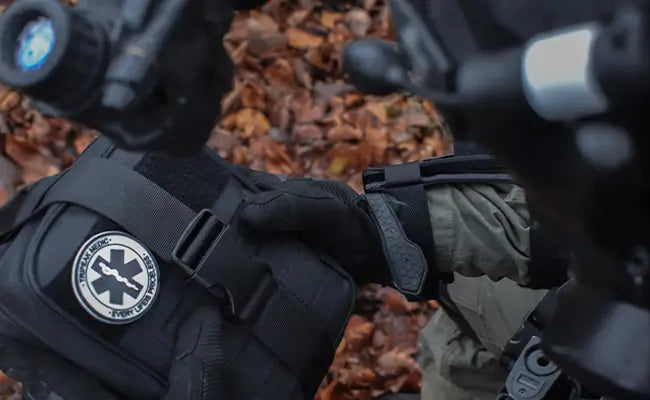
A Belt Medical Pouch should be placed according to reach, body mechanics, and the tasks you perform. A pouch that looks clean in a mirror may become unreachable when seated in a car, wearing a jacket, carrying a backpack, or lying on the ground. The best position is the one you can access with either hand under realistic conditions.
Belt, Bag, Vehicle, and Pocket Placement
For belt carry, many users prefer the rear centerline, rear side, or support-side placement. The key is ambidextrous access. If one arm is injured, trapped, or occupied applying pressure, the other hand must still reach the kit. For bag carry, the pouch should be in an exterior pocket or attached to the outside with a clear pull point. A Small tactical medical pouch for belt should never be buried beneath electronics, snacks, cables, or spare clothing.
Vehicle placement requires different thinking. A compact trauma kit in the trunk may be useful after the vehicle stops safely, but it may not help if you are trapped in the front seat. Keep at least one EDC Trauma Kit reachable from the driver's position or front cabin. The larger vehicle kit can live on a headrest, seatback, door pocket, or cargo area, but the first tool should be accessible before you exit the vehicle.
Training Low-Profile Deployment
Compact carry only works if you practice compact deployment. Open the pouch with gloves on. Find the tourniquet with your eyes closed. Pull the gauze without dumping every item onto the ground. Practice from seated positions, from a backpack, from your belt, and from the vehicle. If the pouch shifts, snags, or opens poorly during practice, fix the problem before an emergency exposes it.
Training also protects the live kit. Use a separate training tourniquet and practice gauze so your real components stay sealed and clean. Mark training items clearly. Repack your Compact IFAK the same way every time so your hands learn the layout. The goal is not to become theatrical with gear. The goal is to make the first useful action automatic.
Maintenance matters even more for low-profile gear because compact kits are exposed to daily friction. Sweat, dust, rain, belt pressure, vehicle heat, and repeated compression can weaken packaging and adhesives over time. Inspect your kit regularly. Replace compromised sterile packaging, expired supplies, or elastic components that no longer feel reliable. A daily-carry trauma pouch is life-critical equipment, not a fashion accessory.
Conclusion
Preparedness fails when it becomes too bulky to live with. A full trauma bag has its place, but the everyday world rewards gear that stays close. A Compact IFAK gives you the ability to carry serious bleeding-control tools without turning every errand, commute, range session, or hike into a heavy gear loadout.
The right compact system is not defined by minimalism for its own sake. It is defined by disciplined priority. Tourniquet access, wound packing material, gloves, pressure capability, and predictable layout matter more than a long list of minor-care extras. A Micro Trauma Kit or Belt Medical Pouch should give you the first move in a severe bleeding emergency, while larger kits provide depth nearby.
FlareSyn™ compact trauma solutions are built for people who understand that readiness must fit real life. Whether you choose a pre-filled Compact Tactical Trauma IFAK, a Micro Trauma EDC IFAK with tourniquet sleeve, or a rapid-deploy MOLLE pouch, the mission is the same: keep life-saving gear close, organized, and ready. When seconds count, the kit you carry beats the bigger kit you left behind.
Q: What is a Compact IFAK used for?
A: A Compact IFAK is used to carry essential trauma supplies for severe bleeding and immediate emergency response in a smaller, more portable format. It is designed for daily carry, range use, vehicle staging, outdoor activity, and tactical setups where a full-size medical bag would be too bulky.
Q: What should an EDC Trauma Kit include?
A: An EDC Trauma Kit should prioritize a windlass tourniquet, compressed or hemostatic gauze, gloves, and a pressure dressing or compression method. Depending on pouch size, it may also include shears, a marker, chest seal, or emergency blanket. The key is to prioritize life-threatening bleeding over minor-care supplies.
Q: Is a Micro Trauma Kit enough for serious injuries?
A: A Micro Trauma Kit is not meant to replace a full medical bag, but it can provide the critical first tools for severe bleeding control. Its value comes from being small enough to carry consistently. For deeper capability, pair it with a larger vehicle, home, or range trauma kit.
Q: Where should I carry a small tactical medical pouch for belt use?
A: Carry it where both hands can reach it under stress. Common locations include the rear centerline, support-side belt area, or an exterior backpack position. Avoid locations blocked by jackets, vehicle seats, tools, or other gear. Test access while standing, seated, kneeling, and wearing your normal clothing.


Elias.H.Hwang
Elias H. Hwang is a tactical medicine expert and lead contributor at FlareSyn. He specializes in emergency trauma protocols and preparedness education, helping civilians and professionals alike master the tools and skills needed to save lives in critical moments.

Dejar un comentario
Este sitio está protegido por hCaptcha y se aplican la Política de privacidad de hCaptcha y los Términos del servicio.