
Range Bag Essentials: What to Pack for a Safer Range Day
A range day can fall apart fast when one small item is missing. You may have your firearm and ammunition ready, but if you forget hearing protection, safety glasses, targets, spare batteries, or a basic tool, your session can become stressful before it even starts. A poorly packed range bag can waste time, slow down practice, and leave you unprepared for simple problems. A well-packed range bag does the opposite. It keeps your safety gear, medical supplies, range tools, targets, and personal items organized so you can focus on safe practice and better preparation.
For shooters in the United States, range bag essentials are about more than convenience. Every shooting range has rules, every range day has safety needs, and every responsible shooter should think ahead. Your range bag should help you protect your eyes and hearing, follow range safety procedures, keep your gear clean, track your practice, and respond better if an injury happens.. A complete range bag should include more than ammo, magazines, and targets. It should also include first-aid and trauma supplies such as a compact IFAK, tourniquet, gauze, chest seals, trauma dressing, gloves, and wound care items that are easy to reach when seconds matter.
Range Bag Essentials Checklist at a Glance
A range bag checklist gives you a simple way to pack with confidence. Instead of throwing items into a bag at the last minute, you can build your range bag by category. This helps you avoid common problems like forgetting backup earplugs, leaving targets at home, bringing the wrong batteries, or burying your medical gear under heavy equipment. A checklist also makes it easier to restock your bag after every trip.
The best range bag setup depends on where you shoot and how often you train. A beginner going to an indoor range may need a smaller setup. A regular outdoor shooter, instructor, competition shooter, or tactical training student may need more tools, spare parts, hydration, medical gear, and weather items. Still, the core categories stay the same: safety, medical readiness, range supplies, firearm support, maintenance, hygiene, comfort, documents, and organization.
|
Category |
What to Pack |
|
Safety gear |
Eye protection, hearing protection, gloves, hat |
|
Medical gear |
First-aid kit, trauma kit, tourniquet, gauze, chest seal, trauma dressing |
|
Range supplies |
Paper targets, splatter targets, tape, stapler, Sharpie, notepad |
|
Firearm support items |
Ammunition, spare magazines, speed loader, chamber flags |
|
Tools and maintenance |
Multi-tool, Allen keys, Torx keys, gun oil, cleaning cloth, compact cleaning kit |
|
Batteries and optics support |
CR123A batteries, AAA batteries, red dot batteries, lens cloth |
|
Hygiene and cleanup |
Lead-removing wipes, hand sanitizer, trash bags, spent brass bag |
|
Comfort items |
Water, snacks, sunscreen, bug repellent, towel, weather gear |
|
Documents |
Photo ID, range card, permits if required, emergency information card |
|
Organization |
Labeled pouches, plastic storage bags, waterproof storage, gear inventory |
A good range bag does not need to be overloaded. It needs to be useful, organized, and easy to manage. Start with required safety items, add the range supplies you use every session, then build out your medical and maintenance gear based on your environment. Many shooters remember ammo and targets but forget that a range bag should also carry supplies for bleeding control and emergency response.
Safety Gear Comes First
Safety gear should be the first category in your range bag because it protects you before practice even begins. At most shooting ranges, eye and ear protection are required, and even when they are not clearly posted, they should still be treated as essential. A loud range, flying brass, dust, debris, target fragments, and other shooters nearby all create conditions where basic protection matters. A responsible shooter packs safety gear first and keeps backups for guests or unexpected situations.
Range safety also includes how you manage your gear at the firing line. A cluttered bench can create confusion. Loose tools, scattered ammunition, open cases, and misplaced magazines can slow you down and distract from safe handling. Keeping your safety items in a dedicated pouch or top pocket helps you start each range trip the right way. Before anything else comes out of the bag, your eye protection and hearing protection should be ready.
Eye Protection for Range Safety
Eye protection is one of the most important range bag essentials because your eyes are exposed to several risks at the shooting range. Brass can eject unpredictably, debris can move from nearby lanes, and outdoor ranges may add dust, wind, and target fragments. Regular sunglasses may reduce glare, but they are not always built for range impact protection. That is why shooting glasses or safety glasses rated for impact protection are the better choice. For most shooters, ANSI Z87.1 or ANSI Z87.1+ eye protection is a smart baseline. Clear lenses work well for indoor ranges or low-light conditions, while tinted lenses can help at bright outdoor ranges. Some shooters keep both options in their range bag so they can adjust based on the environment. If you wear prescription glasses, consider prescription-rated safety glasses or over-glasses protection that fits securely without blocking your view.
It is also smart to keep backup eye protection in your bag. A guest may forget theirs, a lens may get scratched, or you may switch from an indoor range to a bright outdoor setting. Store your shooting glasses in a hard case or soft sleeve so they do not get scratched by magazines, tools, or loose gear. Good range bag organization protects your safety equipment before it protects you.
Hearing Protection for Shooting Ranges
Hearing protection is non-negotiable at a shooting range. Gunfire can reach levels that may damage hearing, especially indoors or near covered firing lines where sound can reflect sharply. Even one loud exposure can leave ringing, discomfort, or lasting damage. That is why ear protection should never be treated as optional range gear. There are several hearing protection options. Foam earplugs are small, affordable, and easy to keep in bulk. Passive earmuffs are simple and do not need batteries. Electronic earmuffs are popular because they reduce loud impulse noise while still allowing users to hear voices, commands, and range instructions. Many shooters prefer electronic ear protection for training because communication is easier.
For indoor ranges or louder firearms, many shooters use double hearing protection by wearing foam earplugs under earmuffs. This is especially helpful when shooting around other people in enclosed spaces. Your range bag should also include spare earplugs for guests and spare batteries for electronic earmuffs. Dead batteries can turn good ear protection into bulky passive muffs, so keep a small battery case in your bag.
Range Rules and Firing Line Awareness
Every shooting range has rules, and those rules can change based on the range type, state, event, or training class. Some ranges require chamber flags, specific target types, ammo restrictions, or certain firing line procedures. Others have rules about rapid fire, drawing from a holster, collecting brass, or handling firearms during a ceasefire. A safe range bag setup helps you follow these rules because the right items are already packed and easy to find. Firing line awareness is also part of safety. Keep your range bench organized, listen to the range safety officer, and avoid handling gear at the wrong time. If a ceasefire is called, follow range commands. If chamber flags or empty chamber indicators are required, keep them in a dedicated pouch so they are ready. If you are new to a range, read the posted rules before unpacking your gear.
A good range bag supports safe habits. Safety glasses and hearing protection should be easy to access. Chamber flags should not be buried under targets. Medical gear should be visible. Tools, ammunition, and cleaning oil should have separate spaces. The more organized your bag is, the less you need to search around at the firing line.
Medical Gear Is the Most Overlooked Range Bag Essential
Medical gear is often the most ignored part of a range bag, even though it may be one of the most important. Many shooters pack eye protection, ear protection, ammunition, magazines, and targets, but they only carry a few adhesive bandages or no medical supplies at all. That leaves a major gap. A shooting range is a controlled environment, but injuries can still happen. Minor cuts, burns, blisters, and scrapes are possible, and serious bleeding emergencies require fast access to proper trauma supplies.
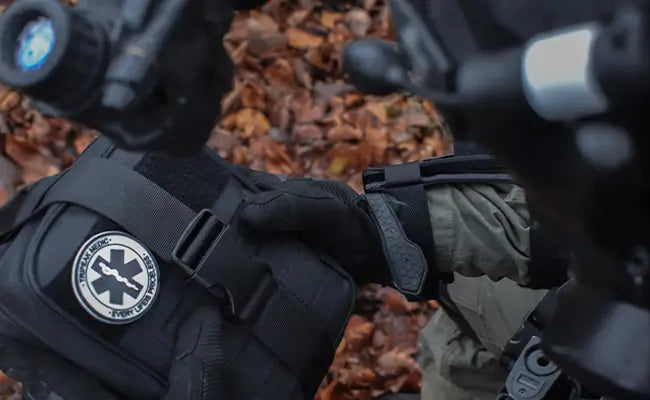
This is where a standard first-aid kit and a trauma kit serve different purposes. A basic first-aid kit helps with small injuries such as cuts, scrapes, irritation, or minor burns. A trauma kit or IFAK is built for more serious emergencies, especially severe bleeding and penetrating injuries. A complete range bag should include both minor wound care and trauma readiness. That does not mean carrying a huge medical backpack. It means carrying the right compact supplies and keeping them organized.
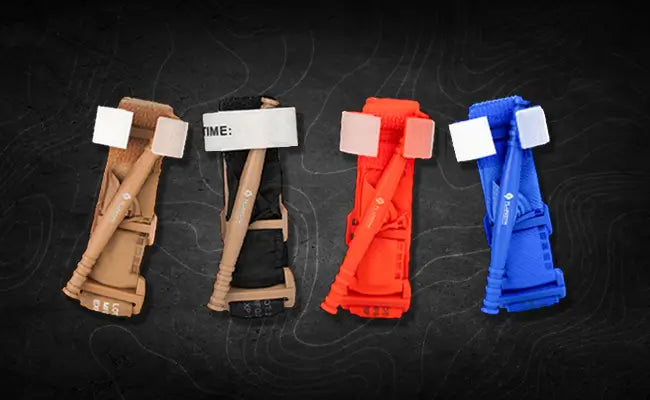
At Flaresyn compact IFAK, trauma kit, tourniquet, chest seal, compressed gauze, trauma dressing, gloves, and trauma shears can give your range bag a stronger safety foundation. The key is access. Medical supplies should not be packed under ammo boxes, cleaning tools, or extra clothing. They should be easy to spot and easy to reach.

First-Aid Kit vs Trauma Kit for a Range Bag
A first-aid kit and a trauma kit are not the same thing. Both are useful, but they solve different problems. A first-aid kit handles everyday minor injuries. A trauma kit is built for serious emergencies where bleeding control and fast response matter. If you only carry adhesive bandages and wipes, you may be prepared for small cuts, but not for a severe injury. If you only carry trauma gear and no basic supplies, you may waste serious emergency items on minor issues. A good range bag setup includes both levels of care. You can keep a small first-aid kit for common issues and a compact trauma kit or IFAK for serious emergencies. This gives you better coverage without making the bag too heavy. For most shooters, the best setup is a small first-aid pouch plus a clearly marked Flaresyn IFAK or trauma pouch.
|
Kit Type |
Best For |
Supplies to Include |
|
First-aid kit |
Minor cuts, scrapes, blisters, small burns |
Bandages, antiseptic wipes, small gauze, medical tape, burn gel |
|
Trauma kit / IFAK |
Severe bleeding and emergency trauma response |
Tourniquet, compressed gauze, hemostatic gauze, chest seal, trauma dressing |
|
Best range setup |
Minor care plus serious emergency readiness |
Basic first-aid supplies plus a compact Flaresyn IFAK or trauma kit |
The main point is simple: do not confuse basic comfort care with emergency readiness. Bandages are useful, but they do not replace a tourniquet, gauze, pressure dressing, or chest seal in a serious emergency. A range bag should be packed for likely needs and high-risk situations.
Ammunition, Magazines, and Loading Support
After safety and medical gear, ammunition and magazine organization become the next major part of a useful range bag. Many range trips get delayed because the shooter brings the wrong ammo, forgets magazines, leaves a loader behind, or packs loose rounds in a way that makes the bag messy and hard to use. Ammunition should be packed with the same care as the rest of your safety gear. It should be easy to identify, protected from moisture, and matched to the range rules and firearm being used.
For shooters in the United States, this part also depends on the range. Some indoor ranges restrict certain ammunition types. Some outdoor ranges have rules about steel-core ammo, tracer rounds, shotgun loads, or target materials. Training classes may also tell students how many rounds to bring for the day. Before leaving home, check the range’s rules and your training instructions so you do not waste a trip.
Ammunition and Range Policy Checks
Ammunition is one of the most basic range bag essentials, but it should never be packed casually. Keep it in its original box, an ammo case, or a secure container that clearly shows the calibre and load type. This makes it easier to confirm what you brought and helps prevent confusion if you shoot more than one firearm. Loose rounds rolling around in the bottom of a bag can collect dirt, get mixed with other calibres, and make the bag harder to manage. Before you pack, confirm that your ammunition is suitable for your firearm and allowed at your shooting range. This is especially important at indoor ranges, where ammo restrictions are common. If you are attending a firearms training class, check the required round count in advance. Packing a little extra is practical, but overpacking can make the bag heavy and harder to use.
Keep ammunition separate from cleaning oil, solvents, wet items, and dirty gear. A simple ammo pouch or hard-sided ammo box can make the setup cleaner and safer. If you shoot outdoors, consider waterproof storage or sealed containers to protect ammunition from rain, dust, and humidity.
Spare Magazines and Magazine Storage
Spare magazines help keep your range session moving. Instead of stopping constantly to reload one magazine, you can prepare several magazines and use your range time more efficiently. This is helpful for training classes, competition practice, and longer-range sessions. It also helps you test magazine performance because you can identify if a specific magazine causes problems. Magazine storage should be clean and organised. Use magazine pouches, labelled bags, or dedicated pockets so magazines do not mix with tools, oil, dirt, or spent brass. If you use magazines for different firearms, labels can prevent confusion. A small piece of tape or a paint marker can help identify each magazine quickly.
Do not let magazines become the messy part of your range bag. Keep them upright or grouped. Check them before and after range use. Look for damaged feed lips, weak springs, cracks, dirt, or other signs of wear. A magazine that fails often can ruin practice and make it harder to understand whether the issue is the firearm, ammunition, or magazine itself.
Speed Loader or Magazine Loader
A speed loader or magazine loader is a small item that can make a long range day much easier. Loading magazines by hand can cause thumb fatigue, especially during training classes, competition practice, or high-round-count sessions. A loader saves time and helps you stay focused on practice instead of spending most of the session fighting stiff magazine springs. A magazine loader is especially useful for beginners, older shooters, or anyone who wants a smoother range routine. It also helps during cold weather when fingers may feel stiff or when gloves make loading harder. Keep the loader in the same pouch as your magazines so it is easy to find.
If you shoot different platforms, make sure the loader matches the magazines you plan to use. A loader left at home is no help, and the wrong loader can take up space without solving the problem. Add it to your pre-range checklist so it becomes part of your normal packing routine.
Tools, Batteries, and Firearm Maintenance
A compact tool and maintenance setup can save a range trip from ending early. Small problems happen. Screws loosen, optics need adjustment, batteries die, lubricant runs low, and a cleaning cloth becomes useful when dust or residue builds up. A small range tool kit does not need to be large, but it should match the gear you use.
The goal is not to carry a full workbench. The goal is to handle common range-side issues safely and cleanly. Keep tools in a dedicated pouch so they do not scratch magazines, damage eyewear, or leak oil into medical supplies. Tools and maintenance items should be separate from first-aid and trauma gear.
Compact Range Tool Kit
A compact range tool kit can include a multi-tool, small screwdriver set, Allen keys, Torx keys, hex bits, and any firearm-specific tools you commonly need. If you use optics, mounts, lights, or accessories, confirm which bits and drivers match your equipment. A tool that does not fit your gear is just extra weight. Many shooters keep a small multi-tool in the bag because it can help with simple tasks like tightening screws, opening packaging, adjusting gear, or handling small range repairs. A dedicated gun tool may be even better if it includes common firearm-related bits. A small parts container is also helpful for screws, optic caps, batteries, or small items that are easy to lose.
Keep tools organized and protected. Loose metal tools can scratch safety glasses, damage magazines, or puncture packaging. A small roll-up tool pouch or zippered case keeps everything together and makes the bag easier to inspect after each trip.
Cleaning and Lubrication Supplies
A compact cleaning kit is useful for range-side maintenance. You may not need to deep-clean a firearm at the range, but a bore snake, cleaning rod, patches, brush, cleaning cloth, and light lubricant can help with minor issues. A small cleaning cloth or rag is also useful for wiping residue, dust, or excess oil. Gun oil or CLP should be packed carefully. Use a small leak-proof bottle and keep it in a separate plastic bag or pouch. One leaking bottle can ruin paper targets, stain notebooks, damage packaging, and contaminate other gear. Keep oil away from medical supplies and food items.
A gun mat or small towel can help keep parts off a dirty bench if you need to inspect something. Outdoor ranges can be dusty, and indoor benches may have residue from previous shooters. A simple cloth barrier keeps small parts cleaner and easier to see.
Spare Batteries and Optics Support
Dead batteries can ruin a range session, especially if you rely on a red dot optic, electronic earmuffs, flashlight, shot timer, or range finder. Spare batteries should be part of your range bag setup. Common examples include CR123A batteries, AAA batteries, red dot batteries, and any battery type used by your hearing protection. Store batteries in a small case so they do not roll around loose. Loose batteries can get lost, damaged, or mixed with spent ones. A small label on the case can help you track which batteries fit which device. If you use electronic ear protection, keep spare batteries in the same pouch as your ear pro or in your tools section.
A lens cloth is also useful for red dot optics, scopes, spotting scopes, and shooting glasses. Dust, fingerprints, and smudges can affect visibility. Keep the cloth clean and separate from oily rags so it does not smear residue onto lenses.
Flaresyn Range Bag Medical Loadout Recommendation
A range bag should help you handle more than forgotten tape or a dead battery. It should also support emergency readiness. This does not mean every shooter needs to carry a huge medical pack. It means your bag should include medical supplies that match your range environment, training level, and group size. A compact IFAK, trauma kit, refill kit, tourniquet, gauze, chest seals, gloves, trauma dressing, and wound care supplies can help turn a basic range bag into a more complete safety setup. The right loadout depends on how often you shoot and where you go.
Minimal Medical Loadout
A minimal medical loadout is best for short indoor range sessions or casual range trips where help is nearby. This setup covers basic wound care and adds at least one serious bleeding-control item. It is small enough to fit in most range bags without taking too much space.
A minimal medical loadout may include:
- Medical gloves
- Small first-aid kit
- Sterile gauze
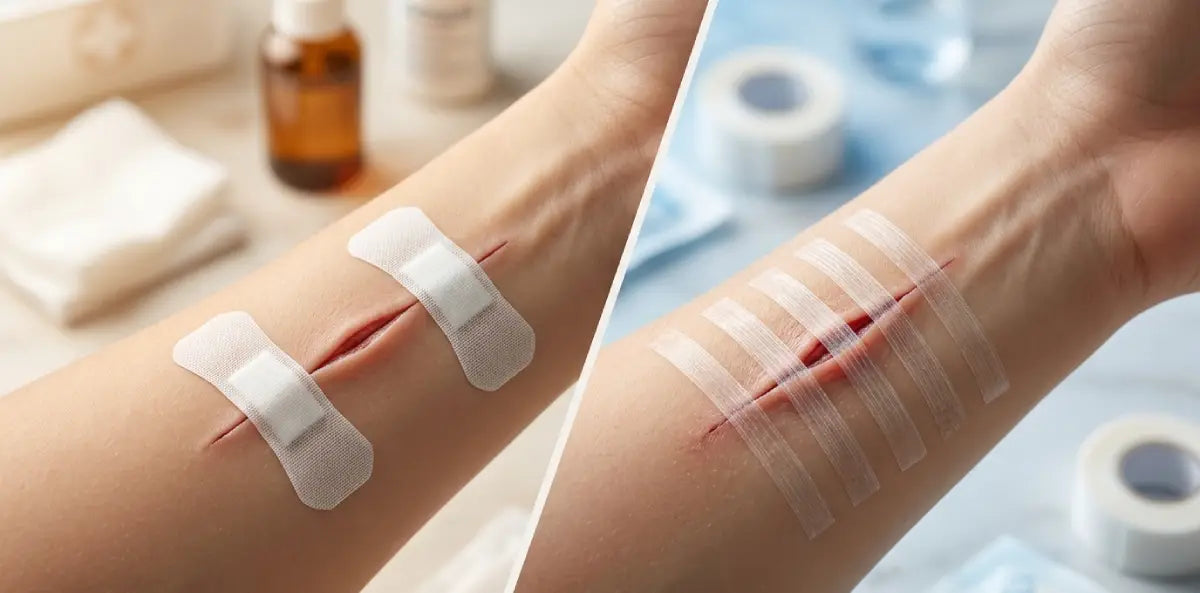
- Wound closure supplies
- Compact tourniquet
- Antiseptic wipes
- Medical tape
This setup is better than carrying no medical gear, but it is still limited. It can help with minor cuts and basic bleeding control, but it does not replace a full trauma kit. If you shoot regularly, attend classes, or use outdoor ranges, consider upgrading.
Better Medical Loadout
A better medical loadout is a stronger choice for regular range days, outdoor ranges, and training sessions. This setup adds more serious trauma supplies while still staying compact. It is a good fit for shooters who want the range bag to support both minor first aid and urgent response.
A better medical loadout may include:
- Flaresyn compact IFAK
- Tourniquet
- Compressed gauze
- Trauma dressing
-
Vented chest seals
- Trauma shears
- Nitrile gloves
- Emergency blanket
- Wound closure supplies
- Permanent marker
This level of kit is practical because it keeps important supplies together. Instead of loose medical items spread across the bag, a compact IFAK gives them one dedicated place. It is easier to inspect, easier to restock, and easier to grab when needed.
Full Range / Vehicle / Group Loadout
A full loadout is best for instructors, frequent shooters, group range days, remote outdoor ranges, and vehicle-based emergency preparedness. This setup gives more coverage and backup supplies. It is especially useful if you are responsible for more than yourself or if the range is farther from immediate help.
A full range, vehicle, or group loadout may include:
- Full trauma kit
- IFAK refill kit
- Extra tourniquet
- Extra compressed gauze
- Extra nitrile gloves
- Chest seals
- Trauma dressing
-
Wound closure kit
- Emergency blanket
- Trauma shears
- Clearly labeled medical pouch
This setup can live partly in the range bag and partly in the vehicle, depending on your storage space. The key is that the medical gear must be easy to access. A trauma kit locked away under piles of equipment is not ready. Keep it visible, labeled, and stocked.
FAQs About Range Bag Essentials
What should be in a range bag?
A range bag should include eye protection, hearing protection, ammunition, magazines, targets, tape, basic tools, cleaning supplies, water, ID, and medical gear. A complete setup should also include a first-aid kit or trauma kit, especially if you shoot often, train outdoors, or attend classes.
What is the most important item in a range bag?
Safety gear is the first priority. Eye protection and hearing protection are essential for every range day. Medical gear is also important because a range bag should support emergency readiness, not just convenience. A compact Flaresyn IFAK or trauma kit is a smart addition for serious preparedness.
Do I need a trauma kit in my range bag?
Yes, a trauma kit or IFAK is strongly recommended. A basic first-aid kit can handle minor cuts, scrapes, or blisters, but a trauma kit is made for serious bleeding and urgent injury response. A range bag is more complete when it includes both.
What medical gear should I keep in a range bag?
A range medical kit should include a tourniquet, compressed gauze, trauma dressing, chest seals, nitrile gloves, trauma shears, and basic first-aid supplies. Wound closure supplies, antiseptic wipes, medical tape, and an emergency blanket are also useful.
How do I organize a shooting range bag?
Organize your range bag by zones: safety gear, medical supplies, ammunition, magazines, tools, targets, hygiene items, comfort items, and documents. Use pouches, labels, waterproof bags, and small cases. Keep the medical pouch easy to reach and easy to identify.
Final Thoughts on Range Bag Essentials
A well-packed range bag helps you stay safer, more organized, and better prepared from the moment you leave home to the moment you finish cleanup. The best setup is not the heaviest bag or the most expensive bag. It is the bag that supports your range day with the right safety gear, medical supplies, tools, targets, comfort items, and documents in the right place. For U.S. shooters, the biggest upgrade is often medical readiness. Eye protection, hearing protection, ammunition, and targets are expected. A proper first-aid and trauma setup is what many range bags are missing. Adding a Flaresyn IFAK, trauma kit, tourniquet, chest seal, gauze, trauma dressing, and refill supplies can help make your range bag more complete and better prepared for emergencies.
Before your next range day, open your bag and check it by category. Safety first. Medical gear second. Then range supplies, tools, batteries, hygiene, comfort, and documents. That simple habit can save time, reduce stress, and help you show up ready.