Emergency Preparedness: A Complete Guide to Staying Safe in Any Situation
Preparing for emergencies is one of the most effective ways to protect yourself and your family during unexpected events. Many people deal with storms, power outages, health incidents, and sudden accidents every year, yet few feel ready when these situations strike. A good preparedness plan helps reduce panic and confusion because you already know what steps to follow and what supplies you have available.
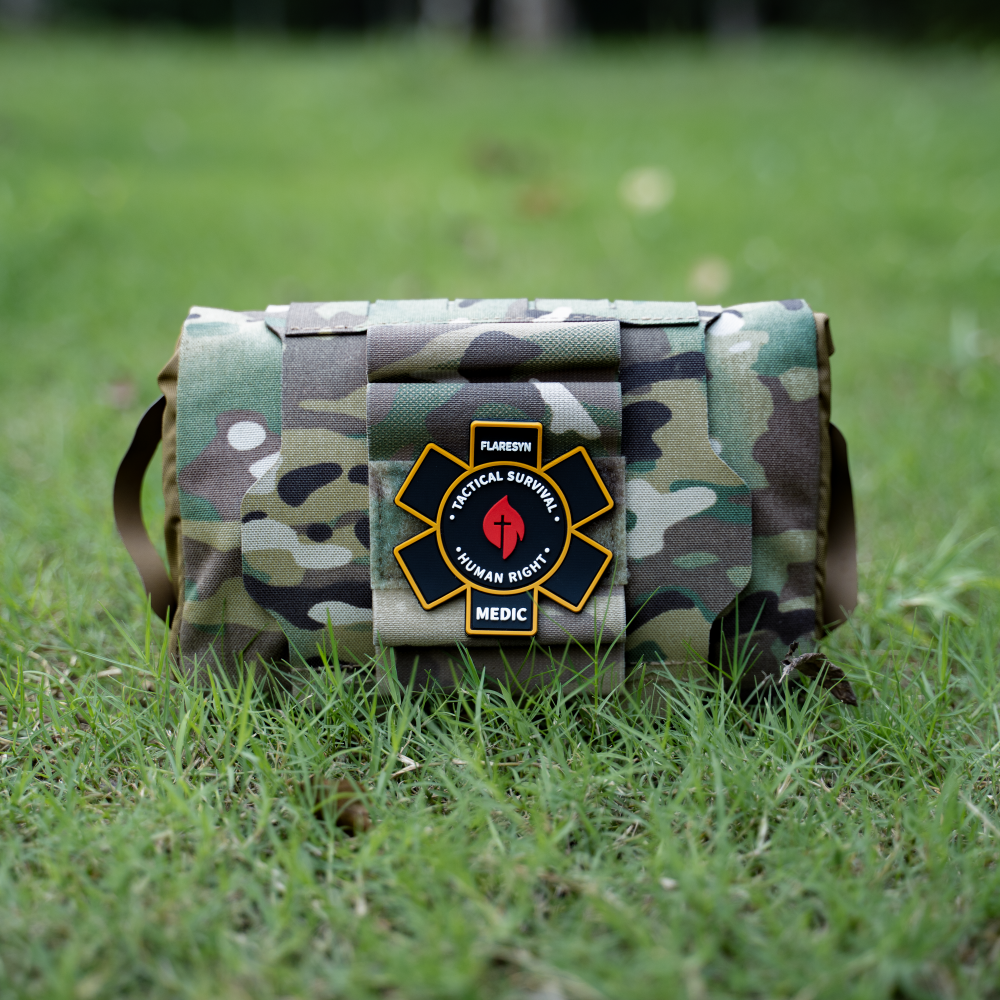
By understanding your risks and building a dependable emergency first aid kit, you can respond quickly and keep essential needs covered. Whether you face a weather-related event, a medical issue, or a simple household problem, the goal is to stay safe, stay calm, and have the tools to move through the situation with confidence.
What Is Emergency Preparedness and Who Should Care
Emergency preparedness means having the awareness, supplies, and plans ready for events that disrupt normal life. This includes natural disasters, medical emergencies, and unexpected household issues that can leave you without power, communication, or basic resources. Preparedness is not limited to specific groups; anyone who wants to safeguard their home, family, or workplace benefits from planning.
A simple kit and a clear plan help reduce fear during stressful moments and give people a sense of control. Because emergencies can happen to anyone, preparedness is for families, travelers, employees, caregivers, and anyone who wants to be ready when conditions change without warning.
Defining Emergency Preparedness
Emergency preparedness refers to the steps people take before problems arise. It includes understanding local hazards, gathering supplies, and creating a plan that guides you during disruptive events. Preparedness encourages people to think about possibilities instead of ignoring them, which helps prevent delays during real emergencies. Many national and regional agencies share guidance on this topic, including organizations in the United States, the United Kingdom, and Australia.
Their resources commonly highlight early planning, protecting essential documents, and building reliable kits for home, travel, and work. Preparing in advance adds stability during situations where time is limited, communication may fail, and help might be delayed.
Common Situations Where Preparedness Helps
Preparedness is beneficial in a wide range of events, from natural disasters to minor incidents. Storms, heavy rains, floods, earthquakes, and power failures often create sudden problems that interrupt daily routines. A prepared household handles these events more safely because it already has water, food, lighting, and communication options ready. Medical emergencies or accidents may require first aid, quick decision-making, or reliable information.
People who travel or spend time outdoors also benefit from emergency plans because car issues, injuries, or weather changes can occur far from help. Everyday household issues, such as kitchen fires, water leaks, or power outages, are easier to manage when supplies and plans are already in place.
The Three Core Steps of Preparedness
Emergency preparedness can be viewed as three simple steps: knowing your risks, building a suitable emergency kit, and practicing your plan so it becomes familiar. Each step plays an important role and works best when combined with the others. Understanding your risks helps you choose supplies that match your environment, while a well-built kit ensures you have what you need in the moment.
Practicing your plan helps you respond more calmly and reduces confusion for everyone involved. The goal is to create a routine that strengthens your safety and prepares you for various situations.
Step 1: Know Your Risks & Plan Ahead
Knowing your risks helps you prepare for emergencies that are more likely in your region. Weather patterns, natural disasters, and local conditions often differ from place to place. Some areas deal with seasonal storms or floods, while others may experience wildfires or winter hazards. Once you understand these risks, you can plan for different scenarios such as home emergencies, travel incidents, or workplace disruptions.
Families often discuss roles, meeting points, and communication methods so everyone knows what to do if separated or unable to reach one another. These conversations reduce confusion and strengthen the overall plan, giving each person a clear sense of responsibility during stressful situations.
Step 2: Build Your Emergency Kit (Go-Bag / Home Kit / Car Kit)
Building an emergency kit is one of the most practical steps you can take. A kit should include clean water, food, first-aid supplies, hygiene items, and basic tools. These essentials support daily needs if normal services are unavailable. A medical kit helps with injuries, while hygiene items maintain comfort and reduce the spread of germs. Tools such as a flashlight, batteries, and a radio help with communication and visibility.
For travel or car kits, add items like blankets, chargers, and important documents. People with pets, medical conditions, or infants should add specific items for their needs. A thoughtful kit brings stability during uncertain moments and supports you until help is available.
Step 3: Practice, Maintain & Update Your Plan and Kit
A plan only works well if it stays current and familiar. Reviewing your kit helps you remove expired items, restock supplies, and check for damage. Batteries, medicines, and food need special attention because they expire or lose effectiveness over time. Practicing your emergency plan helps your household respond quickly.
Simple drills involving evacuation routes, communication steps, or designated meeting spots build confidence. Keeping updated contact information, medical details, and important documents in accessible places ensures you can act fast when pressure is high. Regular maintenance keeps your plan useful and your kit ready whenever an unexpected event occurs.
What Should Your Emergency Kit Include: Essential Items Checklist
An emergency kit contains items that support water, food, safety, health, and communication needs. Each item should be chosen based on your environment and the types of emergencies you may face. A well-stocked kit covers basic needs for several days and helps you feel more secure during uncertain events. Kits for home, travel, and vehicles may differ slightly, but they share core items such as clean water, non-perishable food, hygiene essentials, lighting tools, and first-aid supplies.
Building your kit step by step makes the process easier and ensures you include everything necessary without adding unnecessary weight or clutter.
Basic Needs: Water, Food, Hygiene & Shelter Supplies
Water and food form the backbone of an emergency kit. A common guideline is to store one gallon of water per person per day for at least three days. This includes drinking needs and basic hygiene. Non-perishable food such as canned items, energy bars, and simple meals provide nutrition when cooking isn’t possible. Adding a manual can opener and basic utensils helps you use these supplies easily.
Hygiene items help maintain comfort during stressful times, including soap, hand sanitizer, wet wipes, trash bags, and personal care items. Depending on your climate, include blankets, warm layers, or simple shelter materials to stay protected from the weather.
Medical Supplies & First Aid (Your First Aid Kit)
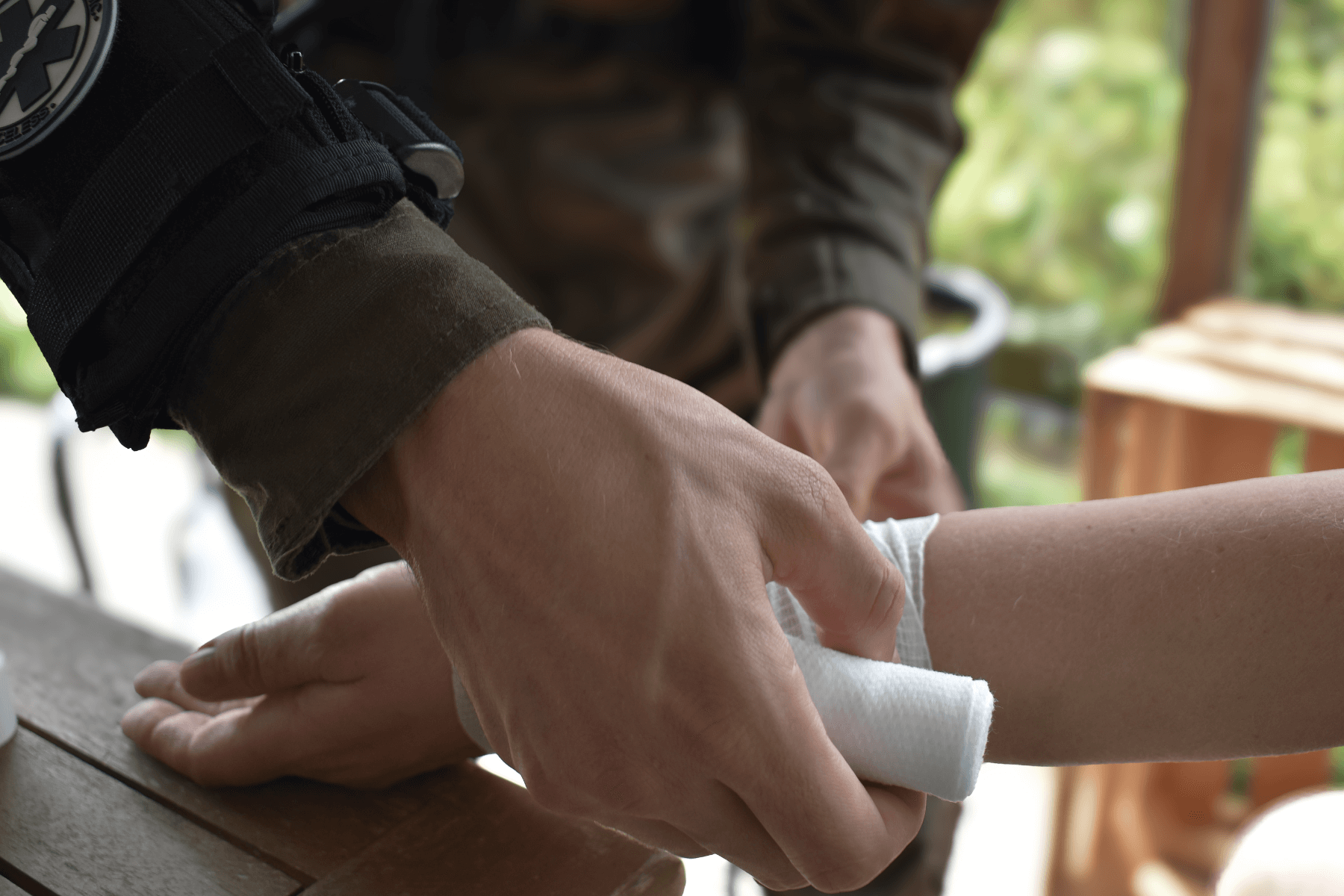
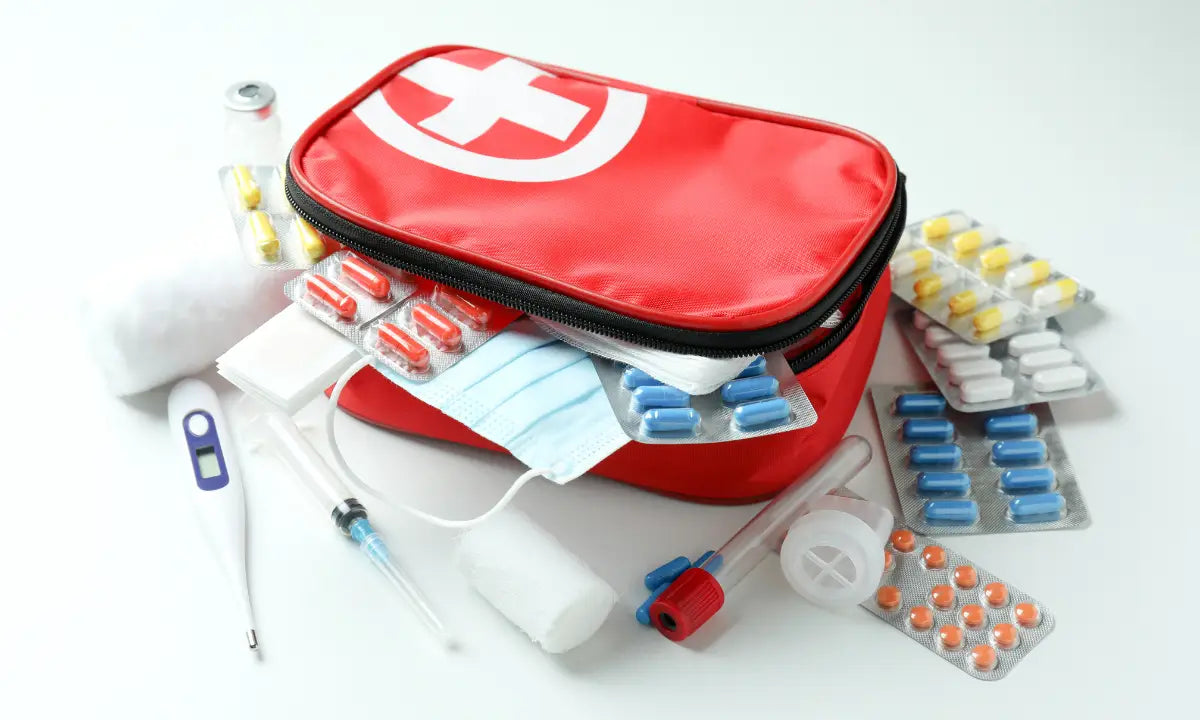
A first aid kit supports health and safety during injuries or medical concerns. Basic items include bandages, gauze pads, antiseptic wipes, adhesive tape, gloves, scissors, and sterile dressings. These help you clean and protect minor wounds or support someone until professional care is available. Over-the-counter medicines like pain relievers or allergy tablets can be helpful, depending on local rules and personal needs.
People who rely on prescription medicines should store extra doses if possible and keep updated medical information in the kit. Items such as eyeglasses, contact supplies, or personal health records allow you to manage important needs during extended emergencies.
Tools, Safety & Communication Gear
Tools and communication gear help you stay informed and handle tasks that come up during emergencies. A flashlight with extra batteries helps maintain visibility when the power goes out. Portable radios keep you updated on weather alerts or official instructions. A power bank and spare phone charger help keep communication open. Simple tools such as a multi-tool, duct tape, rope, whistle, and work gloves allow you to handle small repairs or signal for help.
Copies of important documents, including identification, insurance papers, and medical records, give you access to essential information when digital systems are unavailable. Keeping small amounts of cash can also help if electronic payments stop working.
How to Make Your Emergency Plan: From Simple to Detailed
An emergency plan gives you a clear set of actions to follow when regular routines are disrupted. Many people find themselves unsure of what to do during a crisis, which slows down decision-making and creates more stress. A written plan removes guesswork by showing you who to contact, where to go, and what steps matter first. This applies to homes, workplaces, and travel situations because emergencies can happen anywhere.
The plan should include communication methods, safe meeting spots, and important roles for each person in your household. When everyone understands the plan, emergencies become easier to manage. Your plan does not need to be complicated; it simply needs to be organized, practical, and easy to follow.
Build a Family or Household Emergency Plan
Building a household plan starts with identifying the situations most likely to affect your area. These may include storms, fires, earthquakes, power failures, or medical events. Once you know the risks, you can outline simple steps for each scenario. Families often choose two meeting points: one near the home and one farther away in case the neighborhood becomes unsafe.
Communication plans help if family members become separated. This may involve texting, identifying backup contacts, or deciding on a safe location where everyone should go if phones fail. Keeping a printed copy of your plan accessible helps everyone stay on track even under stress.
Practice and Review Regularly
Practicing your emergency plan ensures that each person knows what to do without hesitation. Drills can be simple, such as practicing how to leave the house quickly or finding the safest spot indoors during severe weather. Repetition strengthens confidence and reduces fear because everyone becomes more familiar with the steps. Reviewing your plan is equally important because situations change.
New family members may join the home, children grow older and take on different roles, and living arrangements may shift. Supplies also change over time, so check your kit for expired items, damaged packaging, or missing tools. Regular review and practice help maintain a plan that works when needed most.
Special Considerations: Pets, Babies, the Elderly, and Unique Needs
Emergency preparedness becomes more complex when caring for infants, seniors, pets, and individuals with ongoing health needs. These groups often require additional supplies and attention because their needs are different from those of healthy adults. Thinking ahead helps reduce risk during emergencies when support services might be delayed or unavailable.
For example, infants may need formulas or diapers, older adults may rely on medication or mobility devices, and pets require food, water, and identification tags. Small adjustments in planning help ensure that everyone in the household receives the care needed. Including these considerations strengthens the overall effectiveness of your emergency plan.
Preparing for Families with Children or Dependents
Children depend on adults for guidance and safety, especially during emergencies. Their kits may need items such as age-appropriate medicines, comfort items, extra clothing, and baby supplies if needed. Keeping medical information up to date is important because caregivers or medical professionals may need quick access to allergy details or health conditions.
Families with infants should include formula, baby-safe water, diapers, wipes, and blankets. Preparing for children also involves explaining the emergency plan in simple terms so they understand where to go and what to expect. Familiarity helps reduce fear and encourages calm cooperation during sudden events.
Preparing for Pets & Service Animals
Pets require their own preparation because they rely fully on their owners for protection. Pets need food, water, leashes, carriers, blankets, and any medications they take regularly. Records such as vaccination documents and identification tags help if you need to relocate or if pets become separated from you.
Plan for safe transport during evacuations by keeping carriers or harnesses accessible. Water and food should be enough for several days, just like supplies for people. Thinking about pets early prevents challenges later, especially because shelters or emergency services may have restrictions you need to plan around ahead of time.
People with Special Health Needs or Mobility Challenges
People with health needs require extra planning because disruptions to medication, medical equipment, or mobility devices can create serious problems. Your emergency kit should include a list of required medications, prescription copies, device instructions, and backup batteries if devices rely on electricity.
Items such as spare glasses, inhalers, or medical documents should be stored in waterproof containers. Consider how evacuation would work for someone using mobility aids, and identify the safest routes and support options. Planning for these needs increases safety and reduces stress because you know the essential items are packed, organized, and ready for unexpected situations.
After an Emergency: What to Do Next
After an emergency, your first focus should be safety, communication, and basic needs. Once the immediate danger has passed, take a moment to check injuries and use your first aid kit if necessary. If communication networks are active, update family members about your location and condition.
Evaluate your surroundings to determine whether it is safe to remain where you are or if relocation is necessary. Recovery begins with assessing damage, restoring essential items, and replacing supplies used during the event. Understanding what worked well and what could be improved helps strengthen your preparedness for future situations.
Immediate Response and Safety Measures
Immediately after a crisis, focus on securing your environment. Ensure everyone is accounted for and check for injuries that require medical attention. Use flashlights if power is unavailable and turn off utilities if that action is part of your safety plan. Avoid unsafe structures, damaged electrical equipment, or contaminated water sources. Communicate with neighbors or household members to gather important updates.
Once stable, follow your communication plan to notify emergency services if needed. Keeping calm and following familiar steps makes your response more effective. Your emergency kit supports this stage by providing water, lighting, first-aid tools, and communication devices.
Post-Emergency Checklist: Recovery, Restock, Review
Recovery begins after your immediate safety is confirmed and the threat has passed. Start by checking your emergency kit and replacing items that were used or that became damaged. Review food, water, medicines, batteries, and tools to ensure everything is functional and restocked.
Make notes about what supplies you wished you had during the emergency and consider adding them to your kit. Review your emergency plan with your household to discuss what worked well and what felt unclear. These adjustments improve your readiness for future events and help you feel more confident in your ability to handle disruptions.
Frequently Asked Questions (FAQ) about Emergency Preparedness
How long should emergency supplies last?
Most guidelines recommend preparing for at least three days because this is the minimum amount of time many communities need to restore basic services after large-scale emergencies. Some people choose to store enough supplies for a full week or longer, especially in areas with severe weather or limited local support.
Should I have separate kits for home, car, work, travel?
Yes. Each environment comes with different risks and needs. A home kit is usually larger and includes more supplies for several days of support. A car kit focuses on mobility issues such as breakdowns, weather hazards, or being stranded. A workplace kit is helpful in case of building lockdowns, sudden accidents, or long delays before going home.
How often should I check and update my emergency kit?
Kits should be checked at least twice a year to ensure everything is still usable. Food, water, batteries, and medicines can expire or lose quality over time, so reviewing them regularly prevents problems when you need them most. Weather changes, new family members, or new health needs may require adjusting the kit.
Are certain items important only in some regions?
Yes. Different climates and locations require different types of supplies. People in cold areas may need winter clothing, hand warmers, and thermal blankets. Those in hot or dry areas may need more water, sun protection, and items to reduce heat exposure.
Final Thoughts on Strengthening Your Emergency Preparedness
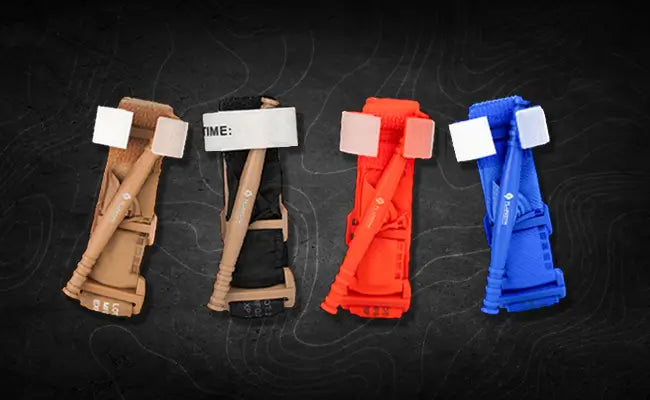
Emergency preparedness is a practical step that helps protect your home, family, and daily life during unexpected events. A good plan and a complete trauma kit allow you to respond quickly without feeling overwhelmed, even when conditions become stressful. Many emergencies create confusion because people are caught off guard, but planning ahead gives you a calm path to follow. By learning your risks, gathering the right supplies, and practicing your plan, you build the kind of stability that supports clear thinking when time is limited.
Preparedness is not about predicting every scenario; it is about having enough structure, knowledge, and resources to handle disruptions with confidence. When your supplies are organized, your communication plan is reviewed, and your household knows the steps to follow, you stand in a far stronger position to protect yourself and recover faster after challenges pass. If you continue improving your kit and updating your plan as life changes, your readiness will grow naturally over time.